




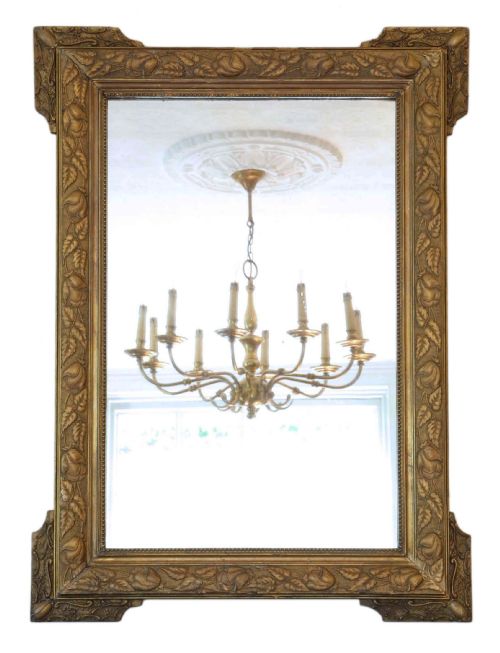
Carved Foliate Frame
These carved foliate frame pieces bring organic leaf and scroll work into interiors through mirrors, chairs, and picture frames.
Carved Foliate Frame
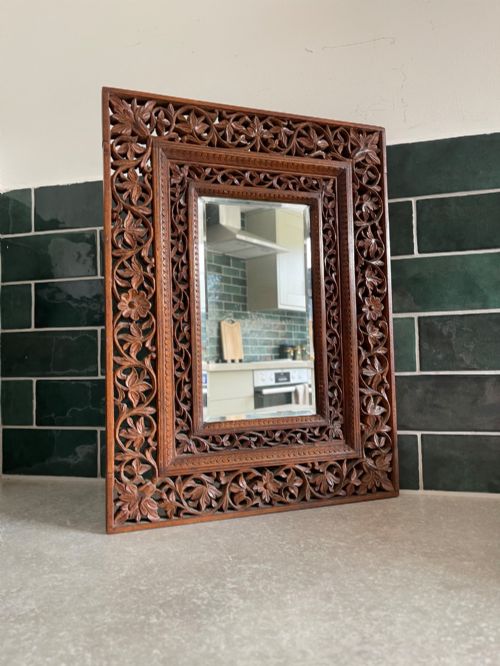
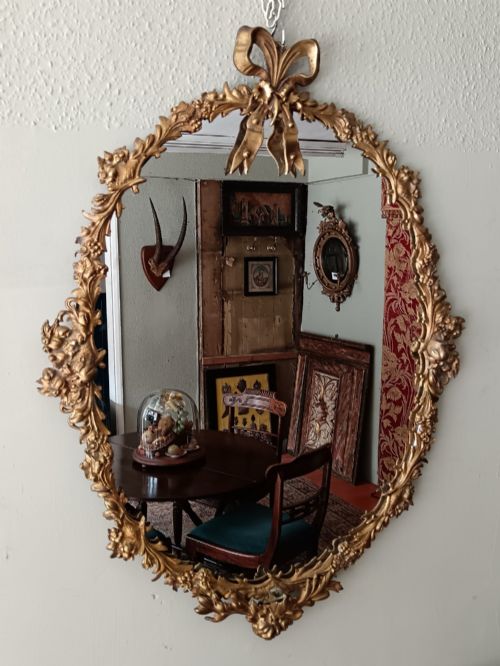
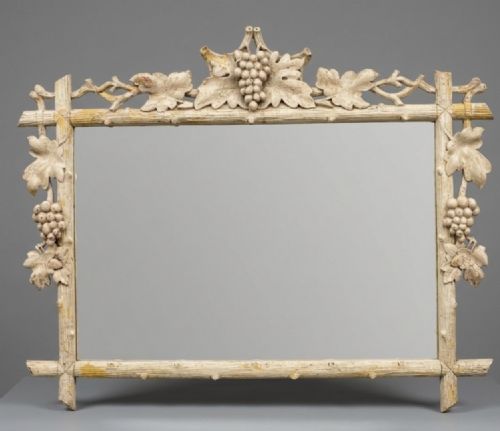
A carved foliate frame uses leaf and plant motifs carved into timber, gesso, or giltwood to define mirrors, chairs, and picture frames. These decorative surrounds appear across multiple periods including the seventeenth, nineteenth, and early twentieth centuries, reflecting changing tastes in domestic ornamentation.
The selection on this page centres predominantly upon wall mirrors and overmantel mirrors alongside occasional seating and picture frames. Originating from various workshops, these items utilise styles ranging from Victorian Gothic Revival and Louis XVI Revival to Anglo-Indian and Jacobean Revival.
Buyers seeking a carved foliate frame will encounter domestic furnishings shaped by regional traditions and revivalist movements. Oak, teak, and giltwood provide the primary structures for these floral and leaf-carved designs.
How they were made
Craftsmen shaped these frames using timber such as oak, teak, and walnut, applying hand-carved leaf and scroll details directly into the solid material. Gilded pieces often feature a layer of gesso applied over the wood base before receiving gold leaf or metallic paint.
Makers combined structural joinery with surface carving, utilising glass plates secured within rebated wooden backs for mirrors or woven elements for folding chairs. The physical construction relies on period woodworking techniques suited to each regional style, from British oak framing to Anglo-Indian hardwood carving.
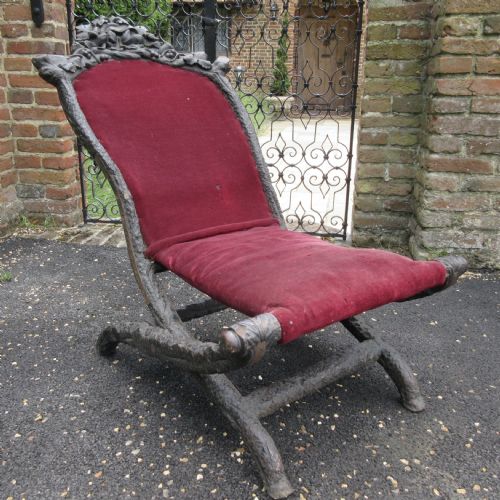
Somewhere out there, a Black Forest folding chair decided that rigid upholstery was simply not leafy enough for nineteenth-century sitting.
What varies in quality
Depth and crispness of the carving separate ordinary mouldings from finer examples, as skilled artisans produced undercut foliage with distinct veins and naturalistic contours. The treatment of the material itself dictates visual success, whether through the smooth burnishing of giltwood or the tight grain of polished oak.
Proportion and balance across the surrounding borders indicate the maker's competence, ensuring the leaf patterns complement the central glass or panel rather than overwhelming it. Integration of decorative elements, such as inset hand-painted panels or bronze mounts, influences the overall refinement of the piece.
The Carved Foliate Frame Glossary
- Giltwood
- Wood that has been coated with gold leaf or a gold-coloured finish. This material is frequently found on decorative wall mirrors and revival frames.
- Gesso
- A plaster-like mixture applied to wood as a base for gilding or painting. It allows craftsmen to model sharp relief details before applying gold leaf.
- Overmantel mirror
- A large mirror designed to hang above a fireplace mantel. These pieces often feature extensive carved decoration to anchor the room's proportions.
- Anglo-Indian
- A term describing items made in India during the British period, combining local timber carving traditions with British furniture forms. Hardwoods like teak are common in this group.
- Jacobean Revival
- A nineteenth-century style emulating seventeenth-century British design. It typically employs dark oak and heavy, geometric or foliate carved ornament.
Carved Foliate Frame: Frequently Asked Questions
What is a carved foliate frame?
A carved foliate frame is a decorative border featuring leaf, vine, and flower motifs shaped into wood, gesso, or gilt surfaces. These frames enclose mirrors, paintings, or upholstery.
They appear across various centuries and styles, functioning primarily as wall decoration or functional household furnishings.
Where were these frames placed?
These pieces typically hung on living room walls, above fireplaces as overmantels, or functioned as freestanding items like folding chairs. Their decorative leaf motifs suited formal reception rooms and parlours.
Mirrors were positioned to reflect light and expand the sense of interior space.
How do I identify the period?
Dating relies on examining the underlying wood species, the style of the carving, and construction methods. Nineteenth-century revival pieces often copy earlier seventeenth or eighteenth-century motifs.
Materials such as gesso, gilt bronze, or specific regional hardwoods like teak provide clues to the object's origin.
How do I care for giltwood?
Giltwood surfaces require gentle dusting with a soft, dry brush to protect the delicate gold leaf and underlying gesso. Moisture and harsh cleaning chemicals must be avoided entirely.
Keep these frames away from direct sunlight and fluctuating humidity to prevent the wood from warping.