



German Silver Dish
These german silver dish examples bring continental craftsmanship to the table, combining sculptural metalwork and fitted glass for refined display.
German Silver Dish
A german silver dish search encompasses table accessories and display vessels originating from German workshops, most frequently encountered as centrepieces, card trays, and bonbon dishes. These items often span the late nineteenth century into the early twentieth century, reflecting the tastes of the Victorian era and the Edwardian period.
The assortment includes tableware intended for specific functions, such as hors d'oeuvres dishes with glass liners, wine tasters, and nut dishes, alongside decorative receptacles like trinket boxes and tazas. Art Nouveau and Jugendstil styling dominate the forms, bringing organic curves and figural elements to the domestic interior.
Buyers will also find revivalist aesthetics, including Rococo and Neo-Rococo designs that echo earlier historicist movements. Centrepieces and flower dishes provide larger focal points, whilst smaller trays and baskets serve more intimate domestic roles.
How they were made
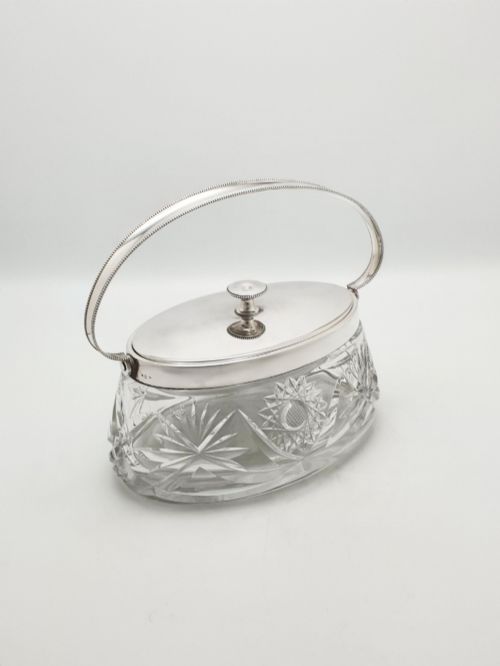
Makers utilised a range of metallic compositions, working in solid silver, standard 800 silver, and silver plate over base metals such as Britannia metal and pewter. These metallic elements were frequently combined with clear and cobalt blue cut glass liners or vessels, creating a contrast between polished surfaces and transparent depths.
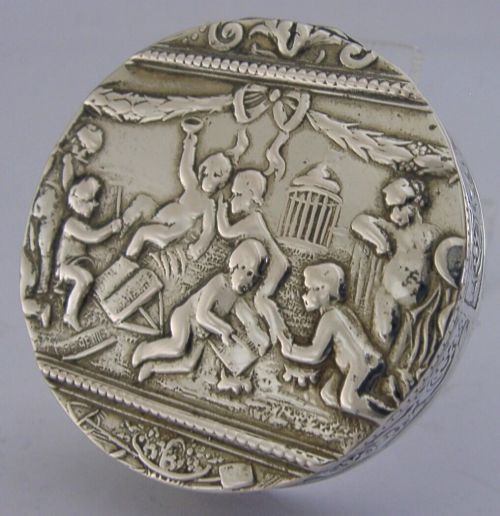
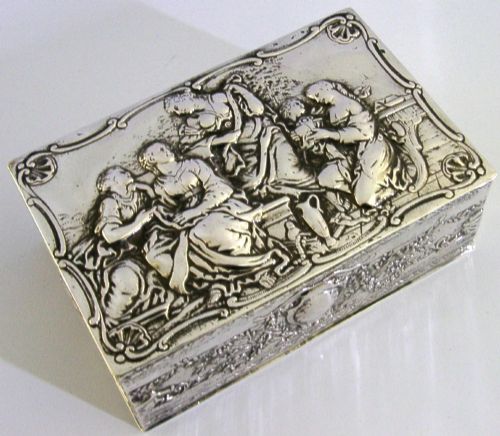
Manufacturing techniques combined casting and silversmithing with specialised plating processes, allowing firms to produce intricate sculptural details like cherubs, squirrels, maidens, and floral motifs. Hinged mounts, swing handles, and applied feet were integrated into the structural design of boxes, baskets, and dishes.
German Silver Dish Retail Price Guide 2026
Typical asking prices for german silver dish among the pieces listed under this phrase on Sellingantiques today, from the lower quarter to the upper quarter. They describe what is for sale here now, not the wider market.
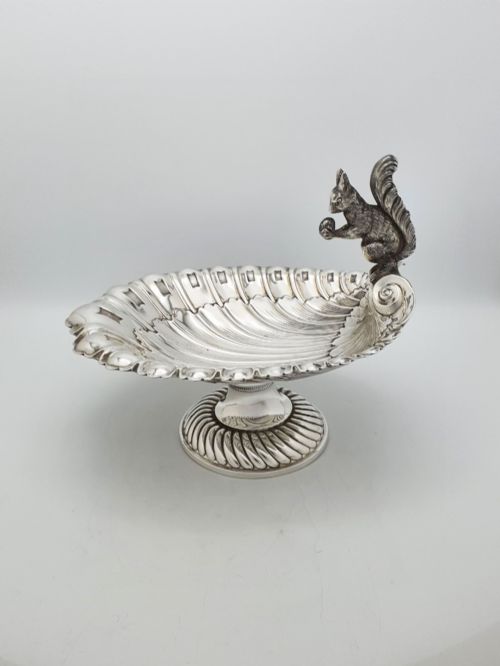
A squirrel nut dish reminds us that even practical dining accessories once came accompanied by a cheerful woodland creature.
What varies in quality
The distinction between tiers of quality rests upon the crispness of the chased or cast ornament and the weight of the metal utilised. Pieces displaying deep, hand-finished figural relief work and substantial gauge metal sit apart from lighter, purely stamped items.
The integrity and originality of accompanying components also influence standard, particularly where original cobalt blue or cut glass inserts remain intact within plated metal mounts. Makers whose marks indicate prominent workshops tend to demonstrate superior finishing and more resolved proportions across their output.
WMF·Posen of Frankfurt and Berlin
The German Silver Dish Glossary
- Jugendstil
- The German variant of the Art Nouveau movement, characterised by flowing organic lines and natural motifs. It flourished across the decorative arts around the turn of the twentieth century.
- Taza
- An elevated shallow cup or bowl on a foot or pedestal, used for serving fruit or sweets. These pedestal vessels often feature swing handles or pierced decoration.
- Britannia metal
- A tin-based alloy used as a base metal for silver plating, known for its receptive surface and bright finish. It offered a durable foundation for complex nineteenth-century casting.
- Wine taster
- A small shallow metal vessel traditionally used for sampling wine from the cask. Examples in this category generally feature a handle and embossed decoration.
- German historicism
- An artistic movement drawing inspiration from historical periods such as the Baroque and Rococo revivals. Designers reinterpreted these past styles using contemporary manufacturing techniques.
German Silver Dish: Frequently Asked Questions
What is a german silver dish used for?
These vessels served various domestic purposes, from holding visiting cards and trinkets to presenting bonbons, nuts, and hors d'oeuvres at the dining table. Larger versions functioned as centrepieces and flower dishes for interior decoration.
Many designs incorporated fitted glass liners or compartments, allowing them to hold moist foods or delicate jewellery without damaging the underlying metalwork.
How do I identify Art Nouveau German silver pieces?
Art Nouveau and Jugendstil items are typically recognised by their flowing, plant-inspired lines, stylized floral motifs, and figural reliefs depicting maidens, cherubs, or animals. These organic forms contrast with the rigid symmetry of earlier revival styles.
Manufacturer marks, particularly those associated with major German metalwork firms from the period, help confirm the specific origin and stylistic timeline of the piece.
Are glass liners original to these dishes?
Many hors d'oeuvres dishes, biscuit barrels, and centrepieces were manufactured with bespoke cut glass or cobalt blue glass inserts. These liners were designed specifically to fit the contours of the metal frames and baskets.
Finding an example with its original glass component intact is common among well-preserved pieces from this era.
How do I care for silver plated and pewter items?
Maintenance involves gentle cleaning with appropriate metal polishes that do not abrade the plated surface or soften the relief details. Care should be taken around fitted glass elements to prevent moisture accumulation in the mounts.
Storing pieces in a stable environment away from extreme humidity preserves both the metal finish and any associated glass components.