


Georgian Yew Wood Chair
A georgian yew wood chair brings tactile warmth and vernacular character to an interior.
Georgian Yew Wood Chair
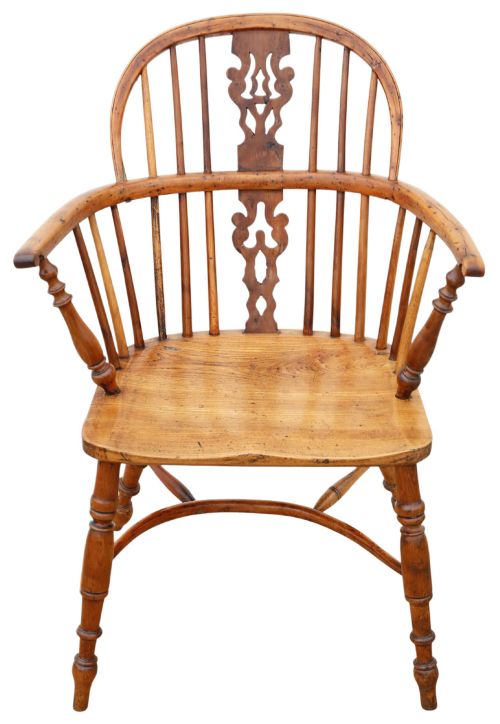
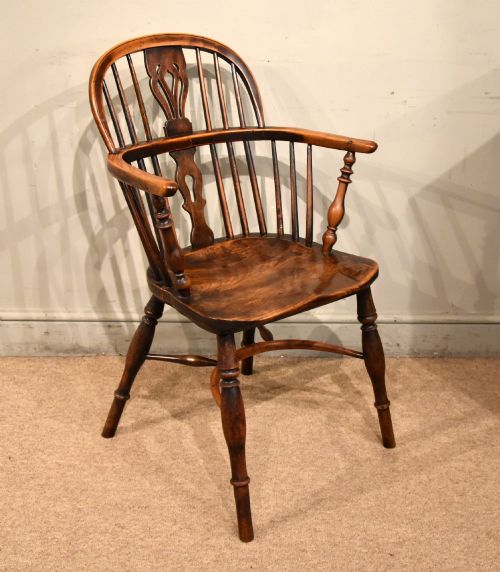
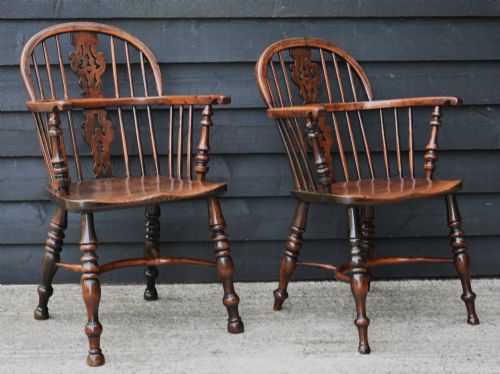
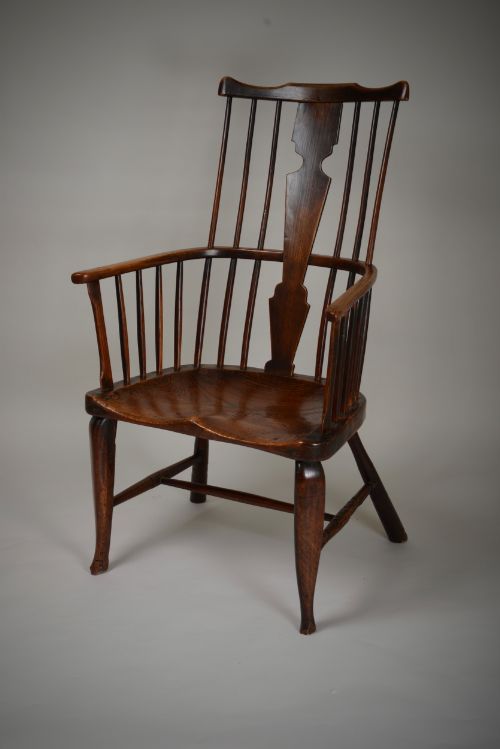
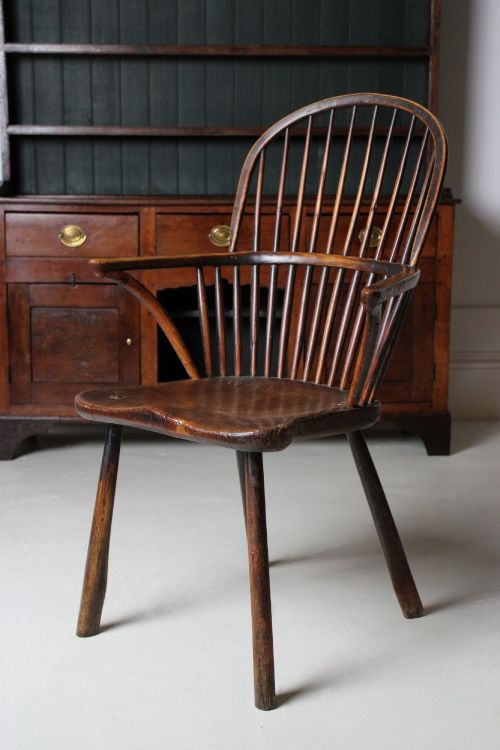
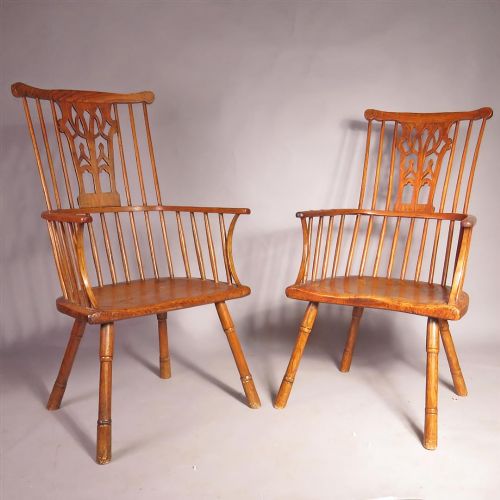
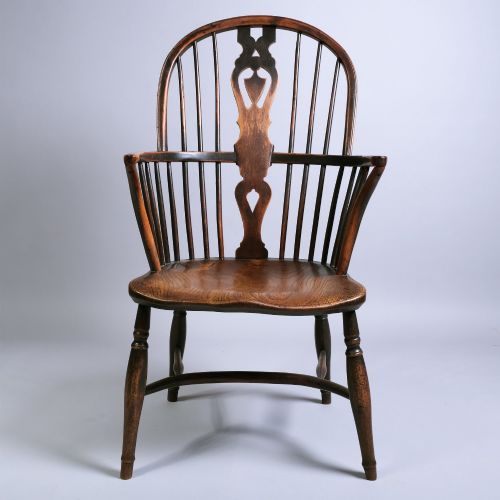
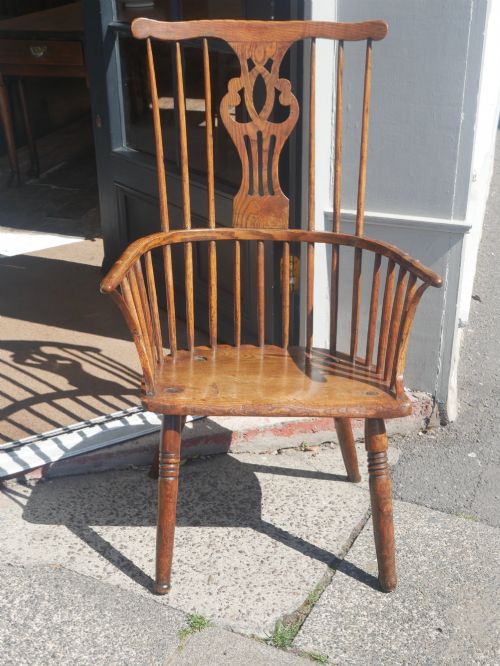
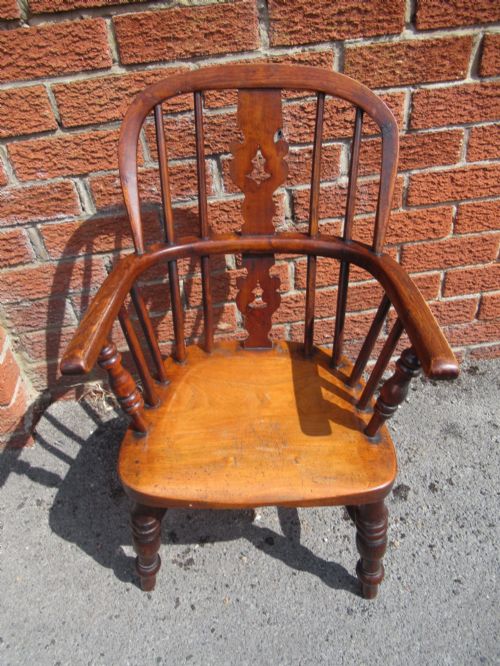
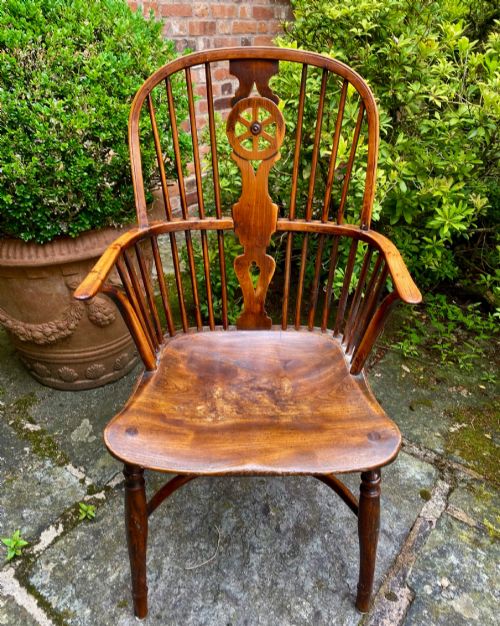
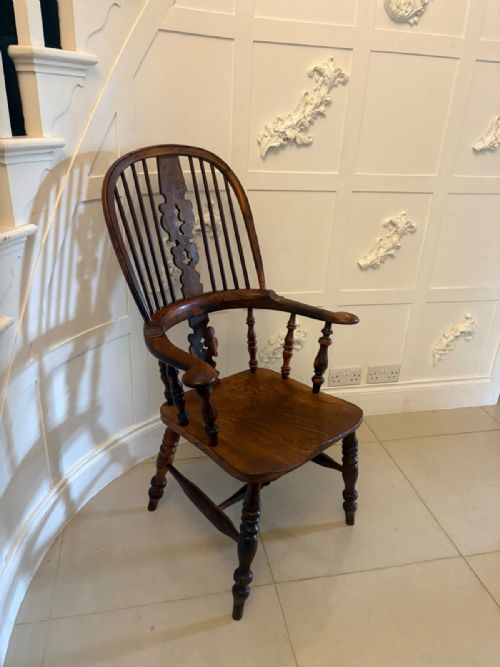
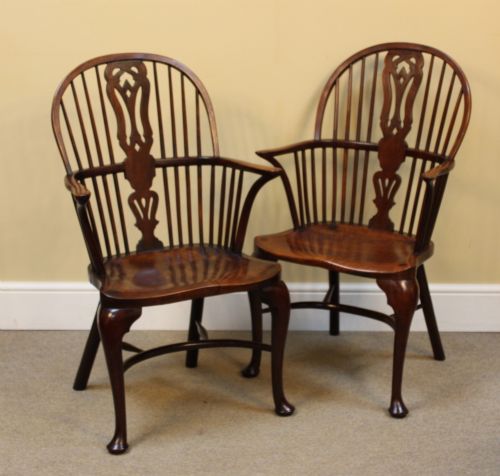
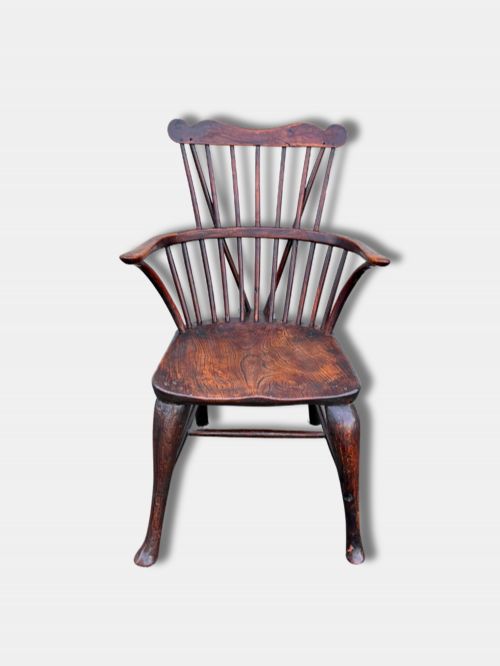
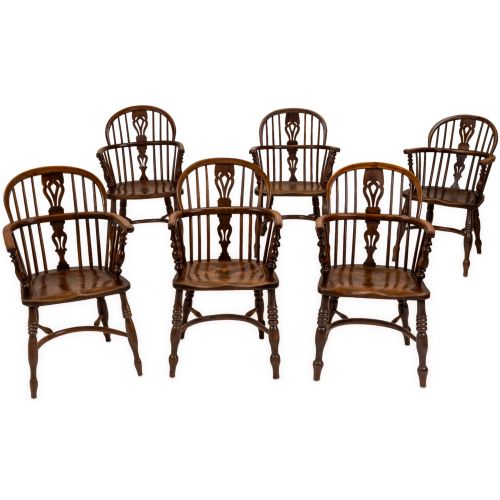
A georgian yew wood chair is typically encountered as a Windsor armchair, featuring a distinctive wooden seat carved from elm and an upper framework constructed from flexible yew. These pieces emerge from eighteenth and nineteenth century English country workshops, carrying regional vernacular traditions that prioritised utility and ergonomic comfort. Most listings present comb backs, hoop backs, and low backs designed for domestic seating.
Makers fashioned both single armchairs and matched sets for dining or parlour use. The grain patterns and rich golden-brown timber tones lend these seats a distinct visual presence compared to standard walnut or mahogany seating of the period. Buyers find variations ranging from small child chairs to broad-arm formats.
Materials and construction methods
Joiners relied on a combination of native timbers, pairing solid elm seats with bent yew wood for the spindles, bows, and arm rails. Ash and beech frequently appear in the undercarriages and legs, providing structural rigidity where straight-grained strength was required. Components were turned on pole lathes and assembled using traditional tenon and wedged joints.
The characteristic bentwood hoops and comb backs required steam-bending timber while green to set the tight curves without fracturing the dense yew. Surfaces were finished with natural oils and wax, allowing decades of friction to build a deep, translucent patina across the timber.
Georgian Yew Wood Chair Retail Price Guide 2026
Typical asking prices for georgian yew wood chair among the pieces listed under this phrase on Sellingantiques today, from the lower quarter to the upper quarter. They describe what is for sale here now, not the wider market.
Listings feature 18th century, 19th century, and Victorian examples built from yew, elm, ash, beech, and oak.
Judgments of quality in regional seating
Quality rests in the articulation of the turning, the complexity of the back design, and the sculptural execution of the elm seat. Pieces featuring crinoline stretchers, carved splats, or burr yew grain demonstrate greater ambition from the maker.
Proportion and stance dictate the visual success of the chair. Seats with well-sculpted saddles, balanced arm scrolls, and crisp turning on the spindle work sit firmly at the upper end of the craft.
John Brand of Sleaford·Rockley Maker·Worksop
The Georgian Yew Wood Chair Glossary
- Comb back
- A Windsor chair design where the top rail resembles the teeth of a comb, with vertical spindles rising through the arm bow.
- Hoop back
- A continuous bentwood rail forming both the back and the arms of a Windsor chair.
- Crinoline stretcher
- A curved metal or wooden stretcher linking the legs of a chair below the seat, strengthening the undercarriage.
- Vernacular
- Objects made by regional craftspeople following local traditions rather than metropolitan academic designs.
- Carver
- An armchair, frequently designed with elbow rests to match a set of dining chairs.
Georgian Yew Wood Chair: Frequently Asked Questions
What defines a yew wood Windsor chair?
A yew wood Windsor chair uses dense, figured yew for the upper bow and spindles, combined with a thick elm seat saddle.
These chairs rely on stick-built construction rather than standard cabinetmaking frames.
How do I spot an 18th century piece?
Eighteenth century examples often display deep saddle carving, heavy undercarriages, and early regional vernacular turning patterns.
Later nineteenth century versions tend to have thinner spindles and simpler, more standardised components.
Where were these chairs made?
Regional workshops across England produced them, with particular concentrations in the Thames Valley and Yorkshire.
Local timber availability dictated whether makers used yew, elm, or ash.
How do I live with a country chair?
These chairs function well as desk seating, hall chairs, or accent pieces in living spaces.
Keep them away from direct heat sources to prevent timber shrinkage and movement.