
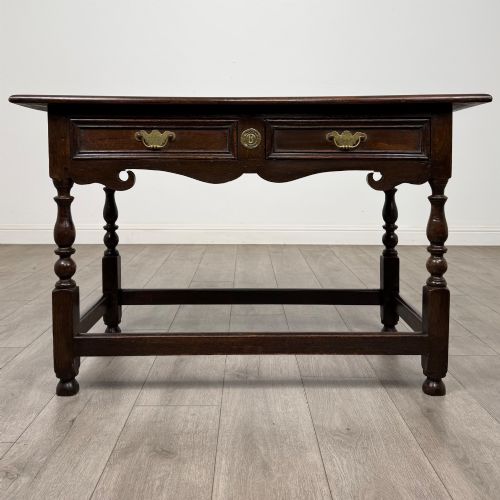
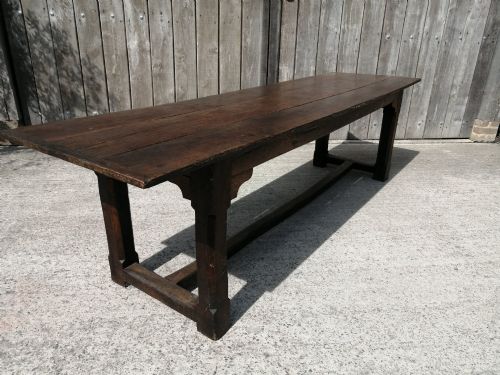
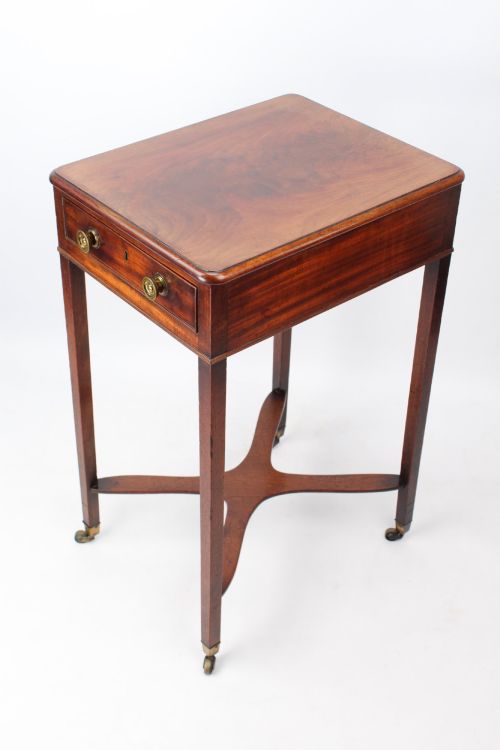
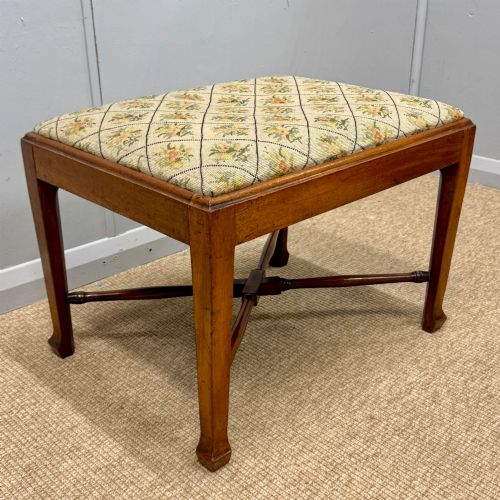
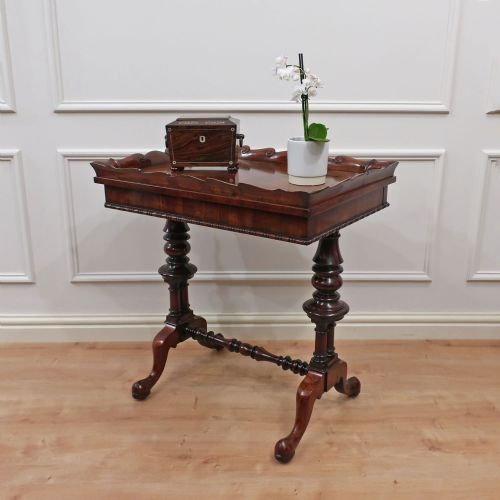
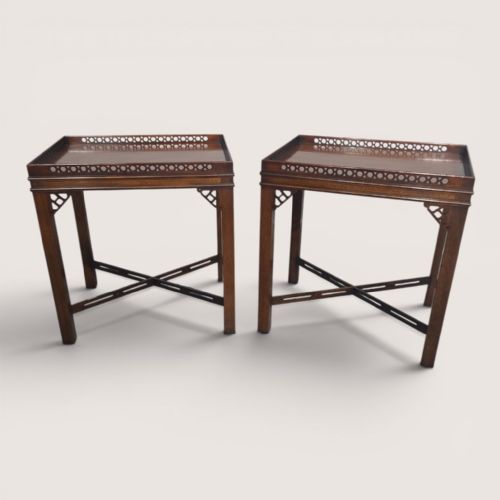
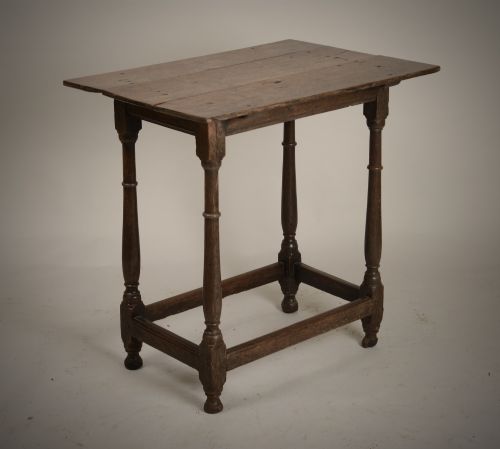


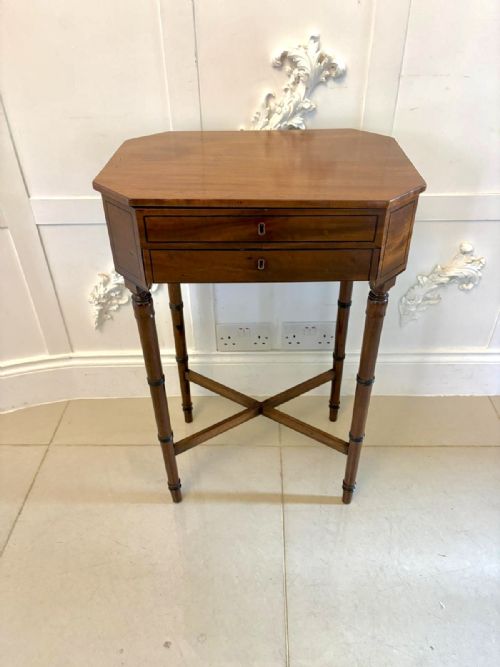
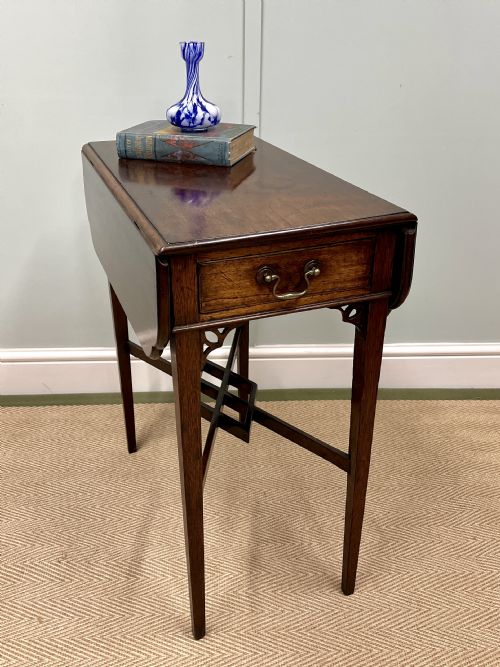
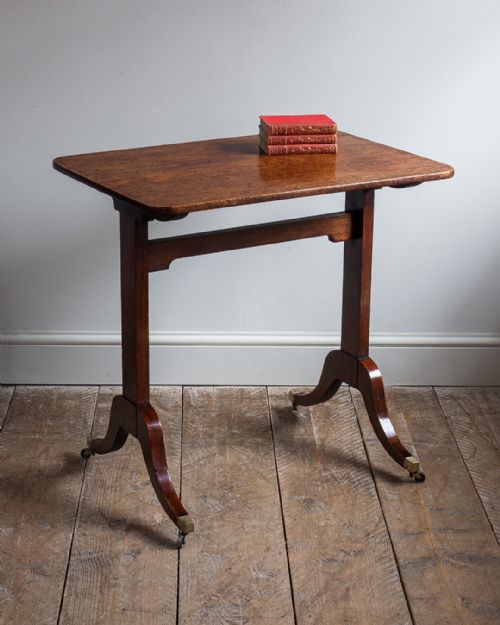

Georgian X Stretcher Table
These robust side and console pieces are defined by their intersecting supports, making a georgian x stretcher table both structurally steady and historically distinct.
Georgian X Stretcher Table
A georgian x stretcher table brings together functional domestic surfaces and distinct intersecting base supports from the eighteenth century onwards. Buyers searching this phrase will find a variety of forms including side tables, console tables, and occasional tables.
The versions met most frequently on this page span oak and mahogany constructions from the Georgian and Regency periods. Pieces range from early oak examples to later revival interpretations and smaller lamp tables.
These tables served diverse utilitarian purposes in period interiors, from serving silver and holding lamps to functioning as work tables and Pembroke tables. Their defining structural trait is the cross stretcher arrangement linking the legs below.
How they were made
Makers constructed these tables predominantly in oak, mahogany, and elm, often incorporating satinwood for timber inlay and brass for mounts and details. Cabinetmakers selected these dense hardwoods to ensure the stability required for intersecting base stretchers.
Joinery techniques relied on traditional framing methods to anchor the x stretchers securely between the legs. Surface finishes highlight the natural grain of the timber, sometimes enhanced with painted decoration or delicate inlay.
The listings show pieces spanning from the early eighteenth century through to 1930, encompassing oak, mahogany, elm, and satinwood.
What varies in quality
Quality in these tables rests primarily in the crispness of the timber selection and the integrity of the structural joinery. Figured mahogany and well-figured oak with rich, unblemished grain distinguish superior examples from plain utility pieces.
The sophistication of the cross stretcher design and the refinement of leg carving, such as paw feet or lion masks, elevate certain tables above standard domestic forms. Original brass hardware and intact timber inlay further separate finer examples.
Gillows
The Georgian X Stretcher Table Glossary
- X stretcher
- An intersecting diagonal brace connecting the legs of a table near the base to provide rigidity. This structural feature defines the category.
- Lowboy
- A small oak or walnut dressing table or side table fitted with drawers, common in the early eighteenth century. These pieces often feature stretcher supports.
- Pembroke table
- A drop-leaf occasional table with hinged flaps on either side, frequently produced in mahogany and satinwood during the Georgian period.
- Refectory table
- A long dining table of sturdy timber construction, often seen in early oak versions featuring strong stretcher arrangements.
- Lamp table
- A compact occasional table designed specifically to hold a lighting fixture, appearing across eighteenth and nineteenth-century periods.
Georgian X Stretcher Table: Frequently Asked Questions
What is an x stretcher?
An x stretcher is a pair of diagonal braces that cross between the legs of a table near the floor. This construction adds lateral strength and stability to the frame.
In period pieces, these intersecting stretchers also act as a decorative element that unifies the base design.
How do I date these tables?
Dating relies on timber choice, construction methods, and stylistic details such as leg turnings and edge mouldings. Early pieces commonly utilise solid oak or elm, while later Georgian and Regency examples favour mahogany and satinwood.
Secondary woods and drawer construction provide further clues for distinguishing eighteenth-century originals from later revivals.
Where were they used?
These versatile tables were placed in halls, drawing rooms, and dining spaces to hold lamps, silver, or sewing baskets. Their compact footprint allowed them to sit against walls or beside seating.
Console and side variants functioned as permanent display surfaces, while smaller Pembroke and work tables moved about the room as needed.
Are all these tables Georgian?
While the search phrase highlights Georgian origins, the listings include related pieces from the Regency period as well as later revival eras. Eighteenth-century examples sit alongside nineteenth-century interpretations and twentieth-century reproductions.
Examining the listed period for each piece clarifies its exact historical origin.