
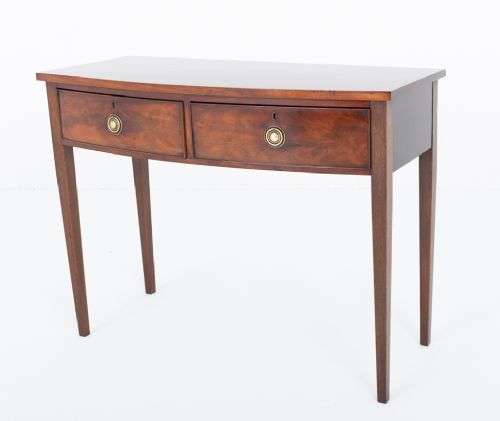
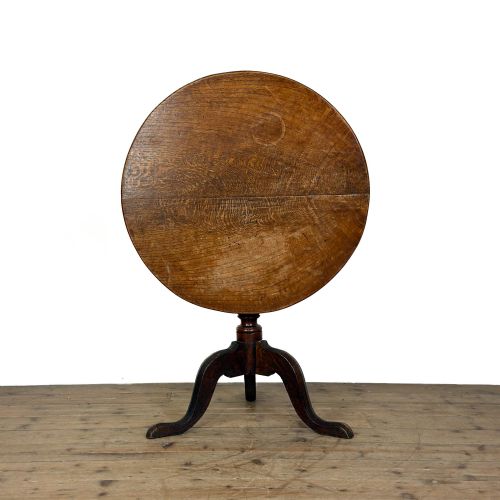
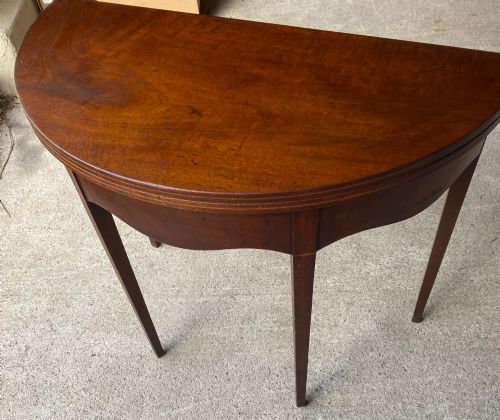
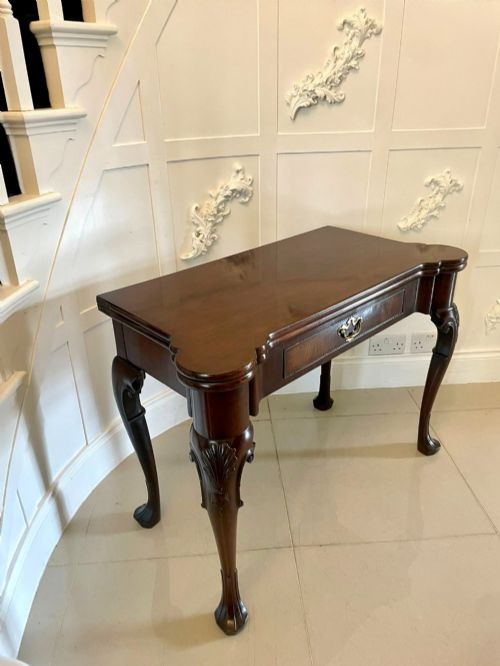
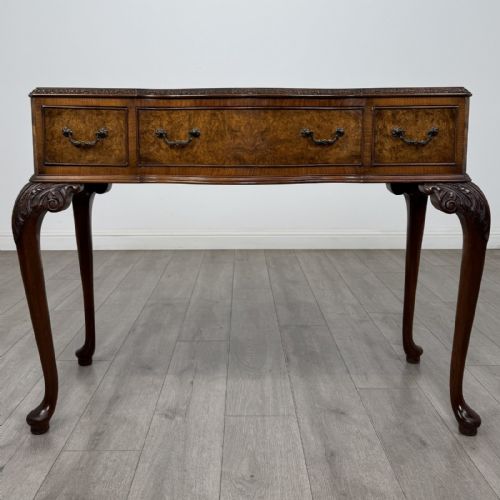
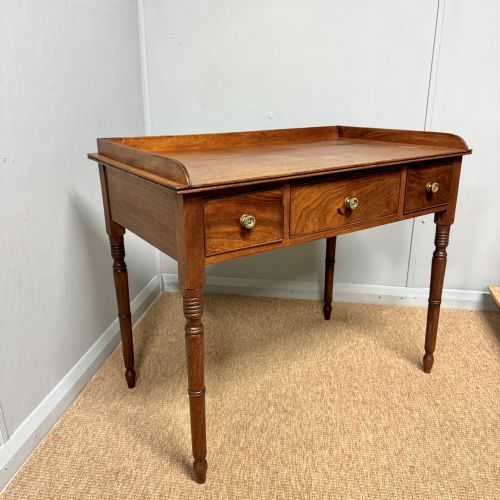
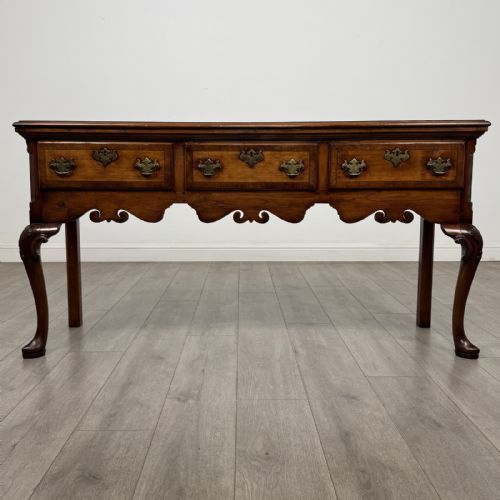
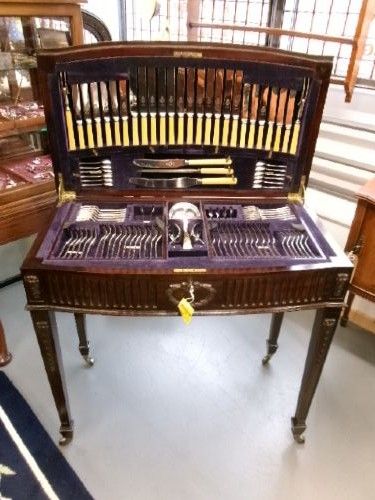
Georgian X Leg Table
A georgian x leg table brings architectural line and honest timber into a room, offering practical surface space with distinct period presence.
Georgian X Leg Table
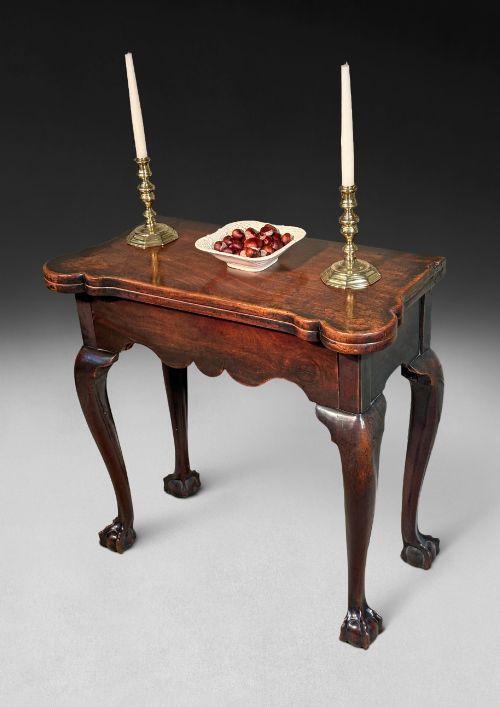
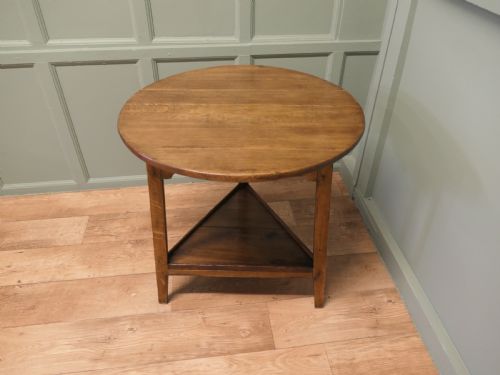
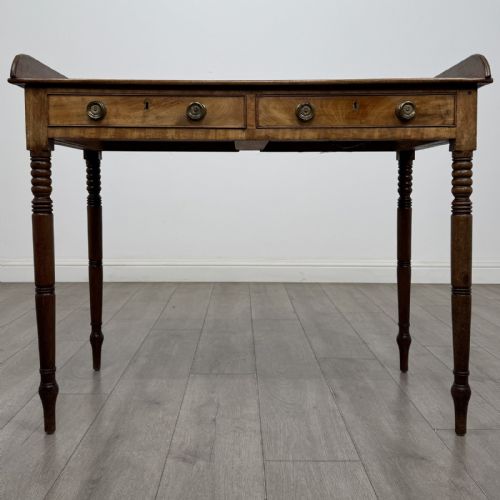
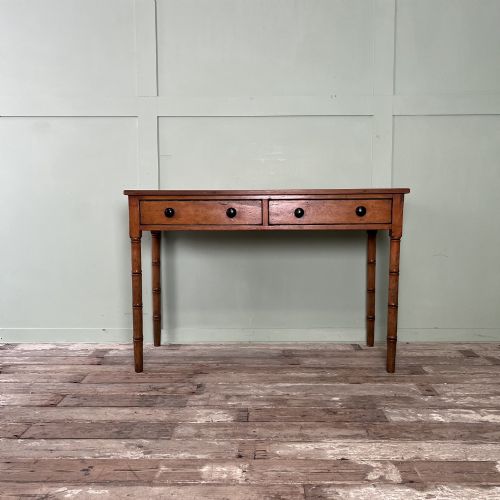
When searching for a georgian x leg table, buyers encounter a variety of forms rooted in the eighteenth and nineteenth centuries, including dining tables, side tables, and occasional pieces. The selection spans distinct periods from the eighteenth century through the Regency era and into later revivals, reflecting the enduring appeal of crossing supports.
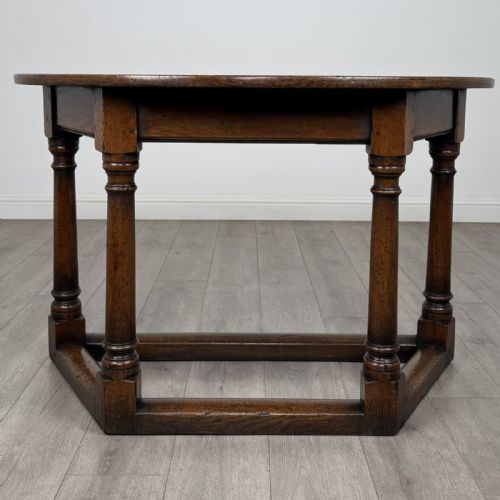
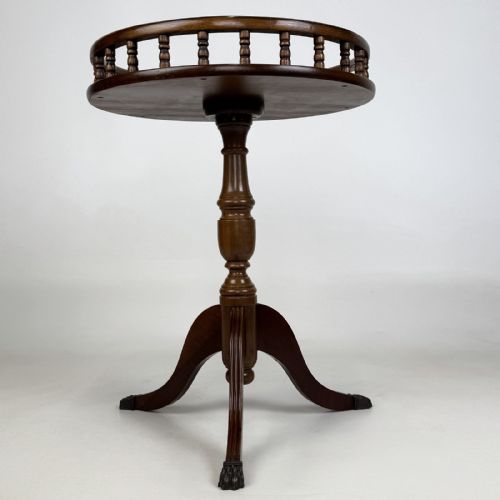
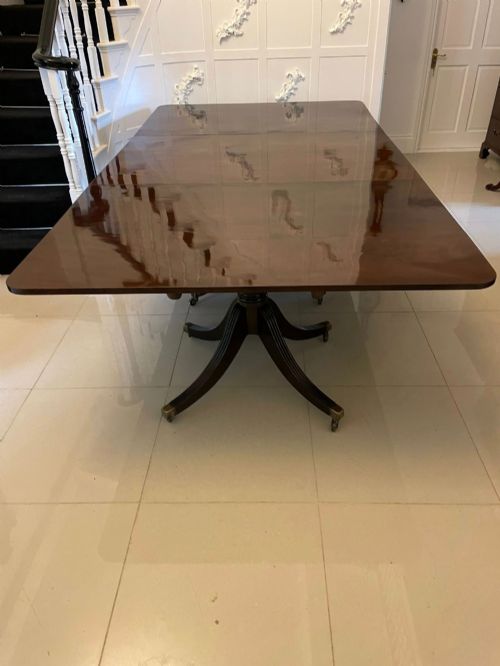
While formal cataloguing can vary, pieces often emerge in sturdy oak or rich mahogany, showcasing the functional adaptability required by period households. These tables serve multiple domestic roles, functioning equally well as central dining surfaces or smaller lamp and tea tables.
The material palette relies heavily on native and imported timbers, pairing solid construction with figured veneers where appropriate. Surviving examples demonstrate the versatility of regional cabinetmakers working within established Georgian and Regency design idioms.
Materials and construction methods
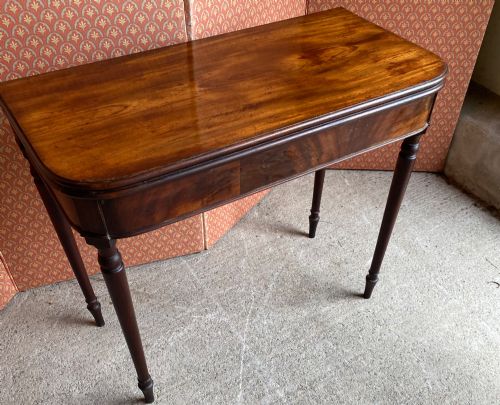
Makers constructed these tables primarily from solid mahogany and oak, often incorporating flame mahogany veneer or walnut to add visual depth to prominent surfaces. Timber selection governed both the structural integrity and the decorative finish of each piece.
Joinery techniques relied on traditional methods such as mortise and tenon joints to ensure stability under daily use. Brass fittings, including castors and hinges, appeared frequently on functional tables designed for easy movement around a room.
Listings feature mahogany, oak, and walnut timbers across side tables, dining tables, and occasional formats.
Distinctions in quality and execution
Quality rests in the crispness of the timber selection and the precision of the underlying joinery, where tighter tolerances separate superior cabinet work from standard production. The choice of figured mahogany or well-figured oak elevates a piece visually.
Proportion and structural balance dictate the success of the form, ensuring that supporting elements integrate harmoniously with the top. Subtle details in edge moulding and timber matching reflect the skill invested by the original maker.
The Georgian X Leg Table Glossary
- Mahogany
- A dense, reddish-brown tropical hardwood favoured by eighteenth-century cabinetmakers for its stability and fine grain. It took a high polish and accepted intricate carving without splintering.
- Oak
- A robust native timber utilised extensively for structural framework and country furniture throughout the Georgian period. Its visible grain and toughness made it ideal for heavy-use tables.
- Flame mahogany veneer
- A thin slice of timber cut from the fork of a mahogany tree to create a flickering, flame-like pattern. Craftsmen applied this to primary surfaces for decorative impact.
- Drop-leaf
- A table design featuring hinged flaps that fold down to save space or lift up to expand the surface area. Supporting legs swing out to hold the extended leaves securely.
Georgian X Leg Table: Frequently Asked Questions
How do I date a Georgian table?
Dating relies on examining the timber species, construction joints, and secondary woods used in hidden areas like drawer linings. Earlier pieces often show hand-cut joinery and native woods, while later Regency examples lean towards figured veneers and brass fittings.
Secondary indicators include tool marks and the method of fixing table tops to their bases. Comparing these physical traits with known period styles clarifies the likely decade of manufacture.
Were these tables used for dining?
Many larger forms functioned as dining surfaces, particularly drop-leaf or pedestal formats designed to accommodate multiple guests. Smaller variations served specific tasks like holding tea equipment, books, or lamps.
Versatility defined period furniture, allowing pieces to move between formal reception rooms and private chambers as needed. Their sturdy construction supported daily domestic life without sacrificing refined appearance.
How should I care for antique mahogany?
Maintain timber surfaces by dusting regularly with a soft, dry cloth and avoiding direct sunlight or excessive heat sources. Natural waxes nourish the wood and preserve the depth of the finish over time.
Keep humidity levels stable in the room to prevent timber movement or veneer lifting. Gentle upkeep protects the historical surface without stripping away the patina accumulated over centuries.
What defines Regency style furniture?
Regency design draws inspiration from classical antiquity, featuring cleaner architectural lines and contrasting timber inlays. Brass mounts and sabre legs frequently appear, marking a shift towards bolder decorative statements.
This aesthetic bridged the gap between late Georgian sobriety and Victorian elaboration. Pieces from this era emphasise striking silhouettes and the natural beauty of figured mahogany.