
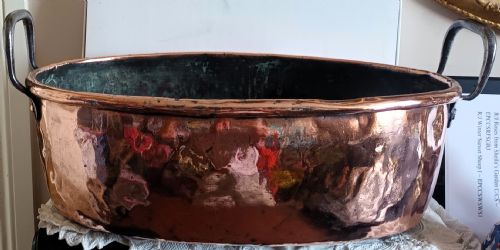
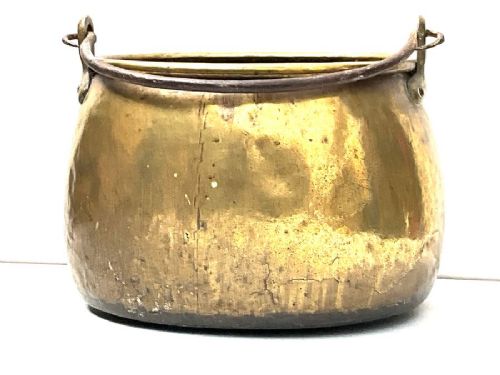


Georgian Wrought Iron Handles
Georgian wrought iron handles belong to utilitarian hearth accessories, cookware, and architectural salvage built for daily use centuries ago.
Georgian Wrought Iron Handles
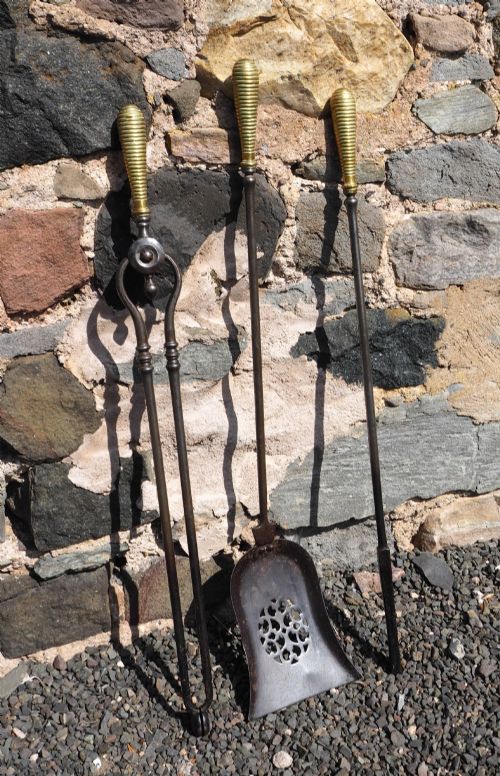
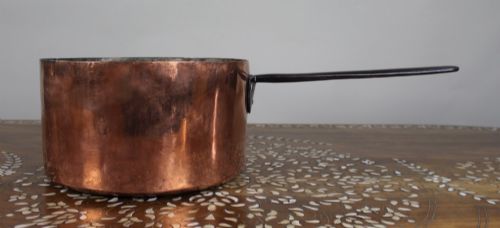
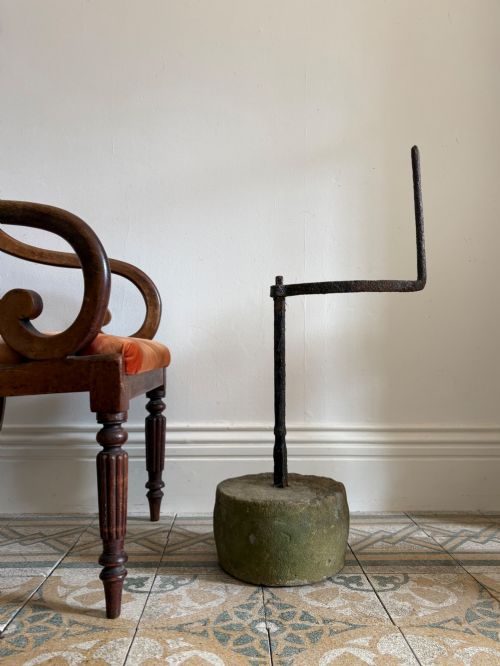
Georgian wrought iron handles appear on practical objects ranging from fire irons and toasting forks to heavy strongboxes and millstones. These pieces span the eighteenth century and the early nineteenth century, reflecting the robust functional requirements of domestic and agrarian life.
The versions most commonly met on this page combine hammered iron with copper, brass, wood, or stone. They serve utilitarian purposes around the hearth, kitchen, and storeroom rather than existing as purely decorative items.
The forms vary from simple hearth accessories to substantial kitchenware and architectural salvage. Each piece demonstrates how metal was shaped by hand to endure heavy everyday handling.
How they were made
Blacksmiths shaped wrought iron and steel over an anvil using traditional hammering and forging techniques. This created strong, durable grips and mounts capable of bearing significant weight and heat.
Makers combined iron with copper, brass, wood, and stone, attaching handles securely through riveting, banding, or socketing. These mixed-material constructions brought together the structural strength of iron with the specific thermal or aesthetic properties of other substances.
Listings featuring Georgian wrought iron handles span the eighteenth century and the early nineteenth century, incorporating materials like copper, brass, wood, and stone.
What varies in quality
The standard of forging defines the superior examples, showing clean hammer marks and purposeful shaping rather than rough, careless finishing. Substantial weight and balanced proportions indicate a piece built for serious utility.
The integrity of the original joins and fixings determines the worth of the item. Pieces that retain their unblemished metal surfaces and secure handle attachments stand apart from those with later replacements or weakened joints.
The Georgian Wrought Iron Handles Glossary
- Wrought iron
- A tough, malleable form of iron produced by hammering hot metal, often showing visible grain and hand-formed contours. It resists snapping under stress, making it ideal for handles and structural mounts.
- Fireside bucket
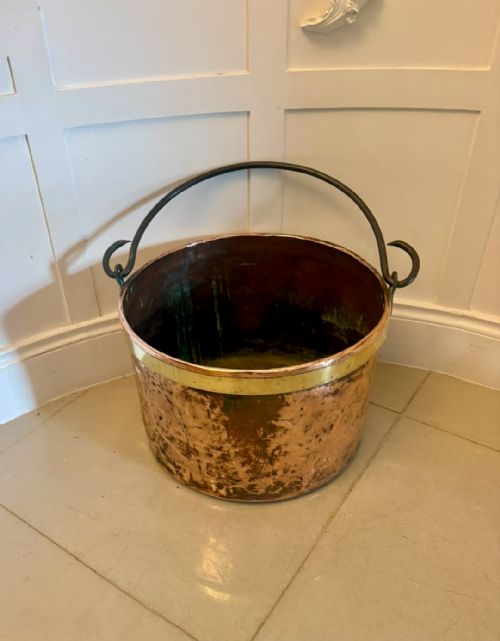
- A large container used for holding coal, logs, or ash near the hearth, frequently fitted with sturdy metal handles for transport. These vessels combined copper or wood bodies with iron hardware.
- Fire irons
- A set of matching fireplace implements including pokers, tongs, and shovels, typically featuring forged metal handles. They were designed for managing open coal and wood fires.
- Architectural salvage
- Building elements and heavy fixtures rescued from older structures, such as strongboxes or tethering stones. They preserve historical metalwork and functional hardware in their original state.
- Toasting fork
- A long-handled utensil used for holding bread or meat over an open hearth fire. The combination of iron forks with wooden or forged handles kept the user at a safe distance from the heat.
Georgian Wrought Iron Handles: Frequently Asked Questions
What objects have Georgian wrought iron handles?
These handles appear on a variety of domestic and utilitarian items, including fire irons, cooking pots, log bins, strongboxes, and toasting forks.
They were designed for practical tasks around the hearth and kitchen, ensuring items could be moved safely despite high heat and heavy loads.
How do I care for antique iron handles?
Keep the metal clean and dry to prevent rust, applying a light coat of microcrystalline wax if protection is needed.
Avoid harsh chemical cleaners that can strip the dark protective patina developed over centuries of handling.
Are these handles always made of iron?
While the handles themselves typically use wrought iron or steel, the objects they attach to frequently incorporate copper, brass, wood, or stone.
Blacksmiths combined these materials to suit the specific demands of cooking, heating, and storage.
How can I tell a Georgian piece from a later copy?
Examine the construction methods for signs of hand-forging, such as irregular hammer marks and traditional joinery rather than modern welding.
Genuine pieces display authentic wear patterns and material patination consistent with eighteenth and early nineteenth-century manufacturing techniques.