


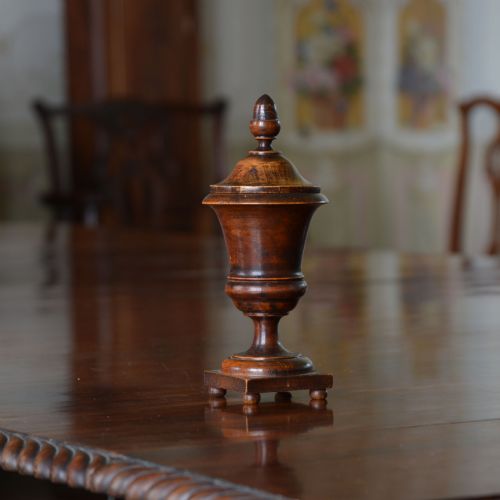


Georgian Wooden Vase
A georgian wooden vase is a turned wooden vessel or spill holder from the eighteenth century, prized by collectors for its warmth and utility.
Georgian Wooden Vase
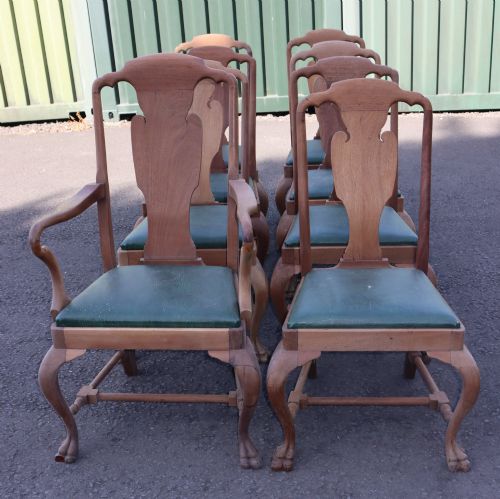
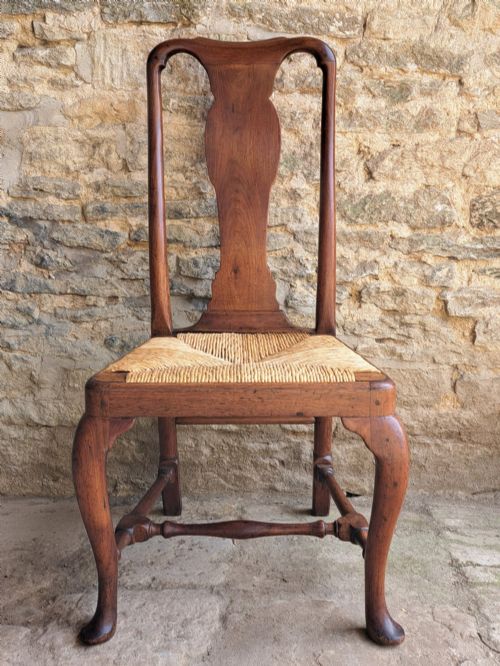
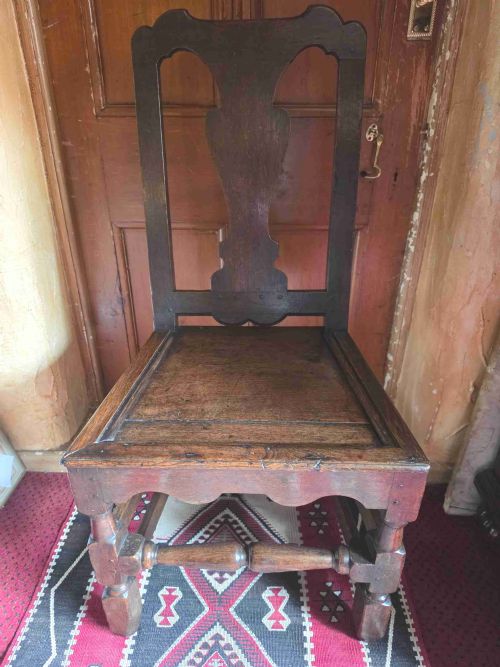
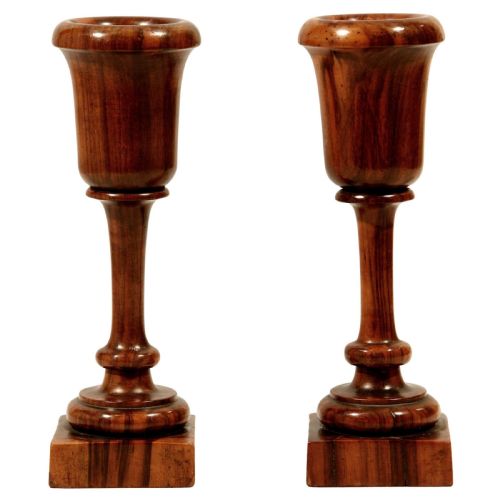
When searching for a georgian wooden vase, you encounter turned treen vessels, spill holders, and decorative urns from the eighteenth century alongside chairs and tables. The evidence shows these turned pieces sit alongside larger seating and occasional tables spanning the Georgian period and later revivals. Buyers find campana urns and simple spill stems made for domestic use.
Materials and turning techniques
The makers of these wooden vessels worked with dense hardwoods like mahogany, oak, walnut, yew wood, fruitwood, and lignum vitae. These timbers were selected for their fine grain and stability when subjected to the lathe.
Turning on a lathe shaped the profile of each vase and spill holder, creating symmetrical rings, flared rims, and sturdy bases. Artisans utilised the natural figure of the timber, leaving the grain exposed to enhance the decorative appeal of the object.
Judging the quality of turned treen
Quality in a wooden vase depends upon the crispness of the turning and the choice of timber. Pieces showing well-defined profiles and rich grain patterns display superior craftsmanship compared to simpler, plain-turned examples.
The patination and surface colour achieved over centuries dictate the visual depth of the object. Examples that retain a warm, polished lustre without heavy restoration hold greater appeal for collectors of early treen.
The Georgian Wooden Vase Glossary
- Treen
- Small handmade wooden domestic objects. These include items like spill vases, bowls, and small containers.
- Campana
- A bell-shaped vessel form. This classical silhouette appears frequently on turned urns and vases.
- Spill vase
- A small container for holding taper matches. These cylindrical holders sat on mantelpieces for lighting pipes and candles.
- Lignum vitae
- A dense, heavy tropical hardwood. Turners utilised this durable timber for items requiring fine detail and weight.
Georgian Wooden Vase: Frequently Asked Questions
What is a wooden spill vase used for?
These small vessels held thin wooden spills used to transfer fire from the hearth to candles or pipes.
Over time, they transitioned from practical fireplace accessories into decorative mantel ornaments collected for their timber patination.
How do I care for antique treen?
Keep wooden vases away from direct heat sources and sudden humidity changes to prevent the timber from splitting.
Apply a light microcrystalline wax occasionally to nourish the surface and maintain the natural lustre of the grain.
What woods were used for these vases?
Turners selected dense native and exotic hardwoods such as mahogany, oak, walnut, yew wood, fruitwood, and lignum vitae.
Each timber offered distinct colour and grain characteristics that reacted differently to lathe turning and polishing.
How can I tell the age of a turned vase?
Dating relies on tool marks, timber choice, and the overall profile relative to known eighteenth-century decorative forms.
Wear patterns around the base and the depth of the surface patination also offer clues to the period of manufacture.