
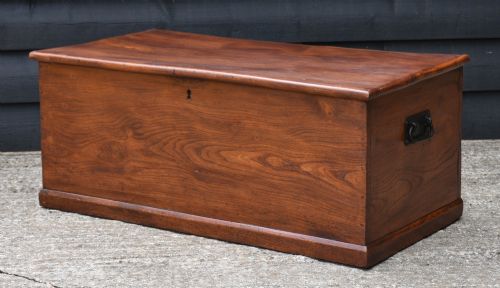
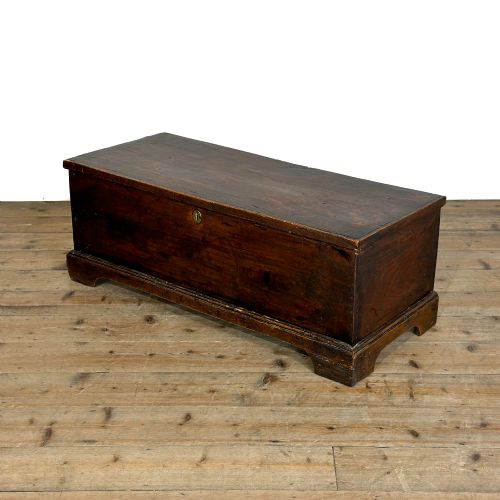


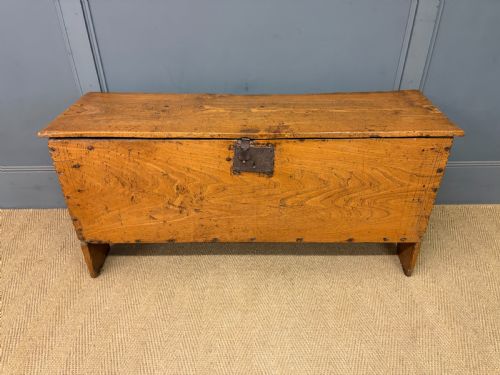
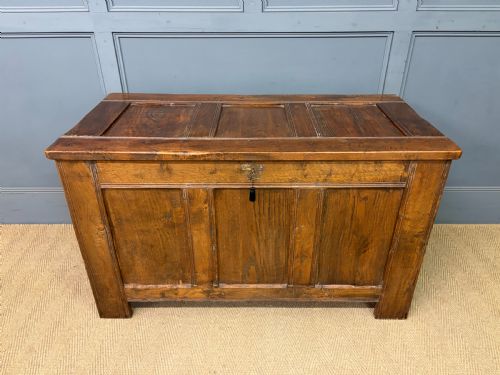
Georgian Wooden Trunk
A georgian wooden trunk is a sturdy storage piece built from timber, offering deep utility and period character for any interior.
Georgian Wooden Trunk
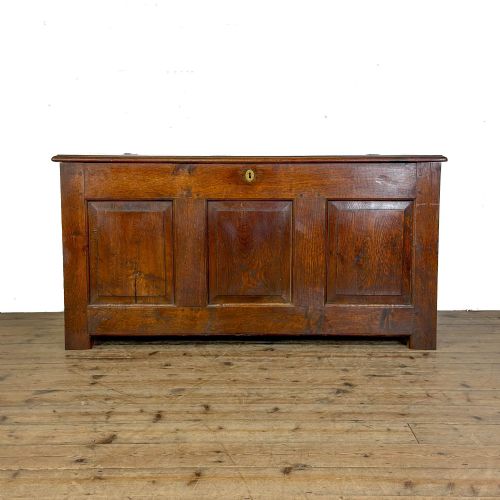
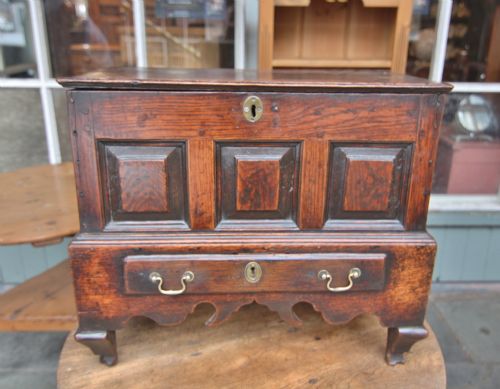
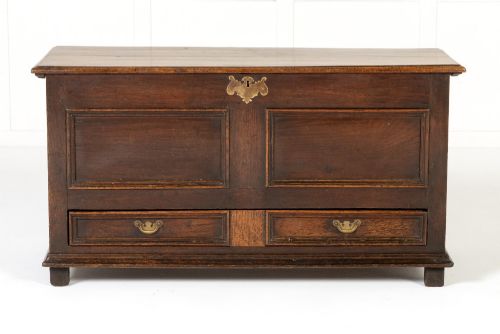
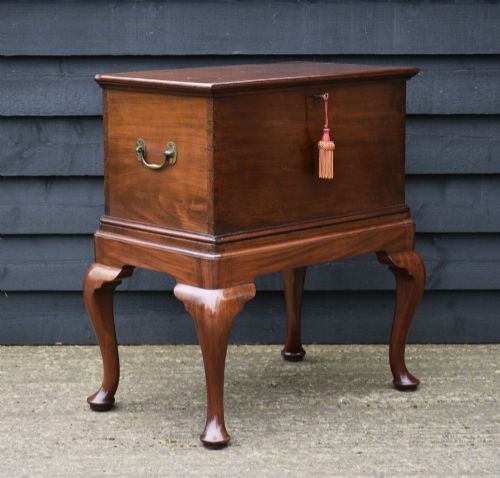
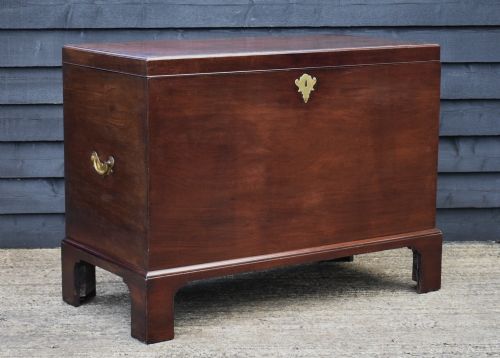
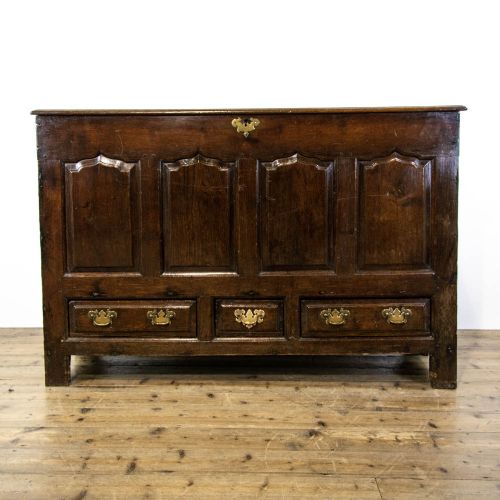
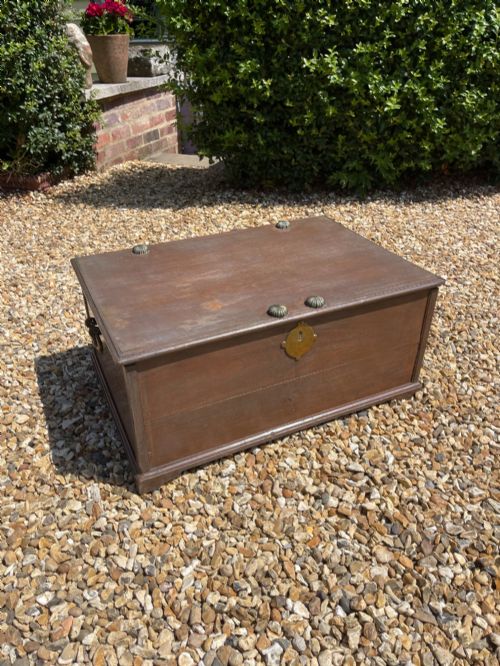
A georgian wooden trunk encompasses robust storage items including coffers, mule chests, blanket boxes, and travelling chests originating from the eighteenth and nineteenth centuries. These pieces reflect domestic and regional storage needs across Wales and England, utilising traditional regional cabinet-making methods.
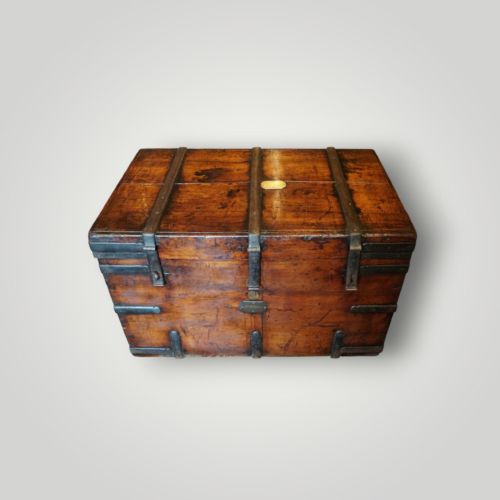
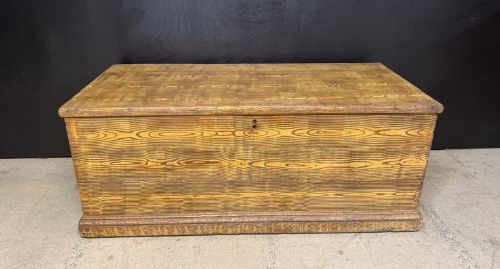
Buyers most frequently encounter oak coffers and mule chests bearing the hallmarks of Georgian vernacular design. Pieces incorporate regional variations such as Welsh country construction alongside mahogany military boxes and pine blanket chests.
Materials and Construction
Construction relies heavily on native timbers such as oak, elm, pine, and mahogany, frequently reinforced with brass hinges, iron mounts, and structural locks. Panels are joined using traditional methods suited to heavy daily use and long-term durability.
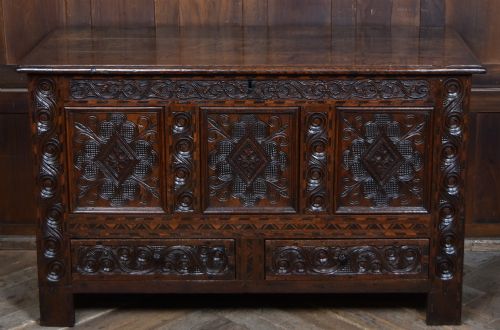
Surfaces receive various finishes ranging from natural waxed timber and carved details to original paint and burr elm veneers. Iron and brass hardware secure corners, lids, and lifting handles on travelling and military variants.
Georgian Wooden Trunk Retail Price Guide 2026
Typical asking prices for georgian wooden trunk among the pieces listed under this phrase on Sellingantiques today, from the lower quarter to the upper quarter. They describe what is for sale here now, not the wider market.
Listings feature oak, pine, elm, and mahogany across eighteenth and nineteenth-century periods, including Welsh vernacular styles and military boxes.
Quality and Detail
The standard of a georgian wooden trunk depends upon the selection of timber, such as figured mahogany or well-figured burr elm panels, coupled with the crispness of hand-carved details. Superior examples maintain original hardware, hinges, and internal till boxes.
Proportion and structural integrity separate standard utility boxes from finer regional pieces. Refined pieces exhibit careful dovetailing, uncompromised timber thickness, and authentic period surfaces rather than later alterations.
The Georgian Wooden Trunk Glossary
- Coffer
- A large wooden chest traditionally used for storing valuables, textiles, or documents. These storage items form the backbone of early vernacular furniture.
- Mule Chest
- A storage chest featuring one or more drawers beneath the main compartment. This form bridges the gap between the simple blanket chest and the modern chest of drawers.
- Coffer Bach
- A small Welsh miniature chest, literally translating to little coffer. These diminutive pieces served as miniature storage units or apprentice pieces.
- Military Chest
- A sectional travelling chest designed for transport by officers on campaign. They typically feature recessed brass handles and reinforced corners.
Georgian Wooden Trunk: Frequently Asked Questions
What is a mule chest?
A mule chest is a storage chest featuring one or more drawers built into the base beneath the main lift-top compartment. This hybrid design emerged to provide easier access to smaller garments without needing to unload the entire top section.
These pieces date frequently to the eighteenth century and display strong regional joinery, particularly in Welsh and English country workshops.
How do I date an old wooden trunk?
Dating relies on examining construction techniques, timber species, hardware, and tool marks visible on the interior and underside. Hand-forged iron nails, dovetail joints, and original brasses indicate specific manufacturing periods.
Styles evolved from heavy carved oak panels in the early eighteenth century towards lighter mahogany and pine forms by the nineteenth century.
Where were these trunks used?
These trunks served primarily in domestic settings such as bedrooms, hallways, and living spaces for storing heavy blankets, linen, and family valuables. Military variants travelled extensively with officers on campaign.
Vernacular pieces remained central to country homes and farmhouses for daily household storage.
How do I care for antique timber?
Maintain antique timber by keeping it away from direct heat sources and drastic humidity fluctuations that cause wood to split. Apply microcrystalline wax sparingly to nourish the wood surface.
Avoid modern silicone polishes which damage traditional wax and oil finishes over time.