
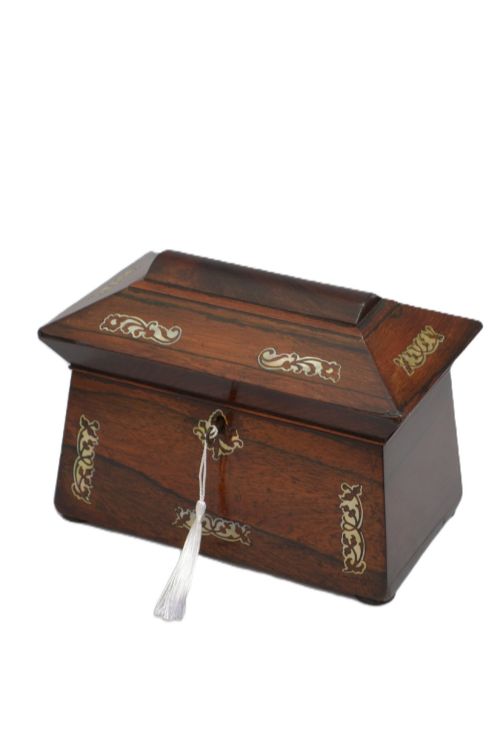
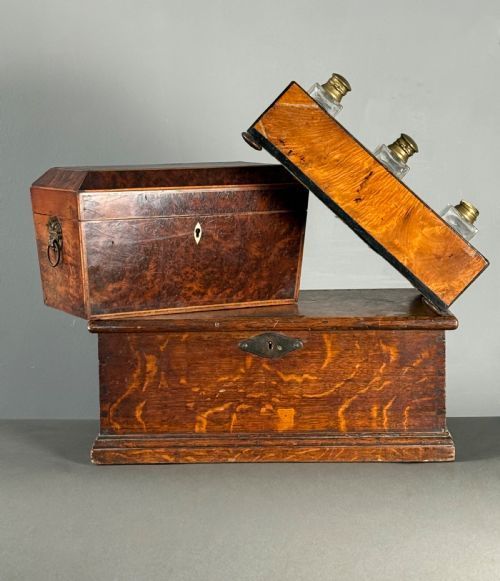
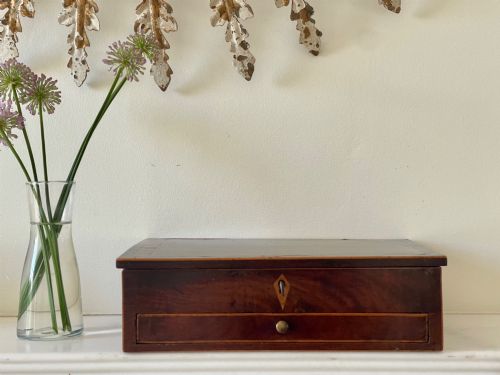
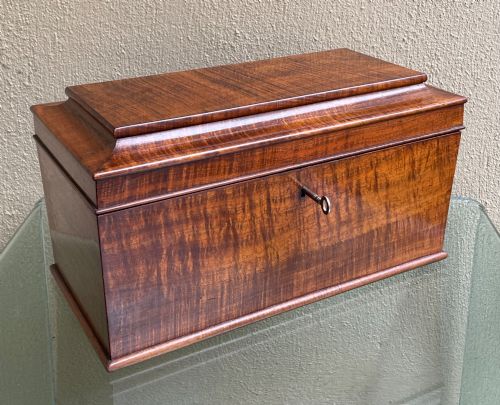
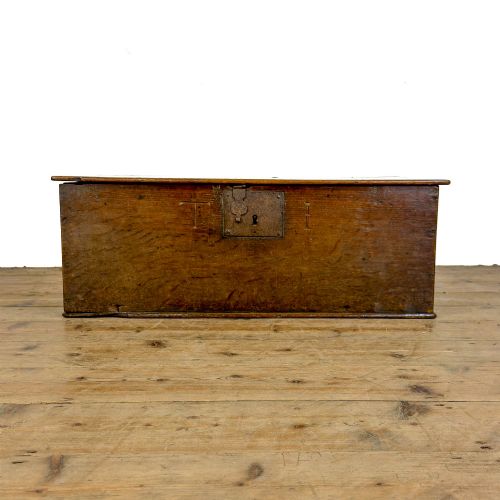
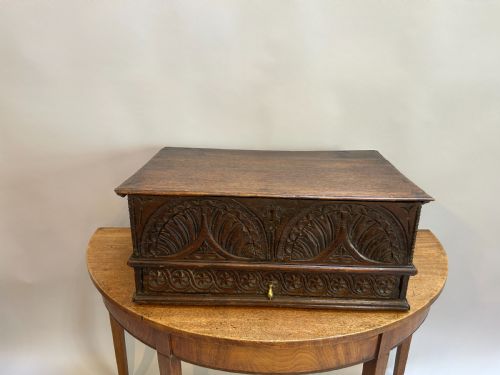
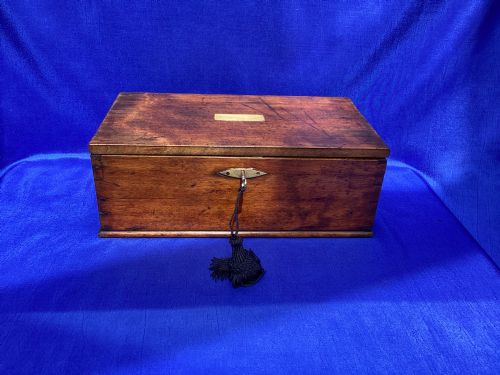


Georgian Wooden Keepsake Box
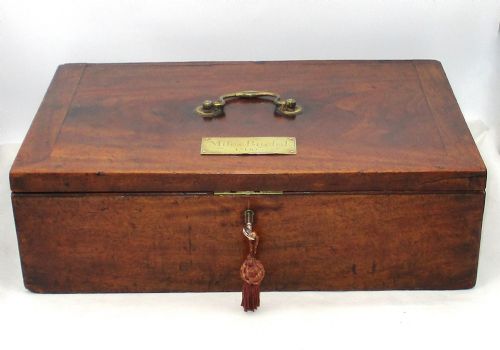
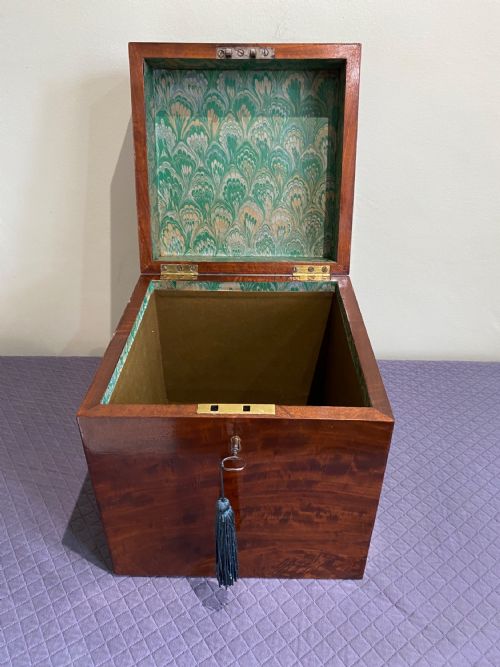
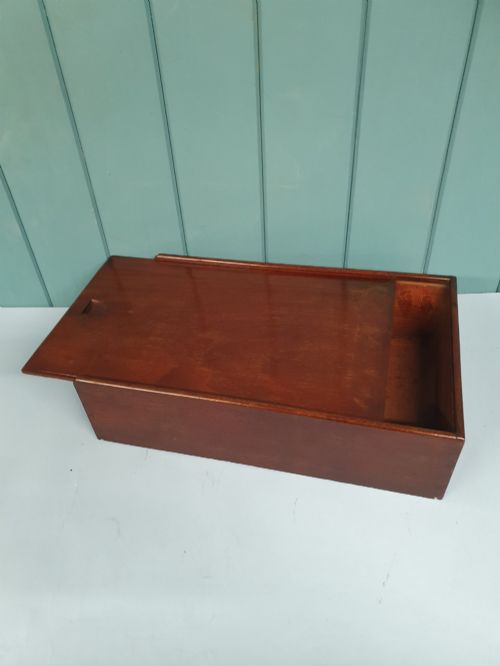
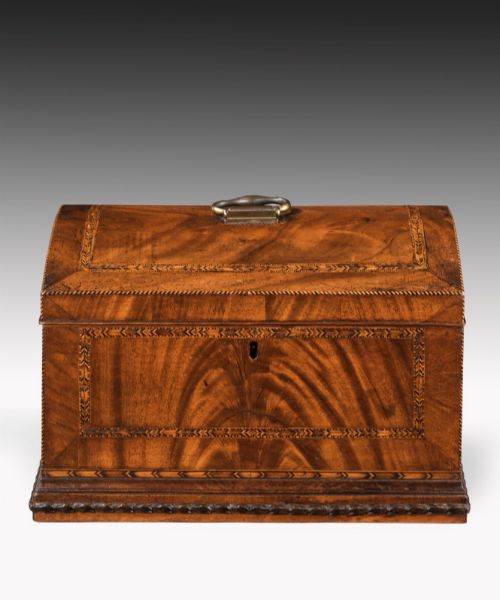
A georgian wooden keepsake box holds personal treasures, forged from mahogany, rosewood and oak through centuries of fine cabinet-making.
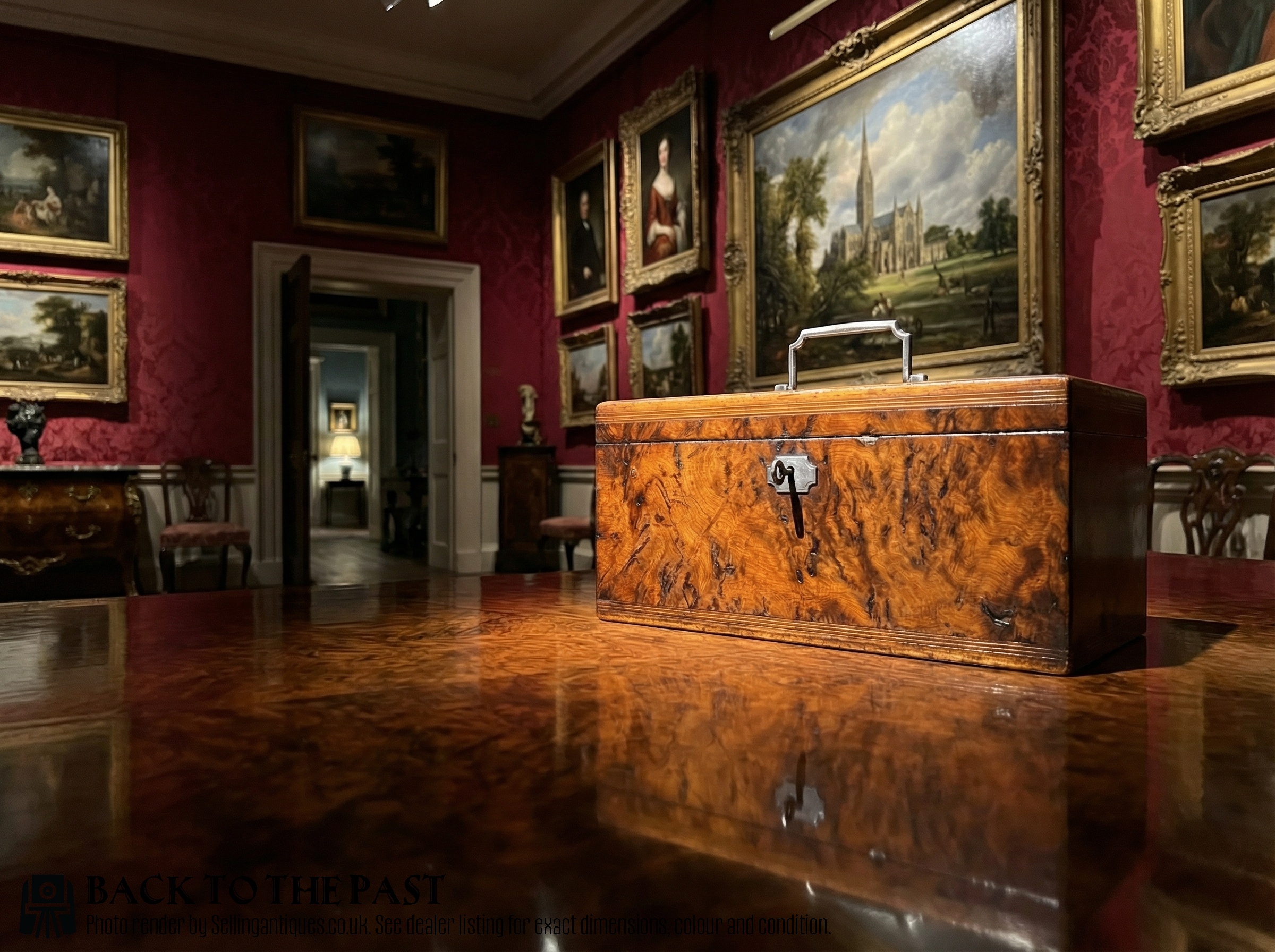
Georgian Wooden Keepsake Box
A georgian wooden keepsake box encompasses a varied range of small domestic containers fashioned for storage, correspondence and personal finery. Buyers exploring this selection encounter pieces originating primarily from the Georgian, Regency, and eighteenth or nineteenth centuries.
The assortment spans utilitarian deed storage and document boxes to ornate jewellery caskets, tea caddies, and sewing chests. Mahogany forms the predominant timber, accompanied by rosewood, satinwood, yew, and oak.
Origins trace through English workshops utilising traditional joinery, with decorative variations appearing in brass mounts, bone details, and penwork finishes.
Materials and Technique
Cabinet-makers constructed these boxes from dense hardwoods such as mahogany, rosewood, and oak, often selecting figured veneers like flame mahogany, burr walnut, and burr yew for visible surfaces. Panels were joined with precise dovetailing to ensure structural stability over centuries of handling.
Artisans integrated contrasting elements including boxwood stringing, bone details, mother of pearl, and ebony inlay. Metalwork played a functional and decorative role, incorporating brass carrying handles, escutcheons, and bound edges.
Craftsmanship and Survival
The caliber of a piece rests upon the selection of timber and the precision of its veneers. Highly figured grains and harmonious inlay demonstrate superior workshop execution.
Survival of original surface finishes, interior linings, and working brass hardware elevates an example above altered or heavily restored counterparts.
The Georgian Wooden Keepsake Box Glossary
- Tea caddy
- A container designed to store tea leaves securely, often featuring internal compartments or canisters. These boxes frequently utilised lockable lids to protect expensive imported tea.
- Penwork
- A decorative technique utilising fine ink drawings on a light wood surface, such as satinwood, to create intricate pictorial scenes or geometric borders. It flourished during the Regency period.
- Document box
- A rigid container built to hold deeds, letters, and important papers flat and secure. They often include internal partitions or lift-out trays.
- Dovetail
- A traditional wood joint formed by interlocking wedge-shaped fingers, prized for its tensile strength in box construction. It provides reliable corner binding without reliance on modern adhesives.
- Escutcheon
- A protective metal plate surrounding a keyhole, usually cast in brass. It guards the surrounding wood from wear caused by the insertion of a key.
Georgian Wooden Keepsake Box: Frequently Asked Questions
What were georgian wooden keepsake boxes used for?
These vessels served diverse domestic functions, acting as secure receptacles for correspondence, jewellery, tea, and sewing implements. Wealth households relied on them to keep valuable personal items organised and protected.
Many featured lockable mechanisms to safeguard sensitive documents or precious metals. Over time, their utility evolved as owners repurposed them for general keepsakes and collections.
How do I identify a Regency box?
Regency boxes typically exhibit distinct decorative elements influenced by classical revival styles, such as brass banding, penwork designs, and exotic veneers like rosewood. Cabinet-makers favoured sharp geometric lines and contrasting inlay during this era.
Hardware tended to be bolder, with recessed brass ring handles and sophisticated escutcheons. The overall aesthetic shifted towards refined display rather than simple utility.
Are these boxes suitable for daily use?
These containers handle light modern storage well, provided they are placed in stable environments away from direct heat and moisture. Interior compartments accommodate modern trinkets, letters, or jewellery safely.
Care should be taken with antique hinges and locks, which may require gentle handling. Using them for everyday organisation connects modern spaces with historic craftsmanship.
What is flame mahogany?
Flame mahogany refers to a distinctive wood grain pattern that resembles flickering flames, harvested from the fork where branches met the main trunk. Cabinet-makers prized this veneer for principal exterior surfaces.
Its striking visual depth makes boxes featuring this grain highly decorative. The pattern is achieved through careful slicing and bookmatching across the lid.