


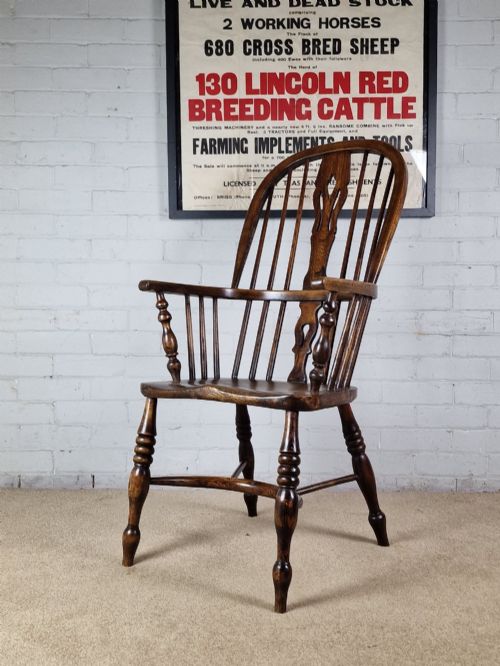
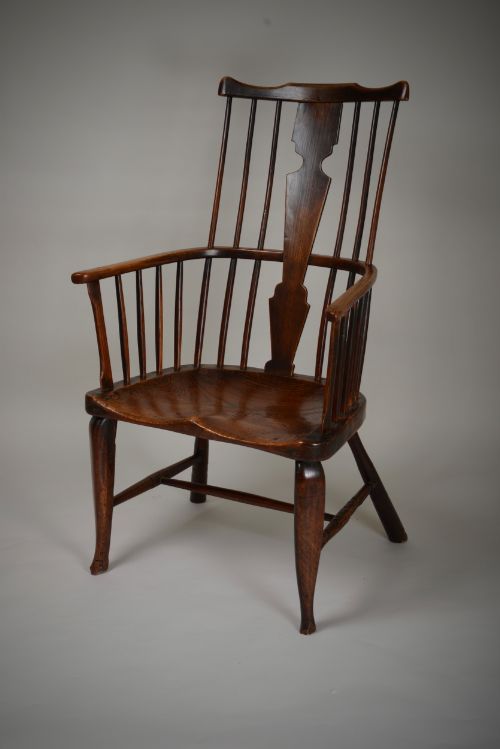
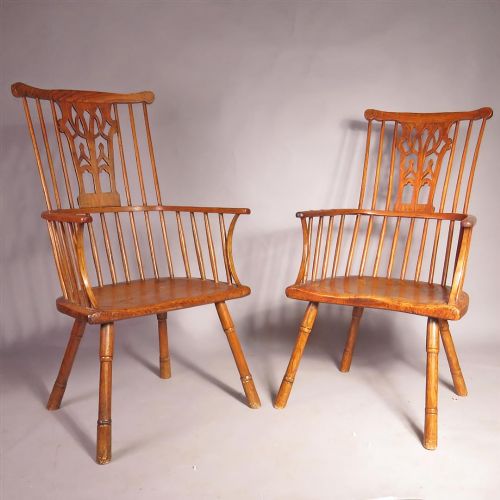
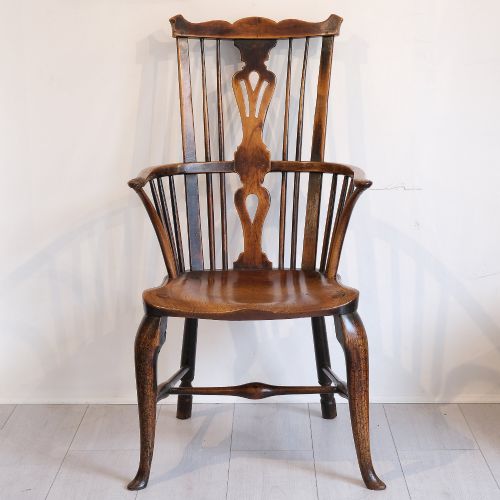
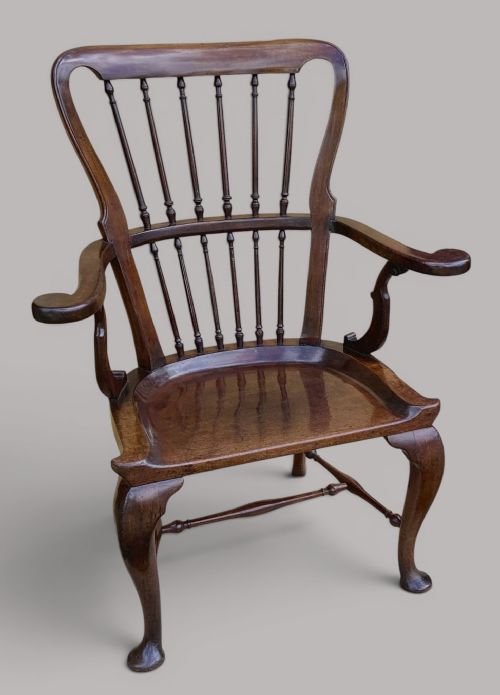
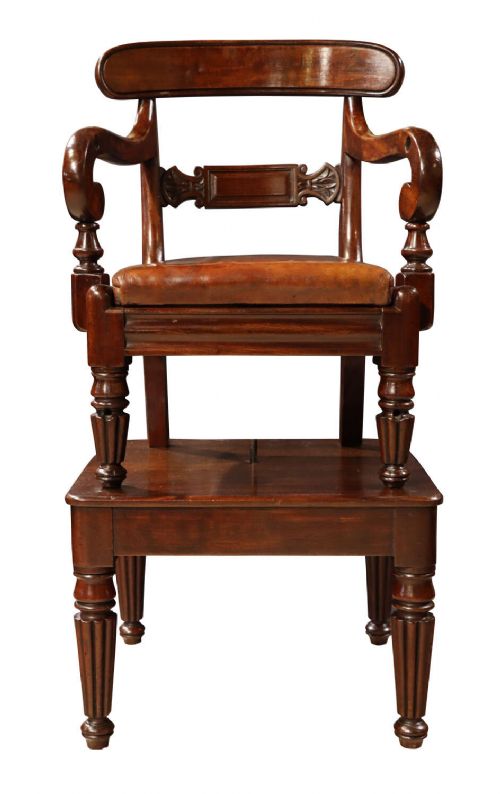
Georgian Wooden High Chair
A georgian wooden high chair is a sturdy piece of domestic seating designed to elevate a child to table height, prized for honest vernacular construction.
Georgian Wooden High Chair
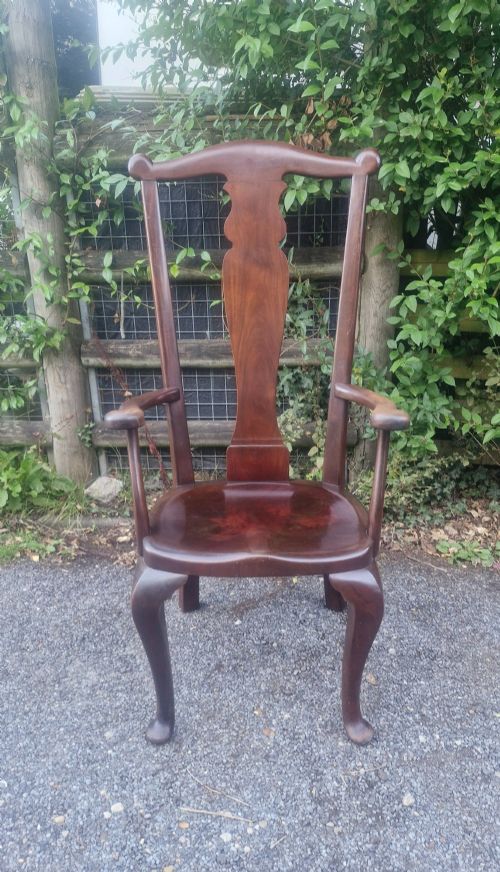
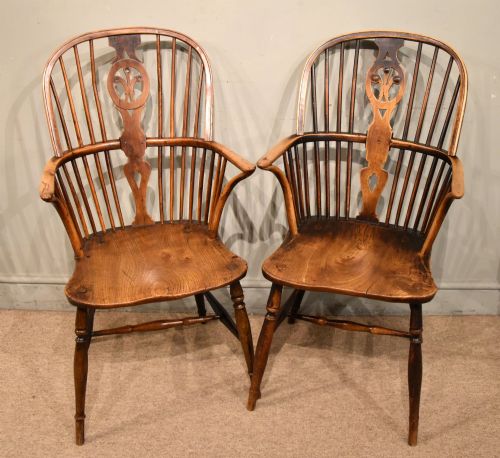
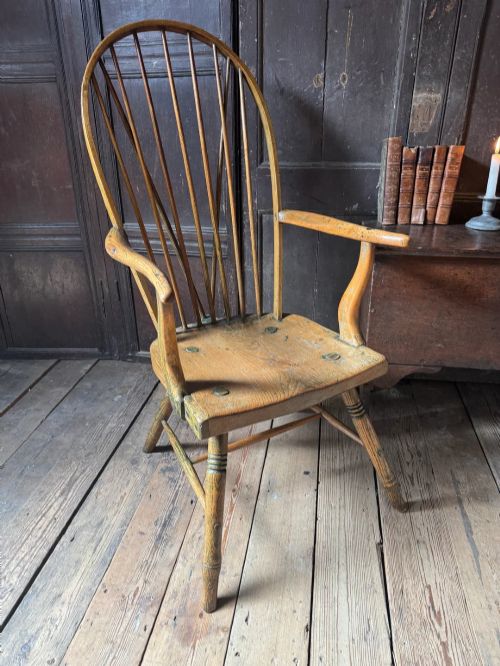
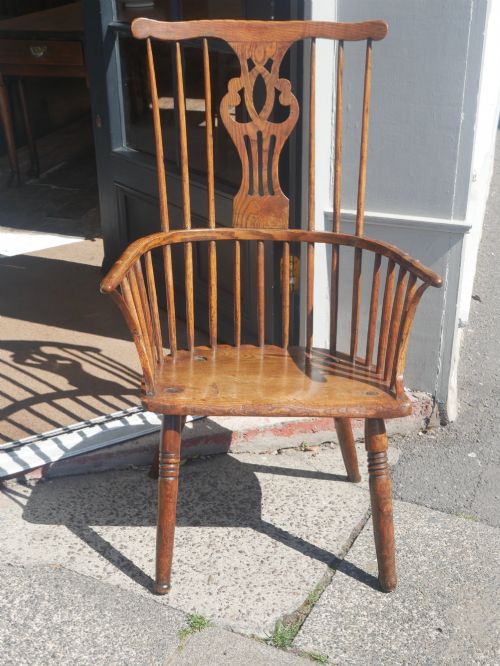
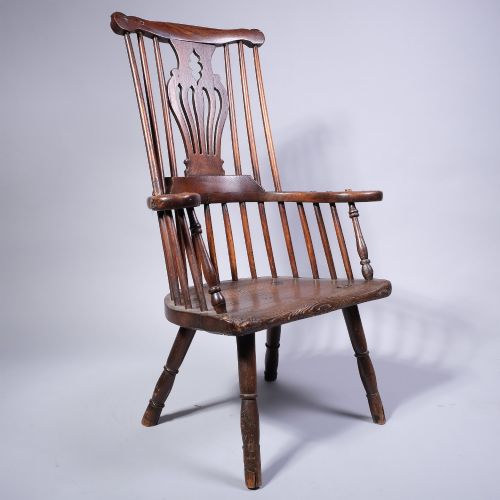
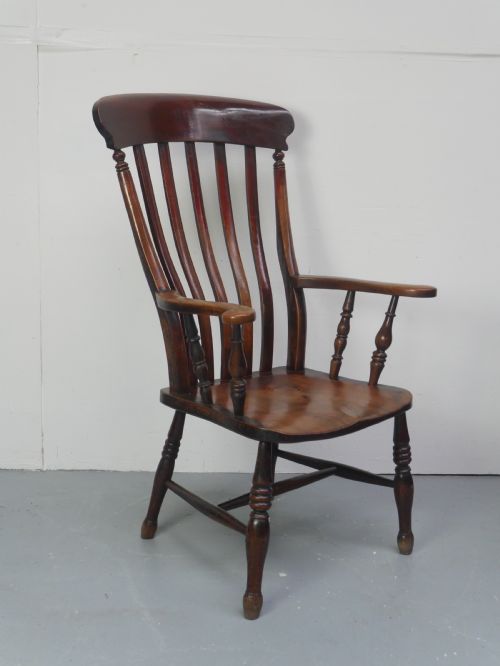
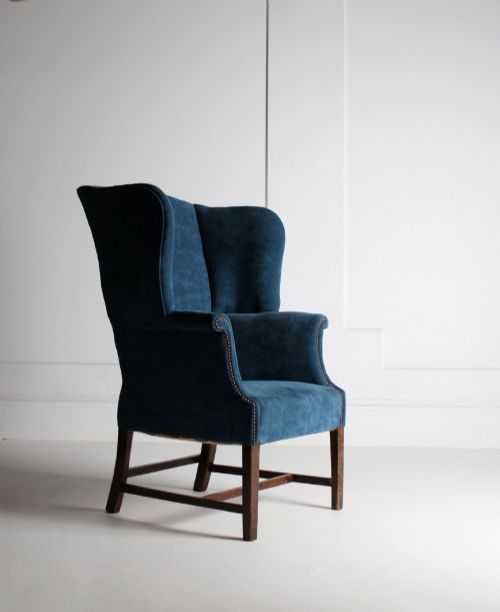
A georgian wooden high chair brings domestic history into focus through juvenile seating built with the same care as full-sized furniture. The pieces seen here span the Georgian era alongside related 18th century and 19th century examples, drawing upon English country traditions.
Forms range from simple ladderback high chairs fitted with rush seats to miniature Windsor types featuring hoop backs and comb backs. Makers adapted adult seating designs to suit children, creating practical furniture for family dining.
How they were made
Constructed primarily from native timbers, these chairs combine woods such as elm, ash, yew, oak, and fruitwood to serve different structural needs. Turners and joiners utilised denser woods for legs and spindles while selecting flexible timbers for bent parts like hoops.
Traditional woodworking methods relied on mortise and tenon joints alongside steam bending for curved components. Surfaces remained natural or finished with simple coatings that highlighted the grain of the timber.
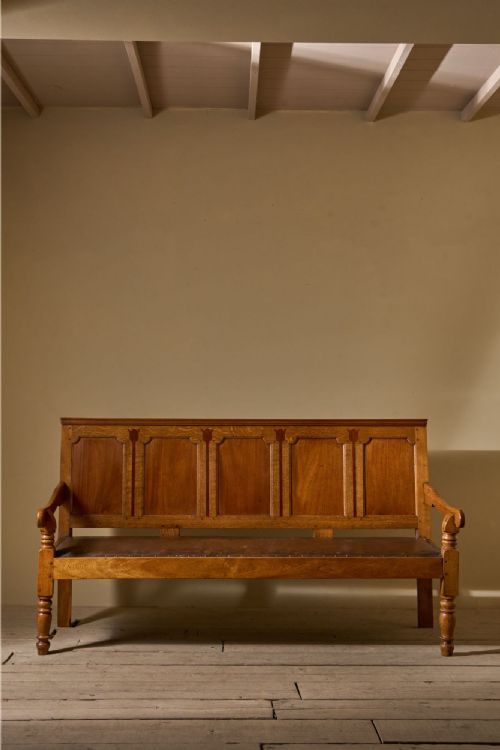
Listings feature elm, ash, yew, oak, mahogany, beech, and fruitwood across Georgian, Regency, and Victorian periods.
What varies in quality
Quality rests upon the selection of timber and the harmony of the proportions. Chairs that pair rich yew or figured elm with balanced turnings display a higher grade of craftsmanship than simpler utility pieces.
The integrity of the construction and the retention of original surfaces dictate the standing of a piece. Subtle details in the spindle turning and the execution of the bentwood back separate standard workshop output from finer country work.
The Georgian Wooden High Chair Glossary
- Comb back
- A Windsor chair variation where the vertical spindles extend through a horizontal crest rail, resembling the teeth of a comb.
- Hoop back
- A continuous curved wooden rail forming the upper back and arm support of a Windsor chair, often steam-bent from a single piece of ash or elm.
- Vernacular
- Everyday furniture made by regional craftsmen for local use, following traditional local patterns rather than metropolitan high styles.
- Ladderback
- A chair back constructed from horizontal slats set between two upright posts, commonly found on simpler farmhouse seating.
- Rush seat
- A woven seating surface made from dried marsh grasses twisted into cords, providing a resilient base for wooden chairs.
Georgian Wooden High Chair: Frequently Asked Questions
How were these high chairs used?
These chairs elevated young children to table height during family meals, keeping them secure while adults dined.
They served practical daily service in domestic kitchens and dining rooms across generations of rural and urban households.
How do I live with a high chair?
Place the chair as a decorative accent in a hallway, kitchen, or living space where its timber grain and form can be appreciated.
Keep wooden seating away from direct heat sources and sudden humidity changes to protect the original dry timbers.
How do I tell periods apart?
Examine the turning styles, joinery techniques, and timber choices to distinguish 18th century work from later 19th century examples.
Earlier pieces often display more robust local timber combinations and hand-carved elements compared to later standardised production.
What woods were commonly used?
Craftsmen utilised native British hardwoods such as elm for seats, ash for bent parts and spindles, and yew for decorative grain.
Combinations of multiple woods within a single chair reflect the traditional practice of using the best local material for each component.