
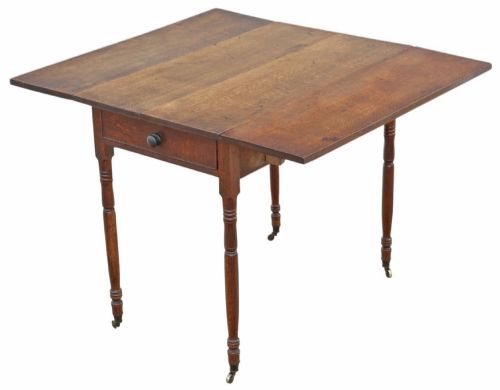
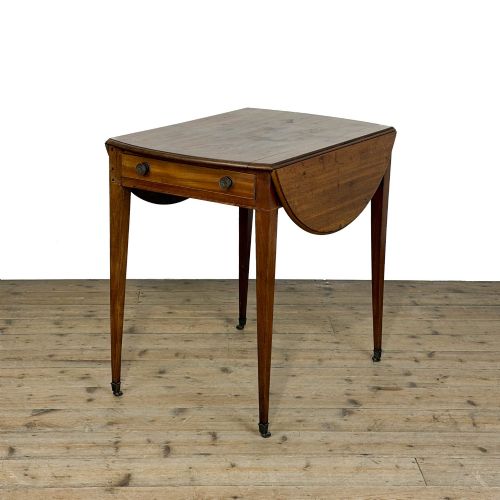
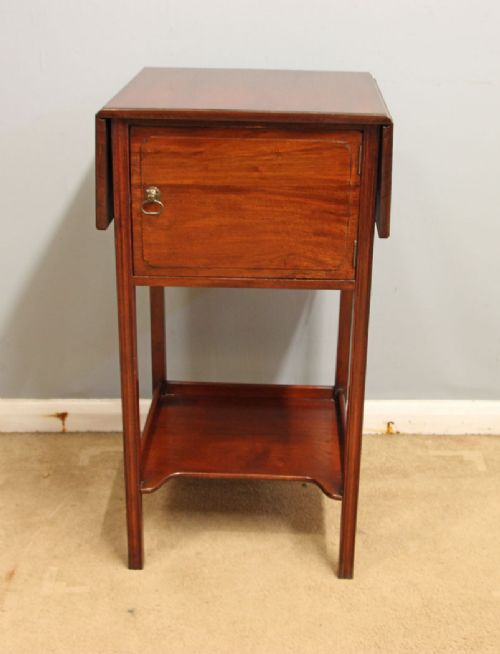
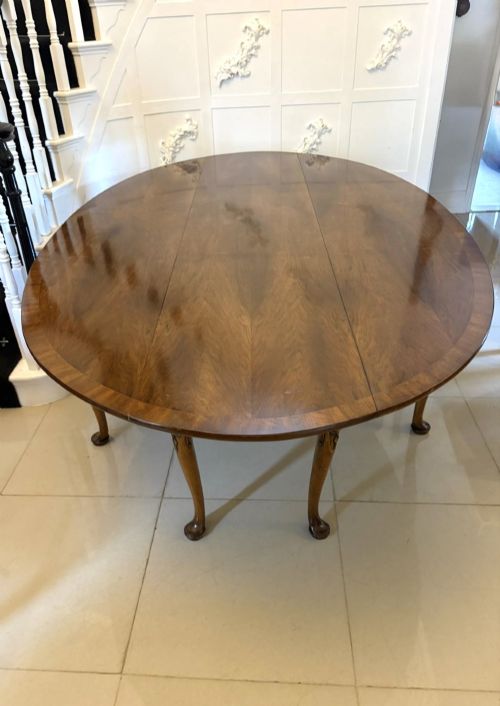


Georgian Wooden Drop Leaf Table
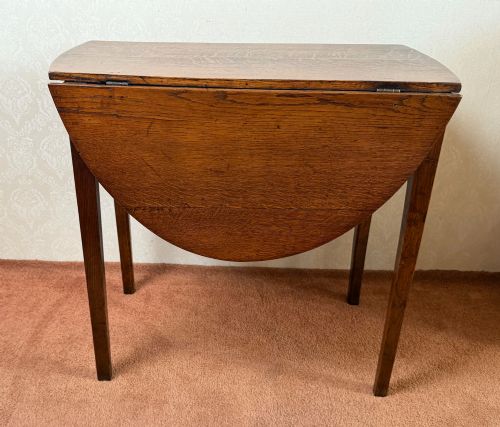
A georgian wooden drop leaf table offers clever space-saving design paired with rich timber grain.
Georgian Wooden Drop Leaf Table
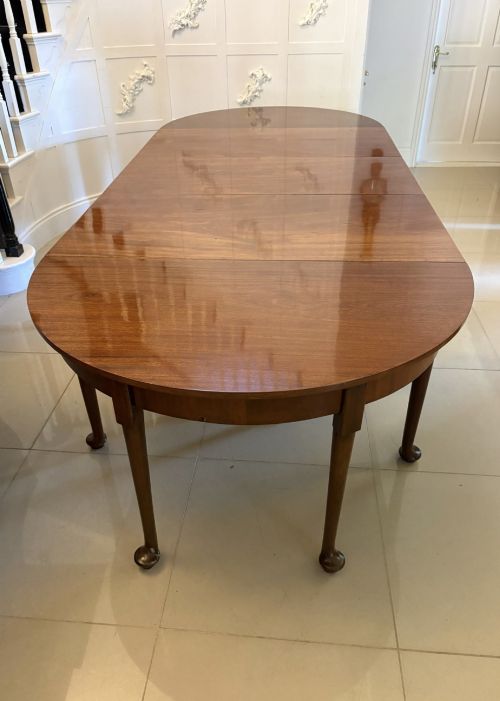
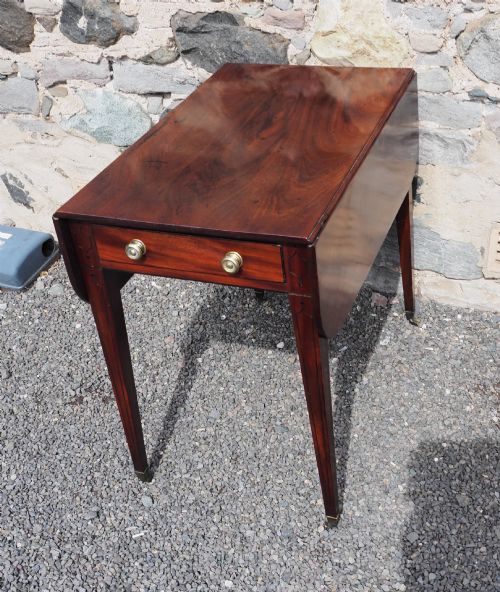
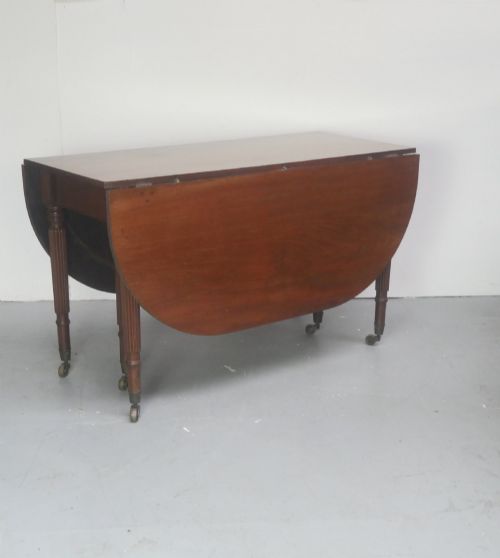
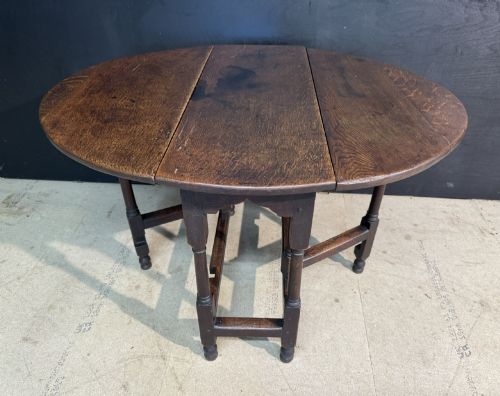
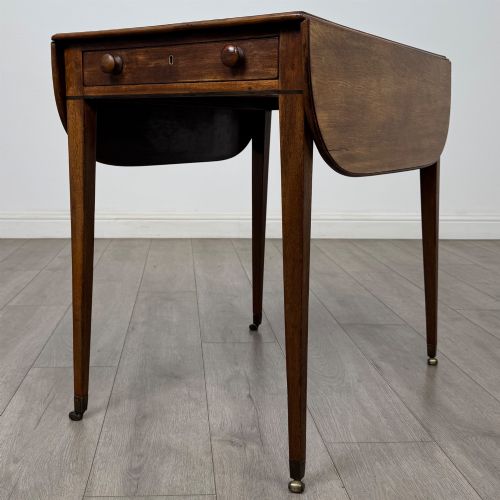
When you search for a georgian wooden drop leaf table, you encounter versatile folding furniture designed to expand when meals or writing require extra surface area. These pieces drop their hinged flaps down the sides to hug a wall when not in use. The selections here span dining formats, pembroke tables, and compact gateleg designs.
The versions most common on this page date from the eighteenth and nineteenth centuries, with particular emphasis on the Georgian and Regency eras. Makers constructed them in forms ranging from small kitchen dining tables to delicate lamp and side tables. Timber choices run from traditional oak and walnut to rich mahogany and occasional satinwood.
Materials and construction
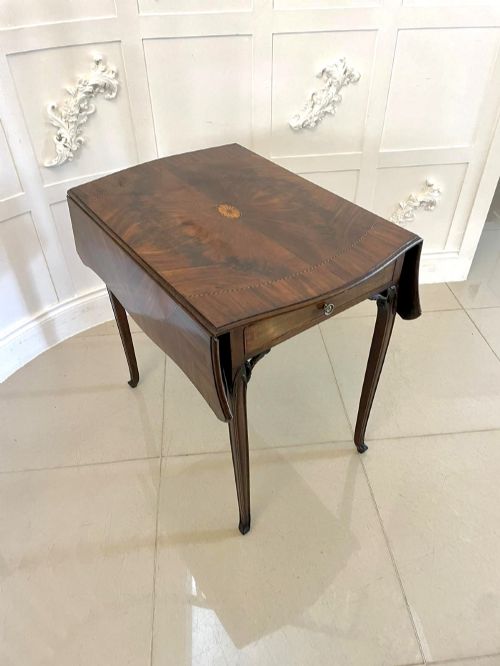
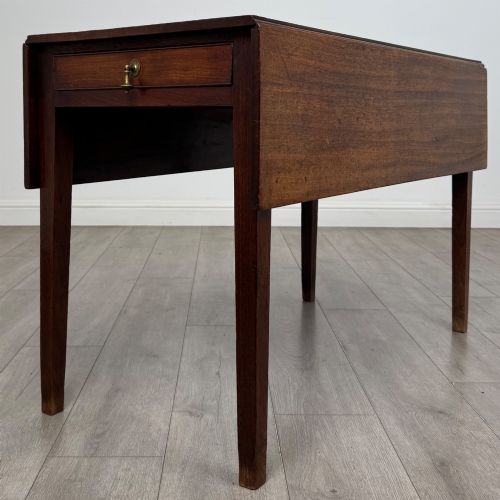
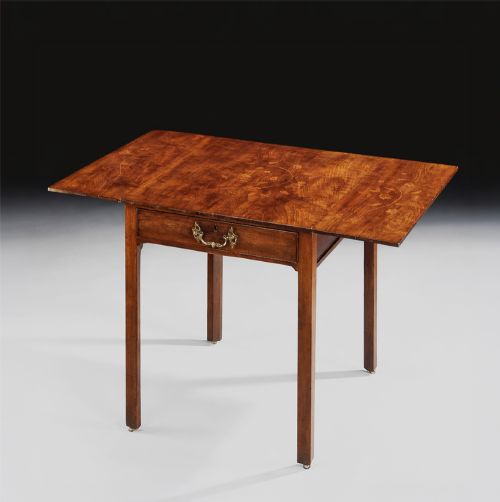
Cabinetmakers built these tables using solid hardwoods like mahogany, oak, and walnut, frequently selecting figured grains and flame veneers for top surfaces. Workshops applied wood inlay and marquetry details on select Georgian and Sheraton examples to create subtle decorative borders. Brass fittings, hinges, and drawer handles completed the functional hardware.
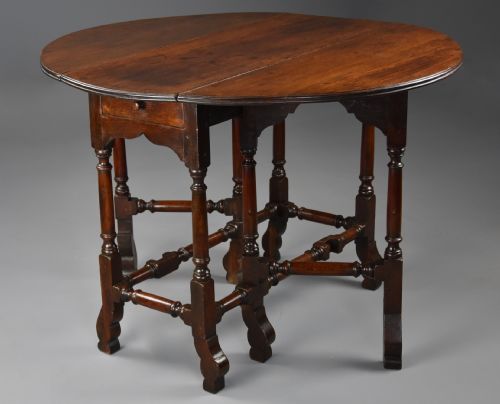
Joinery methods relied on sturdy gateleg actions and folding flap mechanisms to support the moveable leaves safely. Frame construction incorporated pegged joints and dovetailed drawers to handle the daily movement of dropping and raising leaves.
Listings feature oak, walnut, and mahogany timbers across 18th-century, Regency, and Victorian periods.
What separates the best examples
Quality rests heavily on the choice of timber and the depth of the finish, where faded patinas and fiddleback grain figures elevate an ordinary piece. Well-balanced proportions and original brass hinges or working locks distinguish superior examples from heavily altered stock.
The precision of the drop leaf mechanism and the stability of the folding legs dictate daily usability. Tables retaining original timber surfaces without excessive sanding demonstrate greater integrity and long-term character.
The Georgian Wooden Drop Leaf Table Glossary
- Pembroke table
- A small rectangular table featuring two hinged drop leaves on opposing sides, frequently fitted with a drawer. Cabinetmakers designed them for occasional use in parlours and bedrooms.
- Gateleg table
- A table equipped with hinged legs that swing outward to support folding leaves on either side. This framework provides robust support for dining proportions.
- Patina
- The soft sheen and surface depth developed on wooden furniture through age, light exposure, and handling. Collectors value original patinas for their warm visual character.
- Marquetry
- Decorative patterns formed by fitting contrasting veneer pieces into a prepared wooden ground. Artisans utilised this technique on tabletops and friezes.
- Flame mahogany
- A veneer cut from the branch junction of a mahogany tree, yielding a distinctive feather-like flame pattern. Makers reserved this decorative grain for prominent display surfaces.
Georgian Wooden Drop Leaf Table: Frequently Asked Questions
How did people use drop leaf tables?
Households placed these tables against walls or in corners with the leaves dropped to conserve floor space in smaller rooms. When dinner guests arrived or projects demanded workspace, individuals raised the leaves and swung the support legs into position.
Drawer-fitted variants also served for writing letters, holding sewing supplies, or storing silver cutlery close to hand. Their mobility allowed servants to shift them around the house as daily domestic needs changed.
How do I tell an 18th-century table from a 19th-century one?
Eighteenth-century examples often display simpler, robust gateleg frames in oak or walnut with hand-planed surfaces and minimal applied decoration. The timber grain tends to show deeper warmth and a softer, oxidised patina built up across generations of use.
Nineteenth-century pieces, including Regency and Victorian variations, frequently employ mahogany or satinwood with sharper machined joints and more intricate veneer work. Hardware style and secondary woods inside drawers also help date the period of manufacture more accurately.
Are these tables sturdy enough for daily dining?
Solid hardwood construction and traditional joinery make these tables remarkably resilient for regular meals and everyday tasks. The structural strength depends primarily on the condition of the folding leaf hinges and the swing-out legs.
Careful handling of the drop leaves prevents strain on the pivot points during opening and closing. Placing them away from direct heat sources protects the timber joints from drying out over time.