
Georgian Wooden Console Table
A georgian wooden console table brings enduring proportion and timber grain into a room, offering surface space built by hand in centuries past.
Georgian Wooden Console Table
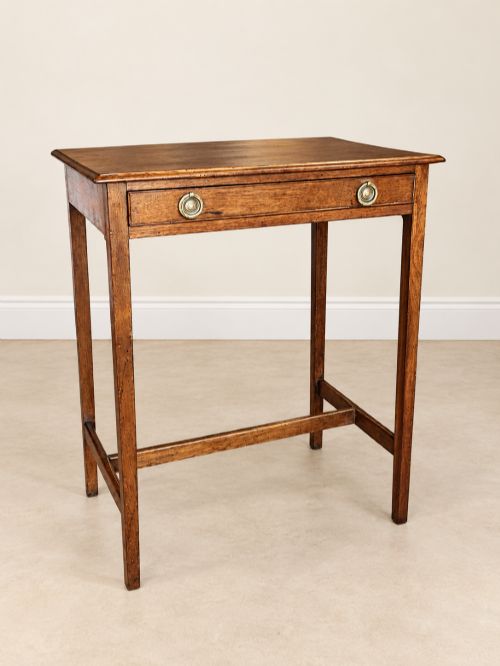
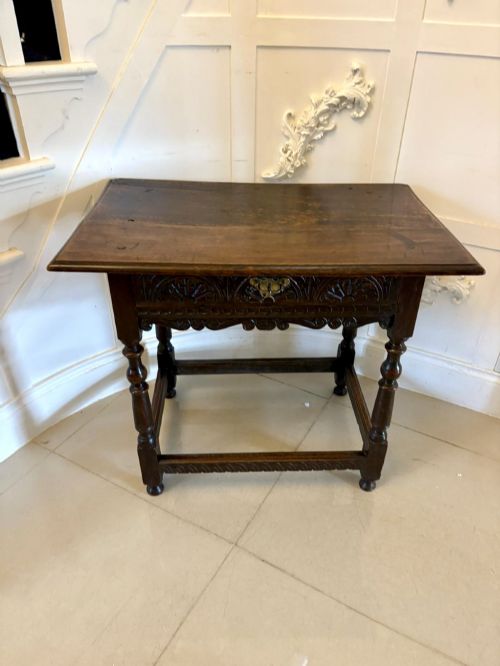
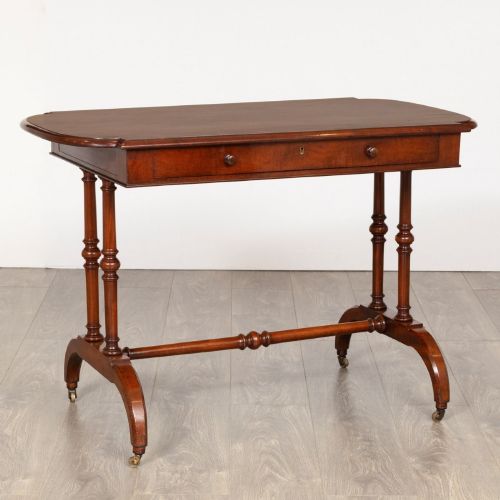
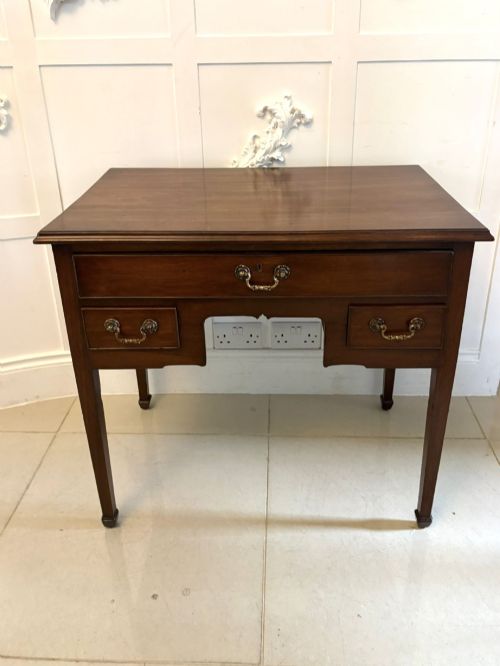
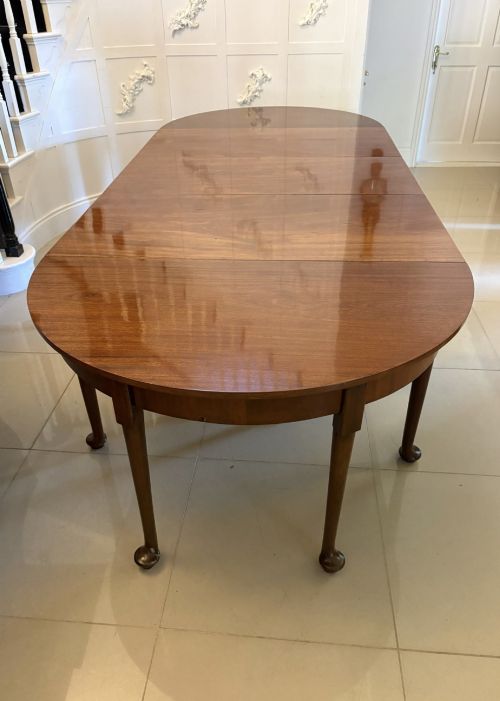
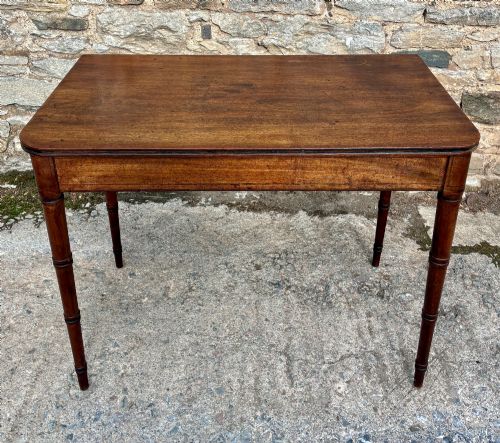
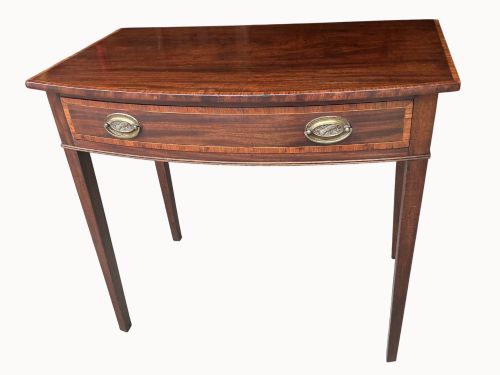
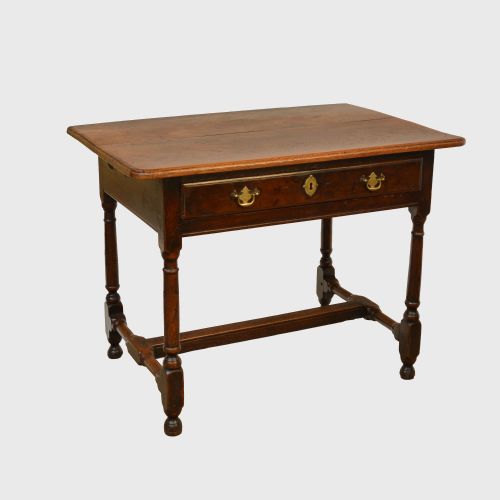
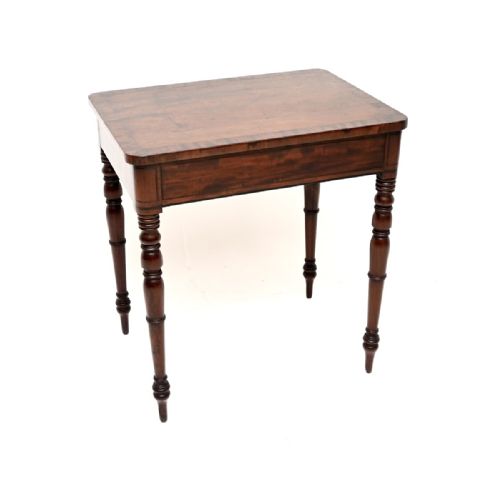
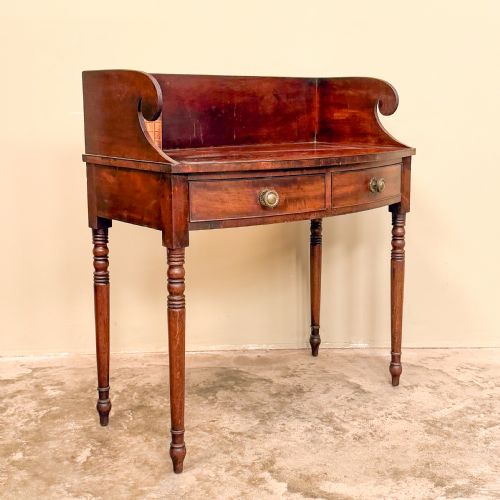
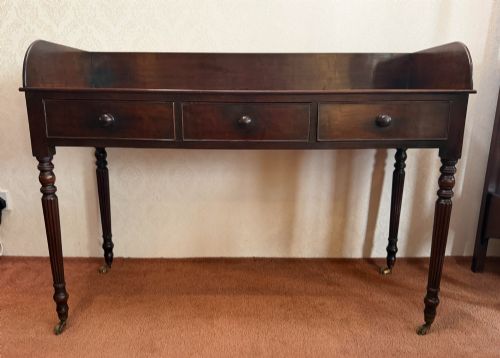
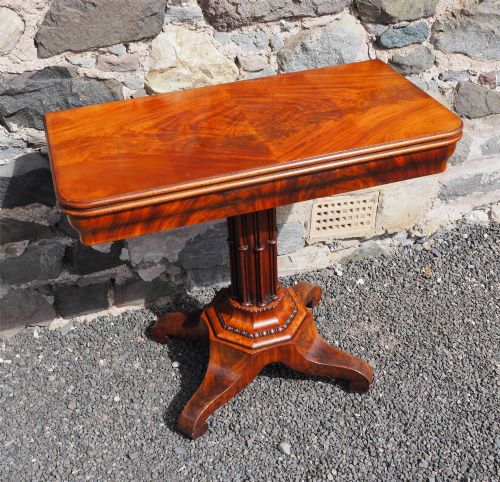
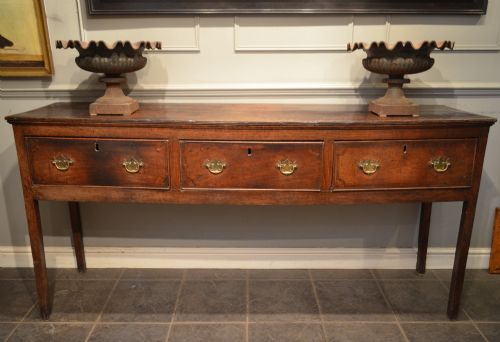
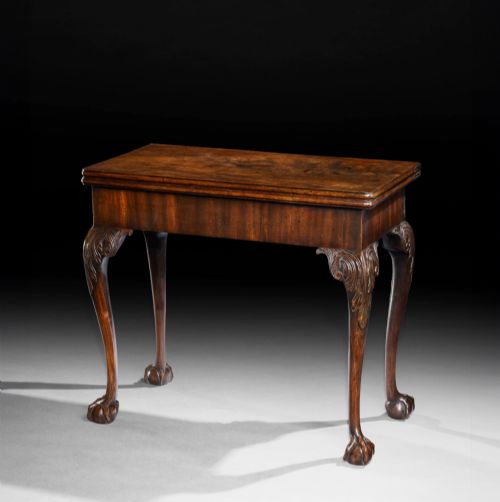
A georgian wooden console table typically presents as a side table, serving table, or lowboy originating from the eighteenth or nineteenth century. These forms include card tables, tea tables, and dresser bases rather than strictly fixed wall consoles, reflecting how cabinet makers adapted surfaces for domestic rooms.
The pieces appearing on this page span several decades and styles, including Sheraton, Regency, and Georgian Country. Oak, mahogany, and walnut dominate the selection, often shaped with straightforward rectangular tops or curved demi-lune fronts.
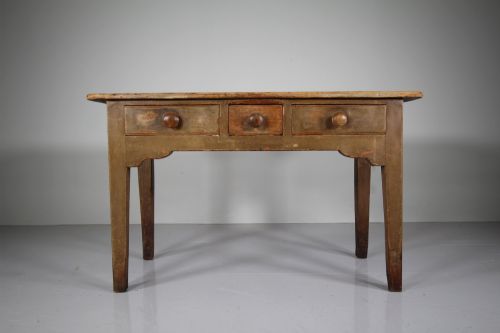
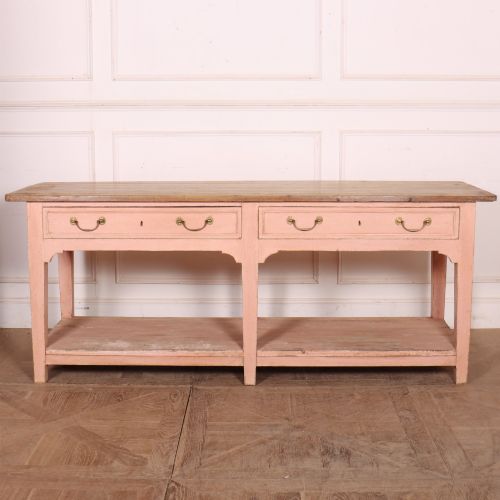
Buyers frequently encounter side tables and serving tables under this heading, constructed in oak or mahogany with varying drawer configurations. Each piece demonstrates the structural priorities of its period, whether built for utilitarian farmhouse use or refined parlour display.
Materials and construction methods
Cabinet makers utilised native and imported timbers, selecting mahogany, oak, walnut, elm, and pine for their specific grain patterns and structural resilience. Secondary woods like pine frequently appear in drawer linings and internal framing.
Joinery methods relied on hand-cut dovetails for drawers and tenoned framing to secure legs and rails. Timber boards were planed by hand, leaving subtle tool marks that confirm age and manual construction.
Surface decoration involved simpler techniques such as boxwood stringing, marquetry, and polishing with natural finishes to highlight the figured grain of flame mahogany or burr walnut.
Dairy prep tables occasionally slip into the collection, proving that sturdy pine and sycamore survived centuries of butter-churning to enter the drawing room.
Judging the quality of timber and joinery
Quality rests upon the selection of timber, particularly where figured mahogany or matched walnut veneers display an unbroken visual rhythm across the top. Superior examples maintain original timber surfaces with a rich patina developed through prolonged use.
Construction integrity separates standard utility pieces from fine cabinet work, seen in tight dovetailing, square joints, and unaltered leg structures. Alterations to timber, replaced hardware, or extensive restoration diminish the standing of an antique.
Proportion and restraint in design dictate the visual success of a piece. Finer examples balance leg thickness with top dimensions, avoiding clumsy proportions or heavy secondary timber replacements.
The Georgian Wooden Console Table Glossary
- Lowboy
- A small oak or walnut table featuring one or more rows of drawers, commonly used as a dressing or side table during the eighteenth century.
- Console table
- A table designed to stand against a wall, frequently supported by brackets or legs at the front.
- Dovetail
- A joint formed by interlocking wedge-shaped fingers, standard in drawer construction for strength.
- Flame mahogany
- Timber cut from the branch junction of a mahogany tree, displaying a dramatic feather-like grain pattern.
- Dresser base
- A heavy wooden sideboard featuring drawers and occasionally lower potboards, built for kitchen or dining room utility.
Georgian Wooden Console Table: Frequently Asked Questions
What is the difference between a console table and a side table?
A console table is traditionally designed to stand directly against a wall, sometimes requiring fastening for stability. Side tables are free-standing items meant to sit adjacent to seating or walls.
In historical listings, these terms often overlap because makers adapted similar four-legged rectangular forms for multiple household functions.
How can I tell if the wood is mahogany or oak?
Mahogany displays a reddish-brown hue with straight or highly figured grain patterns that catch the light. Oak is paler and heavier, characterised by prominent growth rings and silver medullary rays.
Both timbers were widely used across different periods, with oak prevailing in country pieces and mahogany favoured in formal town furniture.
Were these tables used in dining rooms?
Serving tables and larger sideboards were placed in dining spaces to hold dishes and silverware before meals. Smaller tables served tea or held lighting.
Domestic layouts were flexible, allowing multi-purpose furniture to move between parlours, halls, and dining chambers.
How do I care for an antique wooden surface?
Keep wooden tables away from direct sunlight and sudden temperature shifts to prevent timber splitting or veneer lifting. Regular dusting with a soft, dry cloth preserves the finish.
Applying occasional specialist wax feeds the timber and maintains the natural patina without sealing the pores.