



Antique Edinburgh Table
An antique edinburgh table represents fine Scottish cabinet-making, bringing substantial timber forms and regional craftsmanship into domestic spaces.
Antique Edinburgh Table
When you search for an antique edinburgh table, you encounter diverse forms created in the Scottish capital, ranging from card tables and tea tables to large dining tables and library tables.
The pieces appearing on this page span the Georgian, Regency, and Victorian periods up through the Edwardian era and the early twentieth century.
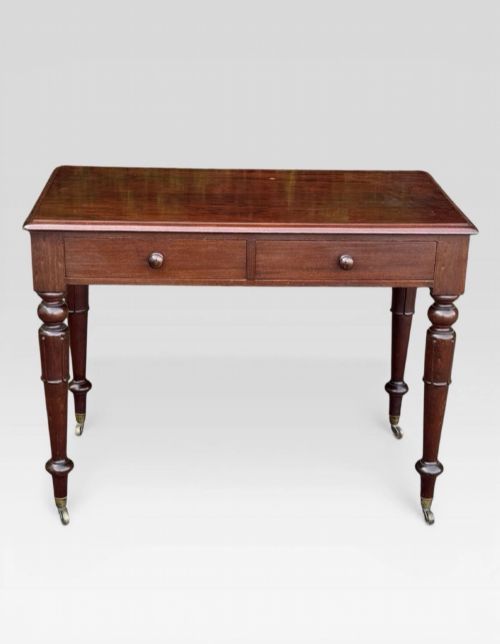
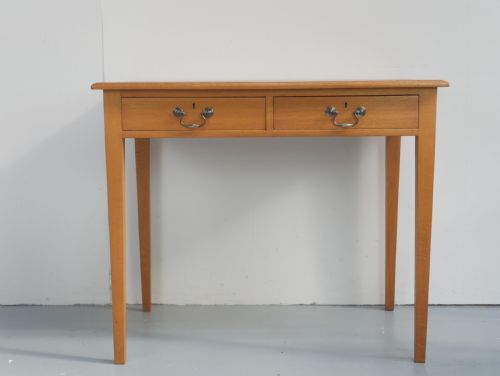
Mahogany and oak predominate among the surviving examples, often accompanied by specialist pieces executed in walnut, satinwood, and burr oak.
How they were made
Cabinet-makers utilised dense timbers such as mahogany and oak as the foundational materials for these tables, employing solid construction alongside figured veneer panels.
Decorative elements relied heavily on wood inlay, brass fittings, and precise joinery to create folding mechanisms for card tables and tea tables.
Listings feature mahogany, oak, walnut, and satinwood across periods spanning the eighteenth century to the 1920s.
What varies in quality
The grade of timber selection and the precision of the cabinet-making determine the standing of each piece, with prominent makers achieving exceptional execution in their veneering and structural stability.
Proportion and the sophistication of secondary woods or brass hardware distinguish standard workshop production from the output of distinguished Edinburgh establishments.
Bruce & Burns of Edinburgh·J A Mein Edinburgh Cabinet Maker·John Taylor Edinburgh·Whytock & Reid of Edinburgh·William Trotter
The Antique Edinburgh Table Glossary
- Card table
- A folding table designed for playing games, featuring a hinged top that opens to reveal a baize-lined playing surface.
- Sofa table
- A small rectangular table traditionally placed in front of a sofa, equipped with drop leaves and often fitted with drawers.
- Tea table
- A small occasional table utilised for serving tea, frequently designed with a fold-over top or raised gallery edges.
- Library table
- A substantial freestanding table intended for reading and writing, generally finished on all sides with spacious work surfaces.
- Veneer
- A thin layer of finely figured wood applied over a secondary timber base to create decorative patterned surfaces.
Antique Edinburgh Table: Frequently Asked Questions
How do I date an edinburgh table?
Dating relies on identifying the prevailing style, construction methods, and timber choices characteristic of periods like the Georgian, Regency, or Victorian eras. Examining secondary woods and hardware provides further clues.
Many pieces also bear maker stamps, labels, or historical associations that help pinpoint their exact era of production.
Where were these tables made?
These tables were constructed in workshops across Edinburgh by established cabinet-makers, cabinet-making firms, and specialist artisans. Prominent makers operated shops throughout the city centre.
The urban craft guilds and local trade traditions ensured high standards of construction across these Scottish workshops.
How should I care for a mahogany table?
Maintaining a mahogany table requires keeping it away from direct sunlight and extreme humidity fluctuations to prevent timber warping and veneer cracking. Regular dusting with a soft cloth preserves the polished surface.
Applying appropriate wax polish occasionally helps nourish the wood and maintain its natural depth of colour.