
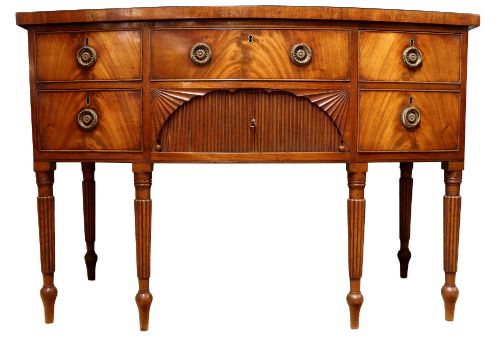
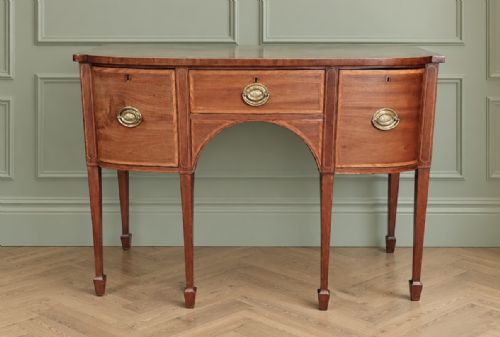
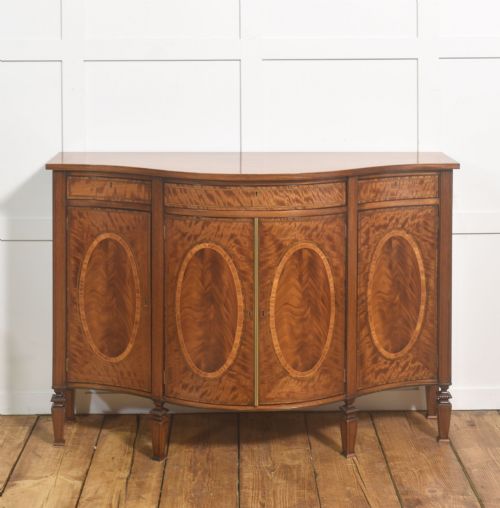
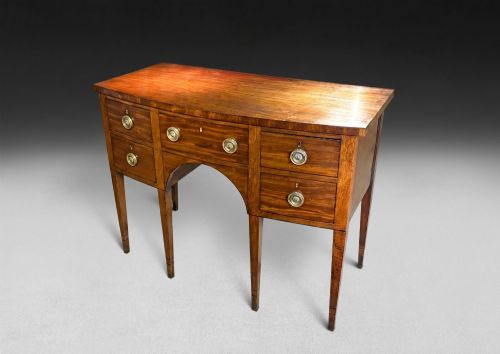
Georgian Wooden Buffet
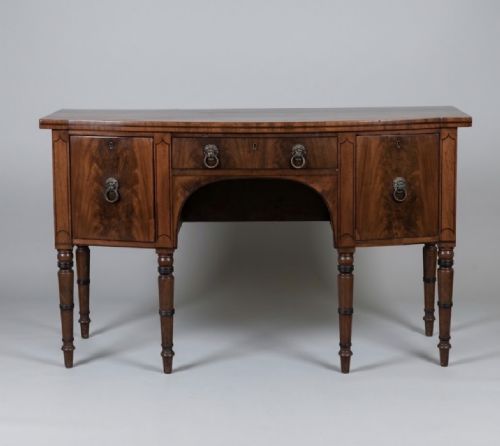
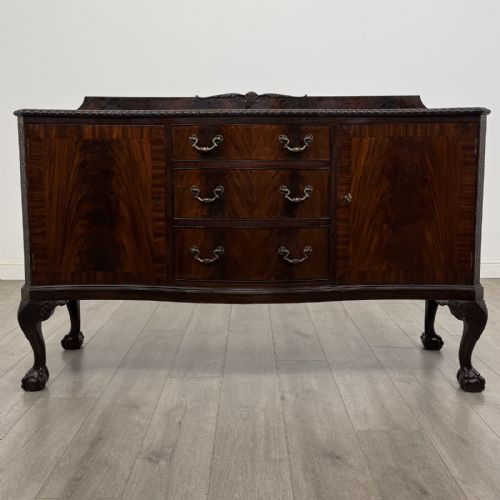
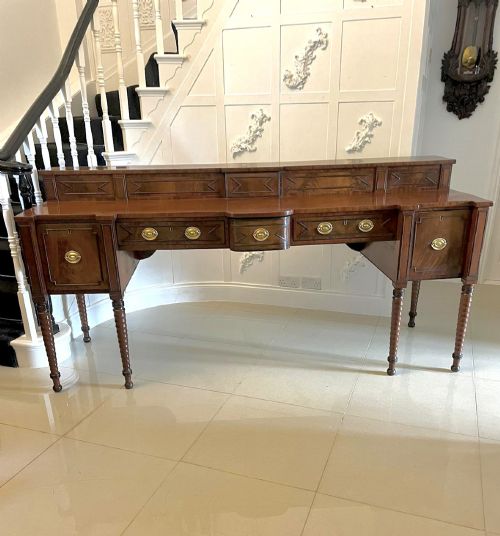
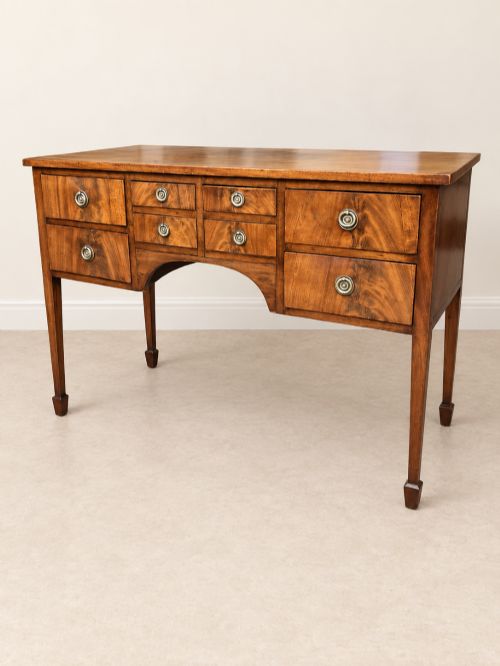
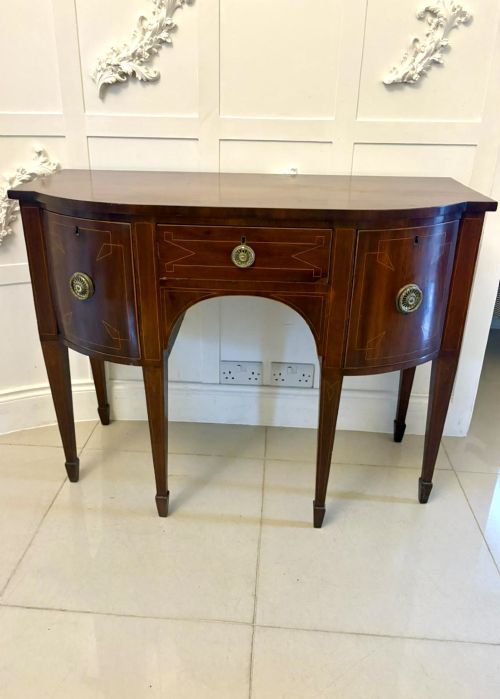
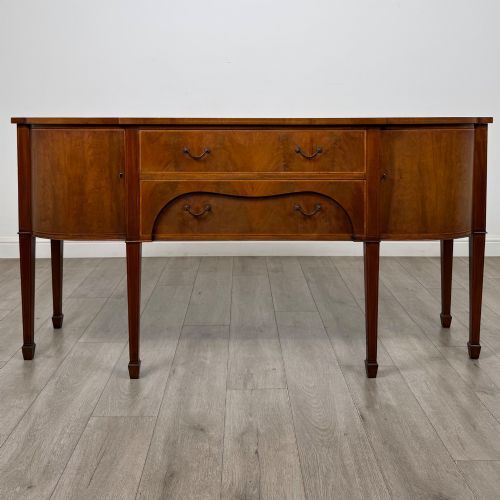
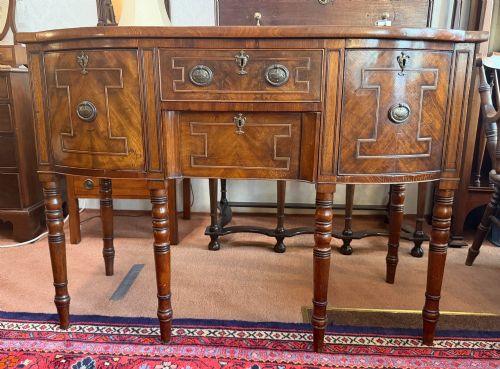
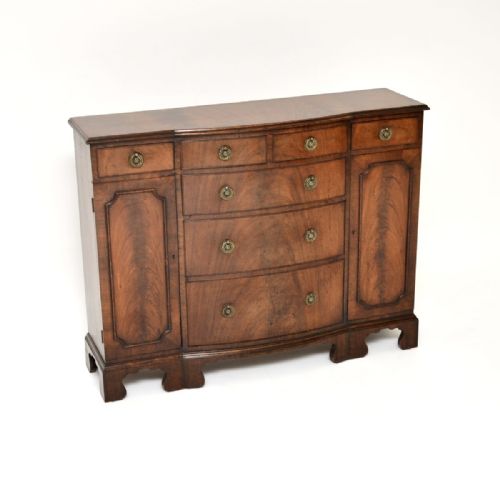
A georgian wooden buffet offers substantial dining storage, uniting period character with deep mahogany and oak timber.
Georgian Wooden Buffet
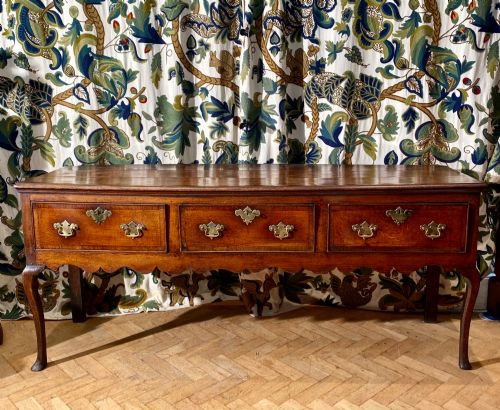
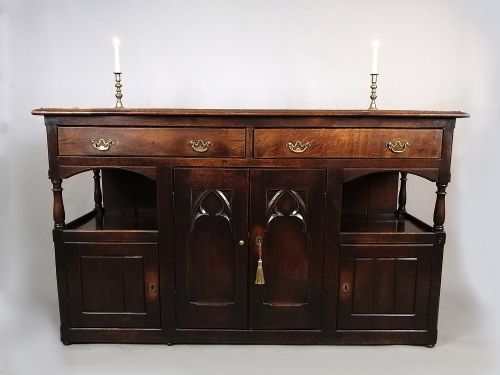
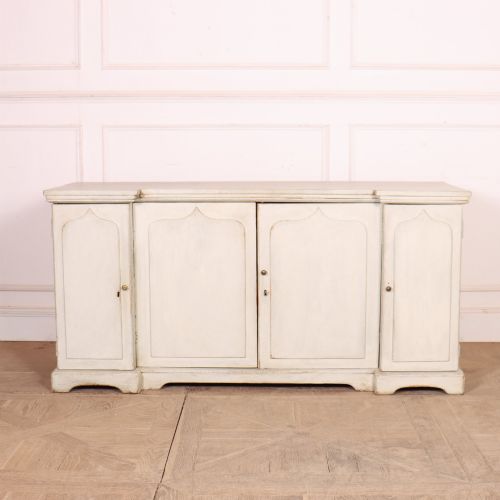
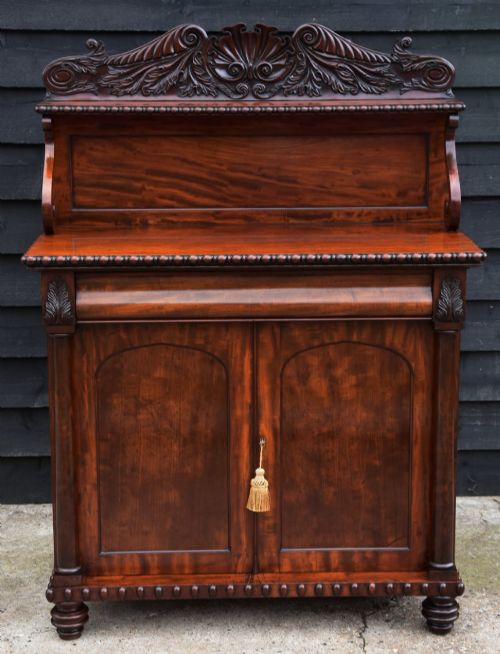
When searching for a georgian wooden buffet, buyers encounter practical dining furniture spanning the eighteenth and nineteenth centuries. The selection includes sideboards, dresser bases, serving tables, and chiffoniers originating from the Georgian, Regency, and Victorian eras.
Mahogany and oak dominate the offerings, appearing alongside satinwood, walnut, and boxwood details. Forms range from straightforward bow-front and breakfront sideboards to elaborate pedestal designs and potboard dresser bases.
Pieces emerge from formal Georgian workshops as well as later revival periods like the Sheraton Revival and early twentieth-century interpretations. Each piece provides historical presence and functional storage for modern dining spaces.
Materials and construction methods
Cabinet makers built these pieces using solid timbers like oak and mahogany, often selecting flame mahogany veneers to create striking surface patterns. Workshops incorporated boxwood and satinwood for delicate stringing and contrasting inlay work.
Structural integrity relied on traditional joinery, sturdy drawer linings, and panel construction. Brass hardware, including handles and drawer pulls, completed the functional design of each cabinet and sideboard.
Listings feature mahogany, oak, walnut, satinwood, and boxwood across the Georgian, Regency, and Victorian periods.
Distinctions in quality
Quality separates simple utility furniture from masterwork pieces through the selection of timber. Superior examples utilise heavily figured mahogany or carefully matched veneers, paired with subtle inlay and crisp edge moulding.
Proportion and execution drive value, where balanced bow-front profiles and integrated architectural details distinguish bespoke cabinet work from standard production. Original brass hardware and undisturbed structural joins elevate an individual piece.
M. D. Miller & Sons, Nottingham
The Georgian Wooden Buffet Glossary
- Bow front
- A convex curved cabinet front that projects outward from the centre, popular in late eighteenth-century sideboard design.
- Dresser base
- A low wooden storage unit featuring drawers and cupboards beneath a solid top surface, commonly constructed in oak.
- Breakfront
- A cabinet form where the central section projects forward from the flanking outer sections.
- Chiffonier
- A compact sideboard or low cabinet equipped with enclosed shelving, developed during the Regency period.
- Potboard
- An open lower shelf fitted between the legs of a traditional dresser base, originally intended for storing heavy crockery.
Georgian Wooden Buffet: Frequently Asked Questions
What is a georgian wooden buffet used for?
These pieces function primarily as dining room storage for tableware, linen, and serving dishes. They provide generous surface space for serving food during meals while concealing clutter behind wooden doors and drawers.
Their substantial construction makes them suitable for daily household use as credenzas or side tables in hallways and living rooms.
How do I identify a genuine period piece?
Examine the timber closely for natural ageing, hand-cut dovetail joints in the drawers, and appropriate secondary woods used inside the carcass. Construction methods and hardware fixings often reveal whether a piece originates from the eighteenth century or a later revival.
Compare the proportions and decorative details, such as satinwood inlay or brass handles, against documented examples from the same era.
How do I care for antique wood furniture?
Maintain the timber by keeping pieces away from direct heat sources and strong sunlight, which can dry out and fade the polish. Apply a traditional beeswax polish occasionally to nourish the wood surface and preserve the natural sheen.
Dust regularly with a soft, dry cloth and avoid using modern household cleaning sprays that contain harsh silicones or solvents.
What is the difference between a sideboard and a buffet?
The terms often overlap in historic furniture, but sideboards traditionally feature a combination of central drawers flanked by deep cupboards. Buffets historically focused on serving food and storage with lower closed compartments or open shelving.
Both forms served similar dining room functions across the Georgian and Regency periods, resulting in shared design characteristics.