

Georgian Wood Storage Drawers
Georgian wood storage drawers bring proportion and timber grain into a room, offering sturdy compartments shaped by eighteenth and nineteenth-century cabinet makers.
Georgian Wood Storage Drawers
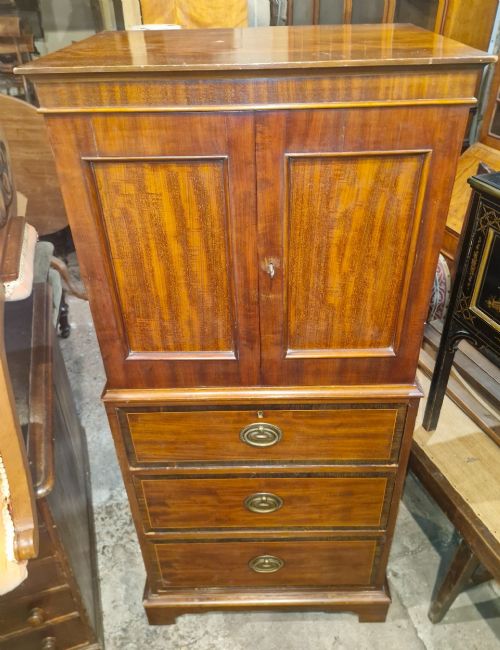
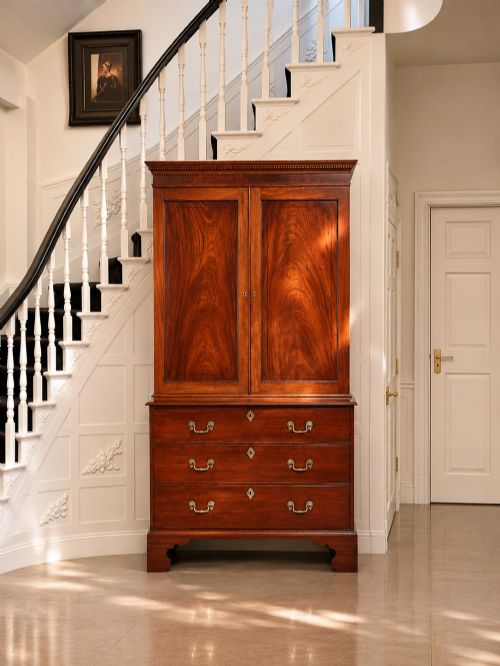
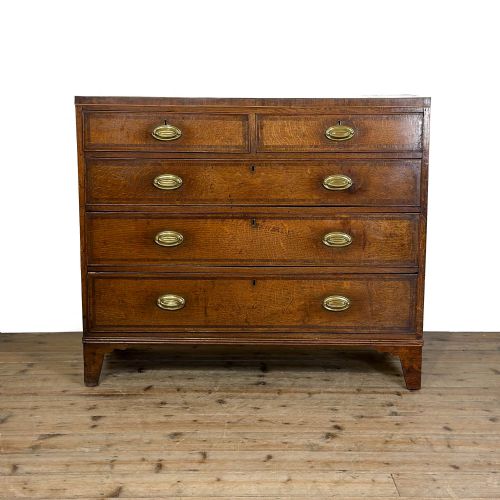
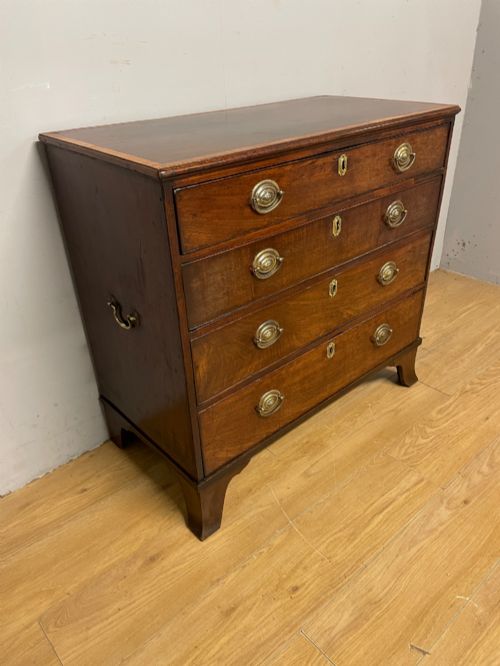
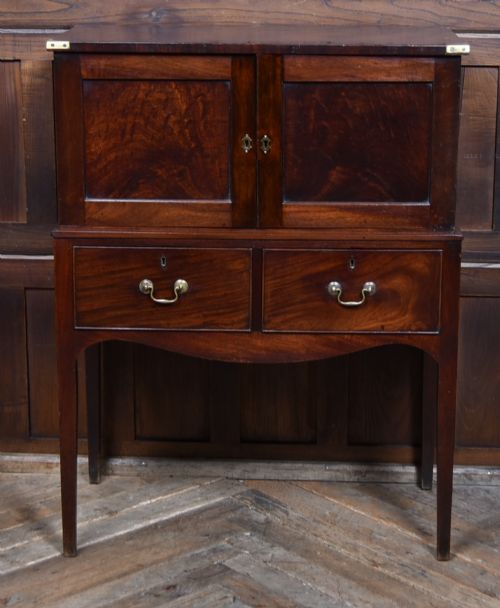
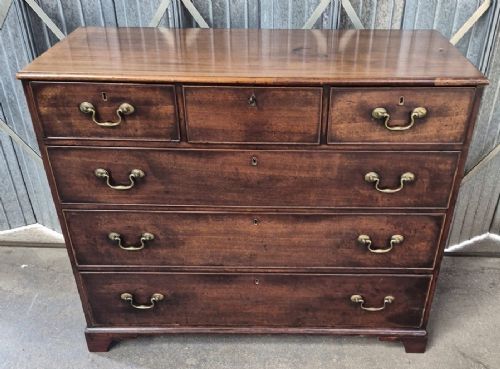
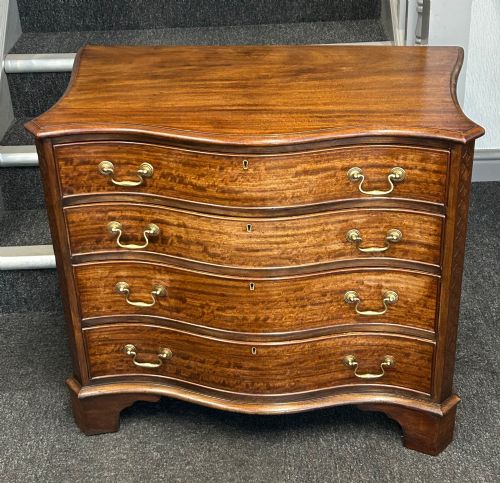
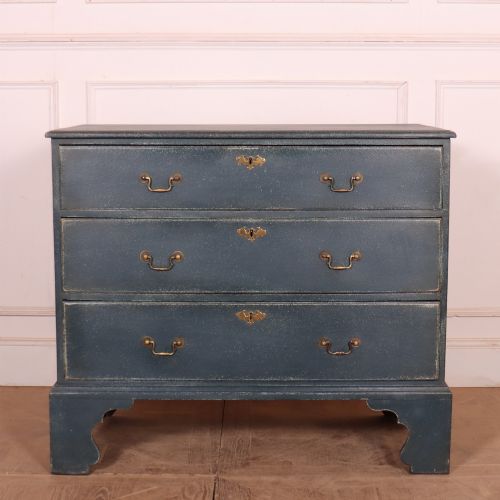
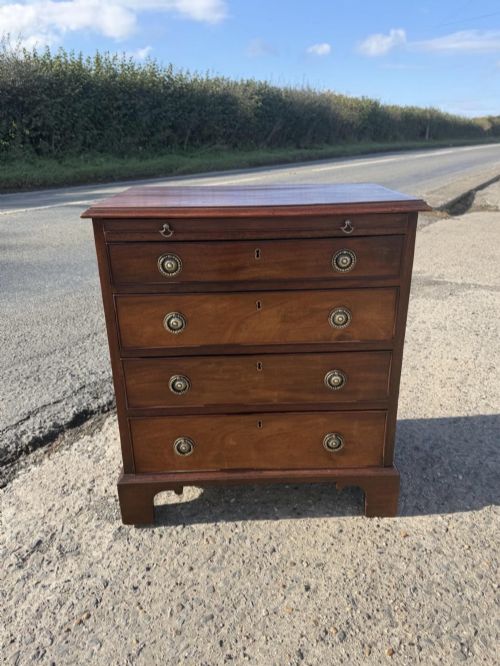
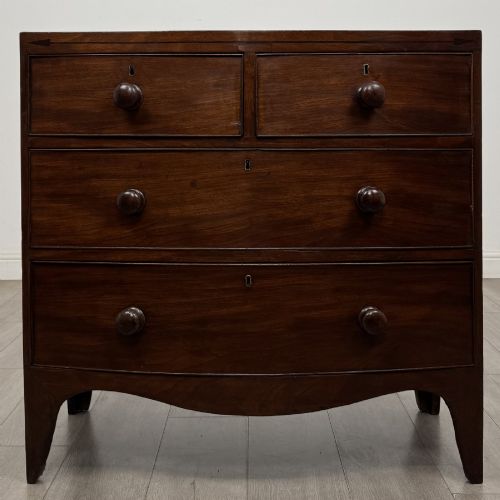
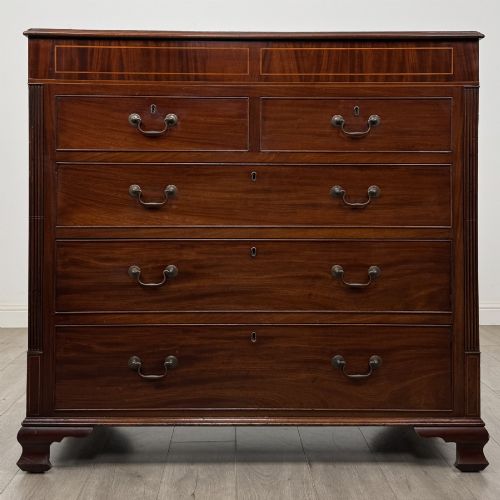
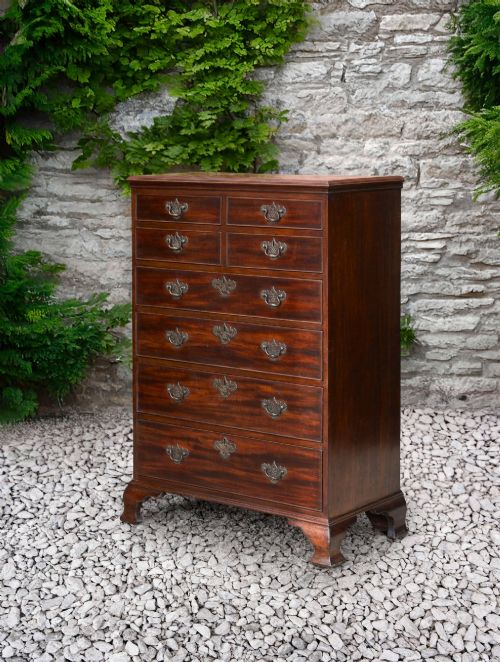
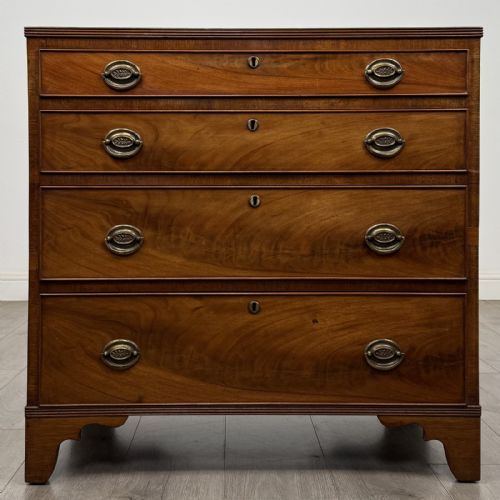
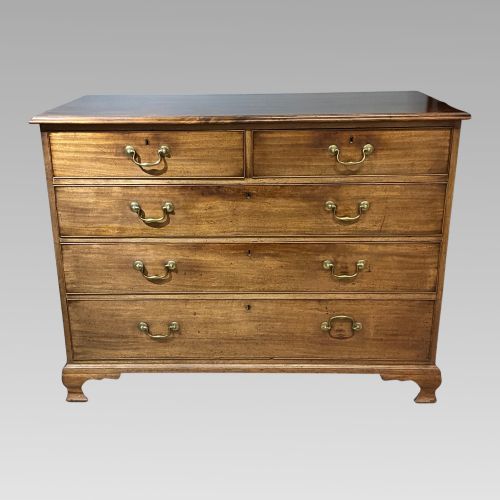
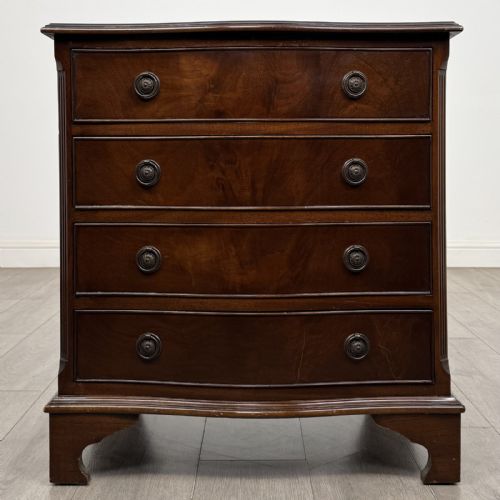
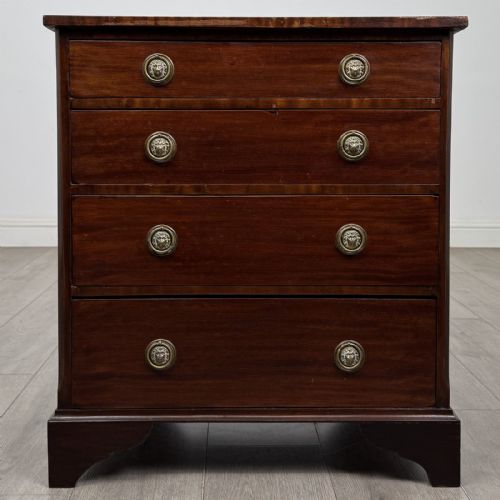
When you search for georgian wood storage drawers, you encounter chests of drawers, bachelor's chests, cellerettes, and small tea caddies from Georgian, Regency, and Edwardian periods. The primary forms span large tall pieces down to bedside proportions, with chest of drawers being the dominant shape on this page.
Originating predominantly in English workshops, these items include pieces built during the eighteenth century alongside later revival pieces from the early twentieth century. Makers utilised native and imported timbers to construct functional storage units equipped with internal compartments, brush slides, and secure locking mechanisms.
Materials and Technique
Cabinet makers relied heavily on solid mahogany, oak, and walnut, often selecting figured burr veneers for drawer fronts and top surfaces. Secondary woods such as deal or pine frequently form the internal drawer linings and carcass backs.
Construction techniques include hand-cut dovetails on drawer boxes and pegged mortise and tenon joints for the main frames. Surface decoration incorporates contrasting wood inlay, painted finishes, and brass handles or escutcheons.
Georgian Wood Storage Drawers Retail Price Guide 2026
Typical asking prices for georgian wood storage drawers among the pieces listed under this phrase on Sellingantiques today, from the lower quarter to the upper quarter. They describe what is for sale here now, not the wider market.
Several tea caddies hide secret compartments inside, designed to keep loose leaves and small silver spoons safe from curious fingers.
Assessment of Quality
Quality rests upon the selection of timber grain, the crispness of hand-cut joinery, and the retention of original brass hardware. Pieces with thick, well-figured mahogany veneers and tight drawer tolerances sit at the upper end of the scale.
Proportion and foot design also dictate distinction, where splayed bracket feet or ogee bracket feet maintain architectural balance. Later revivals vary according to how closely the maker adhered to eighteenth-century joinery standards.
The Georgian Wood Storage Drawers Glossary
- Brushing slide
- A pull-out shelf located above the top drawer used for folding linen or writing notes. This retractable board slides flush into the carcass when not in use.
- Bow front
- A convex curved cabinet front popular during the Regency and late Georgian periods. This shape softens the room and showcases continuous timber grain.
- Bracket foot
- A simple foot shape formed by two pieces of wood joined at a mitre, supporting the corners of a chest. Variations include splayed and ogee profiles.
- Chest on chest
- A tall storage unit comprising two distinct chests stacked vertically, where a smaller upper section rests upon a wider base. These pieces maximise vertical storage space.
- Cellerette
- A lockable wooden container designed to store bottles of wine or spirits safely. They often feature internal divisions and drawer storage at the base.
Georgian Wood Storage Drawers: Frequently Asked Questions
What is a brushing slide?
A brushing slide is a pull-out wooden shelf positioned just beneath the top surface of a chest. It provided a clean surface for folding clothes or temporary writing.
Cabinet makers integrated these slides so they disappeared completely when pushed inward, maintaining the clean lines of the furniture.
How do I spot a revival piece?
Revival pieces, often dating from the Edwardian era or the nineteen-twenties, show machine-sawn timber marks and standardised internal construction. The secondary woods inside the drawers are often lighter or modern conifers.
Examining the drawer linings and backboards reveals the age of the timber and the tools used during construction.
Why are walnut and mahogany common?
Walnut was favoured during the early eighteenth century for its rich grain, before mahogany became the dominant imported timber from the Caribbean. Mahogany offered superior stability and durability for structural joinery.
Cabinet makers prized both timbers for their ability to take a smooth polished finish and hold fine carved details.
How were these drawers used originally?
These storage units held folded garments, household linens, and personal valuables in bedrooms and dressing rooms. Smaller boxes and work tables managed documents, tea leaves, or sewing equipment.
Lockable drawers protected valuable textiles and papers in households that employed domestic staff.