
Georgian Wine Pedestals
Georgian wine pedestals are compact timber tables designed for evening hospitality, offering sturdy tripod bases and tilting tops that collectors value for period interior use.
Georgian Wine Pedestals
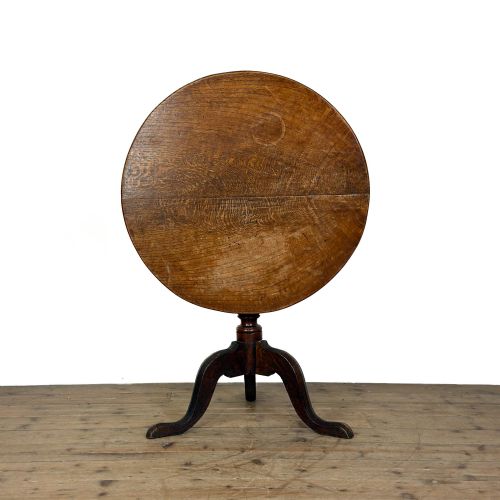
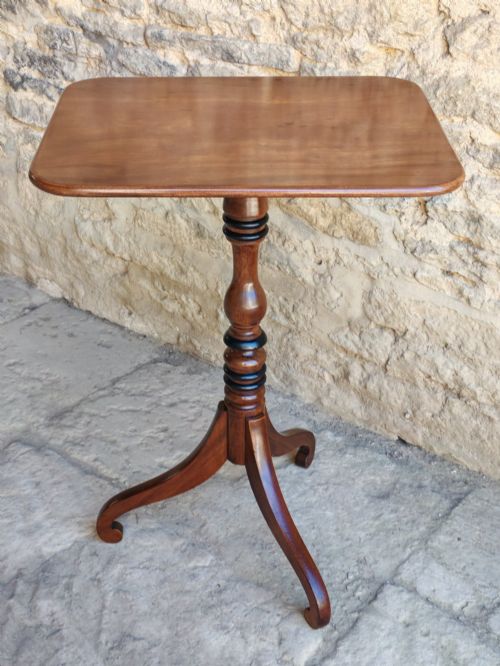
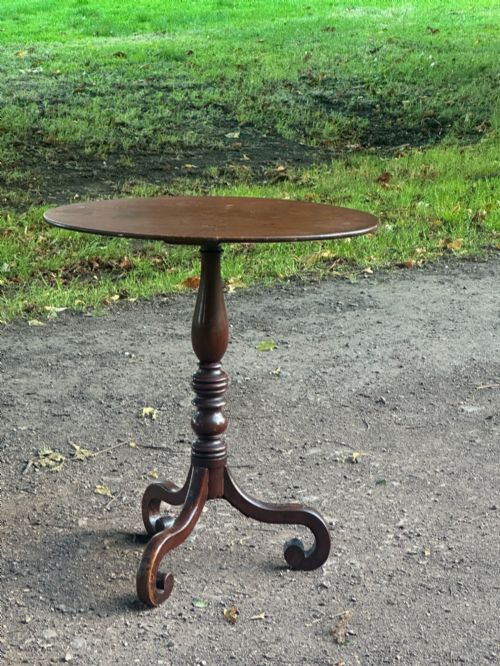
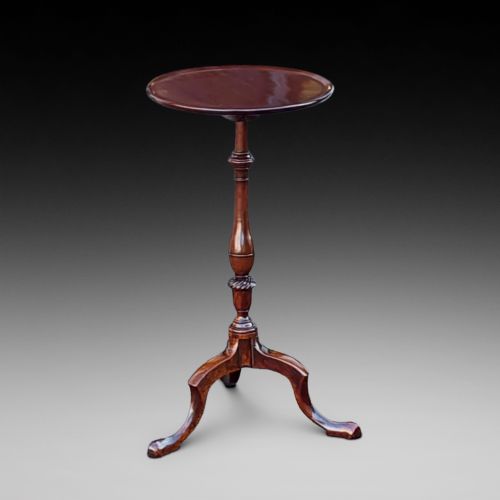
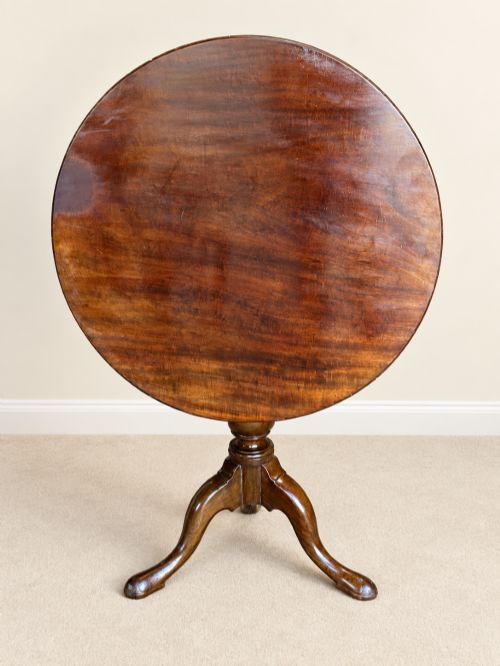
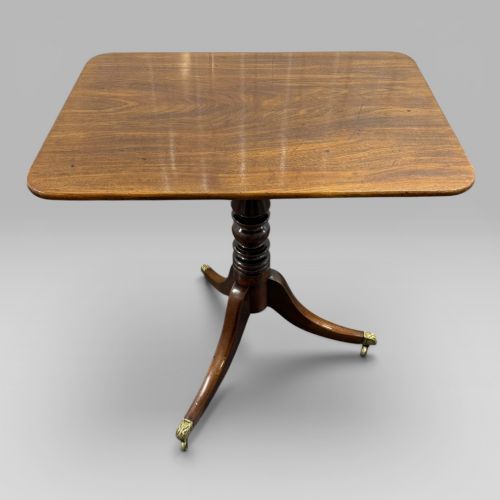
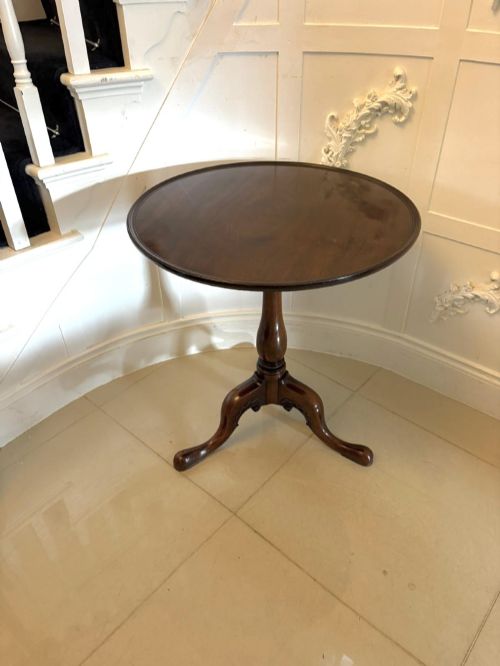
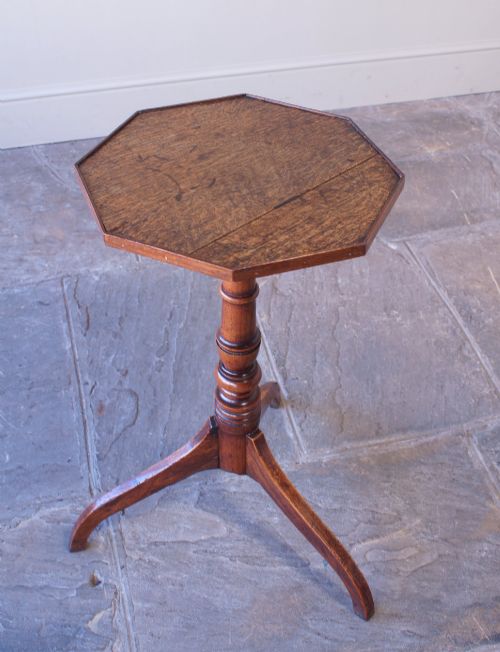
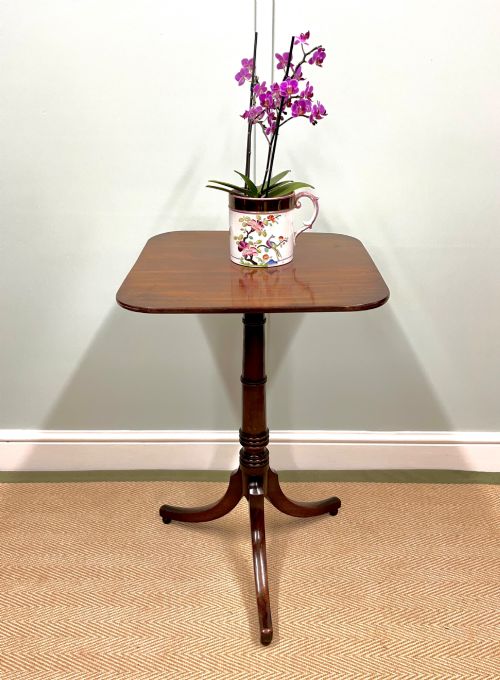
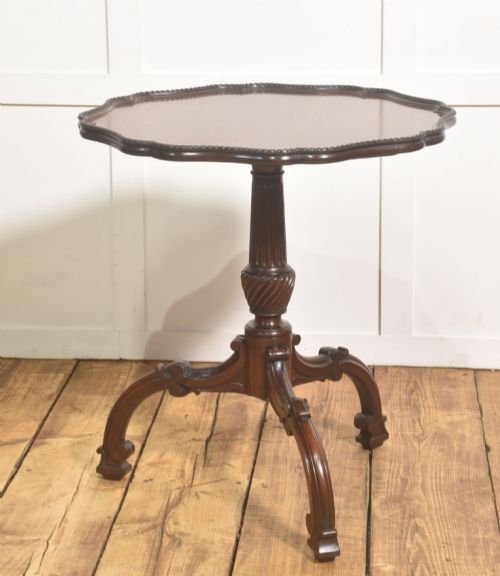
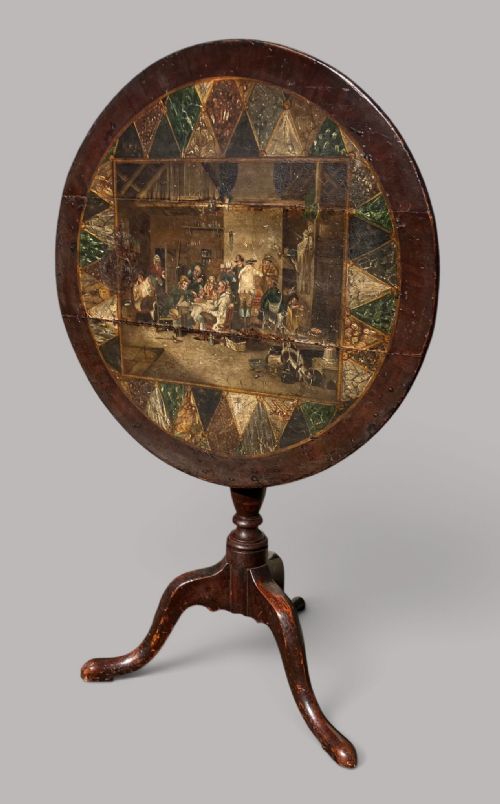
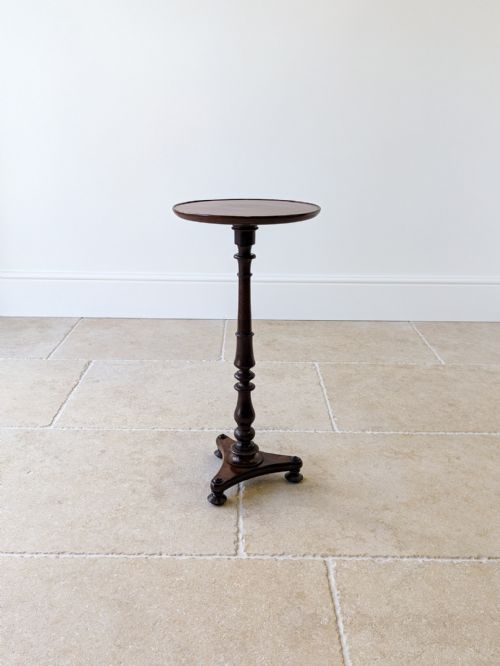
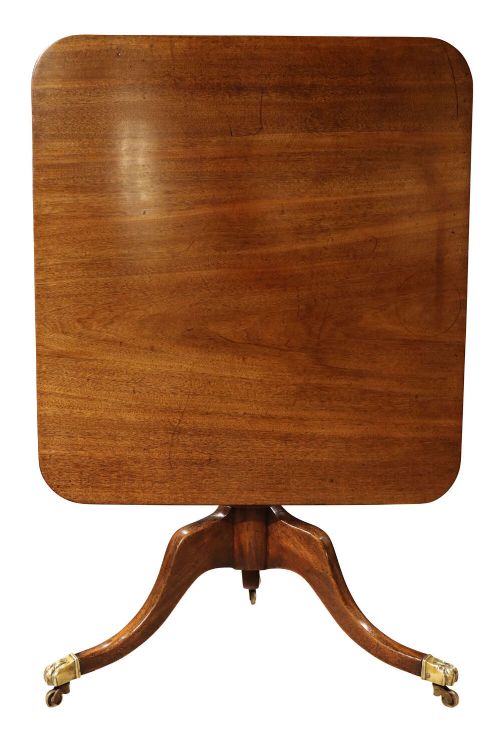
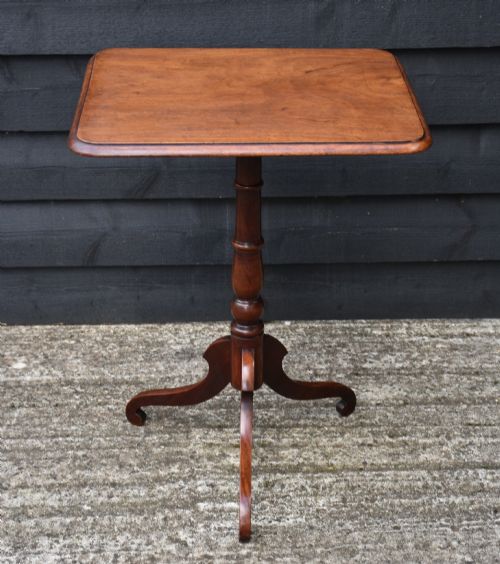
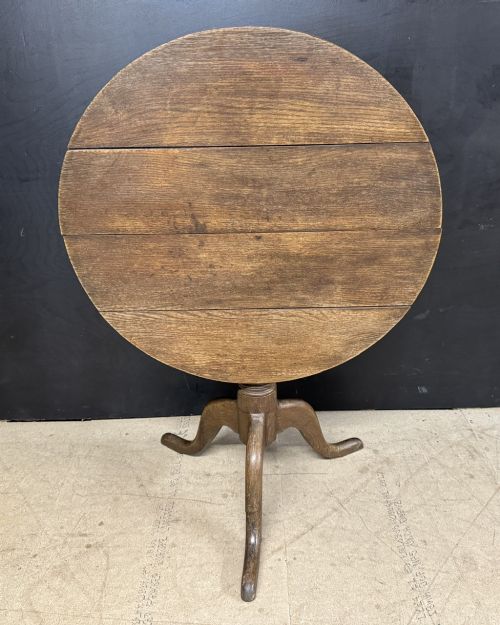
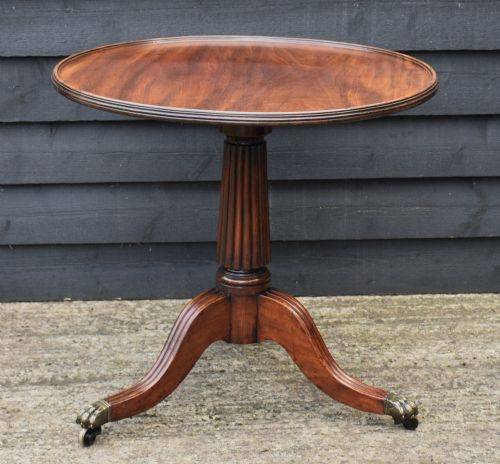
When you examine georgian wine pedestals, you find small occasional tables designed primarily for holding glasses and bottles during evening gatherings. The common form on this page is the tripod table featuring a central pillar supported by three legs, frequently constructed with a top that tilts when not in use.
The materials span mahogany, oak, walnut, elm, and fruitwood, often originating from the Georgian, Regency, and 19th Century periods. Examples range from simple plain timber tops to shaped pie crust rims and pieces incorporating boxwood inlay.
Makers and workshops produced these forms across the 18th and 19th Centuries, encompassing styles from George II and George III eras through to later Regency Revivals. Buyers encounter diverse variants including tilt-top tables, wine tables, and occasional side tables intended for flexible placement in reception rooms.
Materials and Construction
Cabinet makers utilised dense hardwoods such as mahogany, red walnut, and oak for structural stability on slender tripod frames. Turning lathes shaped central pedestals while hand saws cut matching legs joined to the pillar by dovetail or tenon joints.
Table surfaces frequently employed solid timber planks or panels secured by tilting mechanisms, allowing tops to pivot vertically against the central column. Details like boxwood inlay, brass fittings, and shaped pie crust rims required precise hand carving and fitting by skilled artisans.
Many of these tables spent centuries tilting their noses against walls just to save space between evening parties.
Evaluating Quality
Quality rests in the choice of timber figure, such as the depth of Cuban mahogany grain or the rich tone of red walnut. Superior examples demonstrate tight grain matching and well-proportioned tripod legs that sit firmly on the floor without excessive modern reinforcement.
Execution of decorative elements defines the upper tier of pieces, seen in crisp carving on pie crust edges and neatly fitted tilting catches. Plain utility examples rely solely on honest timber construction, whereas finer specimens display deliberate attention to turning detail and harmonious proportions.
Gillow
The Georgian Wine Pedestals Glossary
- Tilt-top table
- A table with a hinged top that pivots to a vertical position for storage when not in use. This mechanism typically utilises a wooden catch or a birdcage block beneath the surface.
- Tripod base
- A support structure consisting of three curved legs radiating from a central turned pillar. This design provides stability on uneven period floorboards.
- Pie crust rim
- A raised, decoratively carved tabletop edge featuring alternating curves and scallops resembling pastry work. Cabinet makers shaped this feature from solid timber margins.
- Cuban mahogany
- A dense, dark hardwood imported from the West Indies during the 18th Century. Furniture makers prized it for its deep lustre and resistance to warping.
- Snap top table
- An alternative descriptor for a tilt-top table where the surface locks flat into position with a spring or wooden latch. The mechanism produces an audible snap when engaged.
Georgian Wine Pedestals: Frequently Asked Questions
What is a tilt-top wine table?
A tilt-top wine table is a small portable stand featuring a pivoting surface supported by a central pillar and three legs. This design allowed servants to store the table flat against a wall when the room was cleared.
Today, buyers use these versatile stands beside armchairs or sofas as lamp tables and drink holders. Their compact footprint suits modern interiors while retaining authentic period character.
How do I identify a Georgian wine table?
Georgian wine tables typically feature timber construction in mahogany, oak, or walnut, combined with tripod bases and turned central columns. Examining the underside often reveals traditional hand-cut joinery and period fastenings.
Dates span the 18th Century into the Regency era, showing stylistic shifts from plain circular tops to shaped pie crust rims and inlaid boxwood details. Comparing the turning style and wood patina helps determine the approximate age.
Were these tables used only for wine?
While originally intended for serving wine and holding glassware during evening assemblies, these small tables served multiple domestic purposes. Occupants moved them easily around the room for reading, writing, or holding candle stands.
Their mobility made them essential items in Georgian drawing rooms where furniture arrangement changed frequently throughout the day.
How do I care for antique timber?
Antique timber requires stable indoor humidity away from direct heat sources and strong sunlight to prevent wood drying and splitting. Regular dusting with a soft, dry cloth preserves the natural wax finish without chemical build-up.
Applying occasional traditional beeswax helps nourish hardwoods like mahogany and walnut, maintaining their deep lustre and protective barrier over decades of daily use.