





Georgian Wine Cups
Georgian wine cups are drinking vessels spanning lead glass, sterling silver, pewter, and lignum vitae, offering tactile weight and historical character.
Georgian Wine Cups
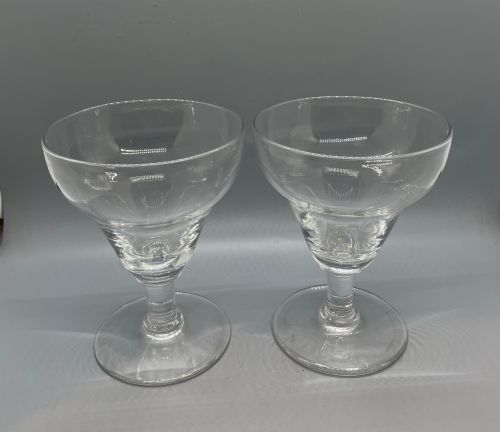
When searching for georgian wine cups, you encounter a diverse selection of drinking vessels, including goblets, chalices, dram glasses, and rummers originating from the eighteenth and nineteenth centuries. These pieces cross various material categories, ranging from hand-blown clear and coloured glass to sterling silver, pewter, and turned wood.
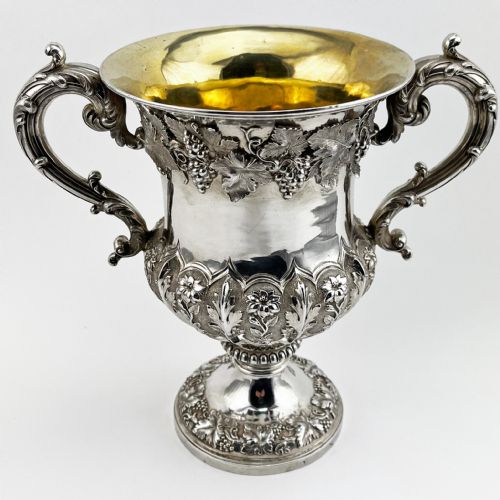
The most frequent examples on this page comprise lead glass wine glasses with air-teared stems, pewter chalices of pint capacity, and silver goblets with vase-shaped bodies. Such items reflect the social dining habits of the period, serving functional roles at the table alongside display purposes.
Origin variations include English, Irish, and continental European workshops, spanning styles from the Georgian era through to William IV and Victorian periods. Each specimen demonstrates the specific domestic requirements and tavern customs of its decade.
Materials and construction methods
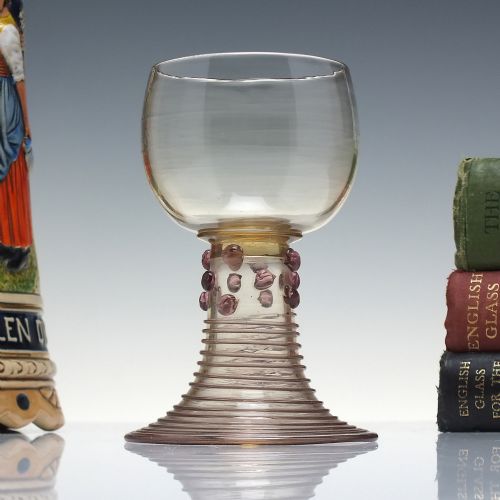
Glass vessels rely on hand-blowing techniques, incorporating lead glass and coloured glass formulations such as amethyst, green, and turquoise hues. Molten metal is shaped by hand, sometimes utilising complex air-teared stem formations and folded feet for stability and aesthetic effect.
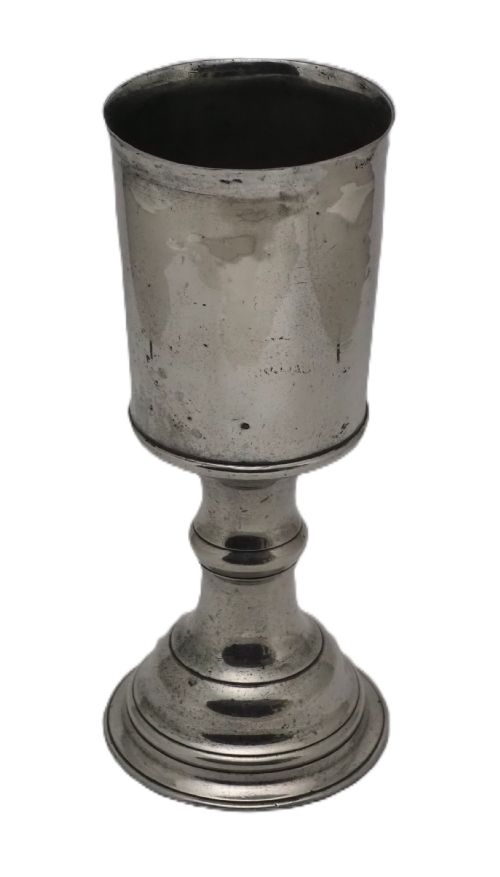
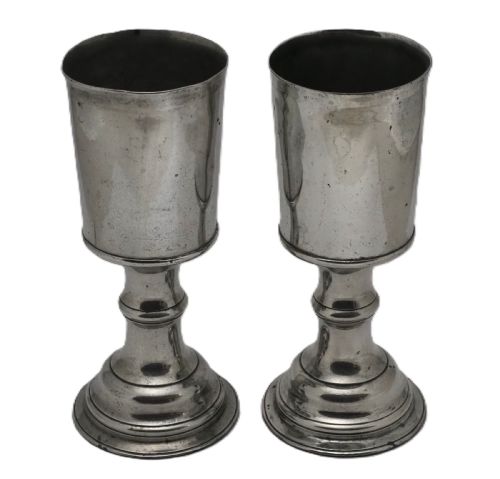
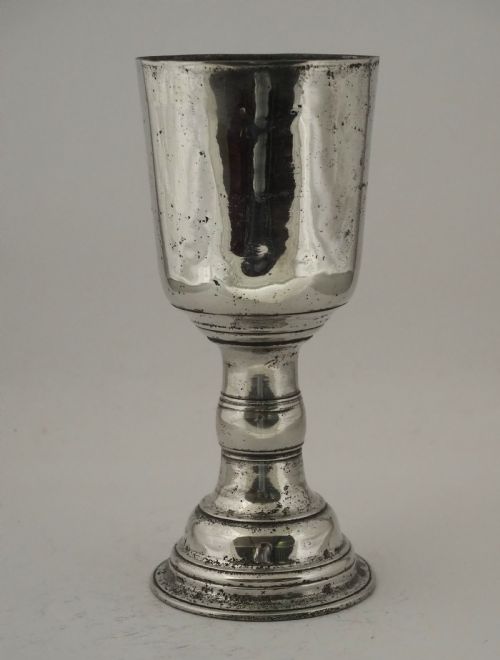
Metal items utilise sterling silver, old Sheffield plate, bronze, and pewter, often shaped into vase-shaped bodies and supported on domed feet. Silver pieces frequently display bright-cut engraving, while pewter and bronze examples are cast to hold specified liquid volumes.
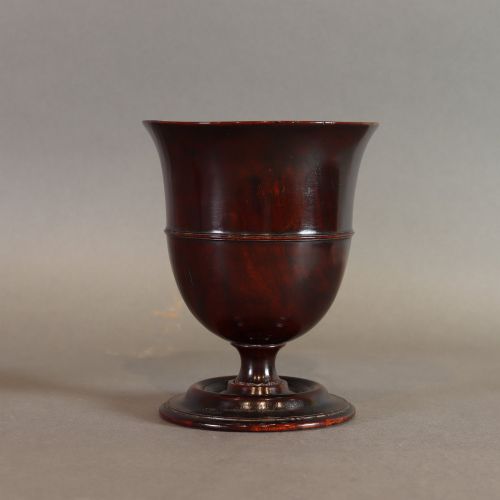
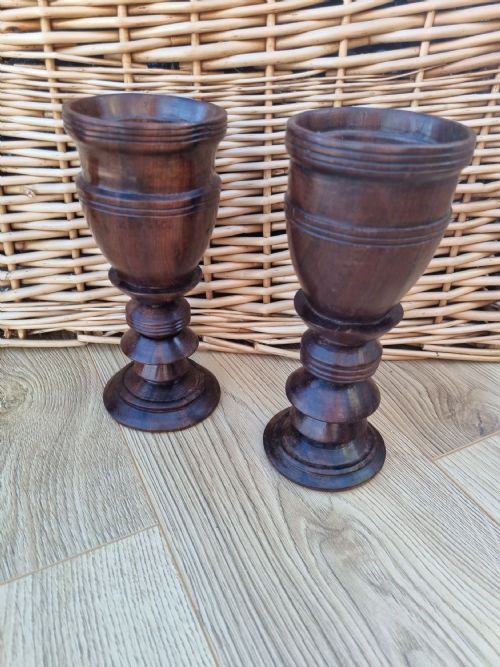
Wooden treen pieces like the lignum vitae pedestal goblet are shaped on a lathe from dense timber blocks. This turning technique produces sturdy, dark-grained drinking vessels designed for robust daily handling.
Georgian Wine Cups Retail Price Guide 2026
Typical asking prices for georgian wine cups among the pieces listed under this phrase on Sellingantiques today, from the lower quarter to the upper quarter. They describe what is for sale here now, not the wider market.
Listings feature lead glass, sterling silver, pewter, and lignum vitae across Georgian, William IV, and Victorian periods.
Evaluating quality and execution
Quality separates through the precision of hand-forming and the clarity of the material itself, whether in the purity of lead glass or the crispness of bright-cut silver engraving. Superior examples maintain balanced proportions between bowl, stem, and foot, avoiding optical distortion in blown glass or asymmetry in turned wood.
The refinement of internal details marks out better pieces, such as the intricacy of air tears trapped within a glass stem or the substantial gauge of metal used in silver and pewter chalices. Pieces displaying confident craftsmanship and well-preserved surface tooling stand apart from standard utilitarian items.
The Georgian Wine Cups Glossary
- Lead glass
- Glass containing lead oxide to increase brilliance, weight, and workability. This material allows for clearer optical qualities and finer manipulation during blowing.
- Air-teared stem
- A glass stem enclosing elongated bubbles or air channels. Makers created these effects by drawing air up through the hot metal during formation.
- Pewter chalice
- A drinking vessel cast from a tin alloy, often produced in specified capacities for tavern or ecclesiastical use. These vessels feature substantial walls and domed bases.
- Old Sheffield plated goblet
- A vessel made by fusing a thin sheet of silver to a copper base. This composite metal provides the appearance of solid silver at a different weight.
- Lignum vitae
- A dense, heavy tropical hardwood used for turning treen goblets. Its natural oils render the timber resistant to splitting and moisture.
Georgian Wine Cups: Frequently Asked Questions
What defines a Georgian wine cup?
These pieces encompass hand-blown glassware, silver goblets, pewter chalices, and wooden treen vessels produced during the eighteenth and early nineteenth centuries. They served functional drinking roles at dining tables and in domestic settings.
Formations range from delicate dram glasses to heavy pedestal vessels, reflecting diverse social uses of the period across Britain and continental Europe.
How were these drinking vessels used?
Original owners utilised these cups for serving wine, cordials, rum, and ale during formal dining and tavern gatherings. Pewter versions often held exact liquid volumes for measured hospitality.
Over time, many transitioned into cabinet display pieces or commemorative trophies, preserving their structural integrity through careful household placement.
How do you care for antique glass and metal?
Glass pieces require gentle hand washing in lukewarm water with mild detergent to preserve the fragile surfaces and historical blown bubbles. Metal objects benefit from minimal intervention, maintaining their natural patina without aggressive polishing.
Displaying these items away from direct sunlight and extreme temperature fluctuations protects both the wooden grain and coloured glass integrity.
How do you identify the period of a cup?
Dating relies on observing manufacturing traits like pontil marks on glass bases, the style of stem construction, and specific metal hallmarks. Stylistic cues such as bright-cut engraving or vase-shaped bodies align with Georgian and Victorian design shifts.
Comparing proportions and material weights against known period exemplars helps establish the likely decade of origin.