


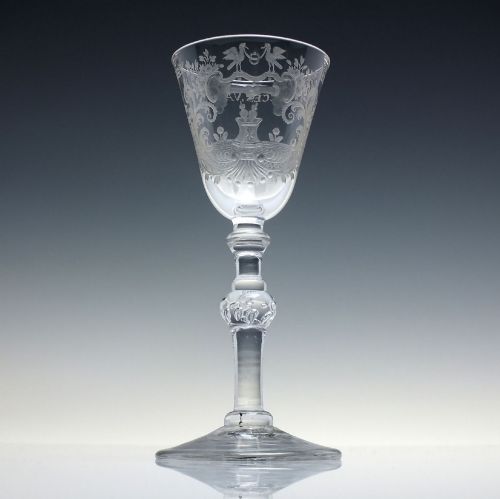

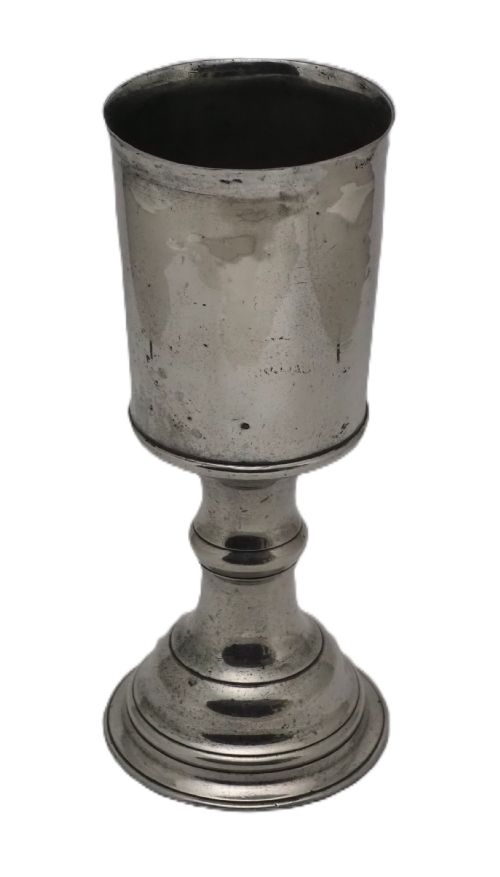


Georgian Wine Chalice
A georgian wine chalice brings tactile weight and period presence to the table, uniting centuries of drinking customs in lead glass, silver, pewter, and turned wood.
Georgian Wine Chalice
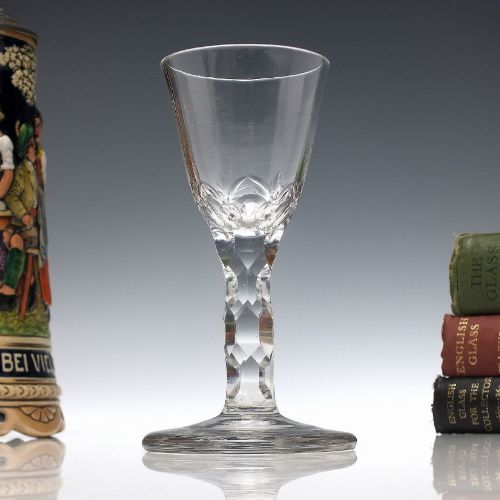
A georgian wine chalice encompasses drinking vessels, baluster goblets, rummers, and stemmed glassware produced across the eighteenth and early nineteenth centuries. These pieces reflect the drinking habits of the Georgian, Regency, and William IV eras, often featuring generous bowls supported by heavy stems and feet.
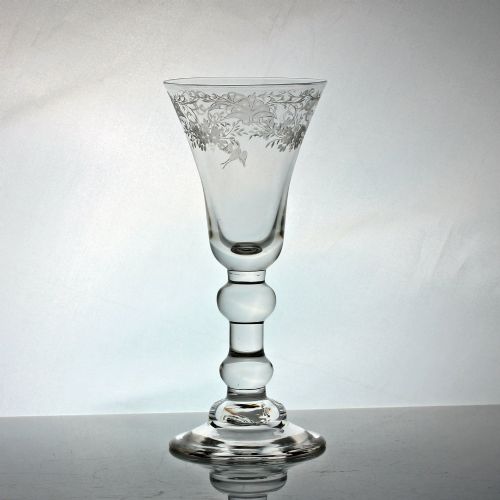
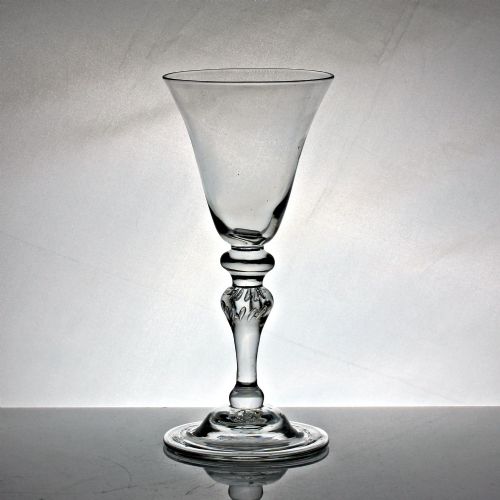
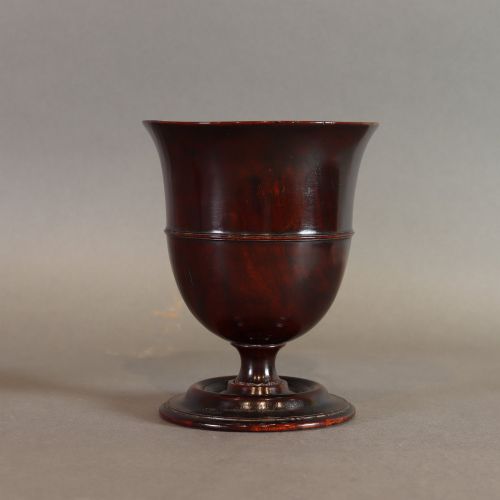
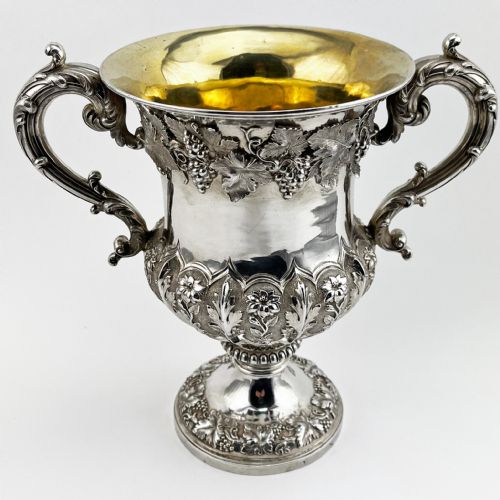
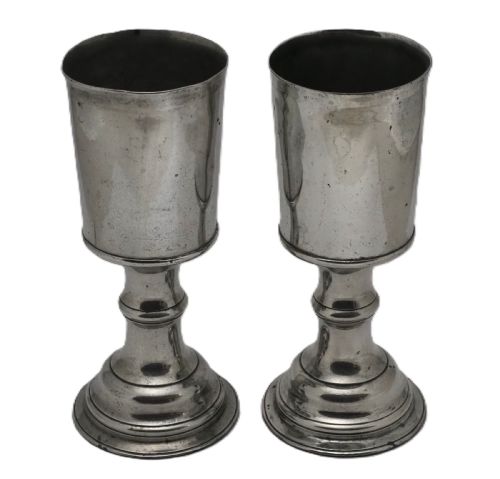
The version most commonly met on this page is the lead glass goblet or wine glass from the mid-eighteenth century, typically displaying baluster or plain stems with bell or ovoid bowls. Alongside glass, buyers encounter pewter chalices of pint capacity, sterling silver presentation cups, and turned wooden pedestal vessels in lignum vitae and walnut.
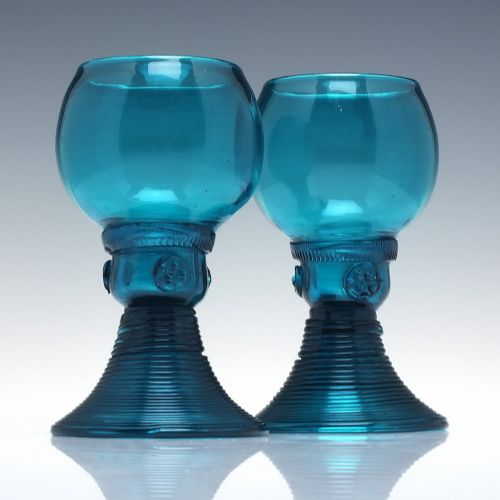
Origins span English glasshouses, Irish workshops, and Continental centres such as Liege, broadening the formal range from honeycomb moulded vessels to bright cut silver. Domestic drinking vessels sit alongside secular trophies and serving cups, demonstrating the varied functions these forms served in period interiors.
Assessing quality in period vessels
Quality rests upon the balance of the vessel, the clarity of the material, and the crispness of any engraved or moulded decoration. A well proportioned stem and foot provide stability to heavy bowls, whether in glass, silver, or turned wood.
The refinement of decorative work distinguishes standard domestic items from superior examples. Hand cut hobnails, detailed armorial or monogram engravings, and intricate twist stems demonstrate higher levels of artisanal skill during the manufacturing process.
Georgian Wine Chalice Retail Price Guide 2026
Typical asking prices for georgian wine chalice among the pieces listed under this phrase on Sellingantiques today, from the lower quarter to the upper quarter. They describe what is for sale here now, not the wider market.
Some seventeenth and eighteenth-century drinkers needed a sturdy wooden chalice turned from lignum vitae just to survive a rowdy toast.
The Georgian Wine Chalice Glossary
- Baluster
- A swelling, vase shaped form used in the stem of a glass to add visual weight and tactile grip. It echoes architectural supports popular in earlier centuries.
- Domed foot
- A raised, convex base that lifts the vessel off the surface and adds stability. This feature appears frequently on eighteenth-century lead glass and pewter chalices.
- Hobnail cut
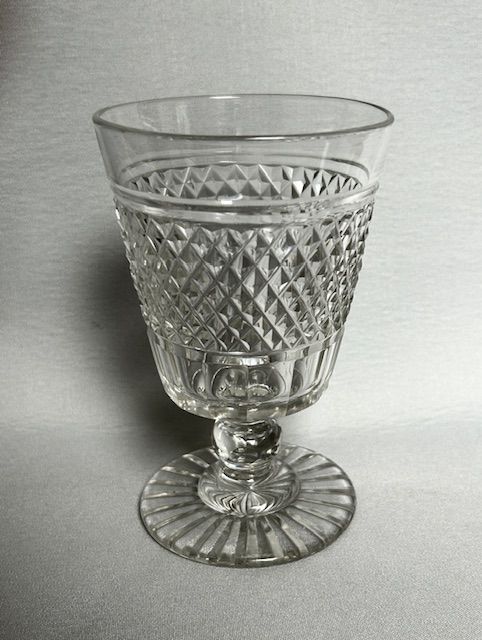
- A geometric surface pattern of raised, sharp facets resembling iron hobnails used in bootmaking. It catches the candlelight on Regency rummers.
- Lignum vitae
- A dense, heavy tropical hardwood used by turners to craft durable pedestal goblets. Its natural oils give the turned surface a smooth, polished lustre.
- Old Sheffield Plated
- A fused composite material made by sandwiching a thin layer of silver between copper sheets. This technique predates modern electroplating.
Georgian Wine Chalice: Frequently Asked Questions
What is a georgian wine chalice used for?
These vessels served for consuming wine, ale, and spirits during formal dining and social gatherings in the eighteenth and nineteenth centuries. Larger examples functioned as presentation trophies or serving cups.
Today, they suit collectors of drinking history or serve as decorative objects for display in period interiors.
How do I date a glass chalice?
Dating relies on stylistic markers such as stem construction, bowl shape, and foot formation. Air twists, baluster profiles, and folded feet generally point towards the mid-eighteenth century.
Later Regency pieces often feature heavy cutting and ovoid or bucket bowls. Comparing the metal weight and pontil mark helps confirm the period.
Are pewter chalices safe for drinks?
Period pewter contains varying amounts of lead and tin, meaning antique vessels are generally intended for display rather than daily consumption of acidic beverages.
Collectors prize them for their soft grey patina and historical association with domestic and ecclesiastical use. Many retain touchmarks from the original makers.
What is the difference between a rummer and a chalice?
A rummer is a robust, thick-walled drinking glass typically introduced during the Regency period, often featuring bucket bowls and cut decoration for serving wine or punch. A chalice generally implies a more formal vessel with a distinct stem and foot, spanning both glass and metal forms.