
Georgian Wardrobe Cupboard
When you select a georgian wardrobe cupboard, you bring home a piece of storage history designed to house linens, clothes, and domestic provisions.
Georgian Wardrobe Cupboard
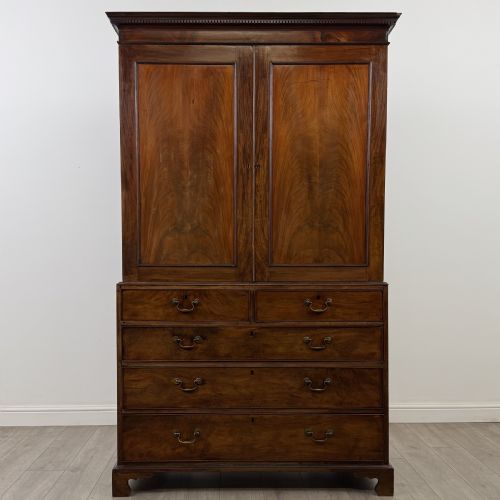
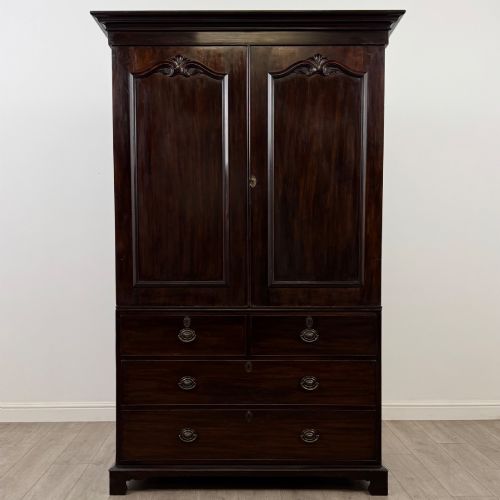
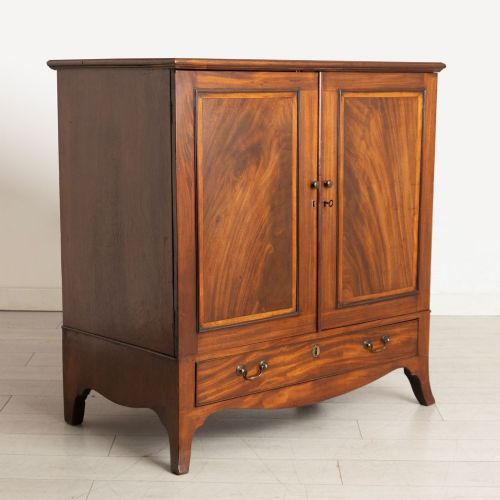
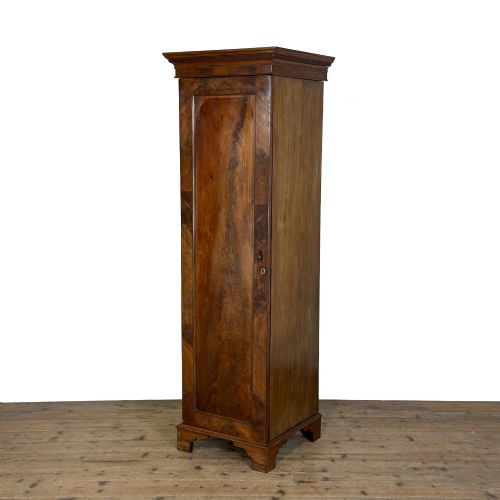
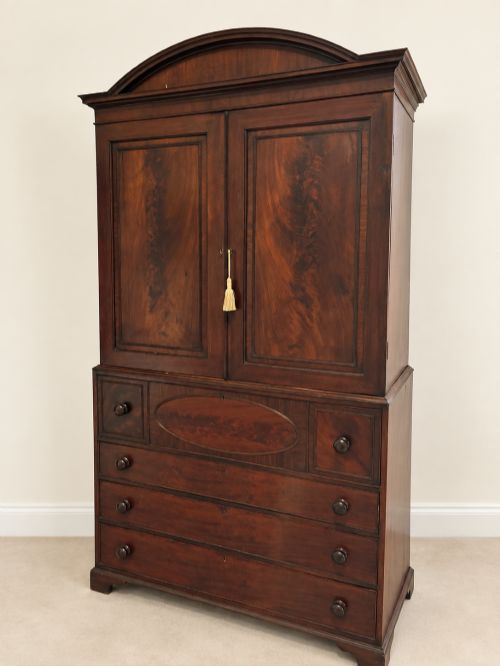
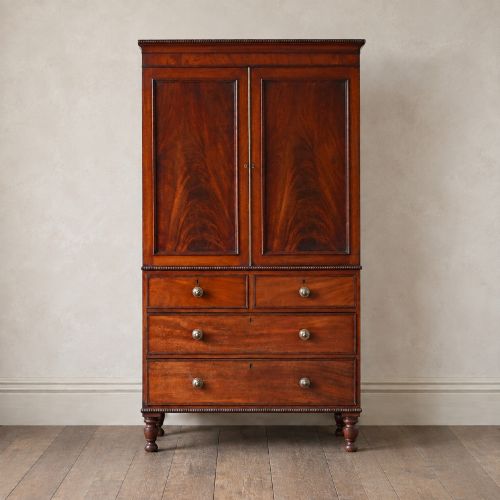
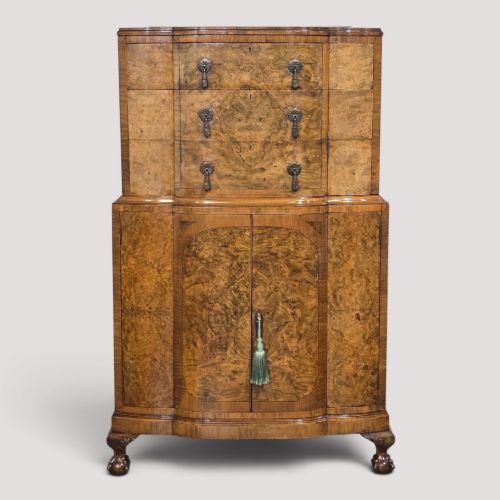
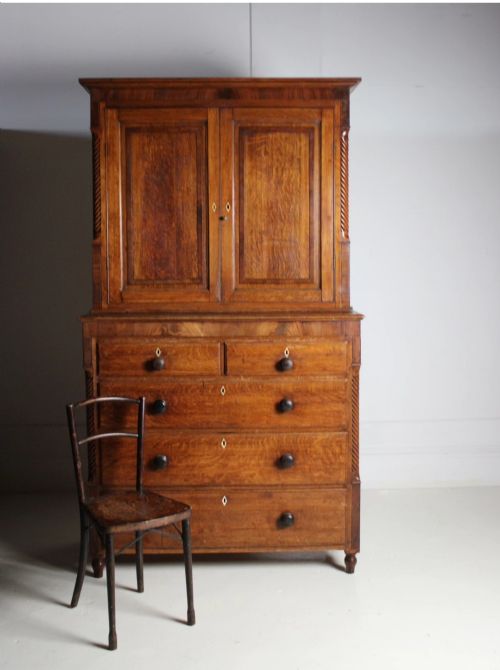
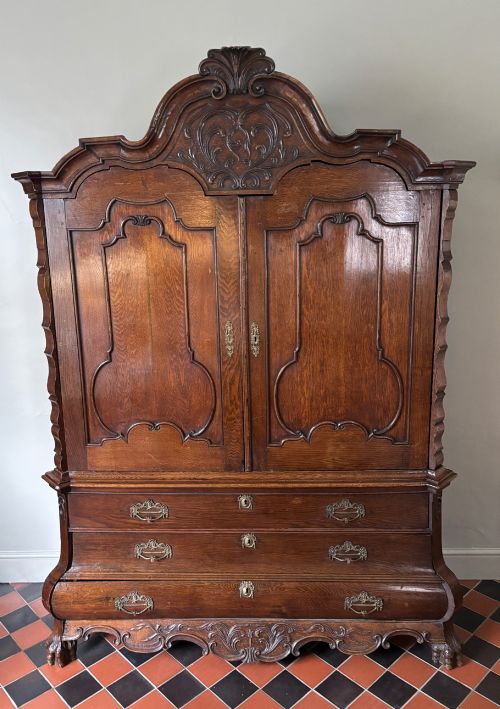
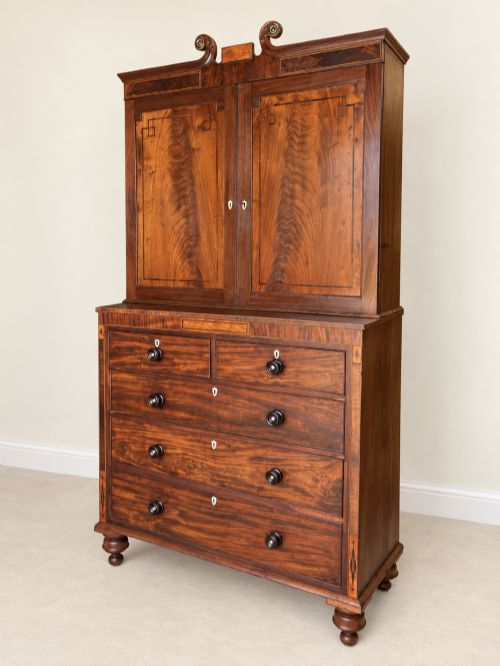
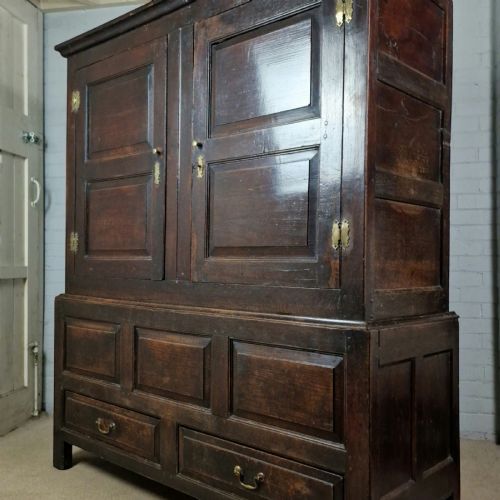
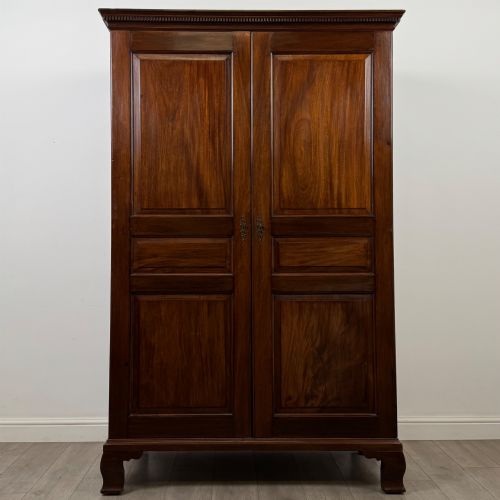
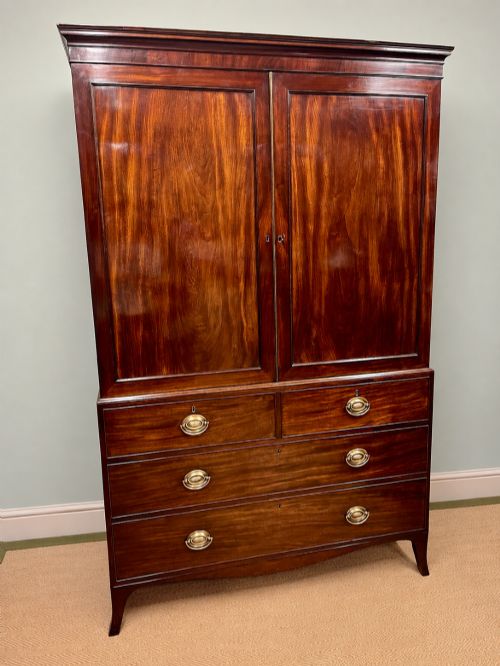
A georgian wardrobe cupboard encompasses large linen presses, housekeepers cupboards, and hanging wardrobes originating from the eighteenth and early nineteenth centuries. These sturdy pieces serve the domestic function of storing garments and textiles, often combining hanging space with internal sliding trays or drawer sections.
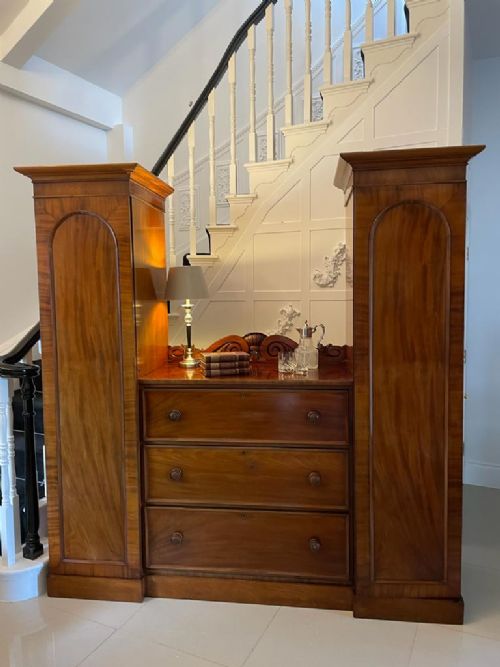
The most common versions met on this page are mahogany and oak pieces from the Georgian, George III, and Regency periods. Buyers encounter everything from tall breakfront linen presses to compact dwarf cupboards and rustic cottage pine wardrobes.
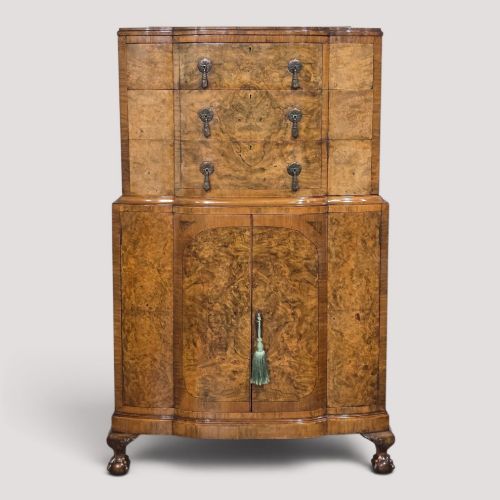
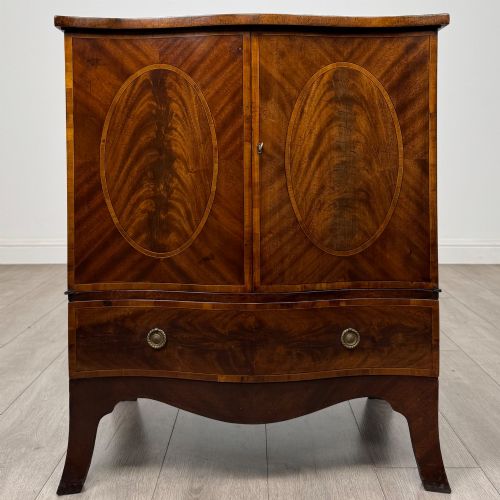
Many examples bridge the gap between simple utility and refined cabinetmaking, appearing as tall chests, corner cabinets, and multi-door compactums. Their varied forms reflect the changing storage needs of households across the decades.
How They Were Made
Cabinetmakers built these pieces primarily from solid mahogany and oak, often applying rich flame mahogany veneers to door panels and drawer fronts for visual depth. Secondary woods such as pine appear on interior shelves and backing boards.
Construction techniques rely on pegged joints, dovetail drawers, and delicate inlays of satinwood or marquetry details. Cornices feature architectural elements like blind fretwork, while brass hardware secures doors and operates drawers.
Several items retain their original peg joints and secret compartments designed long ago for hiding household ledgers.
What Varies in Quality
Quality separates through the selection of timber, such as highly figured plum pudding or flame mahogany veneers versus plain planking, alongside the fineness of crossbanding and string inlay. Master cabinetmakers achieved superior proportion and harmonious scale across large breakfront bodies.
Interior execution marks the difference between utilitarian farm storage and grand drawing-room pieces, seen in the smooth operation of linen slide trays and hand-dovetailed drawer boxes. Original brass handles, intact cornice carvings, and balanced door alignments elevate certain examples far above standard utility cupboards.
The Georgian Wardrobe Cupboard Glossary
- Linen Press
- A tall piece of furniture featuring upper doors that enclose sliding shelves for textiles, sitting above a chest of base drawers. These items traditionally stored household linens before dedicated bedroom closets became standard.
- Compactum
- A multi-compartment wardrobe designed to maximise storage by combining hanging space, drawers, and shelving within a single unified cabinet. This form became popular for efficient organisation in larger homes.
- Blind Fretwork
- Carved decorative woodwork applied to cornices or friezes in a flat geometric pattern that mimics pierced fretwork without cutting through the wood. It adds subtle texture to architectural cabinet tops.
- Peg Joined
- A traditional method of securing timber framing using wooden pegs driven through mortise and tenon joints instead of iron nails. This technique indicates sturdy early construction, frequently found in oak pieces.
- Flame Mahogany
- Timber cut from the fork of the mahogany tree to produce a distinct, flickering grain pattern that resembles leaping flames. Cabinetmakers used these veneers on primary display surfaces.
Georgian Wardrobe Cupboard: Frequently Asked Questions
How do I date a Georgian cupboard?
Dating relies on timber choices, construction methods, and stylistic details. Earlier pieces often utilise solid oak with pegged joints, while later Georgian and Regency items favour mahogany, flame veneers, and satinwood stringing.
Hardware styles, foot designs, and cornice carvings also offer reliable clues to the exact decade of manufacture.
Will a large press cupboard fit in a modern bedroom?
These pieces were built for high-ceilinged period rooms and often arrive as large, heavy units. Many older presses feature knockdown construction or removable cornices to assist with transport and placement.
Careful measurement of ceiling height and stairways is essential before introducing one of these substantial cabinets to a contemporary home.
How should I care for antique mahogany and oak surfaces?
Maintenance requires gentle cleaning with a soft cloth and occasional applications of traditional beeswax to nourish the timber. Avoid modern silicone sprays and keep the wood away from direct heat sources and strong sunlight.
Proper humidity control prevents the solid timbers and delicate veneers from splitting or warping over time.