



Georgian Vanity Chest
A georgian vanity chest is a compact, multi-functional piece for personal grooming and writing, uniting fitted drawers and fold-down surfaces in rich cabinet woods.
Georgian Vanity Chest
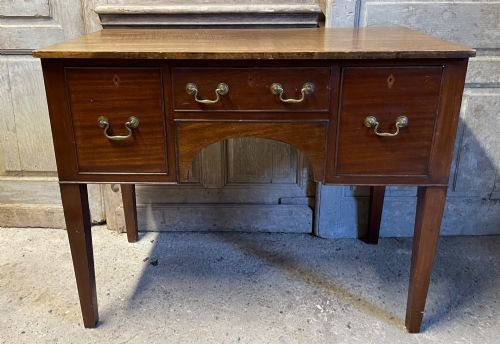
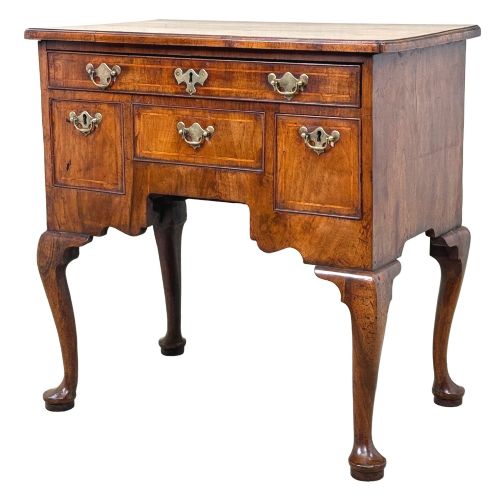
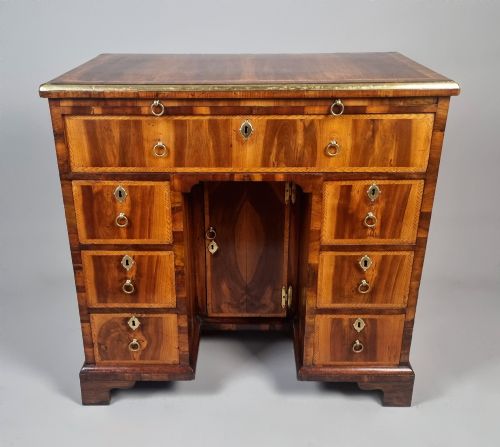
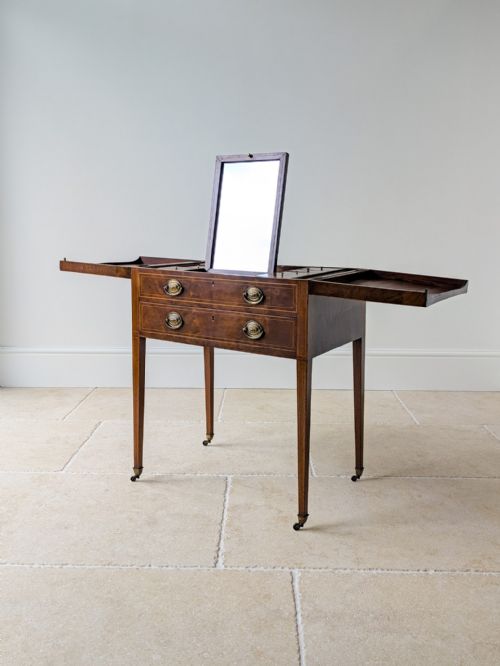
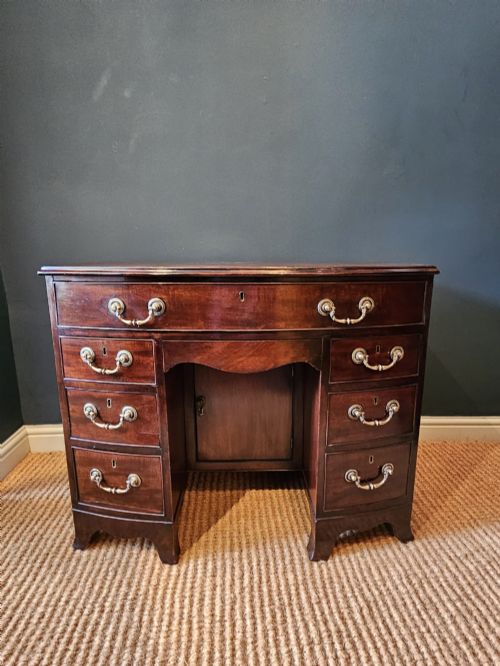
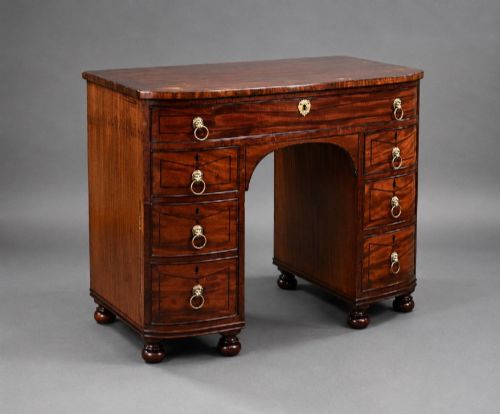
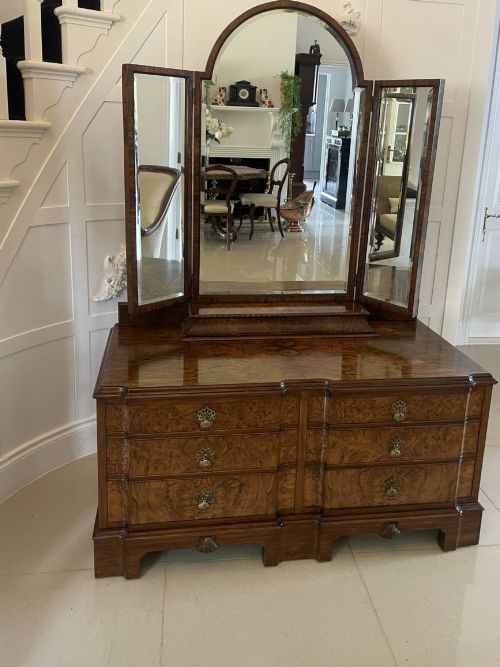
A georgian vanity chest spans several forms on this page, including dressing tables, desks, washstands, lowboys, and fitted chests of drawers originating from the Georgian, Regency, and eighteenth-century periods. Buyers encounter these versatile pieces configured for personal grooming, correspondence, and daily ablutions, often incorporating clever internal compartments and mirrors.
Mahogany predominates among the surviving timbers, alongside walnut, burr walnut, oak, yew wood, and occasional exotic finishes such as yellow japanned workboxes or tortoise shell boxes. These pieces range from modest provincial lowboys to elaborate George II red walnut fitted desks and campaign dressing chests designed for travel.
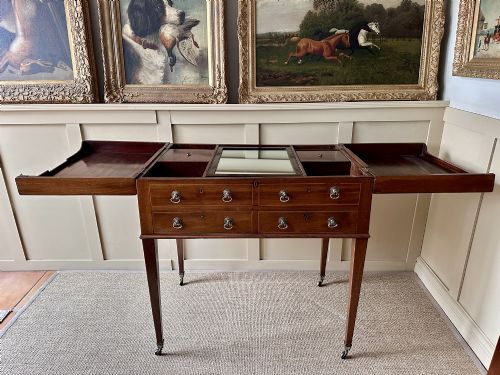
Makers of this era employed intelligent spatial design, housing writing slides, fitted interior drawers, and mirrors within standard case furniture silhouettes like bowfronts and kneeholes. The selection reflects both static domestic dressing tables and portable variations equipped with brass hardware for movement.
Materials and construction
Cabinetmakers utilised dense solid hardwoods and choice veneers, selecting mahogany, figured walnut, and yew wood for primary surfaces alongside structural oak for drawer linings. These timbers were worked by hand to create dovetailed carcases, fielded panels, and curved bowfront or serpentine profiles.
Hardware played an essential functional and decorative role, featuring cast brass handles, escutcheons, and occasional carrying brackets on campaign iterations. Interior fitments incorporated glass mirrors, small lidded compartments, and baize-lined writing surfaces designed to withstand regular daily use.
Georgian Vanity Chest Retail Price Guide 2026
Typical asking prices for georgian vanity chest among the pieces listed under this phrase on Sellingantiques today, from the lower quarter to the upper quarter. They describe what is for sale here now, not the wider market.
Materials documented across the current selection include mahogany, walnut, burr walnut, oak, yew wood, brass, and glass.
Judging quality and integrity
Quality rests on the integrity of the timber selection, the crispness of the hand-cut dovetails, and the survival of original brass hardware and internal fittings. Pieces retaining their fitted interior boxes, original mirrors, and working locks command greater appreciation among collectors.
Proportion and execution distinguish fine workshop production from simpler provincial output, visible in the smoothness of drawer movement and the harmonious grain matching across drawer fronts. The complexity of the internal arrangement, such as a fully fitted kneehole or a concealed secretaire drawer, further elevates the stature of the piece.
The Georgian Vanity Chest Glossary
- Kneehole desk
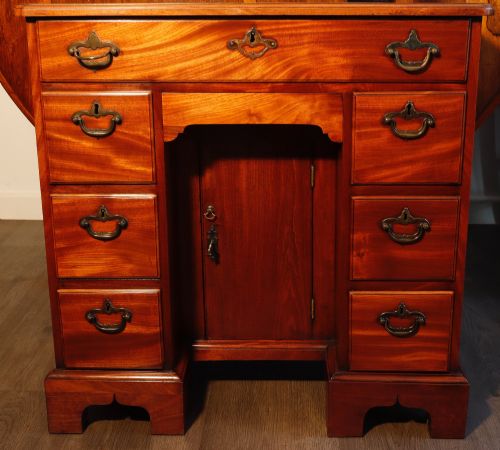
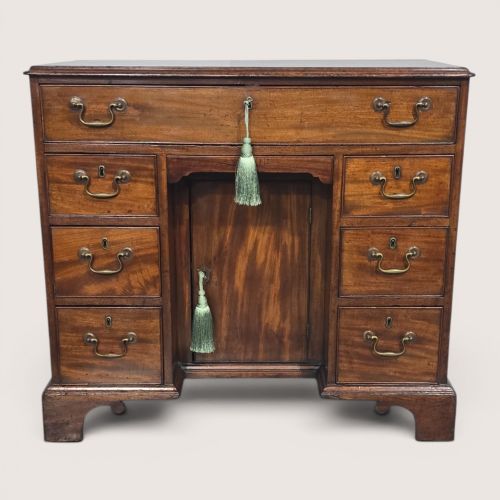
- A writing table or dressing chest featuring a central recessed cupboard flanked by pedestals of small drawers. This configuration allows the user to sit comfortably while attending to correspondence or grooming.
- Lowboy
- A small table with one or more rows of drawers, commonly used as a dressing table or side table in eighteenth-century interiors. They typically stand on slender cabriole or straight legs.
- Secretaire
- A desk or chest of drawers incorporating a hinged writing flap that pulls down to reveal a fitted interior of pigeonholes and small drawers. It combines the storage of a chest with the utility of a writing desk.
- Campaign dressing chest
- A portable chest of drawers designed for travel, typically built in sections with brass corner mounts and recessed carrying handles. These pieces allowed officers to maintain personal grooming standards while on military campaigns.
- Washstand
- A specialist piece of furniture designed to hold a basin and water pitcher for morning ablutions, often fitted with lower shelves and small drawer enclosures. Examples from the Georgian period utilise sturdy mahogany or oak frames.
Georgian Vanity Chest: Frequently Asked Questions
How were these chests used?
These pieces served multiple daily functions for personal grooming, washing, and correspondence in the bedchamber or dressing room. Users sat at them to apply cosmetics, style hair, or write letters using integrated pull-out slides and folding writing flaps.
Interior compartments kept small valuables, powders, and grooming implements organised out of sight. Portable campaign versions allowed owners to pack their washing and dressing equipment securely for travel.
How do I distinguish a desk from a dressing chest?
Dressing chests typically feature integrated mirrors, shallow top drawers partitioned for bottles and jars, or kneehole configurations specifically arranged for seated grooming. Desks focus more purely on writing surfaces, pigeonholes, and document storage.
Many examples on this page blur these lines by combining a writing slide, a secretaire drawer, and a fold-out mirror within a single case. Examining the internal fittings reveals whether the primary purpose was writing or personal toilet.
Where should I place a vanity chest at home?
These compact pieces fit well in bedrooms as functional dressing tables, or in studies and hallways as decorative side storage with useful surface area. Their modest footprints and finished backs in many instances allow them to sit against bedroom walls or float near natural light sources.
Avoid positioning antique wood furniture directly next to active heat sources or in strong direct sunlight to protect the polished timber and veneer surfaces. Maintaining stable indoor humidity prevents timber movement and preserves original drawer fits.
What defines a campaign dressing chest?
A campaign chest is built in separate modular sections to facilitate packing and transport on military or travel expeditions. They feature flush brass drop handles, protective brass corner brackets, and sturdy carrying sides.
Inside, these chests contain specialised compartments for washing gear, bottled liquids, and personal items. Their robust construction and practical hardware give them a distinct architectural character.