






Georgian Two Drawer Sideboard
A georgian two drawer sideboard delivers honest storage and timeless proportions, combining deep timber grains with practical everyday surfaces.
Georgian Two Drawer Sideboard
When searching for a georgian two drawer sideboard, buyers encounter a robust mix of dresser bases, serving tables, and chiffoniers originating from the Georgian, Regency, and Victorian eras. These regional forms span Welsh country workshops and refined English interiors, reflecting both vernacular utility and formal design.
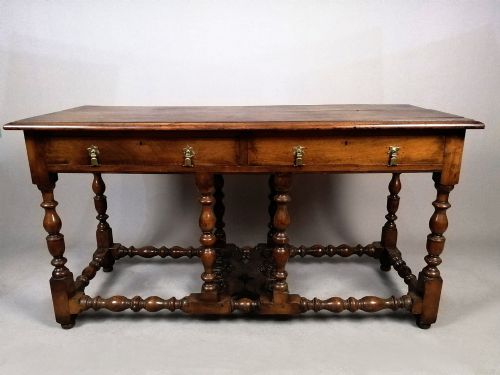
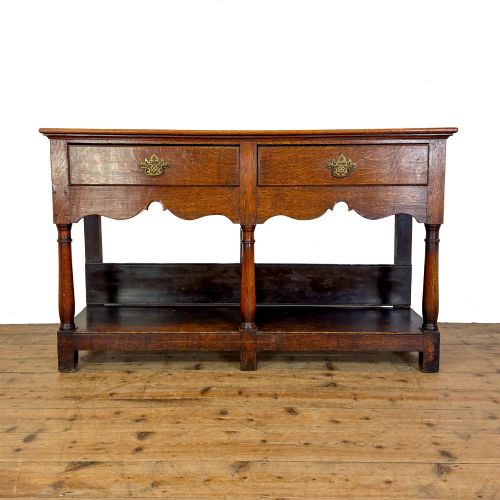
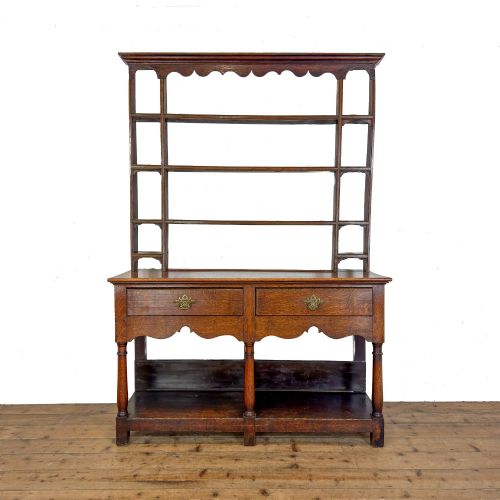
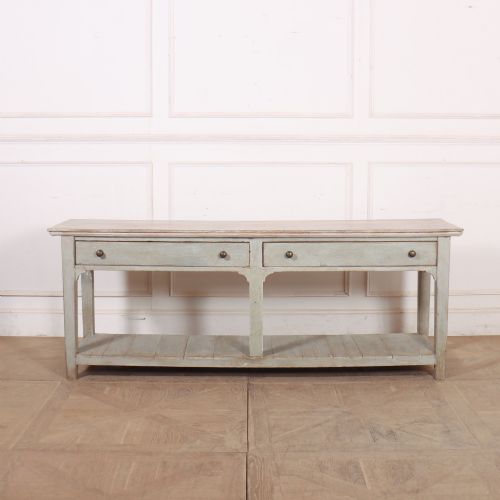
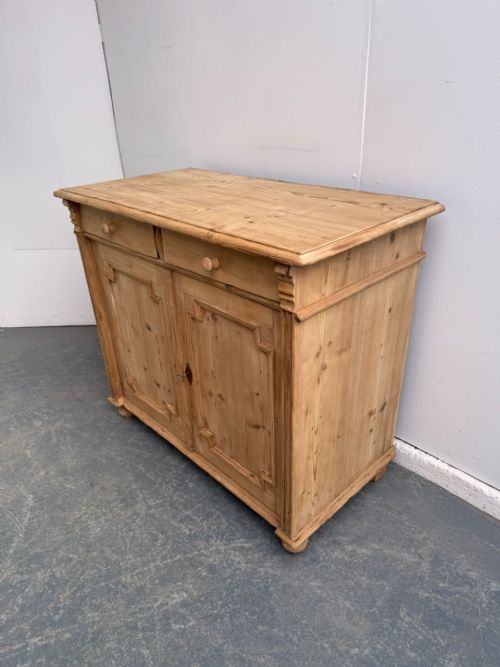
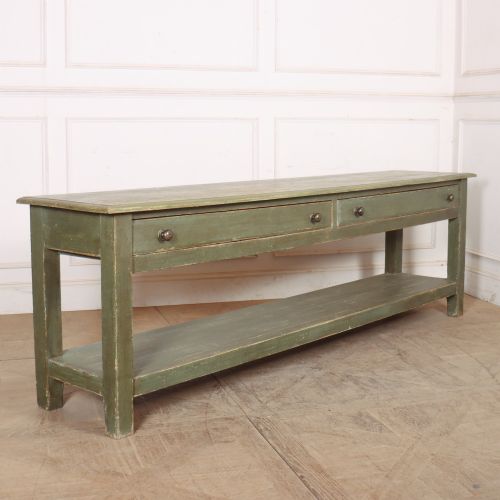
The pieces listed on this page showcase distinct configurations, including potboard bases, enclosed cupboards, and server tables with brass hardware. Oak and mahogany dominate the selection, accompanied by painted pine and walnut variants reflecting rural and urban domestic traditions.
Materials and construction
Cabinetmakers utilised solid timbers such as oak, mahogany, and pine, often incorporating wood inlay and painted finishes to achieve varied aesthetic effects. Joinery techniques relied on traditional framing and panel construction, ensuring structural integrity across centuries of domestic service.
Hardware components typically feature cast brass handles and escutcheons, securing doors and drawers constructed with hand-cut dovetails. Potboard shelves and lower tiers were integrated into dresser bases to provide stable platforms for heavy kitchen and dining wares.
Georgian Two Drawer Sideboard Retail Price Guide 2026
Typical asking prices for georgian two drawer sideboard among the pieces listed under this phrase on Sellingantiques today, from the lower quarter to the upper quarter. They describe what is for sale here now, not the wider market.
Country vernacular traditions appear alongside formal mahogany servers, showing brass hardware, potboard shelves, and wood inlay.
Evaluating the pieces
Quality separates through the selection of timber grain, the precision of dovetail joints, and the preservation of original surfaces. Pieces displaying crisp wood inlay and untouched patination sit distinctly apart from later alterations or heavily restored examples.
The execution of secondary woods, the integrity of structural potboards, and the harmonious proportion of drawers to overall cabinetry dictate the standing of individual specimens within their period.
The Georgian Two Drawer Sideboard Glossary
- Potboard base
- A low sideboard or dresser base featuring an open lower shelf traditionally used for storing pots and pans. This structural feature is common in Welsh and English country furniture.
- Dovetail
- A joint formed by interlocking wedge-shaped fingers, widely used in drawer construction for superior tensile strength. Hand-cut examples indicate earlier period manufacture.
- Chiffonier
- A compact sideboard or cabinet developed during the Regency and Victorian periods, often incorporating shelves or a drawer back. They served supplementary storage functions in dining rooms and parlours.
- Patina
- The surface sheen and coloration developed through age, handling, and waxing over many decades. It remains a key indicator of authenticity.
Georgian Two Drawer Sideboard: Frequently Asked Questions
What distinguishes a sideboard from a dresser base?
Sideboards generally feature formal cabinetry designed for serving and storage in dining spaces, whereas dresser bases historically originated in kitchens to hold cookware and provisions.
Over time, vernacular forms crossed stylistic boundaries, leading to regional overlaps in how these two terms describe low timber cabinetry with drawers.
How should I care for an antique timber surface?
Maintain timber surfaces by applying traditional beeswax sparingly and buffing with a soft cloth to preserve the natural grain and protective finish. Avoid placing antique furniture near direct heat sources or strong sunlight to prevent wood shrinkage and fading.
Consistent indoor humidity levels ensure that structural joints and drawer actions remain stable over years of daily use.
Where were these regional sideboards made?
Many examples originate from rural workshops across Wales and the English countryside, utilising locally sourced woods such as oak and pine. Other refined pieces emerged from urban cabinetmakers favouring imported mahogany and decorative inlay.
Regional construction traits often reveal whether a piece belongs to the Welsh vernacular tradition or English formal cabinetmaking.
Are painted finishes period-correct?
Painted finishes appear frequently on vernacular pine and country timber furniture, serving both decorative and protective purposes in domestic settings. Many pieces were painted or stripped across successive generations of use.
Evaluating the underlying paint layers helps determine whether a painted surface reflects historical application or later decorative updates.