

Georgian Twist Glass
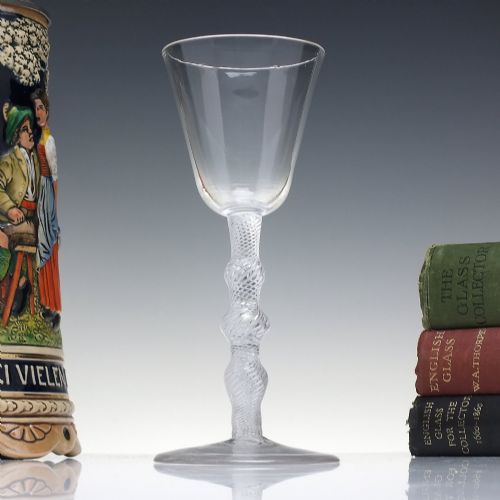
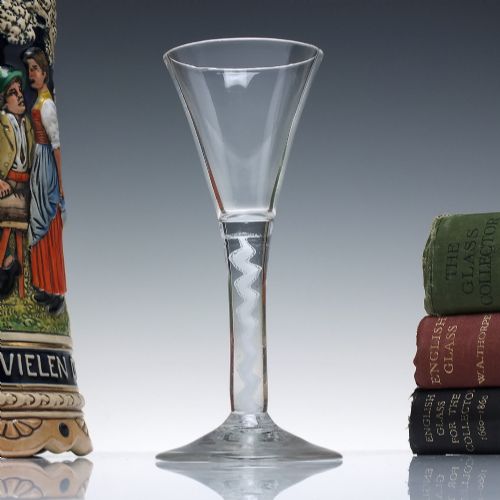
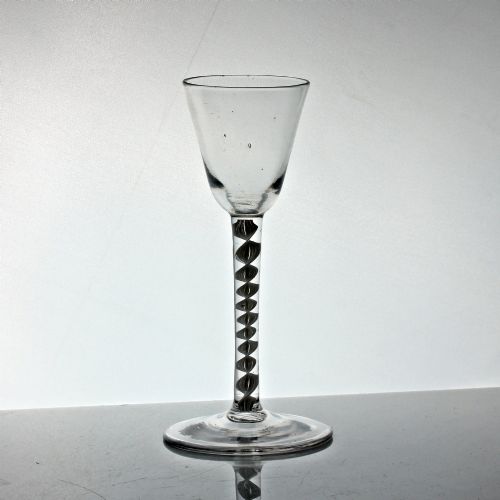
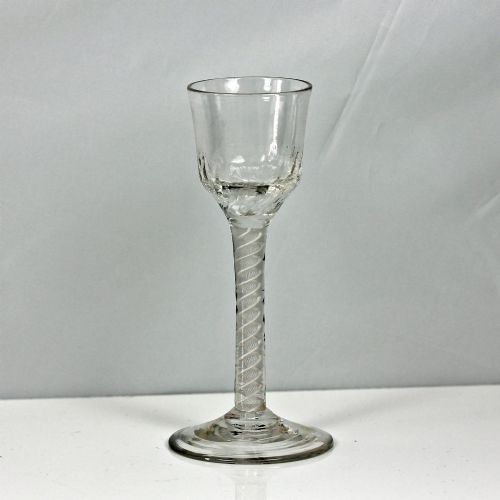
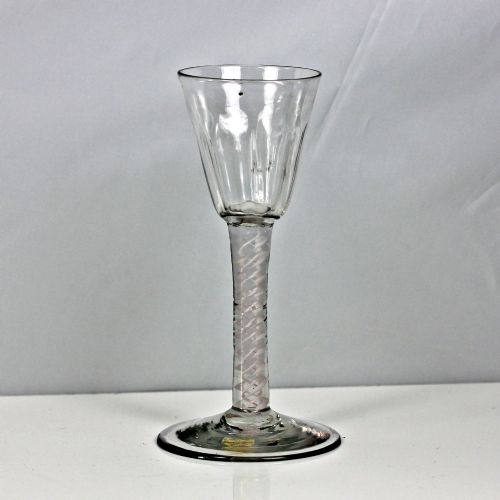
Georgian twist glass forms an essential branch of drinking vessels, prized for the intricate optical threads trapped within clear stems.
Georgian Twist Glass
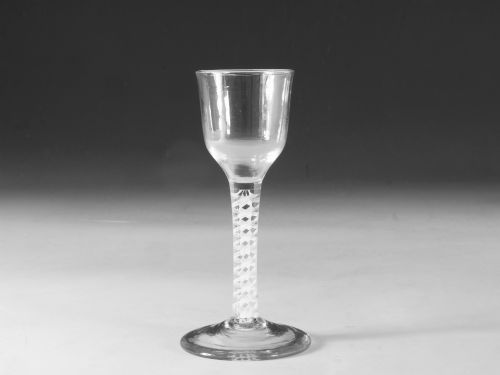
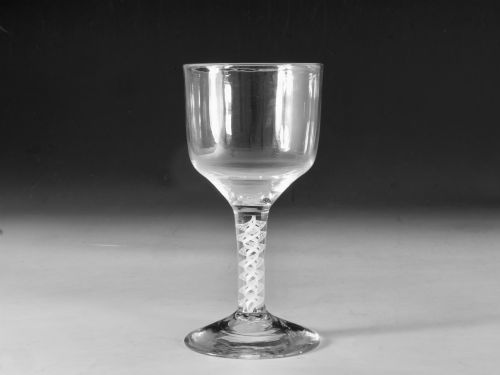
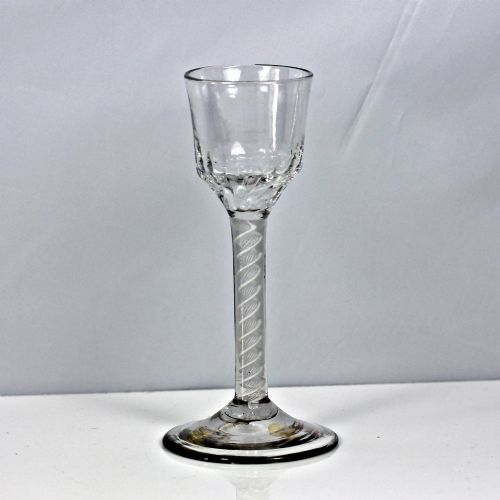
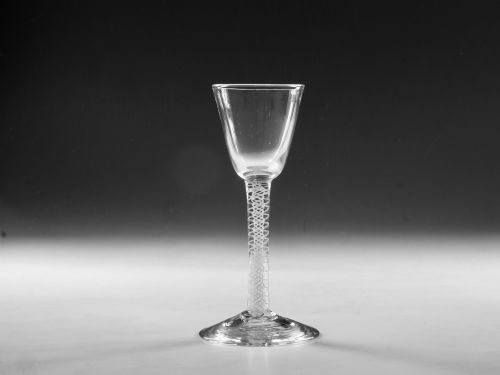
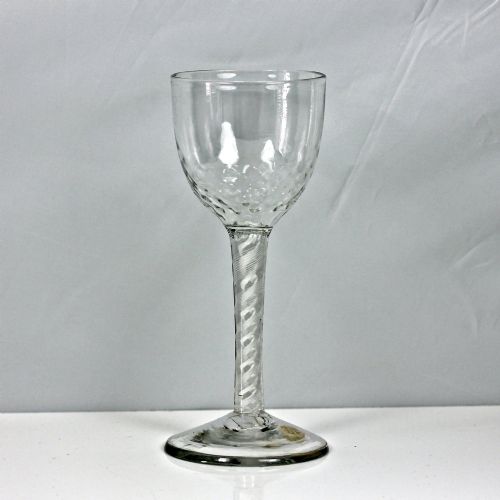
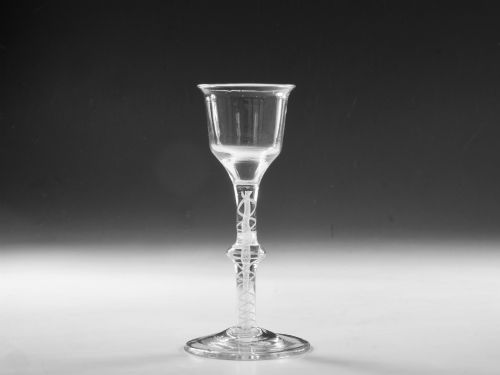
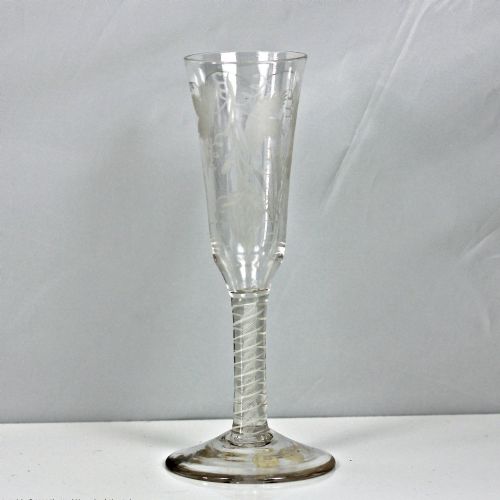
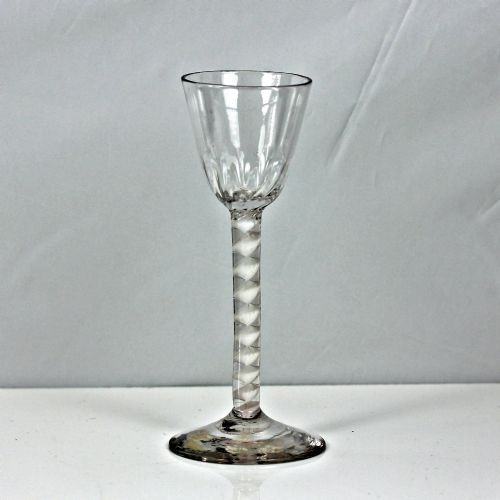
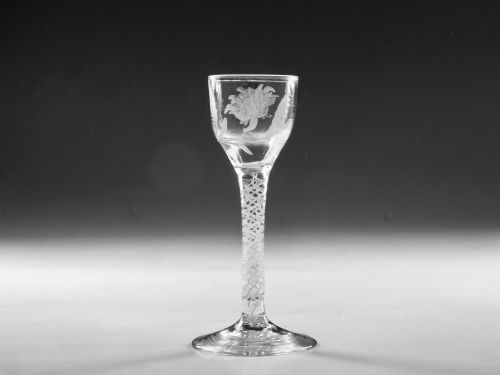
When searching for a georgian twist glass, collectors examine lead glass drinking vessels shaped primarily as wine glasses, ale glasses, and goblets. Most examples originate from the eighteenth century, featuring slender stems enclosing delicate spiral patterns formed from air or white enamel.
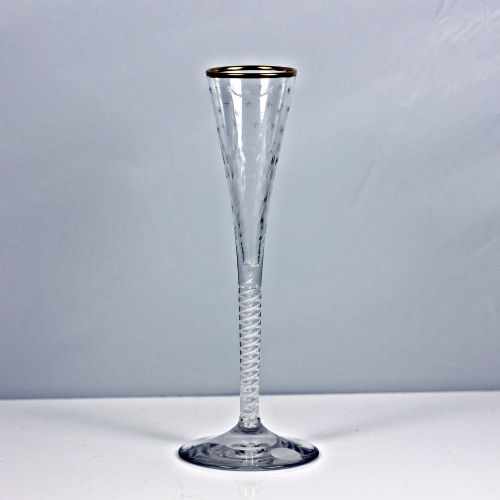
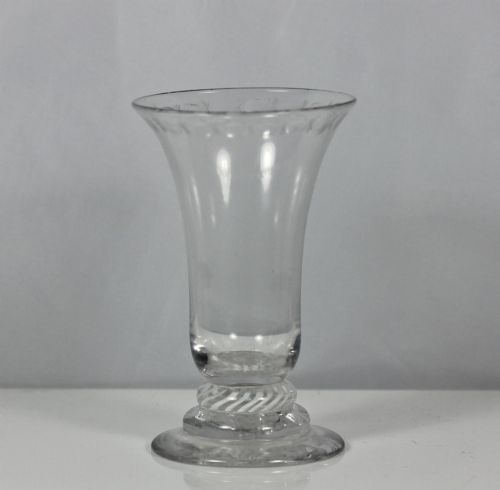
Beyond standard wine glasses, the selection includes specialised forms such as jelly glasses, ratafia glasses, sweetmeat glasses, and champagne vessels. Bowl shapes vary significantly, taking the form of rounded funnels, ogees, trumpets, and bells atop plain or domed feet.
While eighteenth-century drinking vessels dominate the selection, the listings also incorporate occasional related items like bureau bookcases with barley twist legs and nineteenth-century overmantel mirrors. The core focus remains firmly on stemware decorated with distinct optical twists in the glass formation.
How they were made
Glassmakers utilised lead glass and lead crystal to achieve the clarity and weight characteristic of these vessels. Flint glass and enamel glass also appear, providing different refractive qualities for the body and the internal threads.
The stems were formed by drawing and twisting molten glass to trap air channels, or by incorporating white enamel canes into single, double, or mixed twist configurations. Additional surface decoration included hop and barley engraving, gilding, and wrythen ribbing moulded directly onto the bowls.
Georgian Twist Glass Retail Price Guide 2026
Typical asking prices for georgian twist glass among the pieces listed under this phrase on Sellingantiques today, from the lower quarter to the upper quarter. They describe what is for sale here now, not the wider market.
Listings feature lead glass and lead crystal vessels alongside enamel and flint glass variants.
What varies in quality
The distinction between ordinary and superior pieces rests on the complexity and precision of the internal stem formation. Multi-spiral air twists and intricate double or mixed opaque twists demand advanced skill from the glassmaker, resulting in sharper visual contrast and cleaner symmetry.
Clarity of the lead crystal and the condition of the surface engraving dictate the overall refinement of a vessel. Deeper, crisper wheel-engraved motifs like Jacobite emblems or floral details separate standard tablewares from exhibition pieces.
The Georgian Twist Glass Glossary
- Air twist
- A stem formation containing elongated bubbles drawn into spiral threads. This technique creates a silvery optical effect inside clear lead glass.
- Opaque twist
- A stem containing threads of white enamel glass twisted into linear patterns. These threads can appear as single, double, or complex multi-series designs.
- Ogee bowl
- A bell-shaped drinking vessel with an 'S' curve profile that flares outward at the rim. This form appears frequently on eighteenth-century wine glasses.
- Ratafia glass
- A tall, narrow drinking vessel designed for sweet fruit liqueurs. Examples often feature generous engraving along the upper bowl.
- Sweetmeat glass
- A shallow bowl on a stem intended for confectioneries or small preserved fruits. These pieces frequently sit on domed feet.
- Wrythen
- A decorative spiral ribbing moulded into the body of the glass. This surface texture catches light alongside internal stem twists.
Georgian Twist Glass: Frequently Asked Questions
How do opaque twists differ?
Opaque twist glasses incorporate white enamel rods melted into the stem rather than trapped air. These enamel canes form opaque white threads running through clear glass.
Makers combined these threads into single, double, or mixed series alongside air elements to produce varied internal patterns.
What are Jacobite glasses?
Jacobite glasses are eighteenth-century drinking vessels engraved with hidden political symbols supporting the exiled Stuart dynasty. Common motifs include roses, oak leaves, and specific portraits.
These pieces served secret toasts among sympathizers, utilising subtle iconography that avoided direct treason charges.
How should I display stemware?
Display these vessels in well-lit cabinets where light can pass through the clear lead crystal and illuminate the internal twists. Adequate spacing protects fragile rims and delicate bowl engravings.
Keeping them away from direct sunlight and temperature fluctuations preserves the structural stability of the historic glass.