

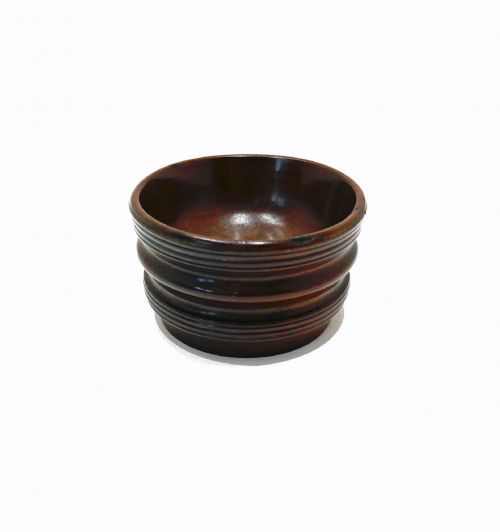


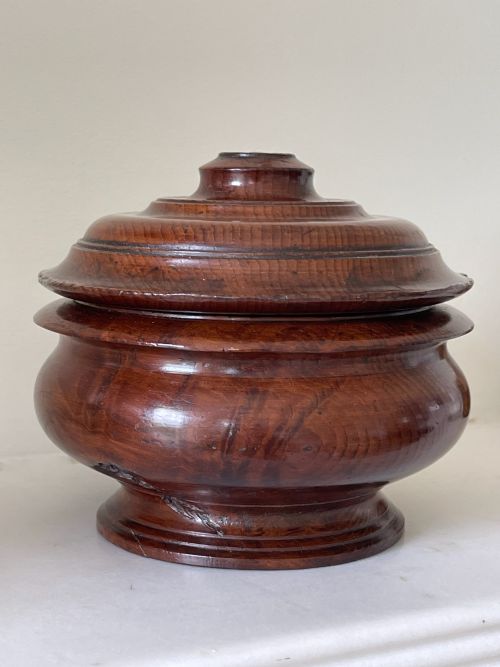


Georgian Turned Bowl
A georgian turned bowl is a timber vessel shaped on a lathe, prized for warm grain and honest utility.
Georgian Turned Bowl
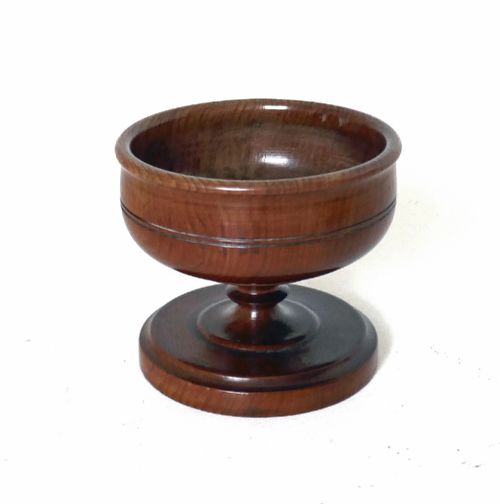
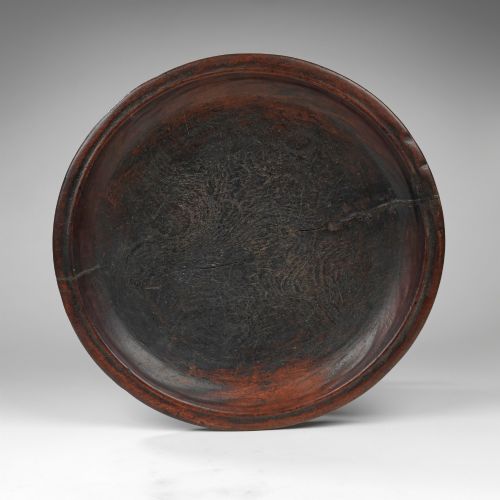
A georgian turned bowl represents domestic treen and kitchenware from the eighteenth and nineteenth centuries, shaped on a lathe from native hardwoods. Buyers seek these pieces for their tactile warmth and visible tool marks, which connect the modern interior to earlier domestic routines.
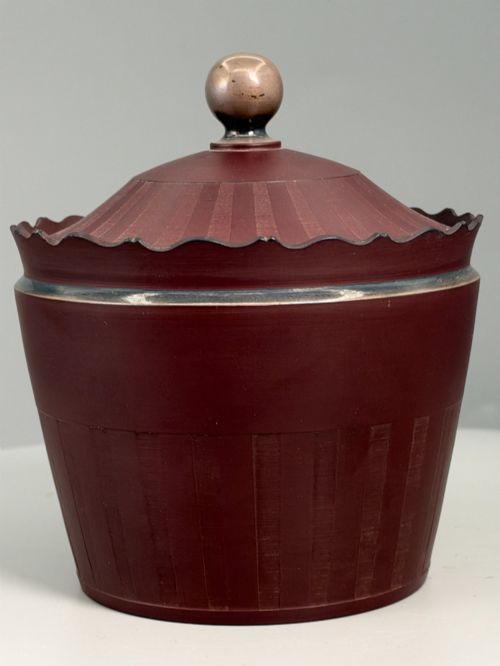
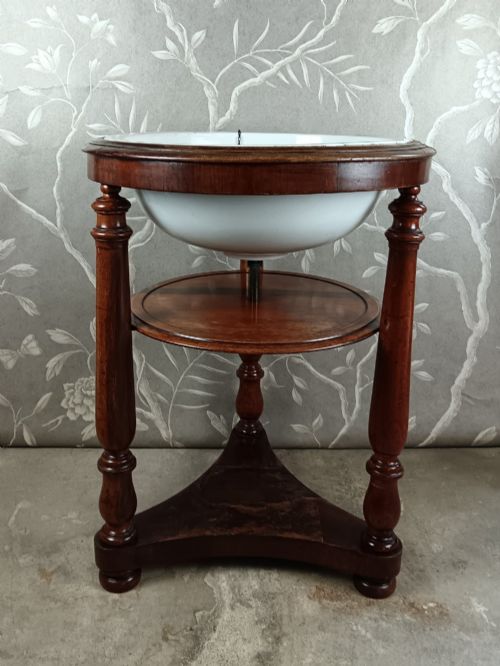
The selection on this page centres on smaller turned forms and related vessels in wood, including salts, mortars, spice pots, and washstands. These utilitarian items demonstrate the simple, functional shaping typical of English country workshops from the period.
Most examples date across the eighteenth and nineteenth centuries, utilising timbers selected for density and figure. The forms remain straightforward, prioritising utility and structural balance over elaborate decoration.
Methods and materials
Makers shaped a georgian turned bowl on a lathe using dense native timbers such as yew wood, walnut, laburnum, and mahogany. These woods were chosen for their toughness under daily use and their capacity to take a clean, smooth finish.
Turners utilised hand chisels and gouges against the spinning wood to define rims, bases, and profiles. This subtractive method left concentric scoring and subtle irregularities across the surface.
Selected pieces incorporate secondary materials like brass, bronze, ceramic, and silver for mounts or pestles, combining turned timber with metalwork to create functional kitchen and pantry equipment.
Georgian Turned Bowl Retail Price Guide 2026
Typical asking prices for georgian turned bowl among the pieces listed under this phrase on Sellingantiques today, from the lower quarter to the upper quarter. They describe what is for sale here now, not the wider market.
Current listings feature items from the eighteenth and nineteenth centuries, spanning 1750 through to the Victorian era in wood, brass, ceramic, and bronze.
Evaluating quality and character
Quality in a georgian turned bowl depends on the crispness of the original turning and the preservation of the timber's natural grain. Superior examples retain their intended proportions without distortion from warping or heavy shrinkage.
Surface preservation dictates much of the appeal, with patination earned through handling and age separating finer survivals from dry or heavily scrubbed items. The presence of tool marks and unblemished rims indicates careful past maintenance.
The Georgian Turned Bowl Glossary
- Treen
- Small wooden domestic objects made before the widespread use of plastics and mass-produced ceramics. This term covers items from trenchers to spice pots.
- Lathe
- A machine tool that rotates wood against cutting chisels to create symmetrical, circular forms. It forms the basis of all turned bowls and salts.
- Patina
- The surface sheen and colour developed by wood over decades of handling, polishing, and exposure to light. It serves as an indicator of genuine age.
- Mortar
- A heavy bowl used with a pestle to crush and grind spices, herbs, or medicines. Eighteenth-century versions appear in wood, bronze, and stone.
Georgian Turned Bowl: Frequently Asked Questions
What is a georgian turned bowl used for?
These wooden vessels served various domestic and pantry tasks, including food preparation and holding dry goods.
Today, collectors use them as decorative display items or for storing small modern accessories around the home.
How do I clean a georgian turned bowl?
Maintenance requires only a soft, dry cloth to remove dust without disturbing the historic surface.
Water, harsh detergents, and modern polishes must be avoided to prevent grain raising and drying out.
What woods were used for these bowls?
English turners relied on native hardwoods such as yew, walnut, laburnum, and mahogany.
These timbers offered the necessary density and stability for shaping on a lathe.
How do I date a turned wooden bowl?
Dating relies on tool marks, timber selection, wear patterns, and comparative forms from the eighteenth and nineteenth centuries.
Examining the base and interior reveals the turning methods characteristic of specific periods.