


Georgian Tiered Bookcase
When you handle a georgian tiered bookcase, you hold centuries of refined joinery built to display cherished volumes.
Georgian Tiered Bookcase
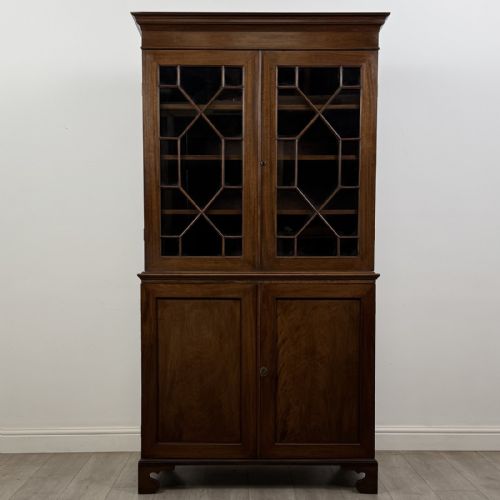
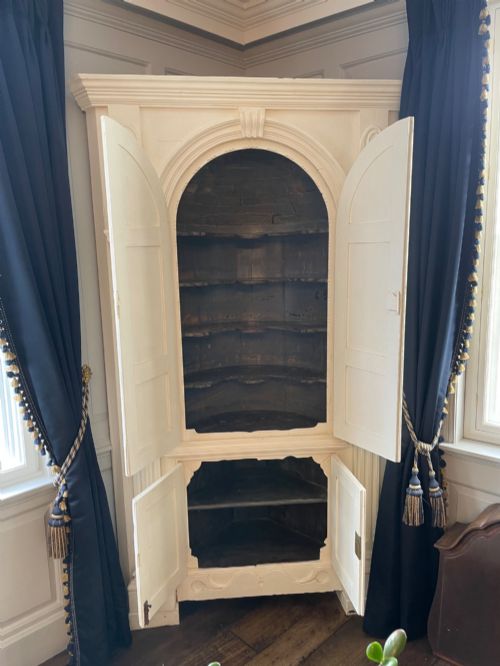
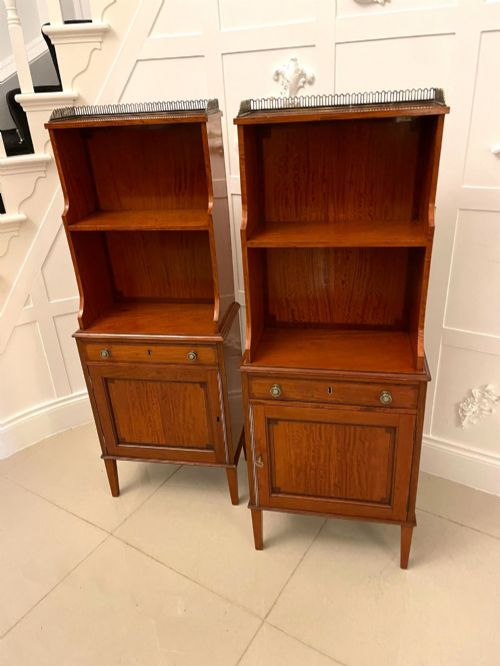
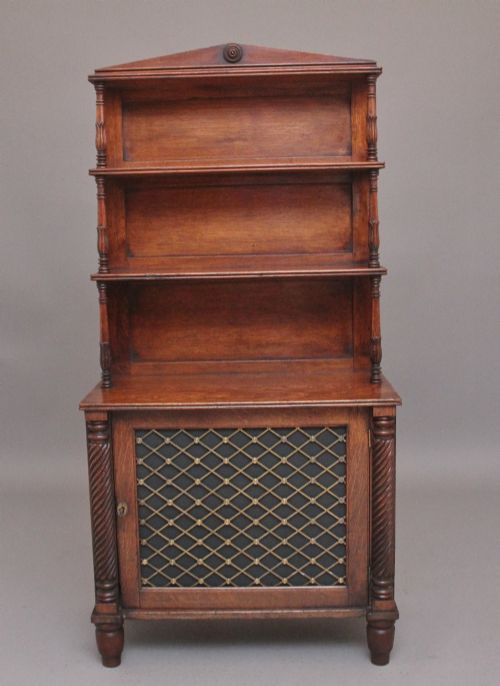
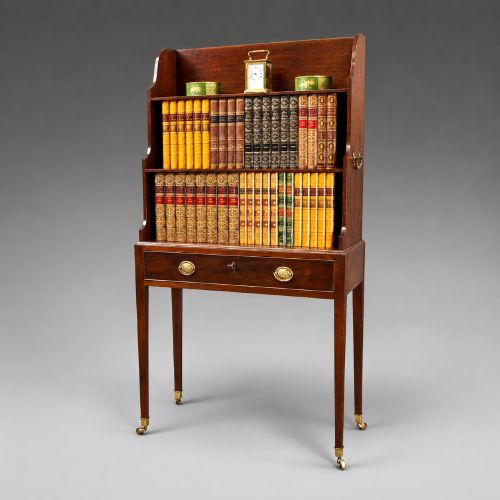
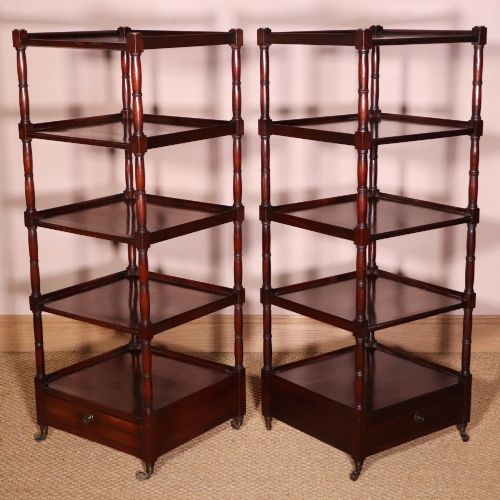
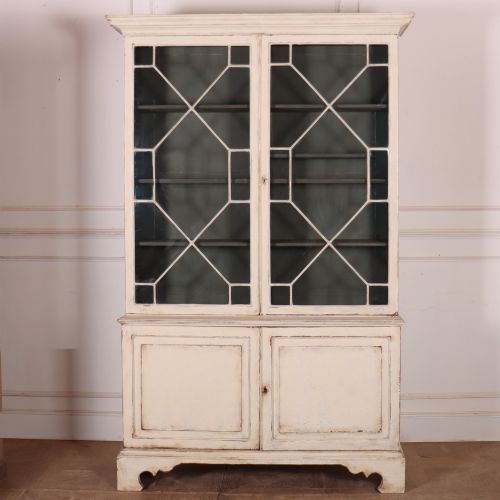
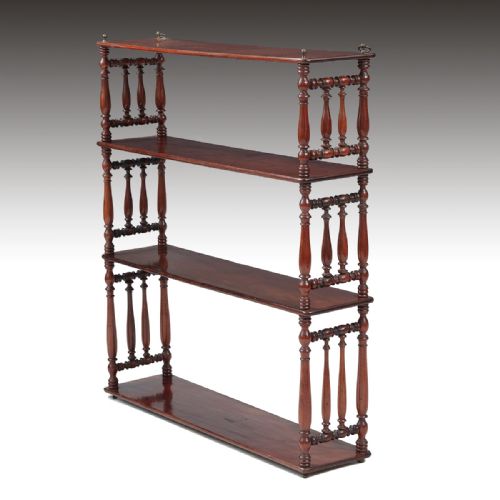
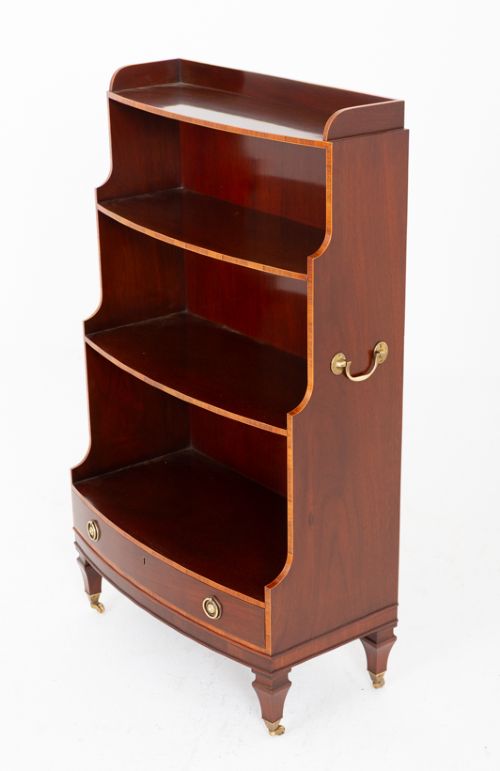
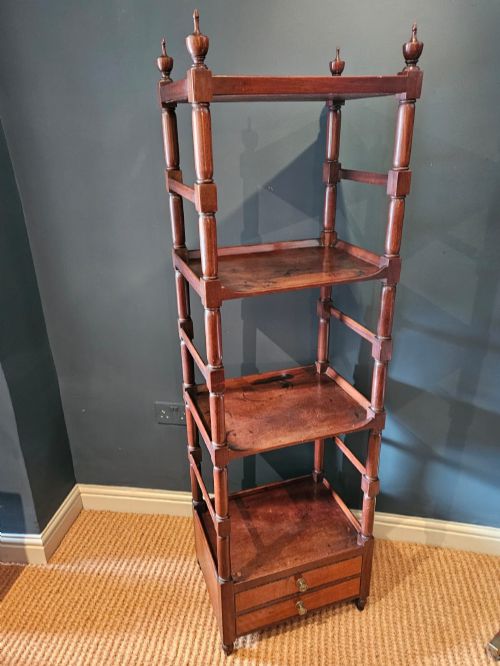
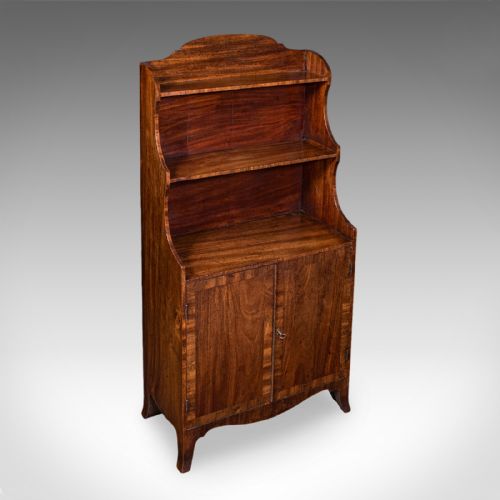
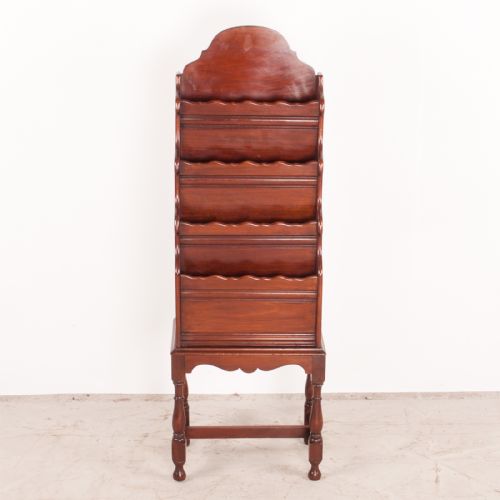
A georgian tiered bookcase offers graduated shelves or compartments designed to hold books and display objects within domestic interiors. These pieces present ascending tiers, often taking the form of open bookcases, hanging shelves, or whatnots.
The selections span distinct periods including the Georgian era, Regency, and later revival movements like the Edwardian period. Mahogany remains the dominant timber, accompanied by oak, rosewood, satinwood, and pine.
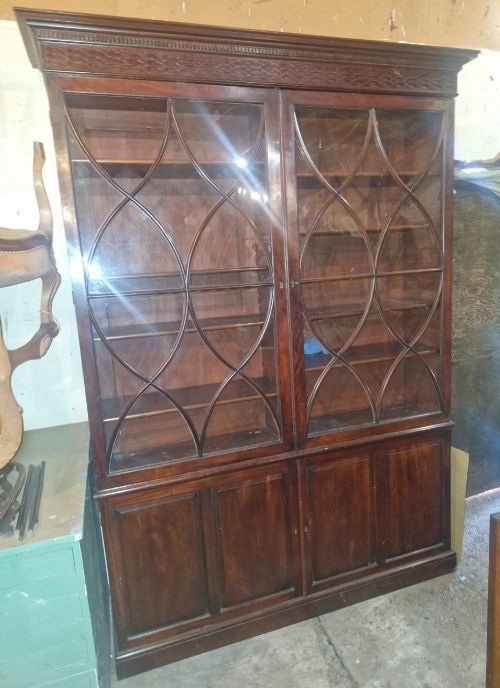
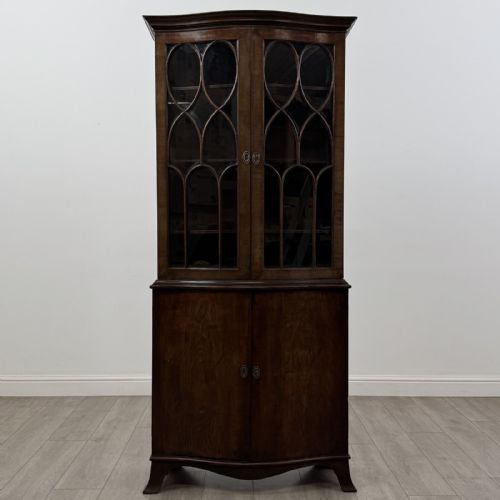
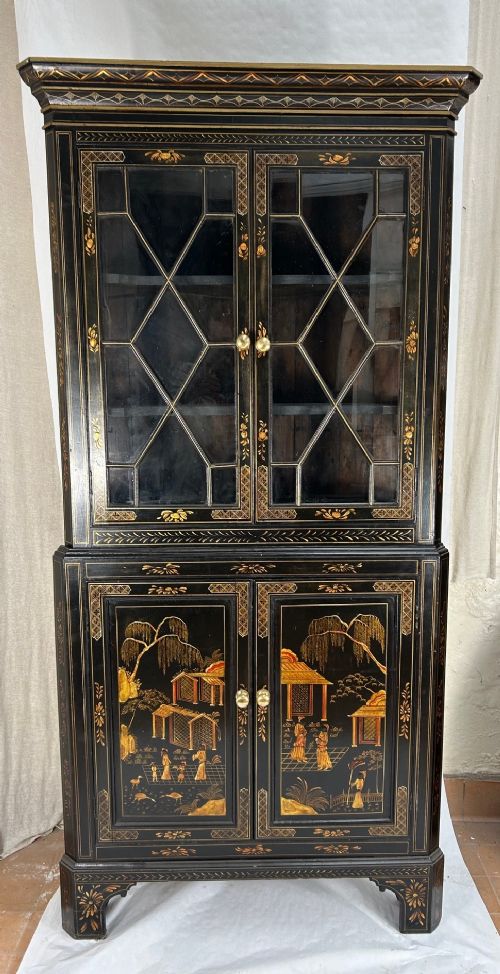
The most frequent iterations on this page combine graduated shelving with freestanding or wall-mounted frames. Collectors encounter variations from compact corner cupboards to broader breakfront library cabinets.
Materials and construction methods
Cabinet makers utilised solid timber and veneers, frequently selecting mahogany for its stability and rich grain. Selected pieces incorporate decorative elements such as boxwood stringing, cross banding, and marquetry.
Structural integrity relied upon traditional joinery techniques, paired with brass fittings for hinges, castors, and supports. Glass panels feature in glazed bookcase doors, while painted pine and lacquered finishes appear on regional items.
Georgian Tiered Bookcase Retail Price Guide 2026
Typical asking prices for georgian tiered bookcase among the pieces listed under this phrase on Sellingantiques today, from the lower quarter to the upper quarter. They describe what is for sale here now, not the wider market.
Listings feature mahogany predominantly, alongside rosewood, satinwood, oak, and pine across pieces spanning the Georgian period to the 1930s.
The markers of distinction
Quality rests in the choice of timber and the precision of the secondary woods used in carcase construction. Finer examples display thoughtful grain matching across the tiers and disciplined execution of stringing.
Proportion and architectural balance separate standard items from exceptional ones. Maker attribution, such as work associated with Gillows, elevates the standing of a tiered bookcase through documented craftsmanship.
Gillows
The Georgian Tiered Bookcase Glossary
- Waterfall bookcase
- A tiered bookcase featuring graduated open shelves where each level steps back progressively from the one below. This form became popular during the Regency and Georgian periods.
- Whatnot
- A piece of freestanding furniture composed of several open tiers used for displaying books or ornaments. These date across the 18th and 19th centuries.
- Cross banding
- A decorative border of veneer laid with the grain running perpendicular to the surrounding wood. It frames drawer fronts and shelf edges on better cabinet work.
- Breakfront
- A large cabinet or bookcase where the central section projects forward from the flanking wings. This architectural arrangement adds depth to large libraries.
- Stringing
- Inlaid lines of contrasting wood used to outline panels and shelves. Boxwood is frequently utilised against dark mahogany.
Georgian Tiered Bookcase: Frequently Asked Questions
What is a tiered bookcase?
A tiered bookcase is a shelving unit arranged in graduated steps, designed to hold books or display objects. These pieces range from hanging wall shelves to freestanding whatnots.
Cabinet makers constructed them primarily in mahogany and other dense hardwoods to support the weight of volumes while maintaining an elegant silhouette.
How do I date a Georgian bookcase?
Dating relies upon examining the secondary timbers, construction methods, and stylistic cues present in the piece. Georgian and Regency examples exhibit hand-cut dovetails and specific proportions characteristic of the era.
Later revival pieces from the Edwardian period or the 1920s often utilise machine-sawn elements and differing interior secondary woods.
Where were these bookcases placed?
These bookcases suited studies, libraries, and drawing rooms within domestic residences. Compact versions like corner cupboards and hanging shelves utilised smaller rooms efficiently.
Freestanding whatnots stood beside seating areas or against panelled walls to keep reference volumes close at hand.
How do I care for antique mahogany?
Antique mahogany benefits from stable room temperatures away from direct sunlight and heat sources. Maintaining consistent humidity prevents the timber and veneer from splitting.
Application of traditional wax polish preserves the natural sheen of the wood without building up synthetic residues.