



Georgian Tea Tongs
Georgian tea tongs are small silver implements designed for handling sugar cubes or leaves, prized for their fine workmanship and period charm.
Georgian Tea Tongs
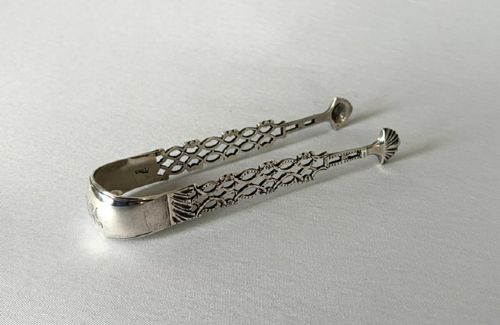
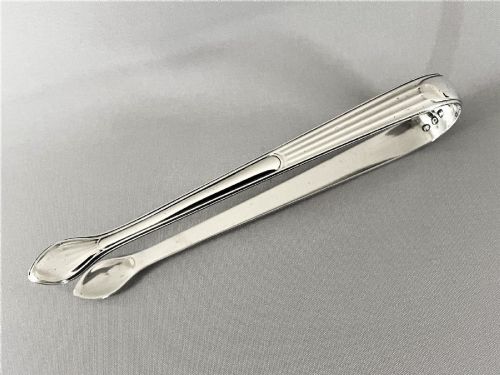
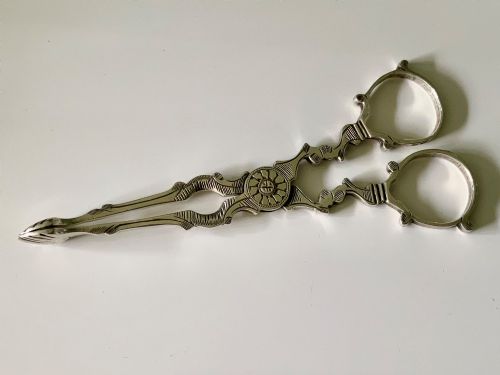
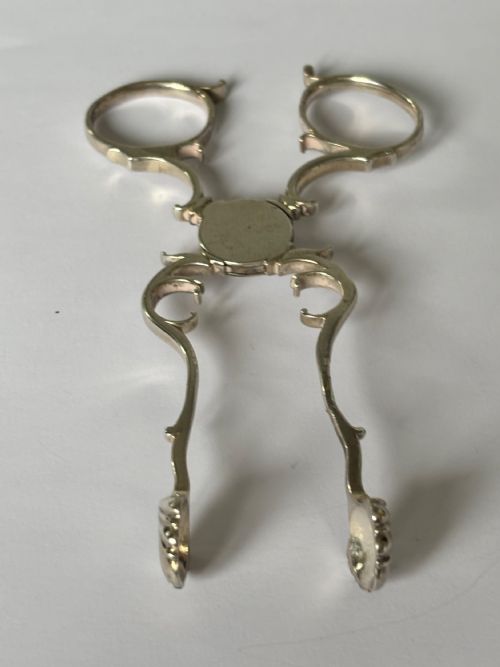
When you search for georgian tea tongs, you encounter delicate implements shaped for the tea table, including sugar nips, scissors, and sprung arms. These pieces primarily date from the eighteenth and early nineteenth centuries, reflecting the era's social rituals around tea consumption.
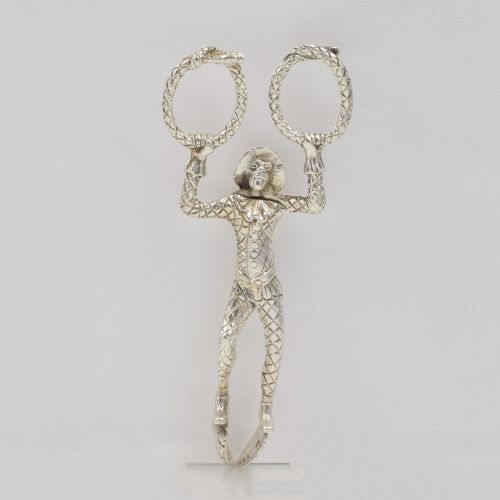
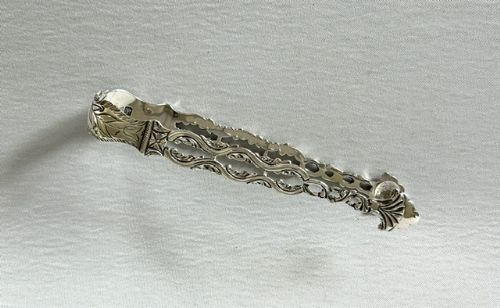
The versions most commonly met on this page span the Georgian era and later revivals, executed in sterling silver and silver. Forms range from simple pierced arms to novelty designs and cast examples originating from English, Scottish, and Irish makers.
How they were made
Makers utilised sterling silver and silver, shaping the metal through casting, piercing, and forging. These techniques allowed artisans to produce both functional sprung tongs and articulated scissor-action nips.
Decoration often involved piercing the silver blades and engraving the handles with floral or geometric motifs. Certain pieces also incorporated specialised mechanisms for novelty forms like harlequin monkeys.
Georgian Tea Tongs Retail Price Guide 2026
Typical asking prices for georgian tea tongs among the pieces listed under this phrase on Sellingantiques today, from the lower quarter to the upper quarter. They describe what is for sale here now, not the wider market.
Listings feature items spanning the Georgian, Regency, and Art Deco periods, created in sterling silver and silver.
What varies in quality
Quality rests upon the crispness of the casting and the delicacy of any pierced work on the arms. Crisp details in the bowls and hinges separate superior examples from plainer production.
The presence of clear hallmarks significantly elevates a piece, confirming the maker, assay office, and date of production. Original form and unaltered spring tension also govern the desirability of each pair.
Bateman Family·Dee And Fargus·Thomas Tookey
The Georgian Tea Tongs Glossary
- Sugar Nips
- Scissor-type implements used before sprung tongs became common. They feature opposing bowls designed to grasp sugar lumps.
- Hallmark
- A series of official marks stamped on precious metals. These indicate the standard of silver, the maker, and the year of assay.
- Cast Silver
- Silver poured into a mould to create three-dimensional forms. This method enabled detailed ornamentation on early tongs.
- Pierced
- Metalwork featuring decorative cut-out patterns. Artisans used this technique to lighten the weight and enhance the appearance of the tongs.
Georgian Tea Tongs: Frequently Asked Questions
How were georgian tea tongs used?
These implements served tea drinkers by transferring sugar lumps from the bowl into the cup without touching the food. Guests used the sprung arms or scissor handles to maintain refined etiquette during afternoon tea.
They formed part of a broader collection of silver tableware displayed on the tea table alongside caddies and spoons. Their compact size made them essential accessories for the host.
How do I care for silver tongs?
Proper maintenance involves gentle cleaning with a soft cloth and specialised silver polish to remove tarnish. Avoid harsh abrasives that can wear away engraved details or hallmarks.
Store them in a dry environment, away from direct sunlight and materials that cause rapid tarnishing, such as certain rubbers and plastics.
What is the difference between tongs and nips?
Tongs typically feature a single piece of sprung metal with two arms that press together. Nips operate on a scissor action with finger rings and a pivot point.
Scissor nips generally represent earlier eighteenth-century forms, while sprung tongs became more common toward the nineteenth century.