





Georgian Tazza
A georgian tazza brings a refined, elevated presence to any table, offering centuries of historic character in clear lead glass or earthenware.
Georgian Tazza
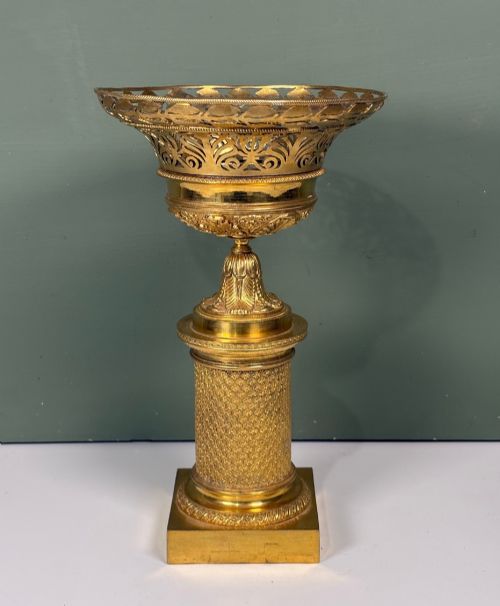
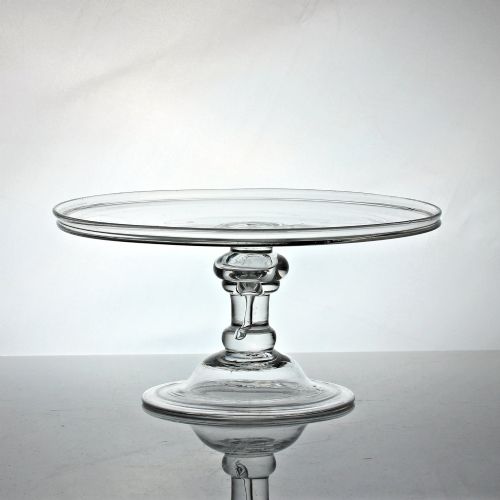
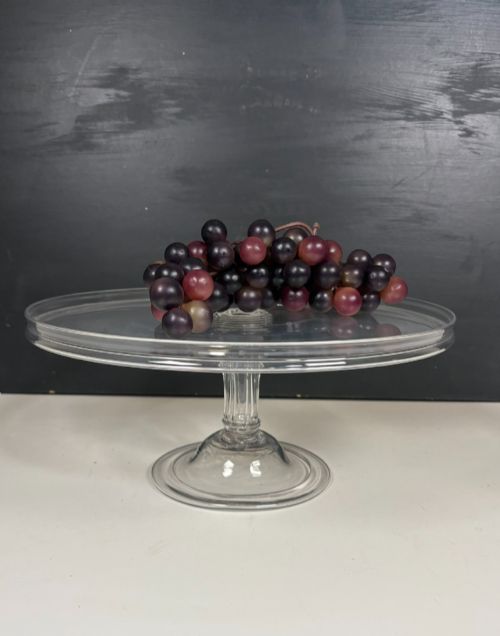
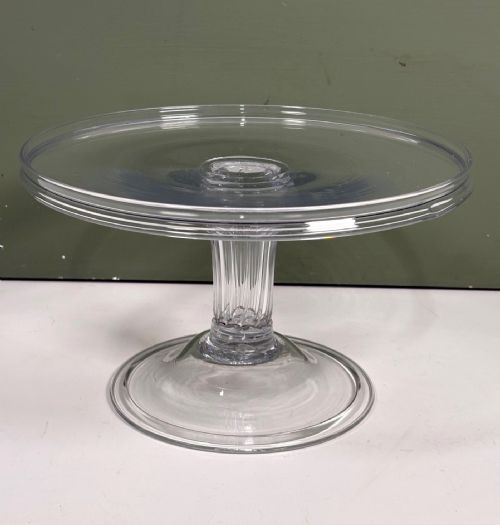
A georgian tazza is a footed pedestal dish designed for serving small items, combining functional heritage with striking proportions. The pieces span the eighteenth century and the regency era, originating primarily from English workshops.
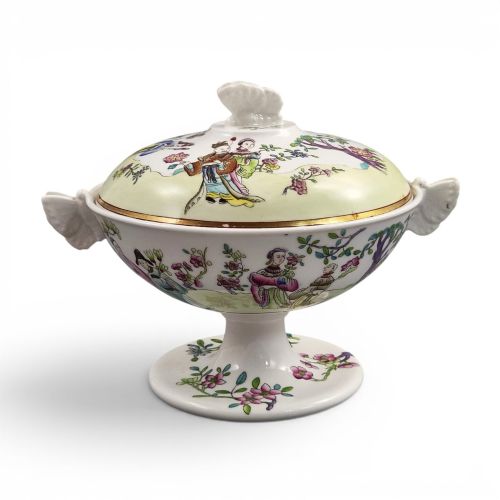
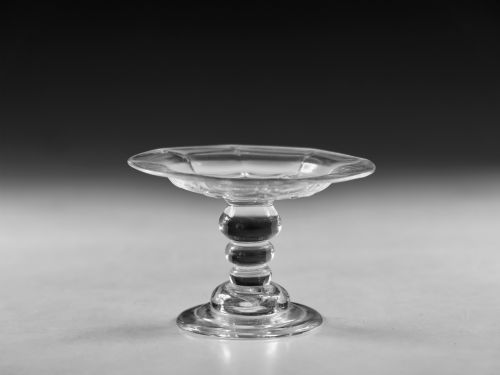
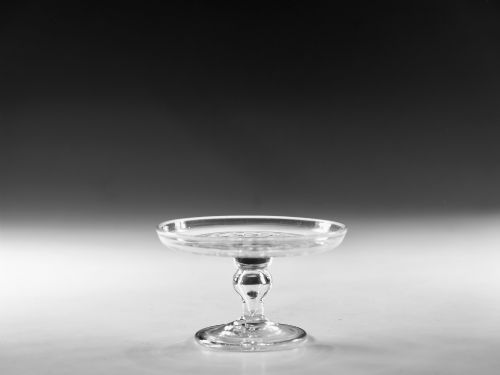
Most examples encountered on this page take the form of lead glass stemware or earthenware pottery. They range from diminutive patch stands and sweetmeat glasses to large centrepiece bowls and pedestal platters.
The aesthetic bridges utilitarian serveware and decorative display. Buyers will find clear flint glass items alongside blue and white transfer-printed pottery bearing distinct heraldic or castle patterns.
Assessing quality
Quality rests upon the crispness of moulded details, such as honeycomb patterns, and the clarity of the lead glass. Superior pieces maintain balanced proportions between the spreading folded foot, the stem, and the upper tray.
The execution of decorative elements, including transfer-printed patterns or gilt interiors, dictates the standing of ceramic and metal variants. Precision in the turning of stems and uniformity in the glass metal distinguish finer examples from standard production.
Georgian Tazza Retail Price Guide 2026
Typical asking prices for georgian tazza among the pieces listed under this phrase on Sellingantiques today, from the lower quarter to the upper quarter. They describe what is for sale here now, not the wider market.
Early patch stands once held tiny silk patches that eighteenth-century diners used to cover blemishes or signal political allegiance.
Spode·Minton
The Georgian Tazza Glossary
- Tazza
- A small, flat-topped pedestal dish used for serving food or displaying items. This form stands on a single central foot.
- Patch stand
- A diminutive glass pedestal dish originally intended to hold cosmetic patches. These date predominantly to the early eighteenth century.
- Baluster stem
- A thick, curving glass stem shaped like a baluster pillar. It is commonly found on lead glass drinking vessels and serving dishes from the eighteenth century.
- Flint glass
- An early form of heavy, brilliant lead glass developed in England. It allowed for deep optical moulding and sharp surface detailing.
- Sweetmeat glass
- A small footed dish designed for confectionis, nuts, or preserved fruits. They frequently share forms with patch stands and small tazzas.
Georgian Tazza: Frequently Asked Questions
What is a georgian tazza used for?
These elevated dishes served sweetmeats, fruit, or small confections during formal dining across the eighteenth and early nineteenth centuries. Today, they function well as display pieces or for serving appetisers.
Their sturdy pedestal design allowed them to sit above the surface of the table alongside other tableware. They add historic presence when placed on sideboards or dining tables.
How do I date a glass tazza?
Dating relies on observing the manufacturing traits, such as folded feet, baluster stems, and metal weight. Earlier pieces from the seventeen-thirties often display heavier lead glass and distinct knop formations.
Later nineteenth-century examples tend toward different moulding techniques and brighter transfer-printed ceramics. Comparing foot styles and stem structures helps narrow the period of origin.
What is the difference between a tazza and a patch stand?
A tazza is generally a larger pedestal dish intended for general serveware or centrepiece display. A patch stand is a much smaller version, often measuring only a few inches across.
Patch stands specifically catered to the eighteenth-century fashion of wearing cosmetic face patches. Both share the characteristic footed pedestal form but differ significantly in scale and purpose.
Are these pieces made of lead glass?
Many eighteenth-century examples utilise heavy lead glass or flint glass, which provides a distinct clarity and resonance. Other variations on this page consist of earthenware, felspar porcelain, or brass.
Examining the material helps determine the manufacturing era and the intended function of the dish. Glass items often feature blown stems and folded rims.