

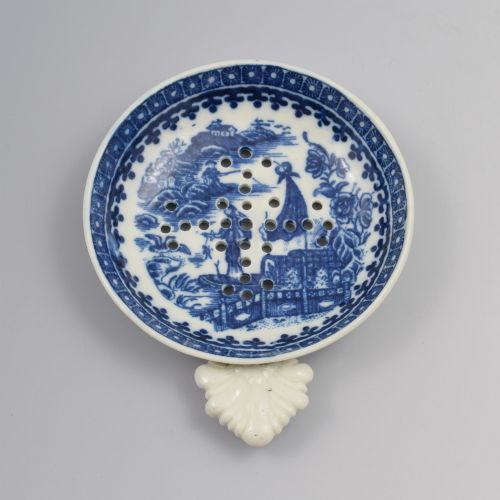


Georgian Tableware Porcelain
Georgian tableware porcelain unites utility and artistry, offering functional vessels shaped by eighteenth and nineteenth-century ceramic traditions.
Georgian Tableware Porcelain
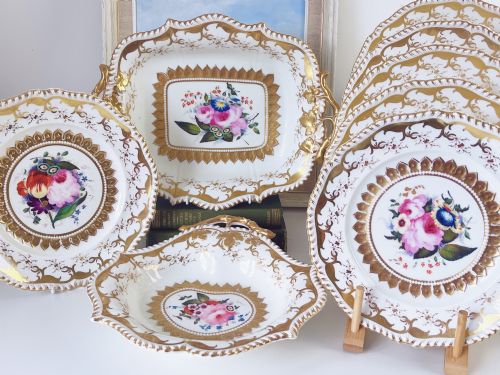
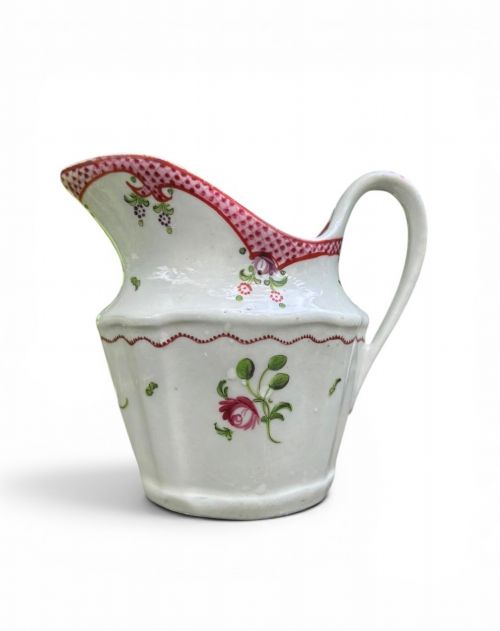
Georgian tableware porcelain comprises functional dining and serving vessels created during the Georgian and Regency periods, spanning the eighteenth and early nineteenth centuries. These pieces encompass dessert services, sauce tureens, cream jugs, and pudding bowls designed for formal dining tables.
The selections on this page feature soft-paste porcelain, earthenware, and ironstone decorated with handpainted botanical studies, armorial crests, and Chinoiserie motifs. Common forms include sauce boats, serving dishes, and chocolate cups originating from prominent English factories.
Pieces frequently reflect stylistic shifts from eighteenth-century Chinese Export influences to Regency Imari patterns and botanical designs. Buyers encounter both domestic English ceramics and Chinese famille rose imports used within British households of the era.
Materials and Manufacturing Techniques
Potters utilised soft-paste porcelain, creamware, pearlware, and ironstone body pastes, shaping them on wheels or pressing them into moulds to form tureens, dishes, and bowls. These foundational bodies received various glazes before undergoing high-temperature kiln firings.
Decoration relied on handpainted cobalt blue underglaze techniques, enamel colours, and applied gold leaf or gilding. Factories like Worcester and Caughley employed intricate transfer printing and brushwork to execute botanical subjects and Mandarin figure patterns.
Listings feature 18th Century, Georgian, Regency, and 19th Century periods, incorporating soft-paste porcelain, ironstone, and gold leaf.
Factors Distinguishing Quality
Quality in these ceramics rests upon the precision of the body moulding and the execution of handpainted details. Superior pieces display crisp relief modelling on shapes like sauce boats and baskets, alongside finely controlled enamel work.
The sophistication of the painted design separates standard production from exceptional examples, particularly in armorial crests, botanical precision, and gilding application. Factory attribution also influences standing, with established makers achieving greater artistic nuance.
Grainger Lee And Co·Wedgwood·Caughley·Spode·Bow·Coalport·Chamberlain Worcester·Minton·Flight Barr And Barr·Mason·Old Derby
The Georgian Tableware Porcelain Glossary
- Soft-paste porcelain
- A ceramic material composed of clay and glass frit, fired at lower temperatures than hard-paste porcelain. It produces a slightly warm, creamy body common in eighteenth-century English tableware.
- Pearlware
- An earthenware body developed by Josiah Wedgwood featuring a thin glaze with a slight bluish tinge. This hue counteracted the natural yellow tint of the clay to mimic Chinese porcelain.
- Ironstone
- A durable, heavy ceramic patent developed in the nineteenth century for utilitarian tableware. It resists chipping and provides a sturdy base for vibrant Chinoiserie enamels.
- Imari
- A decorative style inspired by Japanese export wares, utilising a palette of underglaze blue, iron red, and gilt. It gained significant popularity during the Regency period.
- Armorial
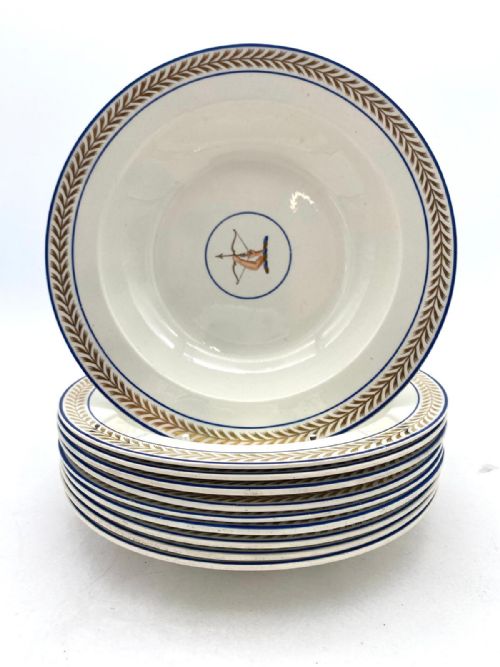
- A ceramic design incorporating a family coat of arms or crest. These bespoke commissions were painted specifically for landed gentry and aristocratic households.
Georgian Tableware Porcelain: Frequently Asked Questions
What pieces comprise a typical dessert service?
A dessert service usually includes a central comports, serving dishes, and matching plates intended for the final course of a formal meal. These suites often feature uniform botanical or armorial handpainted decoration.
Such services were displayed prominently on the dining table or sideboard during late-dinner gatherings in Georgian homes.
How do I care for antique porcelain?
Antique porcelain requires gentle hand washing in warm water with mild soap, avoiding dishwashers and harsh abrasive sponges. Proper support during handling prevents stress on fragile handles and rims.
Displaying pieces away from direct sunlight protects enamel colours and delicate gilding from fading over time.
What is the difference between porcelain and ironstone?
Porcelain is a vitrified ceramic fired at high temperatures, resulting in a translucent body that rings when struck. Ironstone is a dense, opaque earthenware designed for durability and heavy daily use.
While porcelain offers refined delicacy for display and light dining, ironstone provides robust practicality for hearty serving vessels.
How can I identify a sauce tureen?
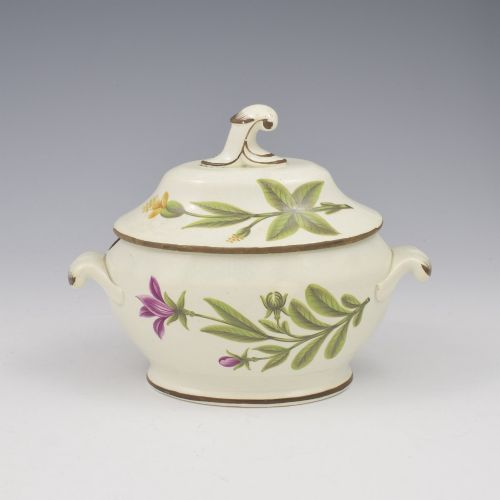
A sauce tureen is a small, deep serving vessel equipped with a matching lid and often an attached or separate stand. They were utilised at the dining table for holding hot gravies or cream sauces.
These pieces frequently mirror the shape of larger soup tureens but scaled down for individual table placement.