


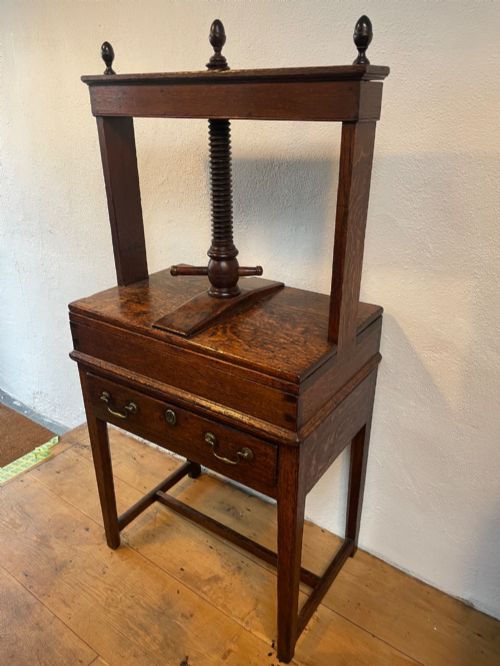
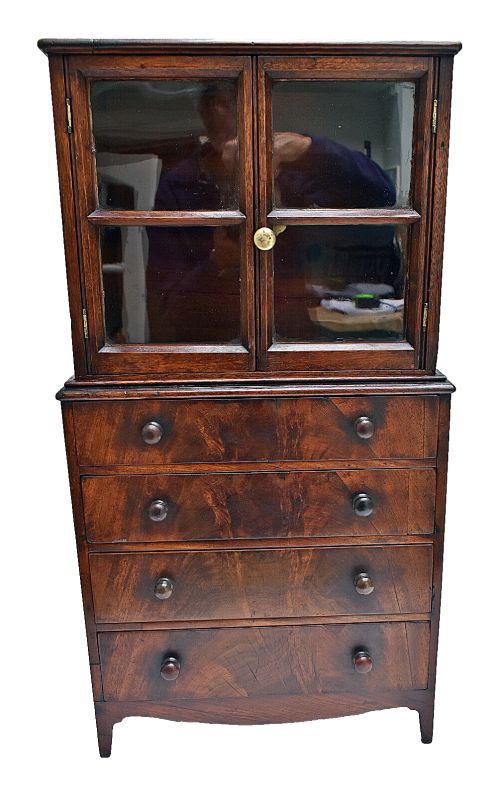
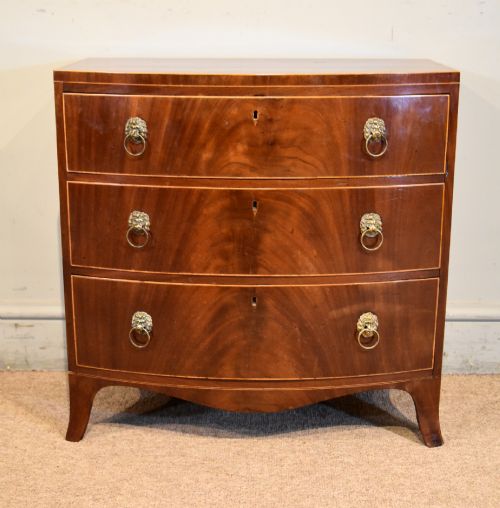
Georgian Tabletop
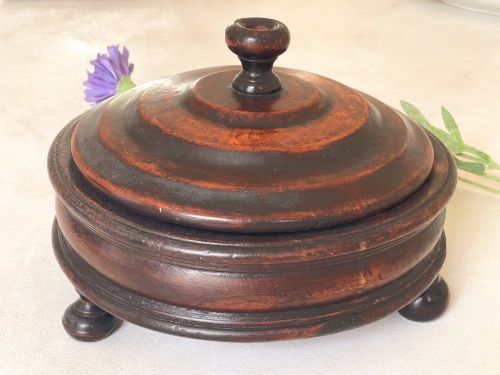
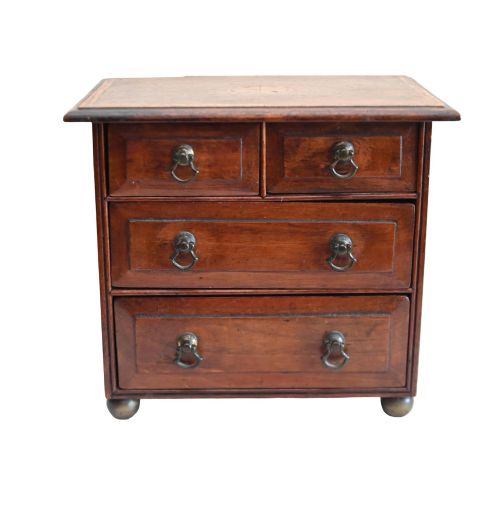
Georgian tabletop items are portable treasures like dressing mirrors, miniature chests, and spice cupboards that bring period utility to smaller spaces.
Georgian Tabletop
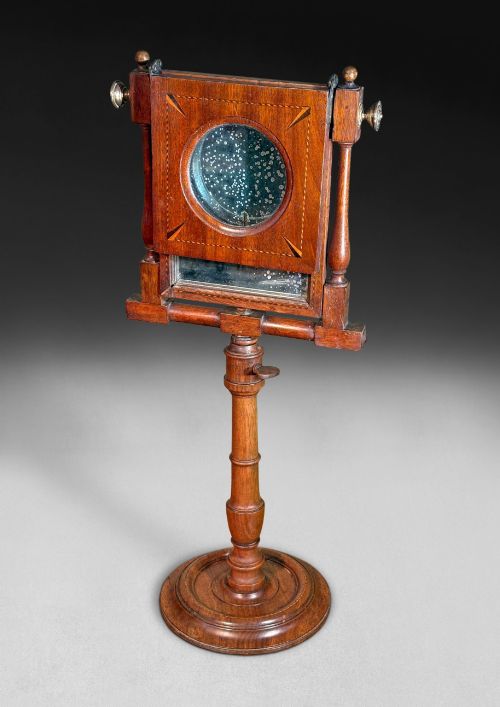
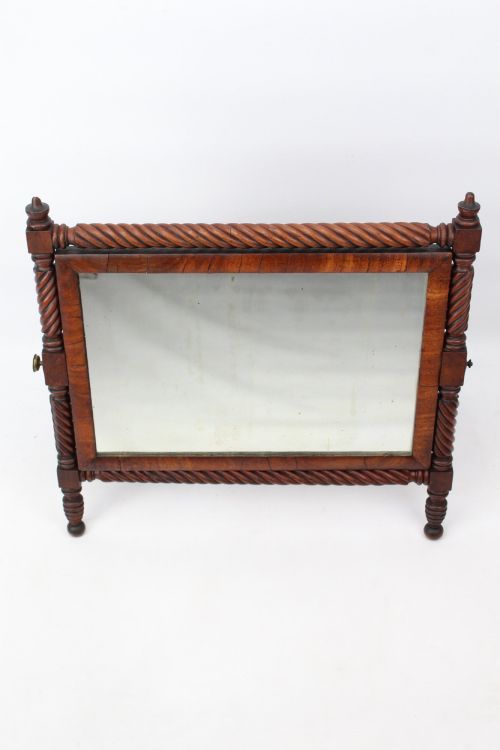
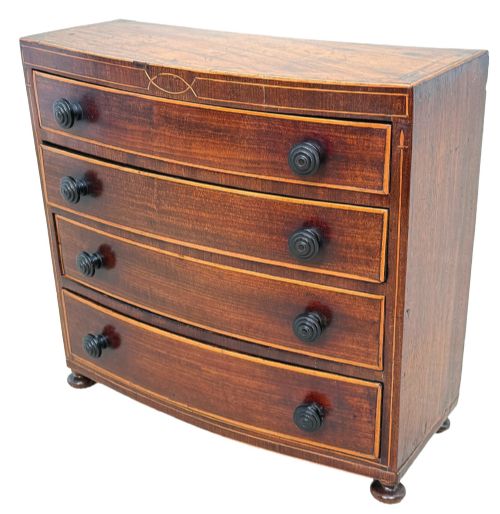
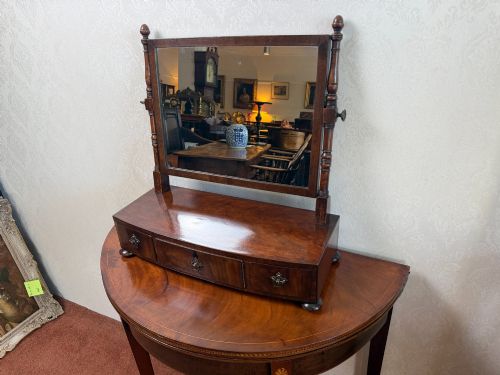
When buyers search for georgian tabletop pieces, they encounter portable furnishings designed to sit upon larger surfaces, most commonly dressing mirrors, miniature chests of drawers, and spice cupboards. These objects served functional daily purposes in domestic rooms, allowing individuals to store trinkets, tidy papers, or check their reflection.
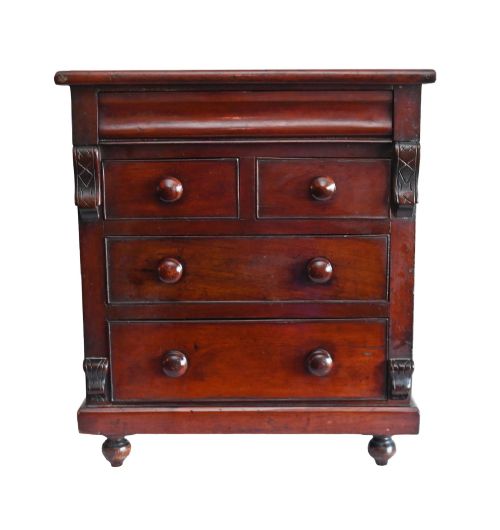
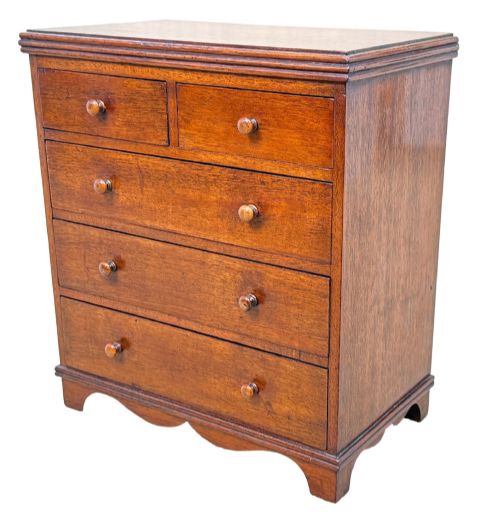
The selection on this page leans heavily towards dressing mirrors and miniature furniture built in mahogany, oak, and walnut. Forms range from shield-shaped swing mirrors to diminutive chests with bow fronts or serpentine profiles, originating across the eighteenth and nineteenth centuries.
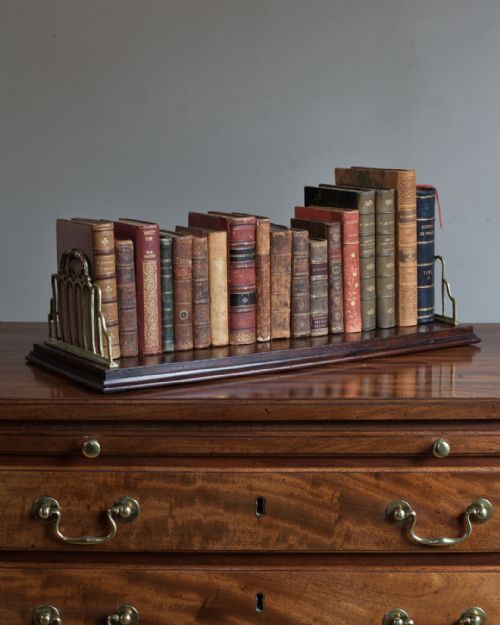
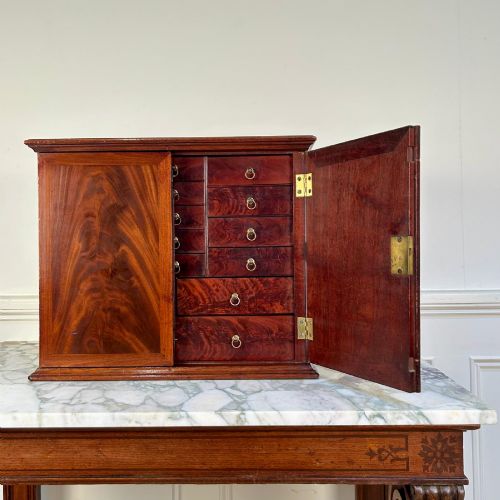
Beyond standard mirrors and miniature chests, the category encompasses smaller domestic hardware such as brass candlesticks, collectors cabinets, and table roulette games. Each piece offers a condensed version of the larger cabinetmaker's art, scaled down for placement on tables or desks.
Materials and Construction
Cabinetmakers relied primarily on figured timbers such as mahogany, walnut, and oak to construct these pieces, often enhancing the surfaces with crossbanding or fine marquetry. Secondary woods were selected for internal drawer linings, while glass was silvered for dressing mirrors and mirror glass cabinets.
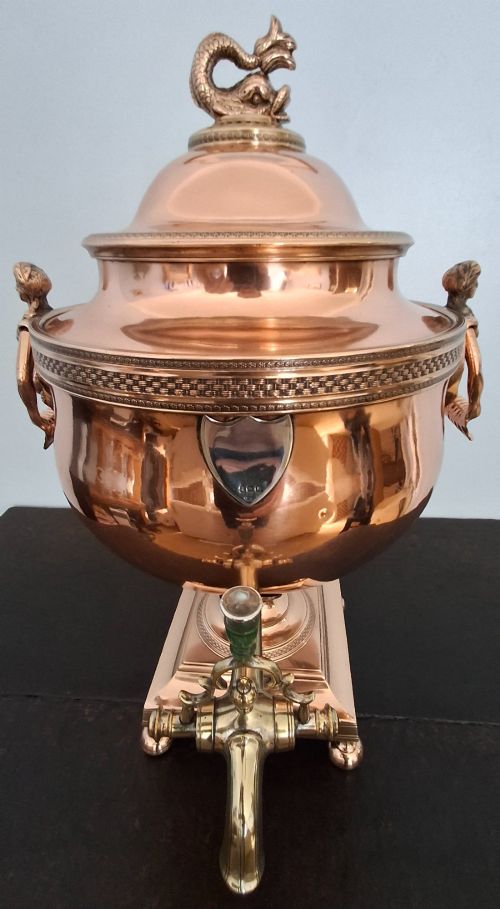
Metal components were cast and worked in brass and copper, seen in adjustable mirror arms, drawer pulls, candlesticks, and samovars. Bone, boxwood, and mirror glass appear as secondary decorative elements to accent the primary timber frames.
Joinery techniques followed traditional workshop practices of the period, utilising dovetail joints for miniature drawers and mortise and tenon frames for mirrors and small cabinets. Surfaces were hand-finished with oils, waxes, or polishes that highlighted the natural grain of the wood.
Georgian Tabletop Retail Price Guide 2026
Typical asking prices for georgian tabletop among the pieces listed under this phrase on Sellingantiques today, from the lower quarter to the upper quarter. They describe what is for sale here now, not the wider market.
Object forms include miniature chests of drawers, spice cupboards, collectors cabinets, and dressing table mirrors.
Distinctions in Quality
Quality in these portable pieces rests on the choice of timber and the crispness of the cabinetmaker's hand. Superior examples display dense, well-figured mahogany or walnut with carefully matched grain patterns across drawer fronts and mirror frames.
Proportion and scale dictate the visual success of miniature chests and dressing mirrors. The finest specimens maintain architectural harmony and balance, whereas lesser versions can appear awkward or overly heavy in their details.
The refinement of carved details, such as the shaping of a mirror's scroll ears or the turning of support columns, separates standard workshop production from exceptional craftsmanship. Original brass hardware and unblemished mirror glass further elevate the standing of a piece.
The Georgian Tabletop Glossary
- Toilet mirror
- A small mirror designed to stand upon a dressing table or chest. These often feature pivoting plates held within upright frames above small drawer bases.
- Apprentice piece
- A small-scale item demonstrating a craftsman's skill before attaining master status. Miniature chests of drawers frequently carry this attribution.
- Crossbanding
- A decorative border of veneer laid with the grain running perpendicular to the surrounding wood. This technique frames drawer fronts and mirror surrounds.
- Serpentine
- A front profile characterised by a convex centre flanked by concave curves. It requires precise woodworking skill to execute on small cabinet pieces.
- Collectors cabinet
- A specialised small piece fitted with multiple small drawers or shelves for storing specimens. These often feature locking doors to secure fragile contents.
Georgian Tabletop: Frequently Asked Questions
What is a georgian tabletop dressing mirror?
A dressing mirror is a small adjustable glass mounted on a wooden frame, designed to sit on top of a chest or table. They allowed individuals to groom themselves in rooms without large wall mirrors.
Most examples include a small base fitted with one or more small drawers for holding jewellery or cosmetics. The glass plate typically pivots on brass screw pins between two upright arms.
How were miniature chests used in the period?
Miniature chests served as functional storage for small valuables, letters, or sewing accessories on top of larger desks and tables. Some functioned as apprentice pieces created to prove a woodworker's mastery.
Their small scale allowed them to be easily moved between rooms depending on where the owner required storage. They replicate the exact joinery and proportions of full-sized case furniture in miniature form.
What woods should I look for in these pieces?
Mahogany is the most frequent timber encountered in these listings, appearing across the eighteenth and nineteenth centuries. Walnut and oak are also prominent, particularly in earlier pieces from the seventeen-hundreds.
Secondary materials include boxwood for stringing lines and brass for handles and mirror brackets. Cabinetmakers selected these dense hardwoods to ensure the small structures remained stable over time.
How do I care for antique table mirrors?
Keep wooden surfaces clean by dusting regularly with a dry cloth and occasionally applying a suitable wax. Avoid placing mirrors in direct sunlight or near heat sources to protect the old timber and veneer.
Handle the pivoting mechanism gently when adjusting the mirror angle to prevent strain on the brass pins and upright posts. The original mirror glass should be wiped carefully without harsh chemical cleaners.