


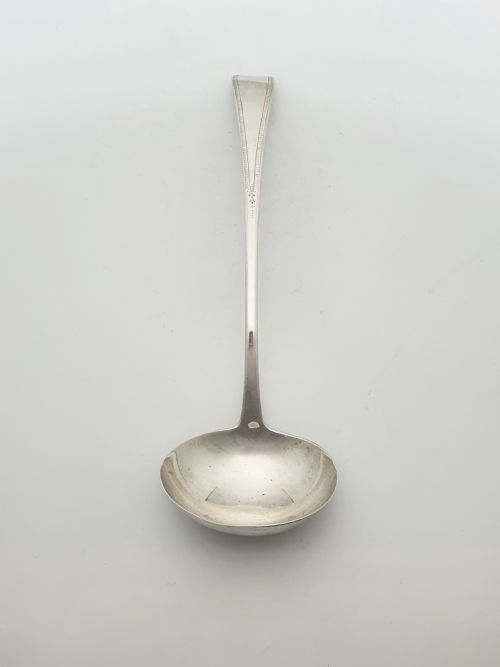


Georgian Table Silverware
When you handle georgian table silverware, you hold domestic history in sterling silver, mahogany and steel.
Georgian Table Silverware
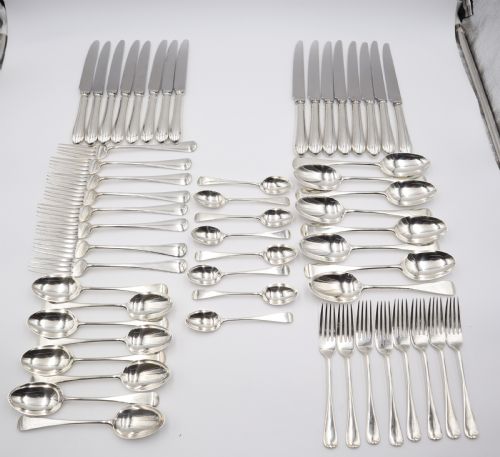
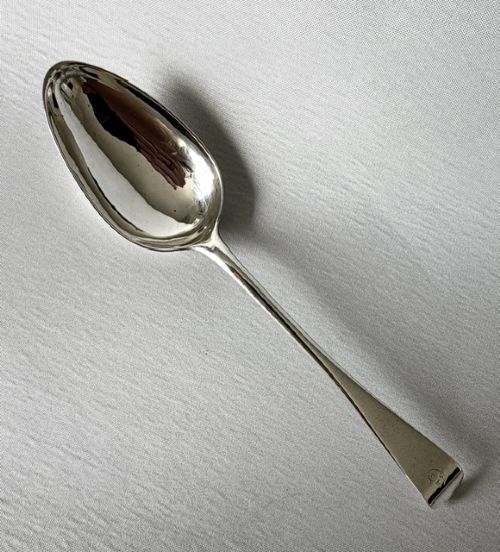
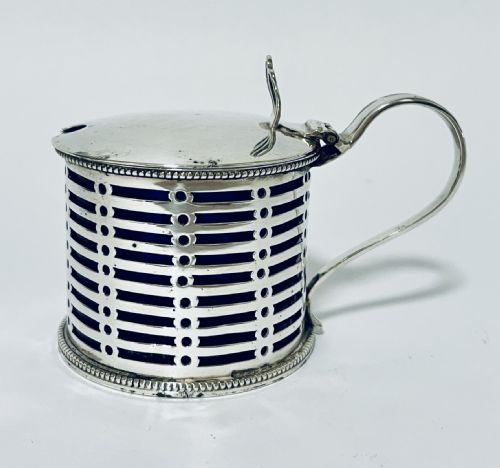
When you search for georgian table silverware, you encounter items designed for dining and serving across the eighteenth and nineteenth centuries, alongside later revivals. The objects range from serving spoons and soup ladles to sugar bowls, sauce boats and complete canteens.
You meet pieces originating from London, Dublin, Newcastle, Edinburgh and Inverness, reflecting regional British and Irish silversmithing traditions. While original eighteenth-century items appear alongside nineteenth-century pieces, twentieth-century revivals also populate the selection.
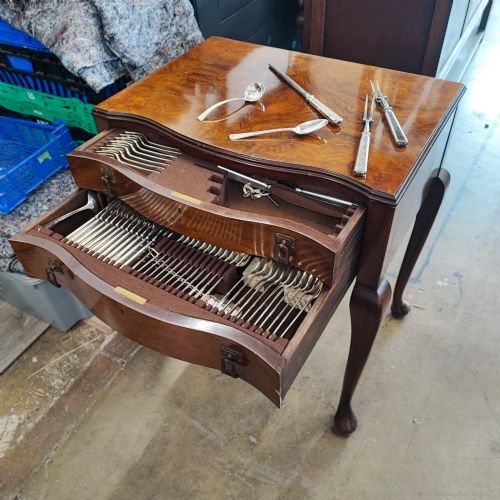
The material record includes solid sterling silver and silver plate, frequently housed within fitted mahogany cutlery chests or accompanied by glass, felt and brass components. Forms span from simple spoons to elaborate dish rings and toast racks.
How they were made
Makers shaped sterling silver and silver plate through hammering, casting and piercing, frequently applying decorative borders such as threaded edges or rococo scrolls. Smiths formed hollowware like sugar bowls and sauce boats from sheet metal or cast them in sections before soldering.
Cutlery items combined silver or silver plate with steel blades and tines, secured within handles of silver or organic materials. Storage chests utilised solid mahogany fitted with brass hardware and lined with felt to protect the contents.
Listings feature sterling silver, silver plate, mahogany, steel, felt, brass and glass across multiple design styles.
What varies in quality
The distinction between ordinary and exceptional pieces rests upon the crispness of the maker's mark, the weight of the metal and the precision of hand-engraved crests or borders. Heavier gauge sterling silver retains its structural integrity and detail through centuries of use.
Design complexity also sets items apart, where hand-piercing on dish rings or cast rococo details on casters demonstrate superior craftsmanship compared to plain stamped alternatives. Fitted mahogany chests with maker-stamped hardware add notable depth of provenance.
The Barker Brothers·Walker And Hall·Roberts And Belk·Walter Brind
The Georgian Table Silverware Glossary
- Sterling silver
- An alloy containing a high proportion of pure silver, standard for British plate since medieval times. It provides the durable foundation for genuine table silverware.
- Sugar caster
- A perforated vessel used for sprinkling sugar over food. These standing pieces often feature polygonal or rounded shaker tops.
- Dish ring
- An open-ended spool-shaped stand placed on the dining table to hold hot dishes. Irish examples frequently display intricate pierced decoration.
- Toast rack
- A metal frame designed to hold slices of toast upright at the table. Georgian examples exhibit arched dividers forged from solid silver.
- Canteen
- A fitted box or chest designed to store a matched set of cutlery. These containers utilise mahogany and internal felt linings.
- Sauce boat
- An open vessel with a spout and handle used for serving gravies or sauces. They typically stand on three or four small feet.
Georgian Table Silverware: Frequently Asked Questions
What is georgian table silverware?
Georgian table silverware encompasses dining implements and serving vessels created during the Georgian era, alongside faithful revivals from later decades. The category includes spoons, ladles, sugar bowls, toast racks and sauce boats.
Items are fashioned predominantly from sterling silver or silver plate, sometimes accompanied by fitted mahogany chests. They represent the domestic dining habits and silversmithing standards of British and Irish households.
How do I identify a georgian piece?
Identification relies upon examining hallmarks stamped into the metal, which indicate the assay office, the maker and the year of production. Stylistic markers such as fiddle patterns, threaded borders and rococo ornamentation also point to specific periods.
Comparing the weight, construction methods and engraving styles against documented examples helps distinguish original eighteenth-century items from later revivals.
Were these items used daily?
Many items of table silverware served active roles in elite and middling households for dining, tea service and food preparation. Ladles, spoons and sauce boats saw regular placement on the dining table.
When not in use, pieces like cutlery sets and casters were stored within fitted mahogany chests or displayed on sideboards to demonstrate household status.
How do I care for silver?
Sterling silver and silver plate require gentle cleaning with specialised non-abrasive silver polishes to remove tarnish without scratching the metal surface. Regular handling helps maintain a natural lustre.
Storage in dry environments, away from direct sunlight and within lined mahogany chests or tarnish-resistant cloth, protects pieces from accelerated oxidation.
What is silver plate?
Silver plate involves fusing a thin layer of sterling silver over a base metal foundation, such as copper or steel. This technique offered a more accessible alternative to solid sterling silver.
Plated items share many forms with solid silver counterparts, including candlesticks, tea caddies and cutlery canteens.