


Georgian Table Decor
Georgian table decor brings together practical vessels and lighting from the eighteenth and early nineteenth centuries to enrich dining and display.
Georgian Table Decor
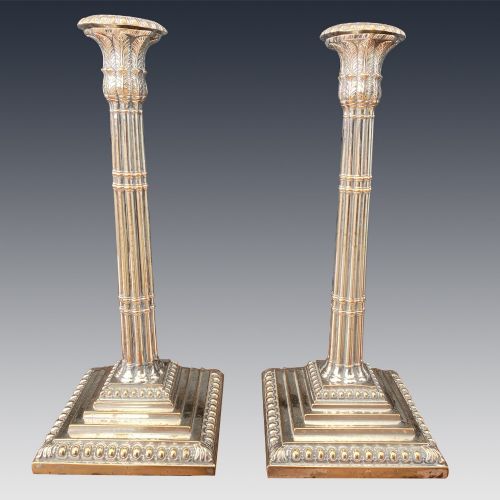
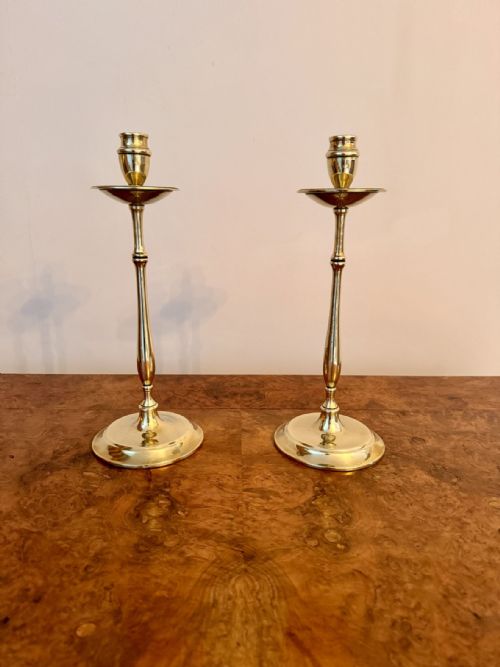
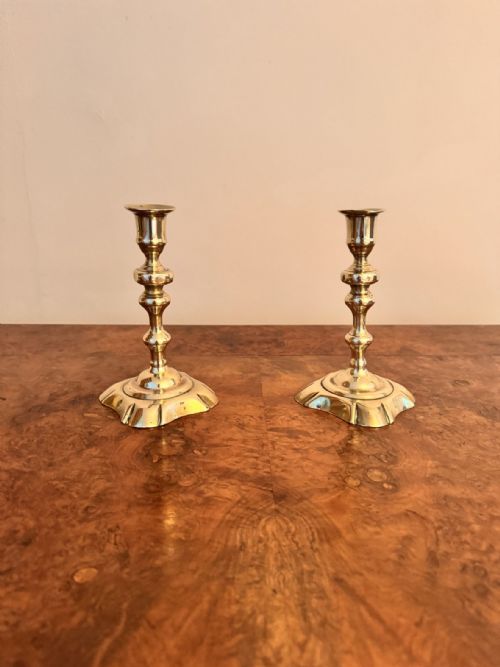
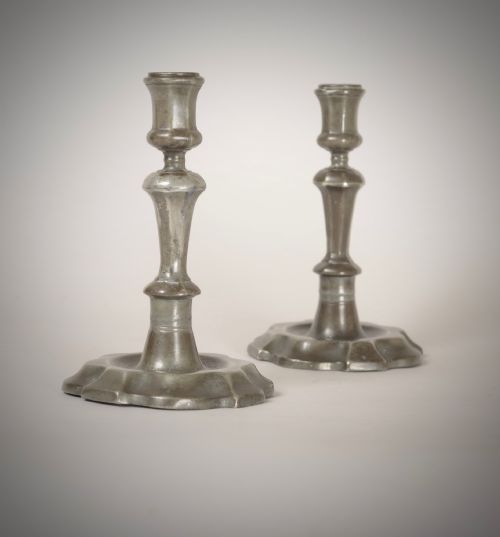
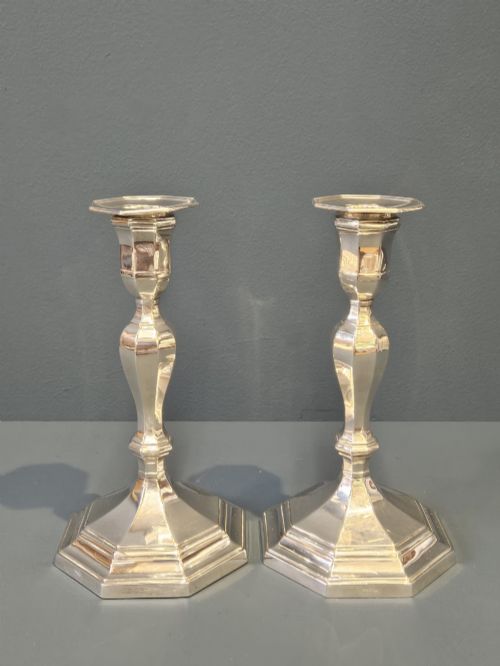
Georgian table decor encompasses lighting pieces, decorative vessels, and tabletop accessories from the Georgian, Regency, and related periods. Candlesticks form the largest group, ranging from heavy brass and paktong to Old Sheffield Plate and sterling silver.
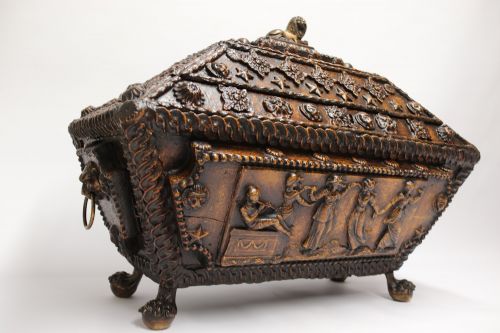
Beyond lighting, the selections feature glass finger bowls, glass lustres, ceramic vases, sugar baskets, and small caskets. These items reflect the formal dining habits and parlour customs of the eighteenth and nineteenth centuries.
Most examples date from the eighteenth century through the Regency era, with occasional pieces from later revivals. Brass and silver lighting dominate the selection alongside amber glass and ironstone.
Materials and construction
Metal items utilise casting, hammering, and plating techniques, seen clearly in solid brass, paktong, and Old Sheffield Plate where a thin layer of silver is fused to a copper base. Silver pieces carry hallmarks indicating assay offices and maker marks.
Glassware relies on free-blowing and mould-blowing methods to produce items such as finger bowls and lustres with rich colour and optical effects. Ceramics involve earthenware and ironstone bodies finished with enamel or transfer-printed decoration.
Straw-coloured glass finger bowls quietly invite diners to imagine the sticky fingers of Georgian dessert parties.
Judging quality in table decor
Quality rests on the crispness of casting in metalwork and the depth of chasing on silver and plated items. Finer candlesticks retain their original removable sconces and show clean joints without clumsy solder repairs.
In glass and ceramics, quality appears in the purity of the metal, the absence of excessive bubbles or distortion, and the precision of hand-painted or transfer-printed motifs. Maker marks and hallmarks provide definitive markers of workshop standard.
Thomas Bradbury & Sons Ltd·Miles Mason·John Cafe
The Georgian Table Decor Glossary
- Old Sheffield Plate
- A composite material made by fusing a thin sheet of silver to a thicker copper core, popular before electroplating was invented.
- Paktong
- A copper-nickel-zinc alloy imported from China that mimics silver and was prized for its bright finish and durability.
- Finger Bowl
- A small bowl filled with scented water, placed on the table after a meal for guests to rinse their fingers.
- Sconce
- A detachable pan fitted to the top of a candlestick to catch melting wax.
- Lustre
- A decorative glass or ceramic vase hung with cut glass prisms that refract candle or daylight.
Georgian Table Decor: Frequently Asked Questions
What is Old Sheffield Plate?
Old Sheffield Plate is an early composite material created by fusing silver onto a copper base. This technique produces items with genuine silver surfaces over a warm copper foundation.
Pieces made this way often show subtle traces of copper where wear has occurred over centuries of polishing.
How were candlesticks used?
Candlesticks provided essential illumination for dining tables, sideboards, and drawing rooms before the advent of gas and electric lighting. Pairs and sets were arranged to balance light across the room.
Removable sconces caught dripping wax, making cleanup easier between courses or evening assemblies.
What is paktong?
Paktong is a traditional Chinese copper-nickel-zinc alloy that resembles silver. British makers utilised it during the eighteenth century to fashion high-end candlesticks and hardware.
Its bright metallic sheen resists tarnishing better than standard brass.
How do I care for silver table decor?
Silver and plated items require gentle cleaning with non-abrasive polishes to preserve the integrity of hallmarks and chasing. Regular dusting prevents tarnish build-up in recessed details.
Store pieces in dry environments away from direct heat sources to protect any applied finishes.