


Antique Silver Pillars
Antique silver pillars offer classical proportion and steady light, bringing architectural dignity to any room.
Antique Silver Pillars
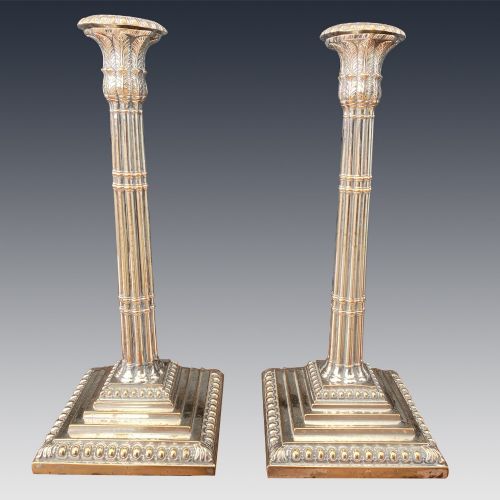
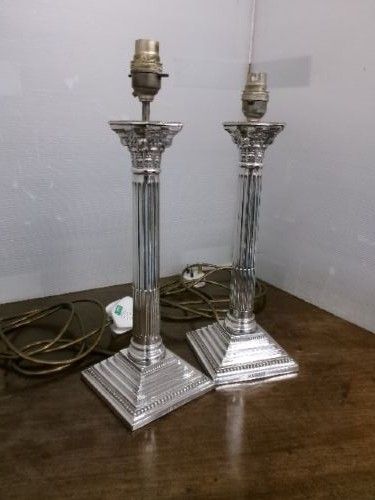
When you search for antique silver pillars, you encounter architectural supports adapted for domestic illumination and timekeeping, ranging from Georgian candlesticks to twentieth-century table lamps. These pieces channel classical building traditions into table objects, often utilising the Corinthian column form with fluted shafts and decorative capitals.
The version most commonly met on this page is the silver plated Corinthian column table lamp, usually dating from the Victorian or Edwardian eras. Alongside these tall lighting pieces, you will find pairs of candlesticks with removable sconces, mantlepiece ornaments, and pillared carriage clocks.
Origins stretch from English workshops to continental makers, spanning periods from the late eighteenth century through to the early decades of the twentieth century. The forms vary from straightforward domestic candlesticks to large altar-style pieces and solid metal bath taps.
How they were made
Maker's methods relied on combining base metals with silver plating or working in solid sterling silver, Old Sheffield plate, and brass. Many nineteenth-century table lamps and candlesticks built their column structures over weighted internal cores to ensure stability on the dining table or desk.
Surface ornamentation involved cast capitals in the Neoclassical or Rococo Revival styles, often soldered to extruded or rolled metal shafts. Glass components sometimes integrated directly into the pillar construction, as seen in mixed-material candlesticks from the mid-nineteenth century.
Bath taps appear among the pillars, proving that Victorian plumbers took their classical architecture just as seriously as the dining room candle.
What varies in quality
Quality reveals itself in the crispness of the capital casting and the structural integrity of the fluted column. Superior examples maintain the original silver plating or sterling thickness without excessive wear through to the base metal beneath.
Proportion and scale dictate the visual weight of the piece, where well-balanced columns with substantial bases command greater presence than narrower, lighter counterparts. The retention of original components, such as removable sconces on candlesticks, marks the better-surviving specimens.
Walter Latham & Son·Delépine-Barrois·Shanks
The Antique Silver Pillars Glossary
- Corinthian column
- A classical architectural order featuring an ornate capital decorated with acanthus leaves, frequently adopted for tall candlesticks and table lamps. This form dominated neoclassical designs across the nineteenth century.
- Old Sheffield plate
- A composite material made by fusing a thin sheet of silver to a thicker copper base before rolling. This early technique precedes modern electroplating and leaves characteristic copper edges.
- Removable sconce
- A detachable metal pan fitted into the top of a candlestick to catch melting wax. These loose inserts are easily misplaced over generations of use.
- Carriage clock
- A small, spring-driven portable clock designed for travelling, often housed in a brass or gilt case with glazed panels and pillared corners. These timepieces gained popularity during the nineteenth century.
- Silver plate
- A thin layer of silver applied to a base metal such as brass, copper, or nickel. The technique allowed domestic items to achieve the appearance of solid silver at a lower cost.
Antique Silver Pillars: Frequently Asked Questions
Were these always meant for candles?
Many pillars began as candlesticks or oil lamps before later conversion into domestic table lamps with electrical cords. The taller column forms were specifically engineered to elevate light sources above table level.
Heavier examples with wide bases were built to support the extra weight of glass shades and electrical fittings without tipping. Smaller pairs generally retain their original domestic function as mantlepiece or dining table ornaments.
What is the difference between solid silver and plate?
Solid silver pieces bear hallmarks indicating the standard of purity and the assay office of origin, whereas plated items show a base metal beneath where the silver layer has worn thin. Old Sheffield plate reveals a distinctive copper seam at the edges.
Weight offers an initial clue, as solid sterling silver items feel dense, though many plated columns contain weighted interior plaster or resin cores for stability.
How should I clean antique silver plated pillars?
Cleaning requires a soft cloth and a gentle, non-abrasive silver polish formulated to protect thin historic platings from erosion. Vigorous rubbing can strip the remaining silver layer entirely from the underlying brass or copper.
Keeping these pieces away from damp environments prevents corrosion of the base metals beneath the plating. Regular dusting with a dry microfibre cloth usually suffices for routine maintenance.