




Georgian Swan Neck Cabinet
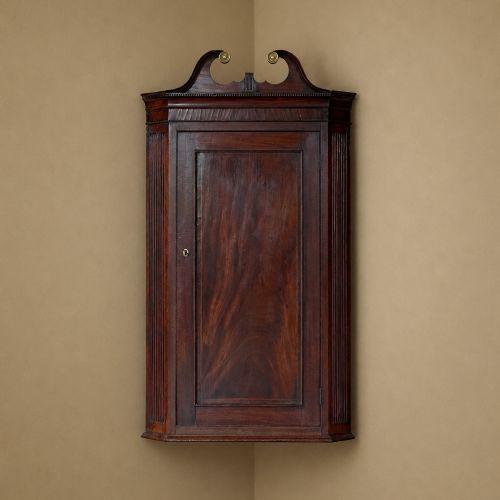
A georgian swan neck cabinet brings refined architectural grace to a room, offering handsome timber storage and display for books or prized possessions.
Georgian Swan Neck Cabinet
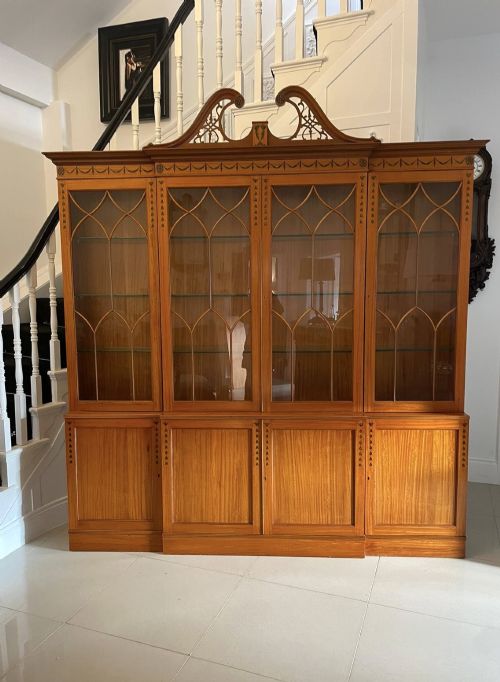
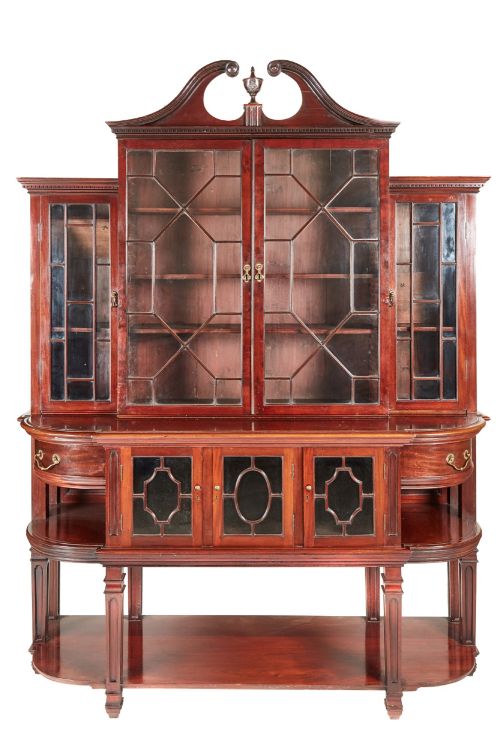
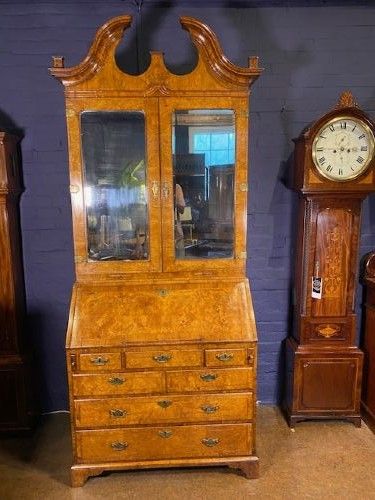
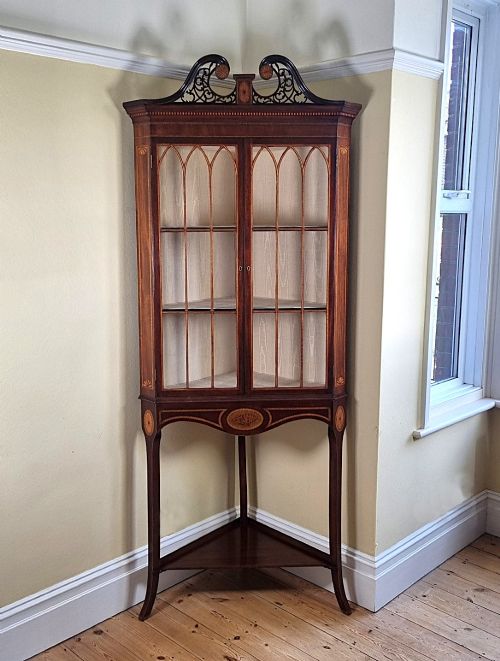
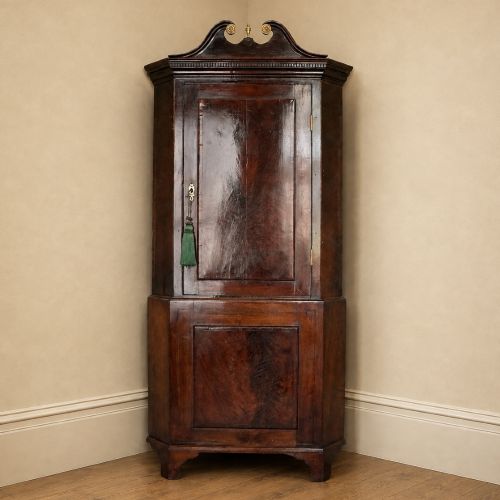
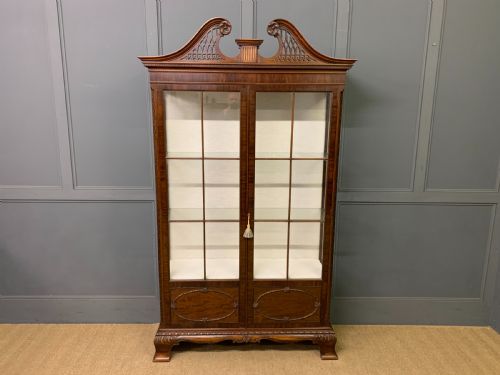
When searching for a georgian swan neck cabinet, buyers encounter a variety of substantial storage furniture originating primarily from the eighteenth and nineteenth centuries. These pieces encompass corner cupboards, bureau bookcases, standing display cabinets, and linen presses.
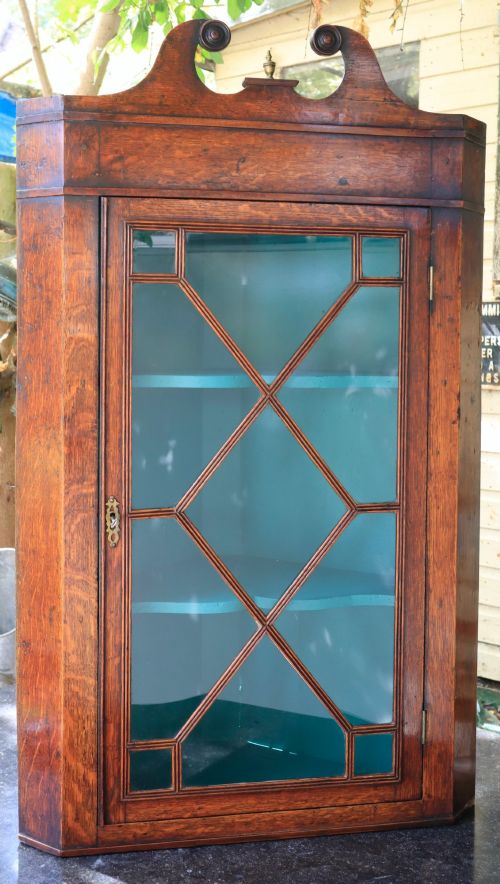
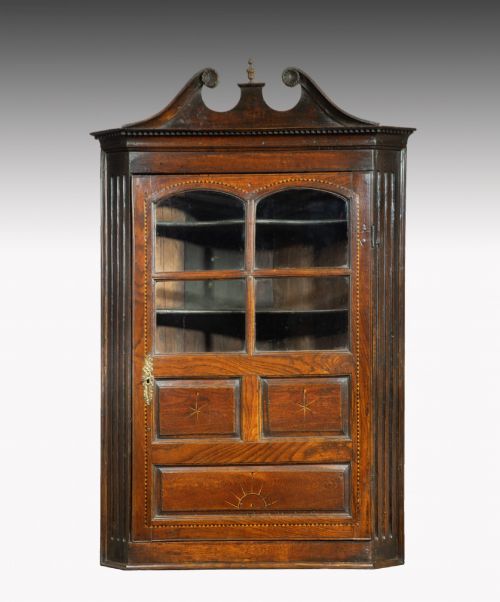
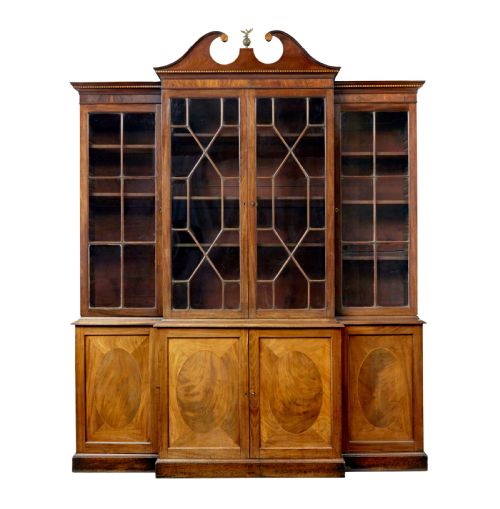
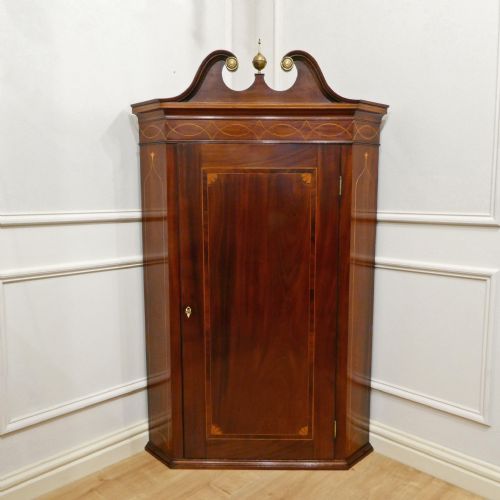
The selection ranges from compact hanging corner cupboards in oak or mahogany to large breakfront bookcases and bureau bookcases. Many examples display the characteristic broken arch or swan neck pediment atop their cornices.
While genuine Georgian period pieces anchor the selection, later revivals from the Victorian, Edwardian, and twentieth-century periods also appear. These span styles from Queen Anne and Chippendale to Sheraton Revival.
How they were made
Cabinet makers relied heavily on solid timber and veneers, employing mahogany, flame mahogany, oak, and satinwood as primary woods. Details often included boxwood stringing and inlay.
Glazing bars formed astral patterns on glass doors, whilst brass hardware supplied hinges, escutcheons, and handles. Interior fittings frequently incorporated fabric linings or painted decoration.
Recorded styles span George II, George III, Regency, Victorian, and Edwardian periods.
What varies in quality
The selection of timber grain heavily dictates visual appeal, with figured flame mahogany and richly patinated satinwood sitting at the upper end. Finely proportioned cornices and well-executed swan neck pediments separate ordinary examples from superior ones.
Interior craftsmanship, such as dovetailed drawer construction and original brassware, marks the distinction between standard production and exceptional workshop output.
Thomas Bradshaw
The Georgian Swan Neck Cabinet Glossary
- Swan neck pediment
- A broken scroll pediment curving upward and inward from the cornice ends, often terminating in a rosette or turn. This architectural feature draws the eye upward and characterises formal cabinetry.
- Astragal glazed
- Glass doors divided into smaller panes by narrow wooden bars known as glazing bars. This technique allowed cabinet makers to create geometric or gothic window patterns.
- Breakfront
- A piece of furniture whose central section projects forward from the flanking outer sections. This arrangement creates depth and visual rhythm across large bookcases.
- Bureau bookcase
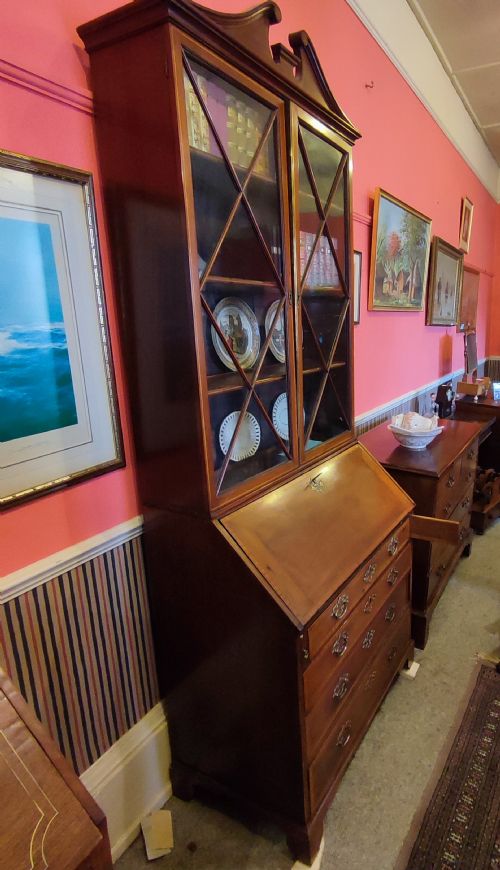
- A combination form featuring a sloping fall-front writing desk below a tall shelved bookcase. It served as a functional dual-purpose station for correspondence and library storage.
Georgian Swan Neck Cabinet: Frequently Asked Questions
Where should I place a corner cabinet?
Hanging and standing corner cupboards fit neatly into unused room angles, making them ideal for dining rooms or hallways where floor space is limited.
They utilise neglected architecture whilst providing secure display space for china or glassware.
How do I use a bureau bookcase daily?
The drop-down flap opens to reveal a writing surface complete with pigeonholes and small drawers for letters. It functions as a compact desk that conceals paperwork when closed.
The upper shelves hold books or decorative objects behind glazed doors.
How do I distinguish eighteenth-century pieces from later revivals?
Original pieces from the seventeen-hundreds exhibit period-specific construction methods, timber ageing, and hand-cut joinery. Cabinet makers of that era used native and imported hardwoods differently from later revival workshops.
Twentieth-century revival pieces often replicate Georgian forms using machine assistance and cleaner internal timbers.
What is the difference between a bookcase and a display cabinet?
Bookcases generally feature adjustable wooden shelving designed primarily for holding volumes of books. Their glass doors protect the collection from dust whilst keeping titles visible.
Display cabinets often prioritise visual presentation with refined glazing and sometimes include fabric-lined interiors or painted decoration for showcasing porcelain.