


Georgian Style Window Seat
These georgian style window seat pieces offer timeless seating for hallways and bays, combining classical proportion with practical elegance.
Georgian Style Window Seat
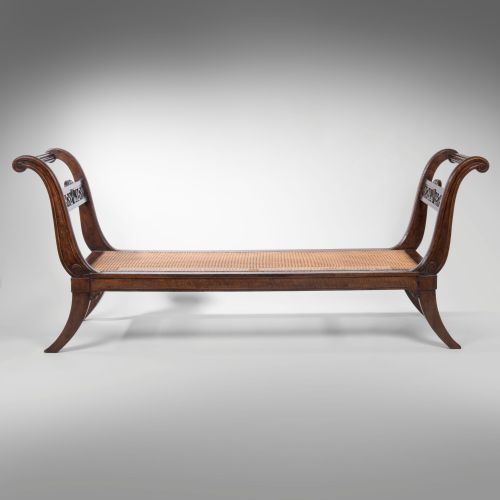
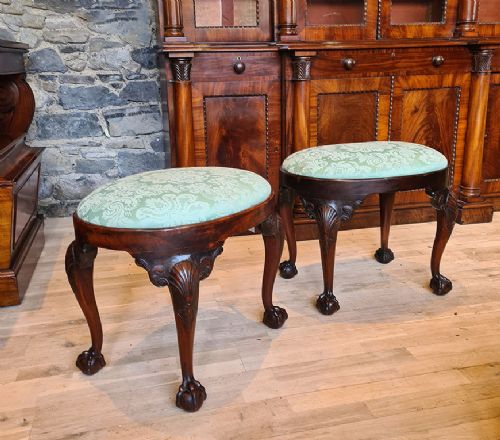
A georgian style window seat brings traditional elegance to corridors, alcoves, and beneath large window expanses. These furnishings appear in forms ranging from compact stools and benches to grand settees.
The pieces on this page span the eighteenth and nineteenth centuries, alongside revival interpretations from the Edwardian era. Mahogany and walnut provide the primary wooden structures, often complemented by intricate carved details.
Makers drew on established classical idioms, producing items that function equally well as hall benches or specialised seating. Owners frequently place them in reception rooms to echo formal architectural lines.
How they were made
Craftsmen built these frames predominantly from dense hardwoods such as mahogany and walnut, augmented occasionally by oak, maple, and giltwood. Timber selection dictated the strength of the structural supports and the crispness of carved ornamentation.
Surface decoration involved sophisticated techniques including hand carving, painting, and gilding to achieve refined visual textures. Upholstery fabrics, velvet, and cane inserts completed the seating surfaces, secured over internal webbing or traditional stuffing.
Listings feature mahogany, walnut, and oak constructions spanning the eighteenth century through the Edwardian period.
What varies in quality
The distinction between standard examples and superior items rests upon the depth of hand carving and the selection of timber. Dense, figured grain and well-defined mouldings separate high-tier productions from simpler workshop outputs.
Proportion and structural integrity define the overall execution, where balanced lines and tight joinery indicate skilled cabinet work. The preservation of original surface finishes and authentic upholstery materials further elevates a piece's standing.
Gillows
The Georgian Style Window Seat Glossary
- Regency
- A style period spanning the early nineteenth century characterised by classical motifs inspired by ancient Rome and Greece. Furniture from this time often incorporates bold curves and gilt accents.
- Hepplewhite
- A light, elegant eighteenth-century furniture design style associated with shield-back chairs and graceful tapered legs. Pieces in this tradition emphasise refined geometry and delicate carving.
- Chippendale
- A mid-eighteenth-century English design aesthetic known for intricate fretwork, cabriole legs, and claw-and-ball feet. This style borrows elements from Gothic, Chinese, and Rococo traditions.
- Giltwood
- Timber treated with a thin layer of gold leaf or metallic powder to create a lustrous decorative surface. This finish frequently highlights carved details on formal nineteenth-century seating.
- Cane
- Strips of woven rattan plant material utilised to form resilient panels for seat backs and bases. This breathable technique provides structural support while maintaining a light visual profile.
Georgian Style Window Seat: Frequently Asked Questions
Where should I place a window seat?
These pieces fit naturally beneath low windows, along wide hallway corridors, or at the foot of a bed in a master suite. Their shallow depth allows them to sit comfortably in circulation spaces without blocking passage.
Positioning them near natural light highlights the timber grain and any carved decorative details present on the frame.
How do I identify a revival piece?
Revival items from the Edwardian period or the twentieth century often display standardised machine-cut joints alongside traditional hand-finished surfaces. The timber conditioning and secondary woods used internally usually point to later manufacturing methods.
Comparing the decorative carving against eighteenth-century examples helps clarify whether a piece is an original period item or a later interpretation.
Were these seats used in hallways?
Property owners frequently deployed long benches and stools in entrance halls to provide temporary seating for guests removing outerwear. These items filled large wall spaces while remaining narrow enough to keep pathways clear.
Their sturdy hardwood construction withstood heavy daily use in high-traffic areas of large houses.
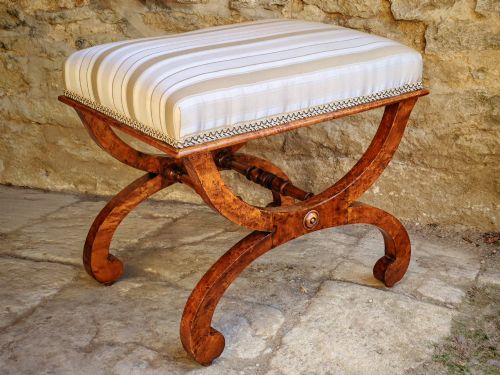
What is an X frame base?
An X frame construction utilises intersecting diagonal stretchers to support the upper seating platform, creating a distinct curule shape. This structural arrangement distributes weight evenly while lending a strong architectural silhouette to the piece.
Craftsmen often applied this form to ceremonial or formal stools throughout the Regency era.