


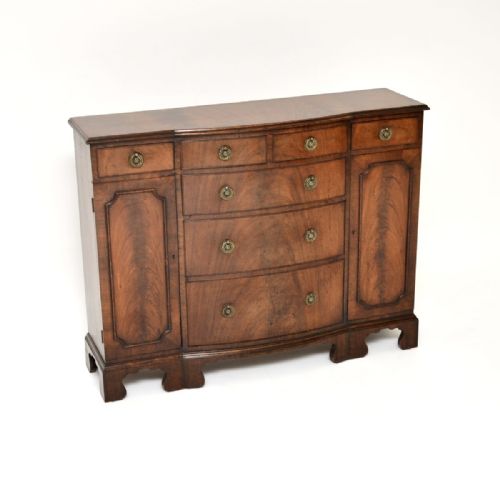
Georgian Style Storage Chest
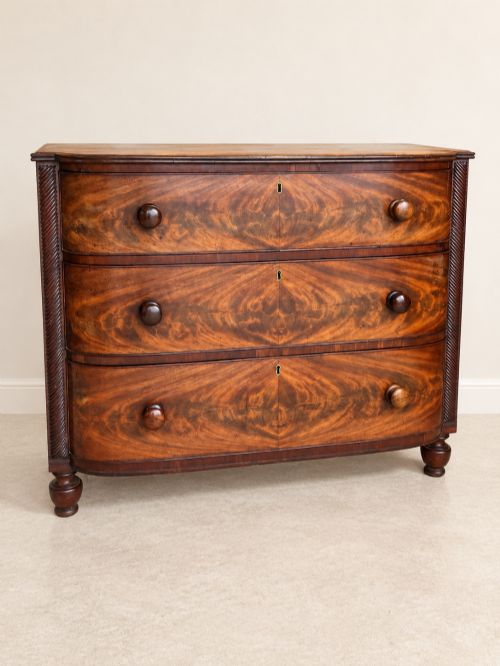
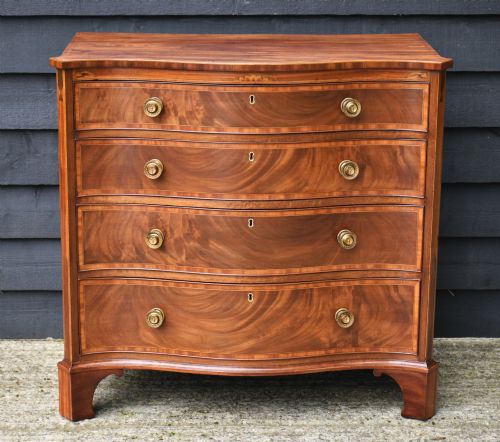
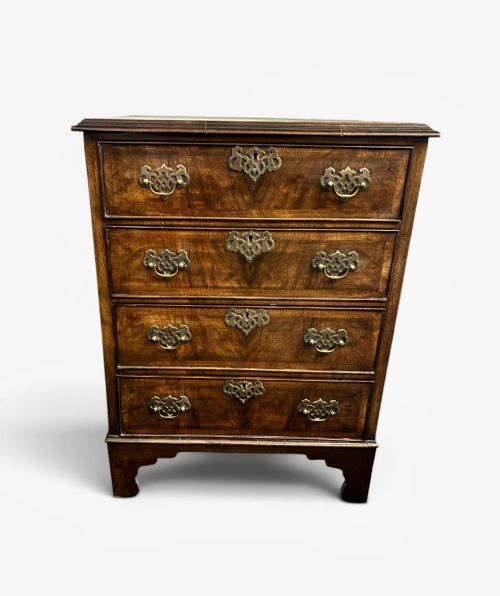
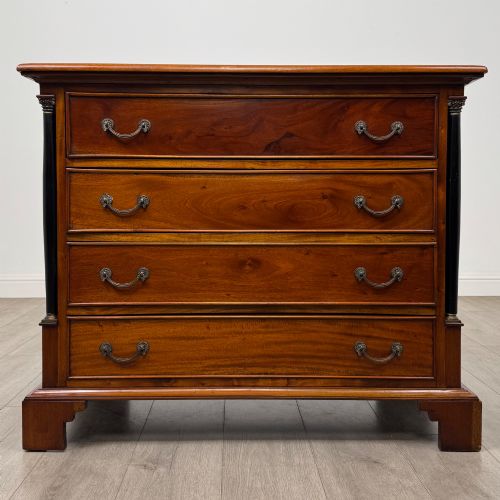
A georgian style storage chest brings disciplined proportion and timber warmth to a room, offering deep drawers for linen or clothes.

Georgian Style Storage Chest
A georgian style storage chest provides substantial capacity through stacked drawers or hinged compartments, serving as the principal repository for garments and domestic textiles in a traditional interior.
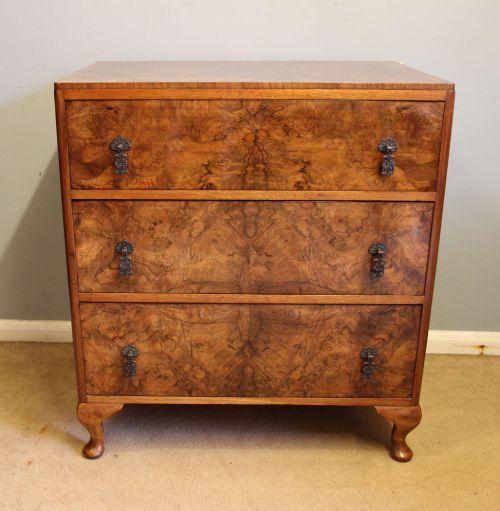
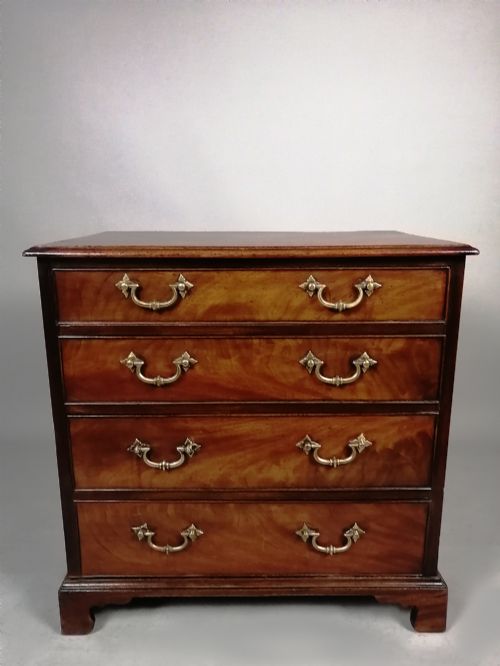
The pieces appearing here span genuine eighteenth-century examples alongside later revival interpretations from the Edwardian era and the interwar decades, reflecting enduring admiration for classic cabinet work.
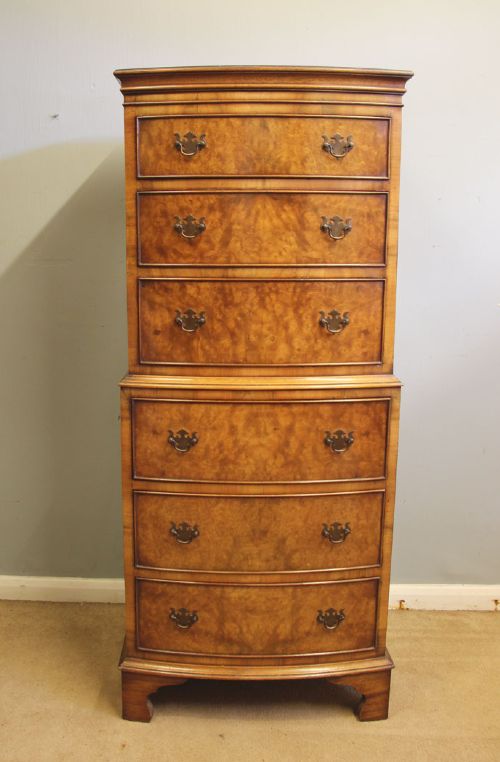
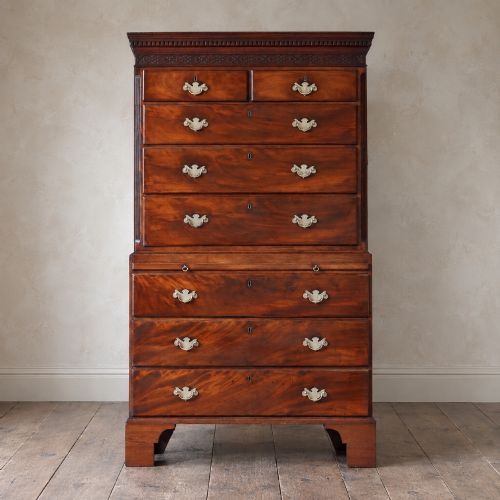
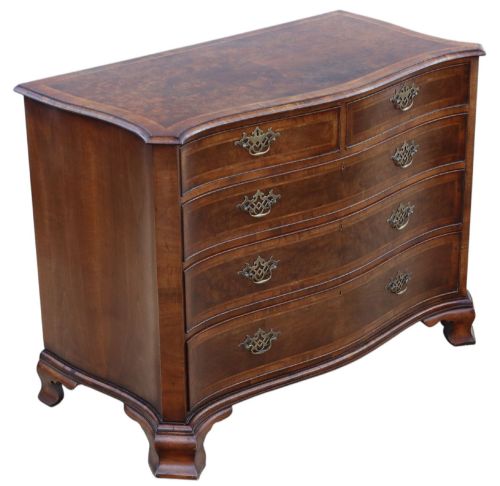
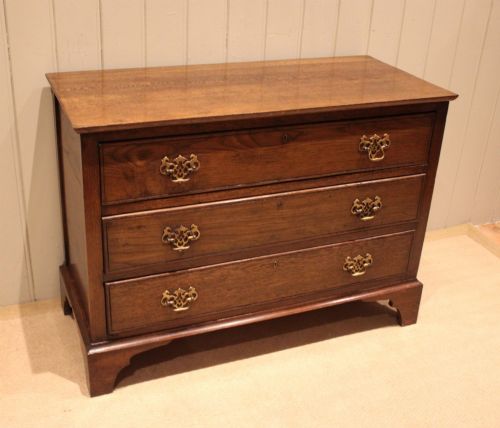
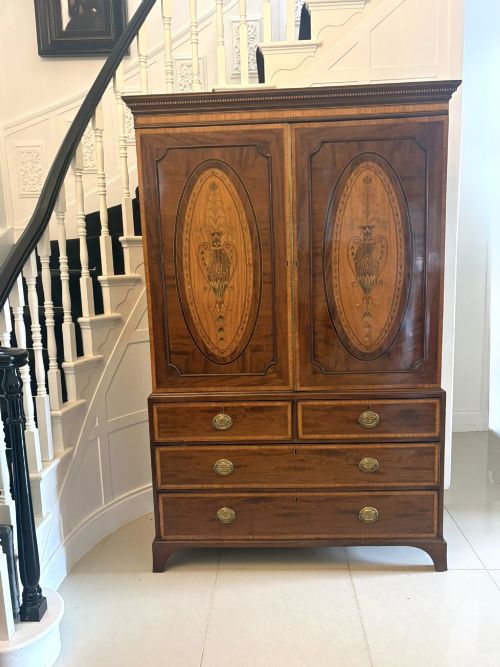
Forms range from compact bow fronts and tall chests on chests to low oak pieces and specialised linen presses, utilising the layouts established during the eighteenth century.
How They Were Made
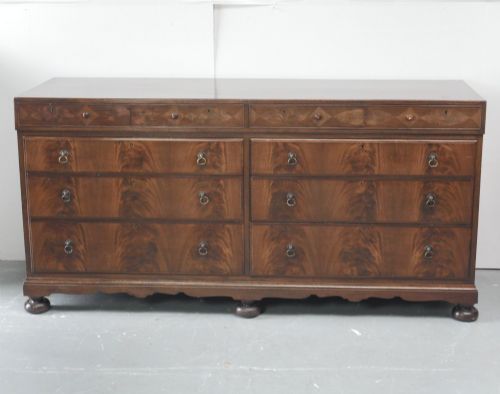
Cabinet makers relied primarily on solid timbers and veneered surfaces of mahogany, oak, and walnut, often accentuating the grain with burr walnut or flame mahogany veneers.
Structural integrity relied on dovetailed drawer construction and framed carcases, complemented by brass handles, escutcheons, and occasional iron reinforcing bands on trunks.
Listings feature periods spanning from the eighteenth century through the Edwardian era to the 1930s, constructed in mahogany, oak, and walnut.
What Varies in Quality
Distinctions in quality arise from the selection of timber figures, such as matched flame mahogany or figured burr walnut, and the precision with which veneers are applied across curved or serpentine fronts.
Fine execution shows in the crispness of inlaid satinwood stringing, the subtlety of moulding profiles, and the smooth operation of drawer linings constructed from secondary woods.
Whytock & Reid
The Georgian Style Storage Chest Glossary
- Serpentine
- A front contour that curves inward at the centre and outward at the ends, creating a wave-like profile. It requires exceptional skill from the cabinet maker to execute cleanly.
- Chest on chest
- A tall storage unit comprising a larger lower chest surmounted by a slightly narrower upper chest, also known as a tallboy. This form maximises vertical storage space.
- Linen press
- A tall piece of furniture featuring upper doors enclosing sliding trays for textiles, positioned above a chest of lower drawers. They originated for storing household linen before fitted wardrobes.
- Brushing slide
- A pull-out shelf integrated into the upper section of a chest, historically used as a writing surface or for folding clothes. It sits discreetly above the uppermost drawer.
Georgian Style Storage Chest: Frequently Asked Questions
How do I date a chest?
Dating relies on timber choices, construction techniques, and stylistic cues such as bracket feet, handles, and drawer dovetailing. Earlier pieces often show hand-sawn secondary woods and specific brass hardware.
Revival pieces from the Edwardian period or the 1920s and 1930s replicate these forms while exhibiting twentieth-century manufacturing signatures underneath or inside the carcase.
Where should I place a bow front chest?
A bow front chest works well in a bedroom or hallway where its curved profile softens circulation paths and prevents sharp corners projecting into the room. The curved shape also catches light differently across the wood grain.
Ensure adequate clearance around the piece so the drawers can open fully without obstruction from nearby furniture.
What is a tallboy used for?
A tallboy provides high-capacity vertical storage by combining two chests into a single towering unit. It suits rooms with generous ceiling height where floor space is limited.
The upper drawers hold lighter garments, while the deeper lower drawers accommodate heavier items and folded linens.
How do I care for walnut veneer?
Walnut veneer benefits from stable indoor humidity and protection from direct sunlight, which can fade rich brown tones over time. Regular dusting with a soft, dry cloth preserves the polished surface.
Avoid silicone polishes and excess moisture, applying a traditional paste wax sparingly when the wood appears dry.