
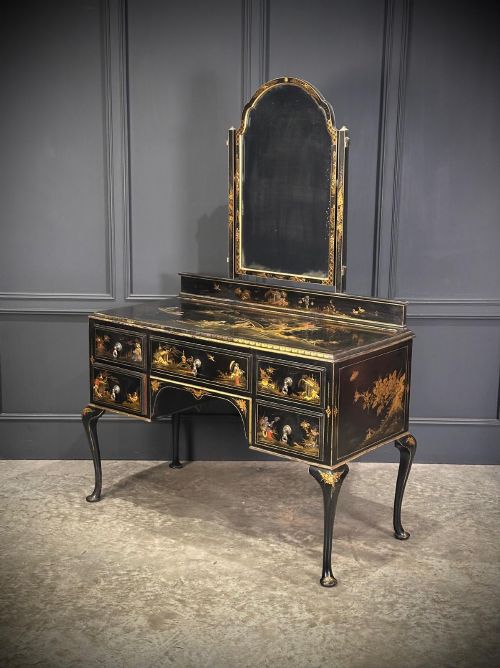


Georgian Style Painted Mirror
A georgian style painted mirror brings neoclassical balance and hand-painted charm to a room, drawing the eye with classic proportions.
Georgian Style Painted Mirror
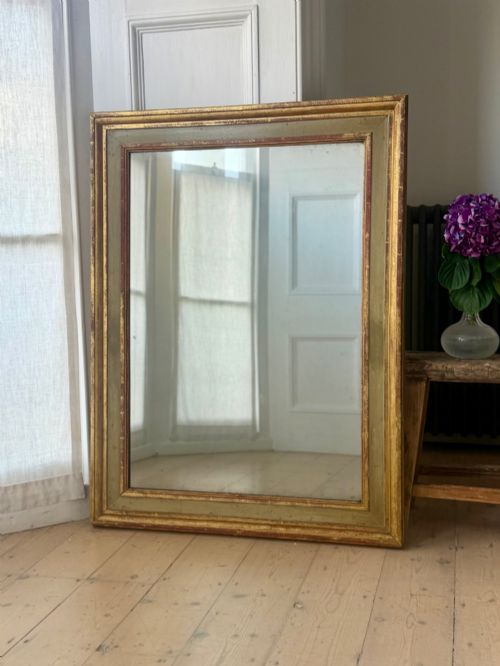
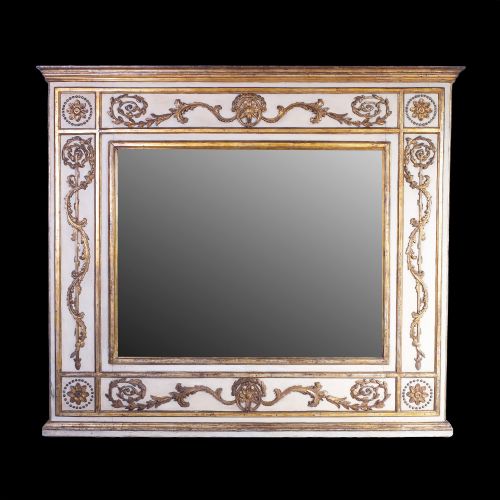
A georgian style painted mirror draws upon eighteenth-century decorative traditions, combining symmetrical timber frames with painted or gilded surfaces. These pieces frequently appear in wall-hanging formats, overmantel sizes for chimneypieces, and freestanding dressing mirrors.
The selections span genuine eighteenth-century examples alongside nineteenth-century revivals and early twentieth-century interpretations. Neoclassical, Chinoiserie, and Sheraton Revival influences shape the visual vocabulary across the inventory.
How they were made
Carved wooden frames form the structural foundation, utilising timber such as walnut, satinwood, and pine. Artisans applied layers of gesso to smooth the wooden surfaces before executing detailed hand-painting, lacquering, or gilding.
Mirrors incorporated early silvered glass or mercury glass sheets, secured within rebated frames. Hand-painted foliate panels and delicate lacquer work frequently decorated the crests and surrounds.
Listings feature periods spanning from the eighteenth century through the 1920s, including Neoclassical, Chinoiserie, and Sheraton Revival styles.
What varies in quality
The refinement of the hand-painting distinguishes standard production from finer work, with meticulous brushwork and subtle colour blending marking the superior examples. Original gilding and intact gesso enrich the surface texture over time.
Structural integrity of the wooden joinery and the depth of the carved motifs dictate the overall caliber. Pieces retaining their original mirror glass plates hold greater authenticity.
Gillows Of Lancaster
The Georgian Style Painted Mirror Glossary
- Gesso
- A plaster mixture applied to wood frames to prepare a smooth surface for gilding or painting. It allows intricate relief ornamentation to be carved and finished.
- Chinoiserie
- European interpretations of Chinese artistic traditions, featuring lacquered surfaces and painted motifs. This style gained popularity during Georgian periods.
- Pier mirror
- A tall, narrow mirror designed to hang on the wall space between two windows. These pieces often coordinate with console tables placed below them.
- Mercury glass
- A double-walled silvered glass type used in older mirrors before modern chemical silvering processes developed. It produces a distinctive misty reflection.
Georgian Style Painted Mirror: Frequently Asked Questions
Where should I hang an overmantel mirror?
Position the mirror directly above the fireplace mantelpiece to anchor the focal point of the room. This placement traditionally reflects light from opposing windows and balances the room's proportions.
Ensure secure wall fixings support the weight of the wooden frame and glass plate safely.
How do I clean a painted wooden frame?
Dust the painted and gilded surfaces gently with a soft, dry cloth to prevent accumulation. Avoid chemical cleaners or excessive moisture that might damage delicate lacquer or gesso.
Maintain stable indoor humidity levels to protect the antique timber and painted decoration from cracking.
What is the difference between pier and wall mirrors?
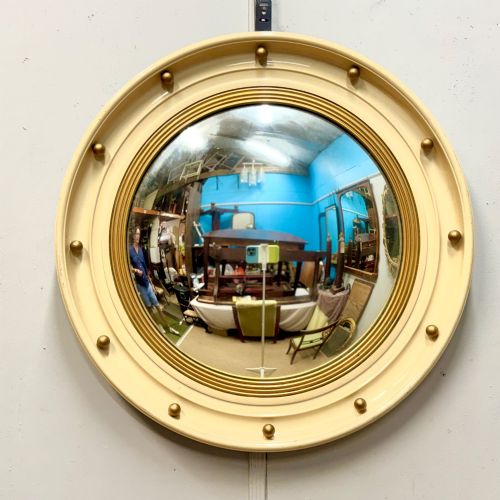
Pier mirrors feature narrow, vertical proportions specifically built to occupy the wall space between architectural openings. Standard wall mirrors utilise diverse shapes including round, oval, and rectangular formats.
Both types served decorative and functional purposes in historic interiors.
How do I identify a revival period mirror?
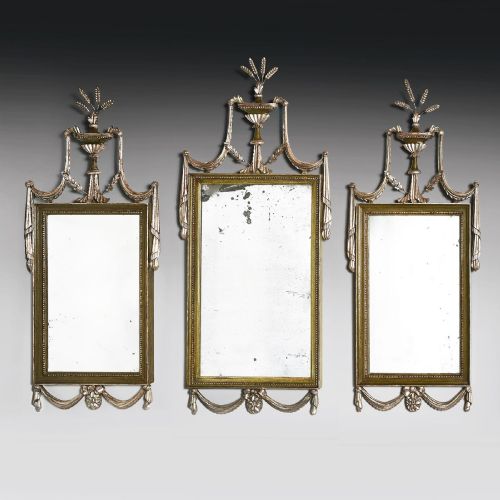
Revival pieces incorporate eighteenth-century design motifs such as neoclassical urns, swags, or Chinoiserie scenes while utilising nineteenth or twentieth-century construction methods. Examine the timber backing, screw types, and glass characteristics to determine age.
stylistic markers often echo George II or Adam aesthetics faithfully.