

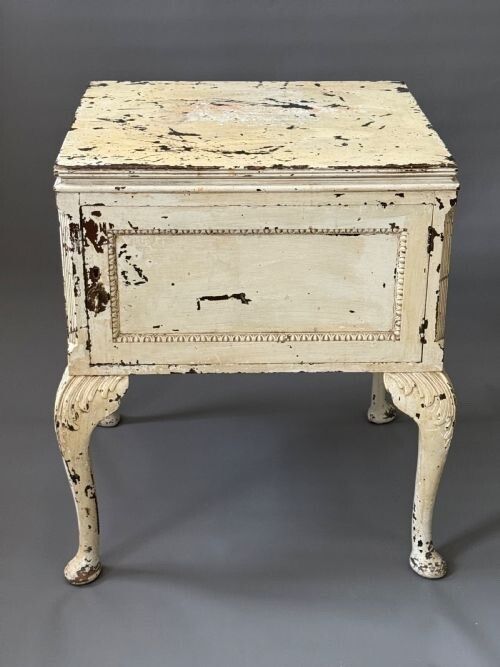
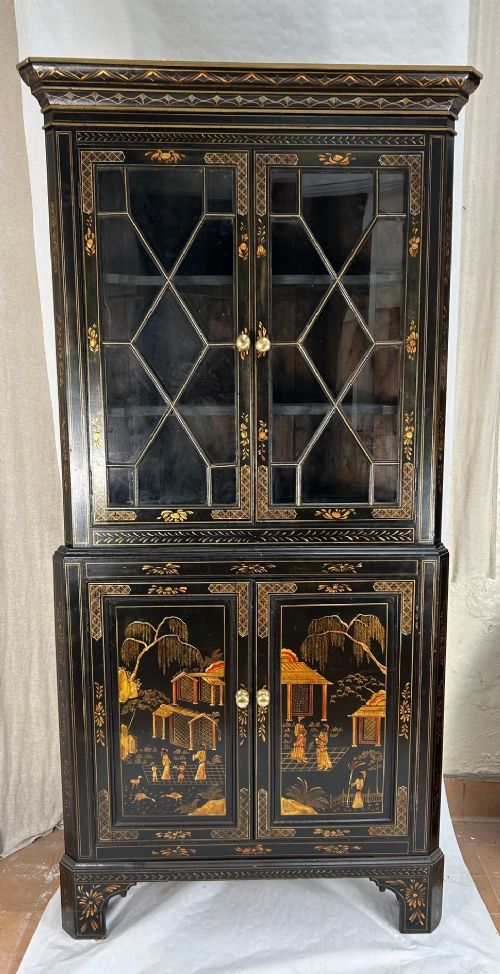
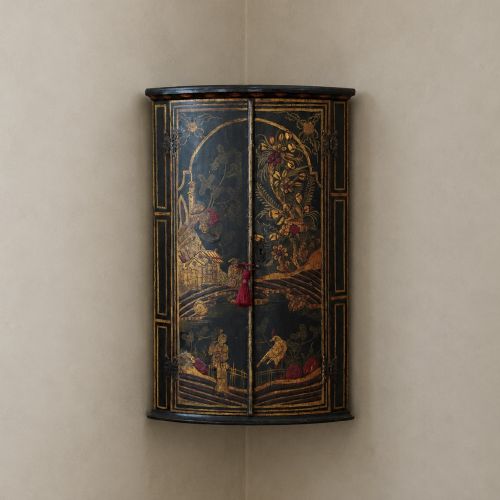
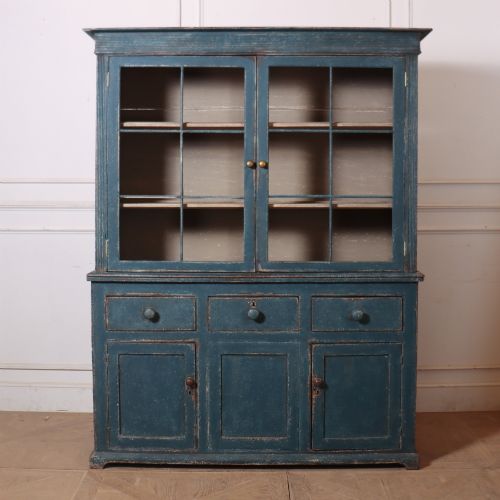
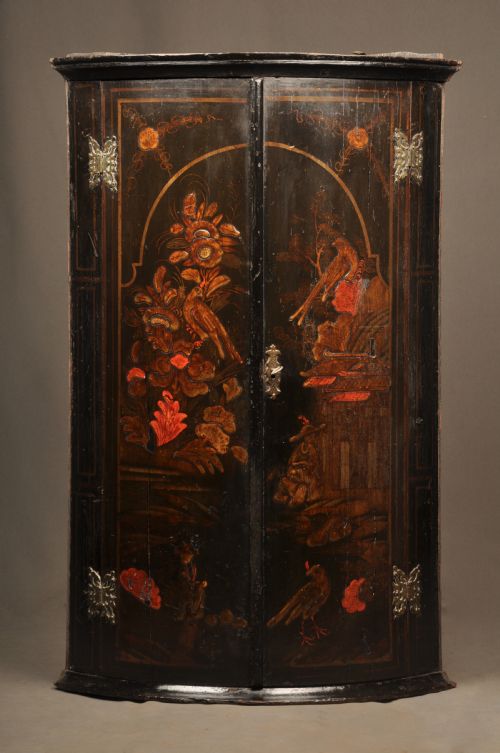
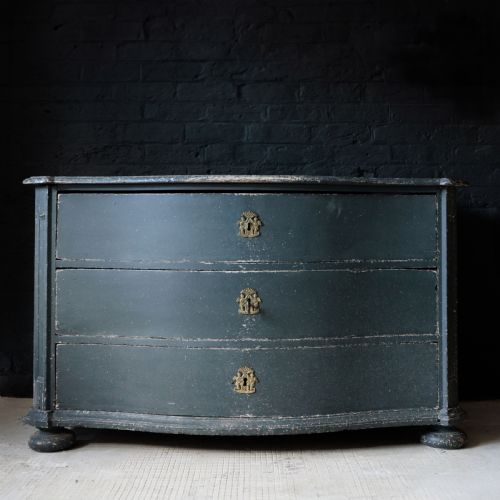

Georgian Style Painted Cabinet
A georgian style painted cabinet brings hand-applied colour and classical proportion into a room, offering practical storage alongside decorative character.
Georgian Style Painted Cabinet
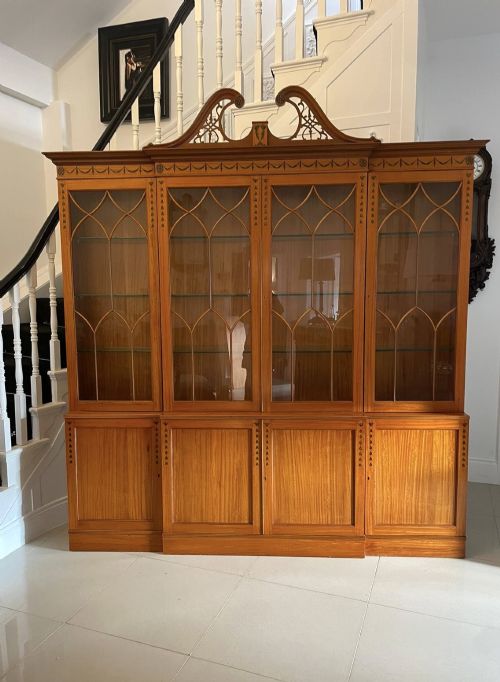
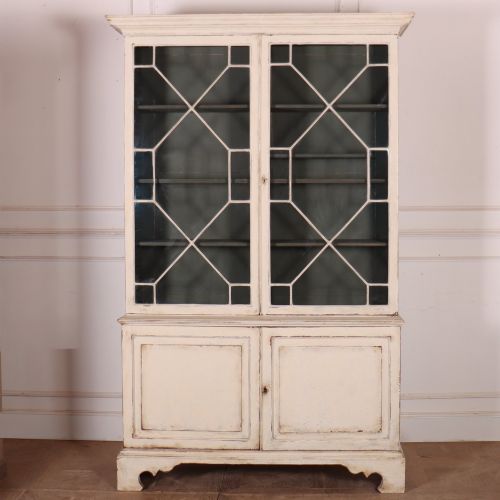
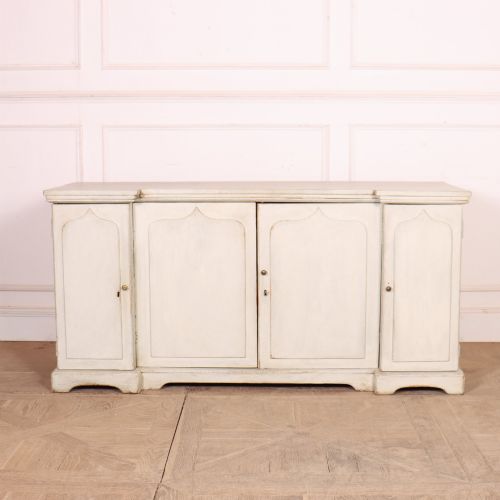
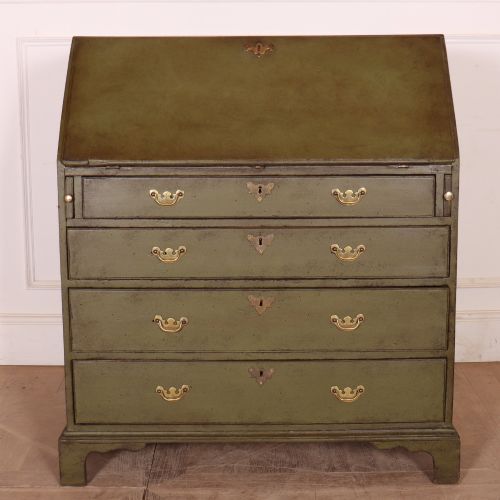
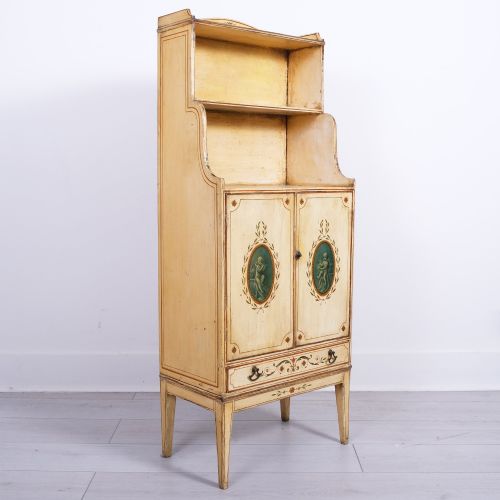
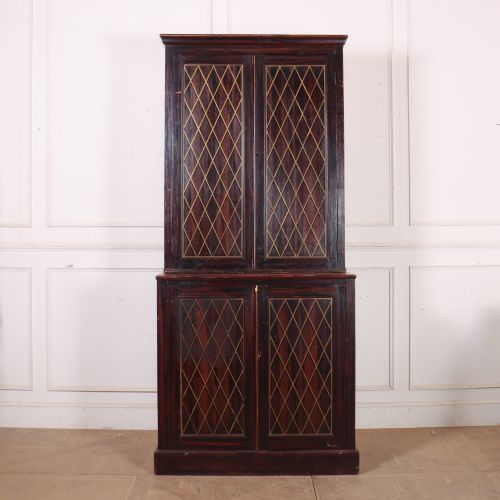
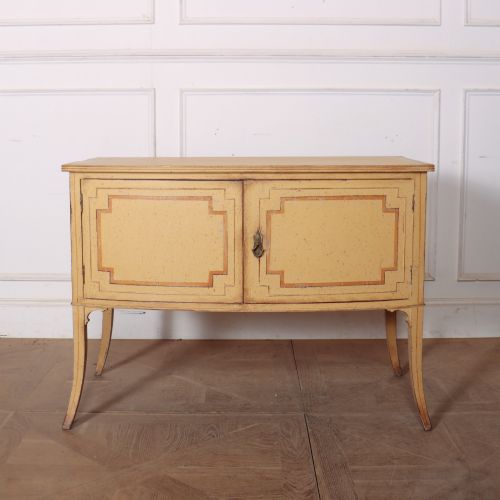
A georgian style painted cabinet covers a diverse range of forms, from corner cupboards and bedside pieces to large breakfront bookcases and side cabinets. These items emerge across the eighteenth, nineteenth, and early twentieth centuries, drawing on Georgian, Regency, and revival aesthetics.
Buyers frequently encounter corner cupboards, breakfront bookcases, and side cabinets finished in paint, lacquer, or satinwood. The inventory spans straightforward English country pieces alongside elaborate Chinoiserie and Sheraton Revival examples.
Construction dates range from authentic eighteenth-century joinery through to nineteenth-century interpretations and later revival pieces from the nineteen-thirties.
Materials and technique
Craftsmen construct these cabinets using solid woods and veneers like mahogany, maple, and satinwood, often applying paint directly to the timber or utilising simulated paint finishes. Glass panels appear in glazed bookcase doors, while brass hardware secures doors and drawers.
Decorative surface work defines the category, incorporating hand-painted classical panels, japanned Chinoiserie motifs, and inlaid satinwood details. Japanning involves layered varnish and painted designs, whereas painted decoration relies on direct pigment application over wood or primed surfaces.
The documented styles span Sheraton Revival, Chinoiserie, Regency, Adam Revival, and English Country traditions across various cabinet forms.
Judging the work
Quality rests upon the execution of the painted or lacquered decoration and the crispness of the underlying cabinetmaking. Superior pieces display finely detailed brushwork, original pigment preservation, and harmonious proportions across breakfront or demi-lune forms.
Material selection further divides the range, with dense hardwoods and carefully figured satinwood providing a superior ground for decorative schemes compared to simpler pine or mixed timber constructions.
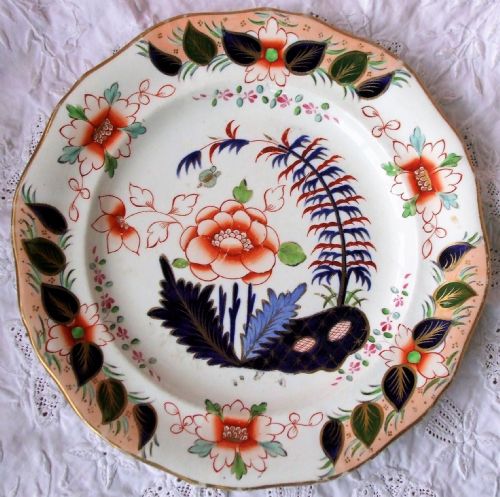
Maple and Co.·John Davenport of Longport·Chamberlain Worcester
The Georgian Style Painted Cabinet Glossary
- Breakfront
- A piece of furniture where the central section projects forward from the flanking wings. This configuration adds architectural depth to large bookcases and side cabinets.
- Demi-lune
- A half-moon shape characteristic of commodes and side cabinets designed to sit flush against a wall. This form allows for curved doors and top surfaces.
- Chinoiserie
- European theatrical interpretations of Chinese artistic motifs, popular in furniture decoration. It often depicts pagodas, figures, and landscapes in paint or lacquer.
- Astral glazed
- A glass door divided into panes by slender wooden or metal bars, known as glazing bars. This treatment lightens the visual weight of large bookcases.
Georgian Style Painted Cabinet: Frequently Asked Questions
How do I distinguish eighteenth-century pieces from later revivals?
Examine the timber shrinkage, secondary woods used in internal construction, and the ageing of the paint layers. Eighteenth-century joinery often employs hand-cut dovetails and possesses natural wear patterns absent in twentieth-century reproductions.
Paint analysis and surface oxidation help confirm age, as genuine early japanning and oil-based pigments cure differently over centuries compared to modern chemical formulations.
Where should I place a corner cupboard in a modern room?
A corner cupboard makes efficient use of neglected room intersections, turning dead space into a focal point. They suit dining rooms for glassware storage or hallways where depth is limited.
Ensure the wall angles match the cabinet's ninety-degree or bow-front footprint so the piece sits flush against the plaster.
How should I clean painted and lacquered surfaces?
Dust surfaces gently with a dry, soft microfiber cloth to prevent scratching fragile paint or lacquer. Avoid all chemical solvents, abrasive cleaners, and excessive water.
If deeper cleaning is necessary, consult a professional restorer, as household cleaners can dissolve historic varnishes and lift hand-painted decoration.
What is the difference between satinwood and japanned finishes?
Satinwood is a pale, naturally lustrous timber that is frequently polished, painted with classical panels, or left plain to show the grain. Japanning is an applied decorative finish that mimics Asian lacquer using dark varnishes and raised motifs.
Satinwood highlights natural wood beauty with subtle painted embellishments, whereas japanning creates a heavily lacquered, pictorial surface.