


Georgian Style Office Chair
A georgian style office chair brings substantial mahogany timber and supportive leather upholstery to a study, offering comfort and presence for daily work.
Georgian Style Office Chair
A georgian style office chair is a substantial seating piece designed for a desk or library, combining period aesthetics with functional workspace utility. The pieces seen here span genuine period examples from the Regency and eighteenth century alongside later revivals from the nineteenth and early twentieth centuries.
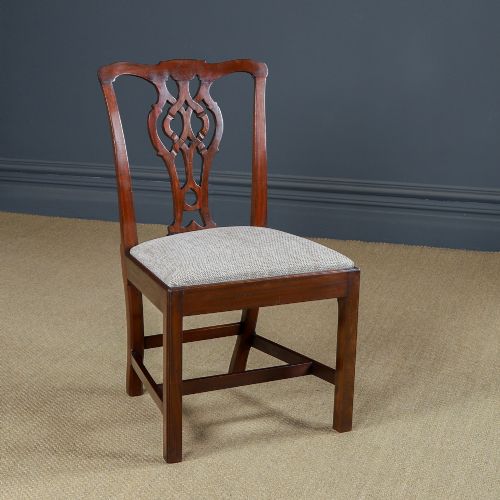
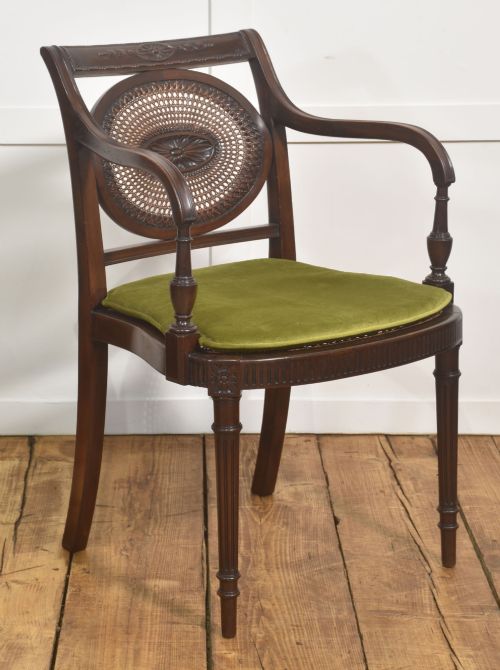
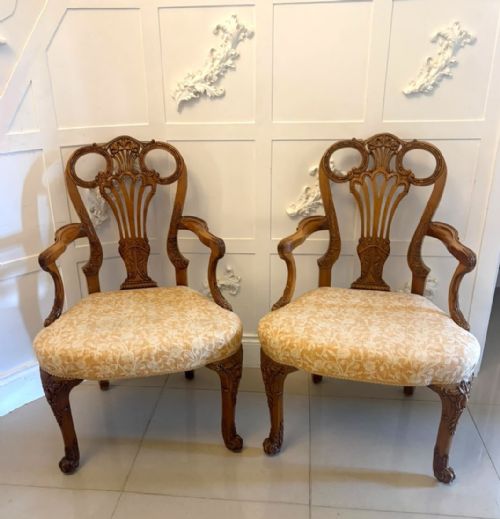
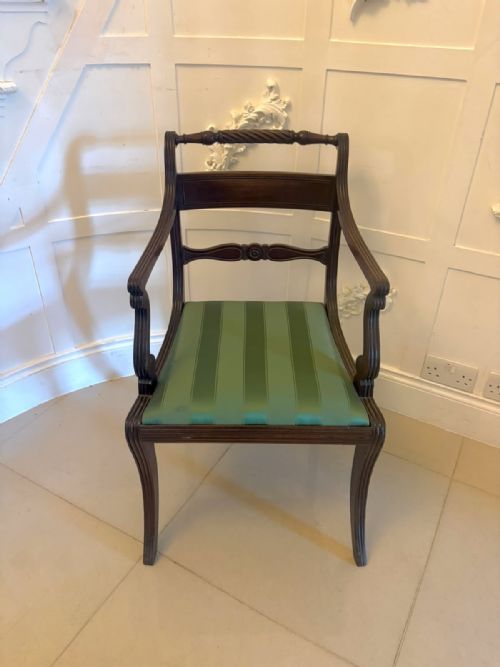
Buyers most frequently encounter mahogany and walnut frames styled after Chippendale, Hepplewhite, and Sheraton designs. These desk chairs, armchairs, and library carvers often feature open arms and substantial timber construction suited to prolonged seating.
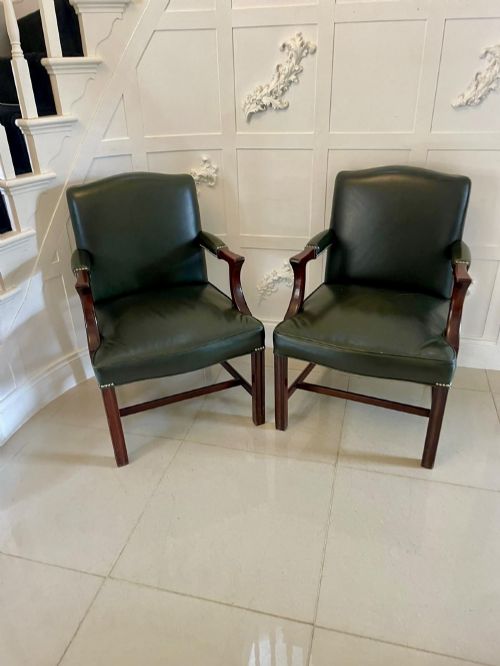
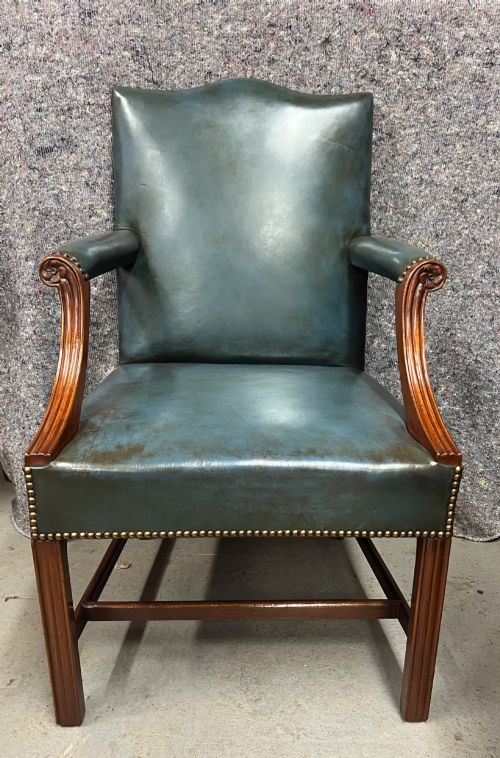
Many examples pair rich wood framing with leather or fabric upholstery, bridging the gap between formal dining seating and practical office furniture. The lineage runs from eighteenth-century origins through Victorian interpretations and Edwardian revival pieces.
How they were made
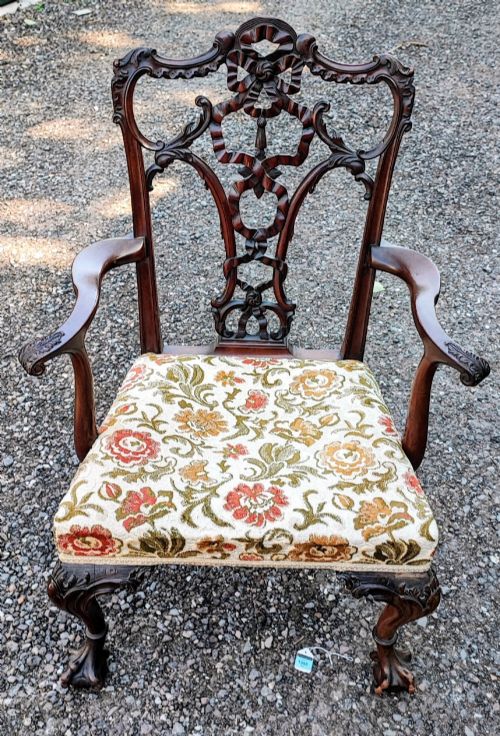
Makers shaped these seating pieces primarily from solid mahogany and walnut, selecting dense timbers capable of enduring daily movement and weight. Carved details on arms and backsplats demonstrate hand woodworking techniques passed down through generations of cabinet makers.
Upholstery forms a vital component, utilising leather, velvet, fabric, and cane secured with brass tacks. Joinery relied on traditional mortise and tenon methods, ensuring stable frames that withstand the pressures of office use.
Listings feature mahogany, walnut, leather, brass, and cane across periods spanning the eighteenth century to nineteen-twenty.
What varies in quality
Quality rests heavily on the crispness of the carved woodwork and the proportional balance of the frame. Superior examples display deep, sharp carving on the mahogany or walnut structure, whereas lesser pieces show softer, more mechanical detailing.
The choice of secondary materials and the integrity of the upholstery work also dictate the standing of a piece. Original or period-appropriate leather and brass elements elevate the overall cohesion and authority of the chair.
COOPER & HOLT·Thomas Chippendale
The Georgian Style Office Chair Glossary
- Carver
- An armchair, frequently designed with open arms to match a set of smaller side chairs. These often served dual purposes at the dining table or the office desk.
- Elbow chair
- An armchair featuring supportive side rests for the arms. This term frequently appears interchangeably with desk armchairs in period listings.
- Gainsborough chair
- A wide, low-slung armchair with upholstered back and seat, open arms, and short legs. They commonly appear covered in leather for library and desk use.
- Sabre leg
- A concave, tapering leg curving outward toward the floor in the manner of a cavalry sabre. This form appears frequently on Regency office seating.
- Splat
- The vertical wooden strip down the centre of a chair back. Elaborate piercing and carving on this element help define Chippendale and Sheraton styles.
Georgian Style Office Chair: Frequently Asked Questions
Are these chairs comfortable for daily desk work?
These seating pieces provide solid support through generous arm placements and upholstered seats. Their rigid timber frames encourage upright posture during administrative tasks.
While lacking modern pneumatic height adjustments, their proportions accommodate hours of writing and reading at a traditional desk.
How do I distinguish a genuine period piece from a revival?
Distinguishing between eighteenth-century originals and later revivals involves examining timber ageing, tool marks, and construction wear. Revivals from the nineteenth and twentieth centuries often employ machine-assisted joinery alongside period-accurate styling.
Examining the underside and joint construction reveals the manufacturing era more reliably than surface finishes alone.
What is the difference between a library chair and a desk chair?
Library chairs generally feature wider proportions and deeper upholstery suited for relaxed reading in a study or book room. Desk chairs focus on upright support and narrower arm clearances to fit close beneath a writing table.
In practice, makers and sellers frequently interchange these terms based on the presence of writing arms and leather pads.
Can I use these chairs with modern office desks?
These pieces pair effectively with standard wooden writing tables and antique desks. Their fixed seat heights match traditional desk clearances rather than low modern workstations.
Measuring the kneehole clearance of your desk against the arm height of the chair ensures a proper fit before purchase.