
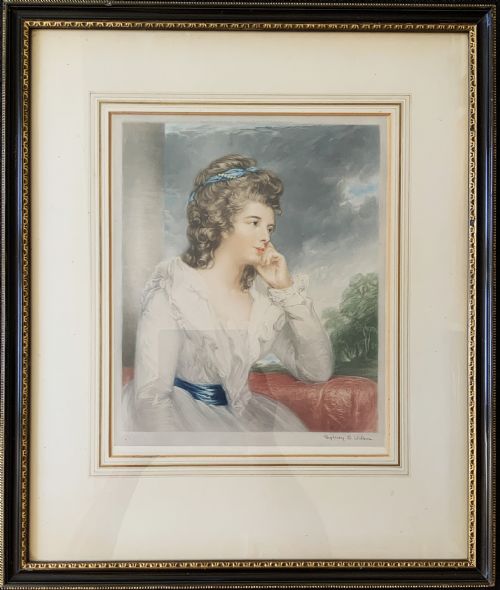
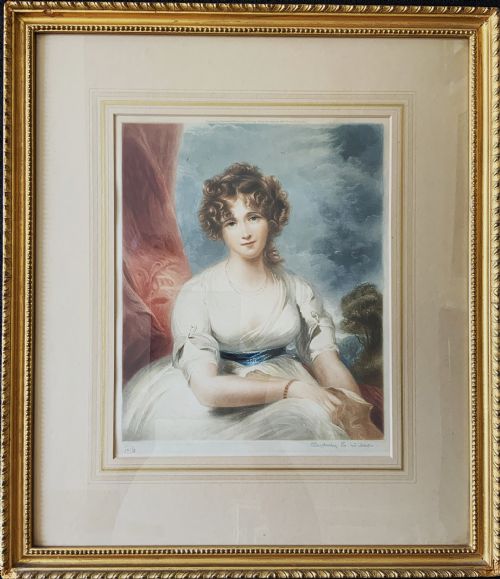
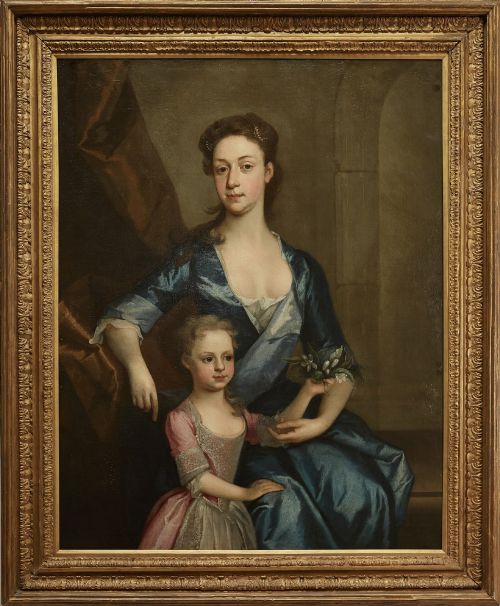


Georgian Style Lady Portrait
A georgian style lady portrait brings the quiet dignity of past centuries into a room through oil on canvas, pastel, and framed print.
Georgian Style Lady Portrait
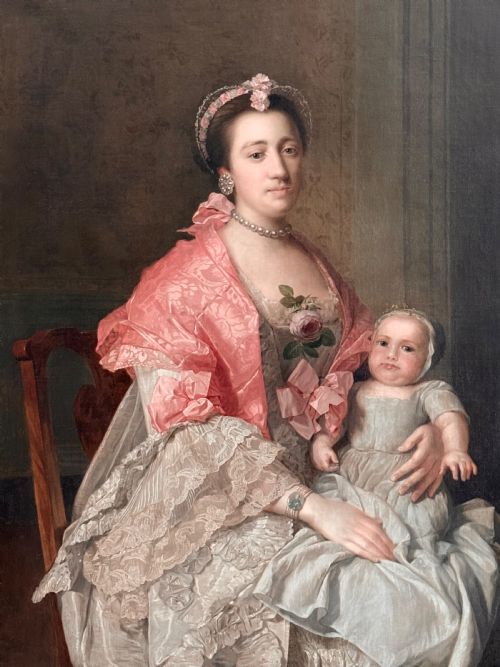
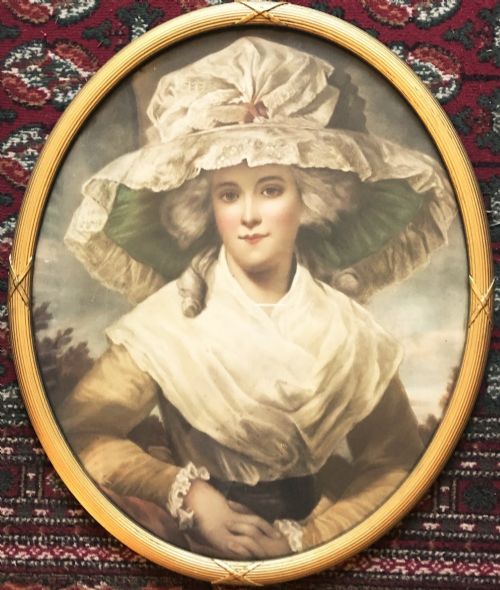
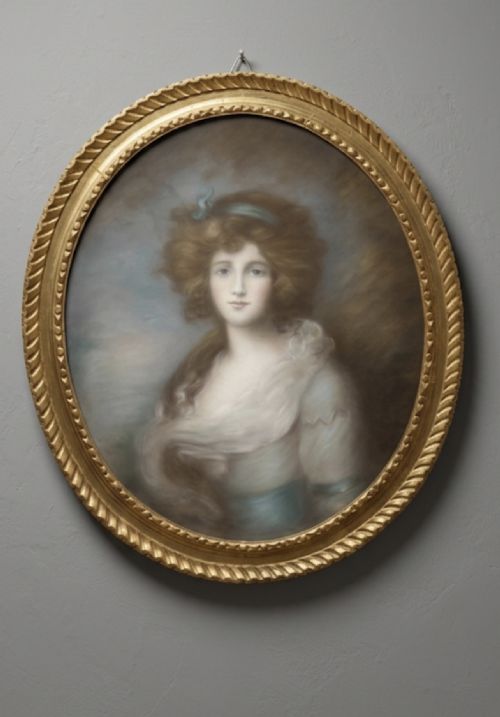
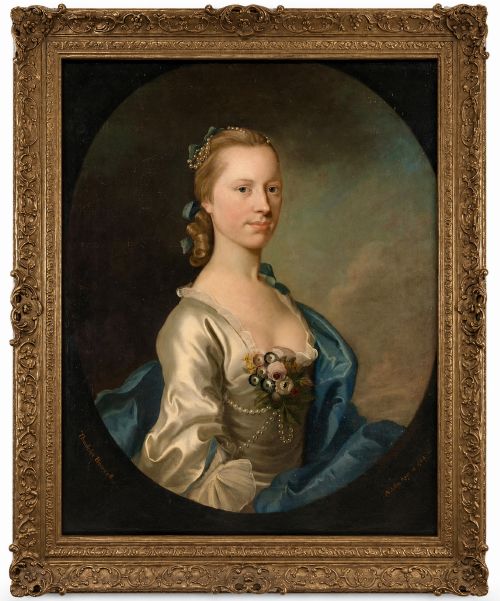
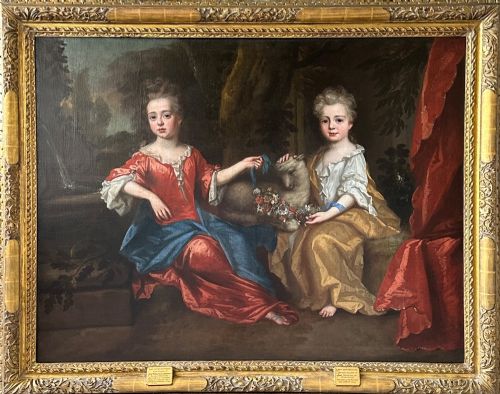
A georgian style lady portrait represents women from the eighteenth century onward, captured in oil, pastel, or watercolour. These works range from original eighteenth-century canvases to later revivals executed in the nineteenth and early twentieth centuries.
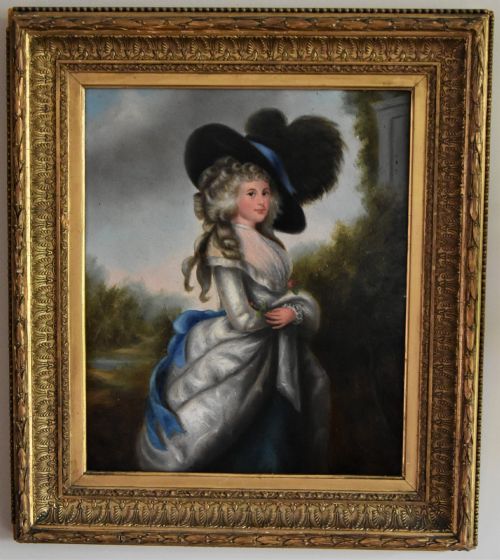
The subjects appear in varied formats, from large oil paintings in ornate frames to delicate miniature stick pins and glazed prints. Many pieces reflect the aesthetic of artists like Thomas Gainsborough and Sir Godfrey Kneller.
Most examples found here date from the eighteenth and nineteenth centuries, spanning Georgian, Regency, Victorian, and Edwardian periods. Buyers encounter both original period works and later interpretations that echo Neoclassical tastes.
Materials and Methods
Painters of these works utilised oil on canvas or board, alongside pastel and watercolour on paper. Frames were constructed from wood, often finished with giltwood or gilded surfaces to complement the artwork.
Techniques varied from hand-painted oils and pastels to artist proof mezzotint engravings and glazed print reproductions. Protective glass domes and heavy timber frames frequently enclosed the delicate paper and canvas mediums.
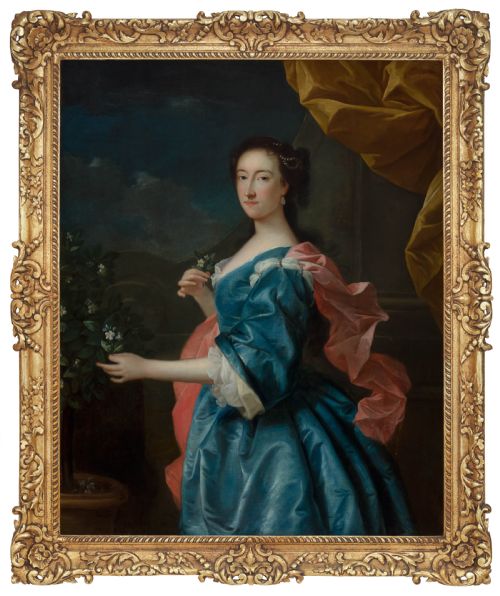
One lady poses eternally beside an orange tree and orange blossom, bringing botanical sunshine indoors regardless of the British weather.
Quality Variations
The skill of the hand defines the upper tier, where facial expression and fabric folds show subtle depth rather than stiff lines. Original artist proofs and oils carry greater artistic weight than mass-produced prints.
Frame construction also dictates standard, with hand-carved giltwood housing superior works while simple moulded wood supports lesser prints. The fidelity of later copies to original eighteenth-century proportions marks the divide.
Jeremiah Davison·Sir Allan Ramsay·Thomas Gainsborough·James Maubert·Sydney Wilson·Joseph Highmore·Sir Thomas Lawrence·Samuel Lawrence·Hans Hysing·Philip Mercier·Sir Godfrey Kneller·Angelica Kauffman
The Georgian Style Lady Portrait Glossary
- Mezzotint engraving
- A printmaking process where the copper plate is roughened to achieve rich tonal gradations. This method allowed printmakers to replicate the soft shadows of oil paintings.
- Giltwood
- Wood carved and coated with gold leaf or a gilt finish. It provided a reflective, ornate border for formal portraits.
- Pastel portrait
- A work executed using dry pigment sticks on paper or board. These pieces require glass protection to prevent the chalky medium from smudging.
- Miniature painting
- A small-scale portrait, often housed in a locket, brooch, or stick pin. These detailed works demanded immense precision from the artist using fine brushes.
- Artist proof
- An impression of a print taken before the main edition is run, retained by the creator. These carry higher desirability among collectors due to their early pull.
Georgian Style Lady Portrait: Frequently Asked Questions
Are these portraits original eighteenth-century works?
The selection includes genuine eighteenth-century paintings alongside later nineteenth-century revivals and early twentieth-century prints. Each listing specifies the period or style to clarify its exact origin.
Buyers find both contemporary depictions of eighteenth-century figures and later homages created during the Victorian and Edwardian eras.
How should I hang a framed oil portrait?
Heavy oil paintings in giltwood frames require secure wall fixings tied to structural studs or solid masonry. Position them away from direct sunlight and moisture to protect the canvas and wood.
Ensure the hanging wire and D-rings on the reverse match the weight of the heavy timber frames.
What is the difference between an oil painting and a mezzotint print?
An oil painting consists of pigmented paste applied directly to canvas or board by an artist's brush. A mezzotint is an engraved print pulled from a copper plate to reproduce an image in multiples.
Original oils display visible brushwork and texture, whereas prints present a flat, inked surface under glass.
How do I identify a Regency-style watercolour?
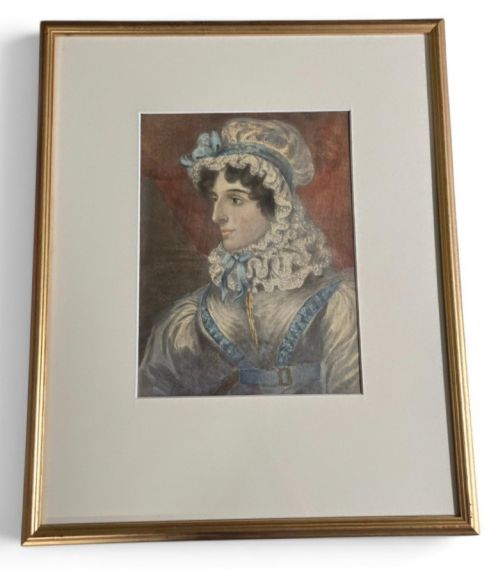
Regency-style watercolours typically feature soft washes of pigment and fine pencil lines on paper. They often portray subjects in neoclassical attire common during the early nineteenth century.
These works usually appear behind glass in slender wood frames rather than heavy gilded timber.