

Georgian Style Fireside Chair
A georgian style fireside chair brings high wings and deep padding to the hearth, offering comfort and presence in equal measure.
Georgian Style Fireside Chair
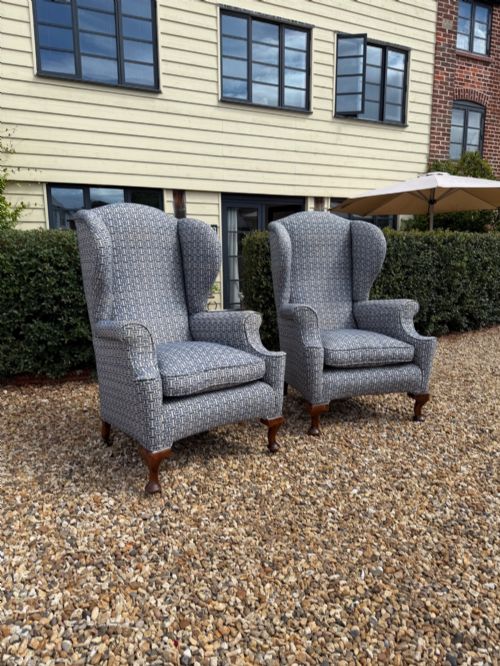
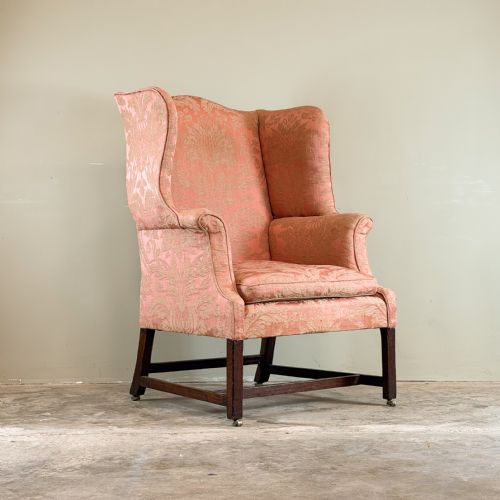
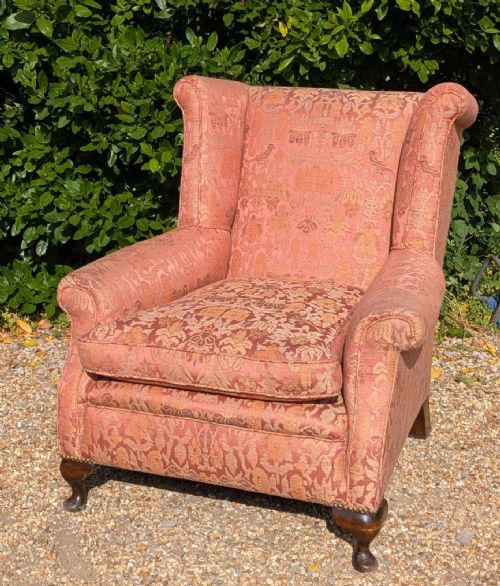
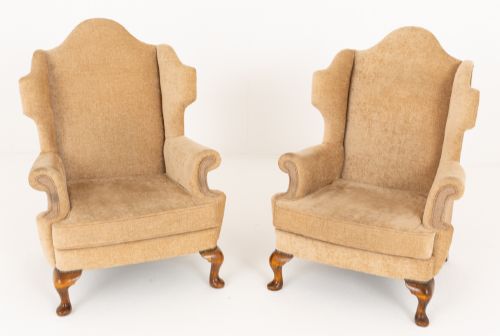
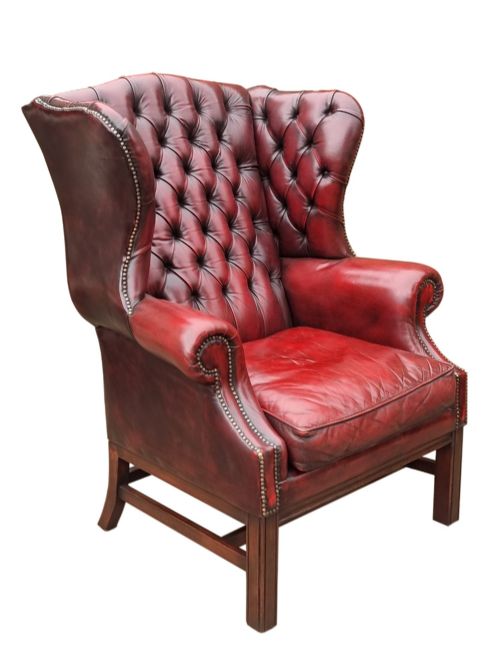
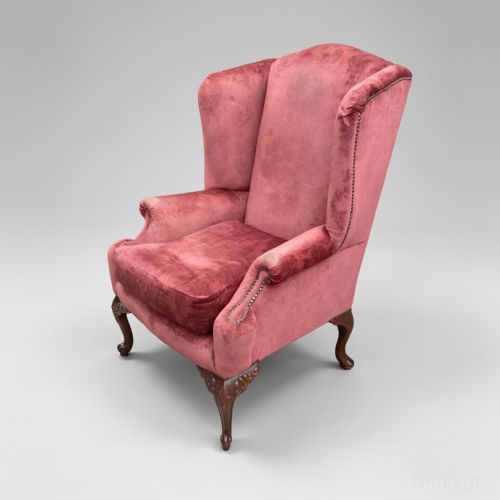
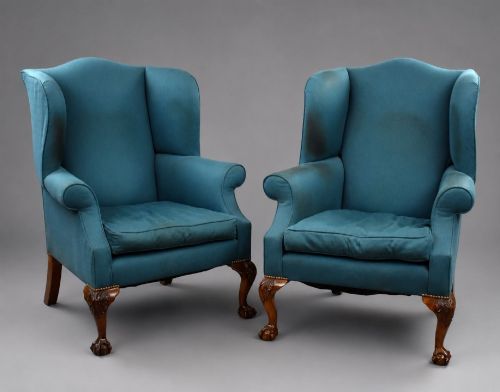
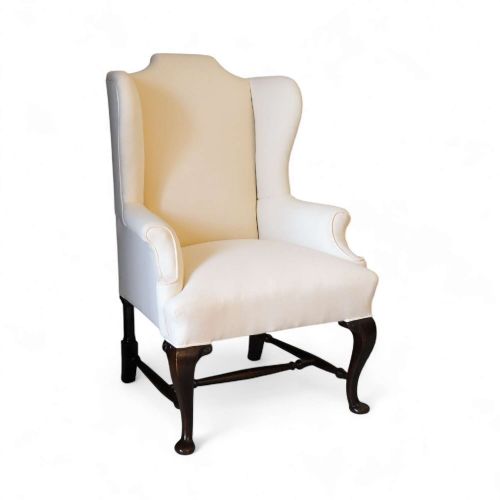
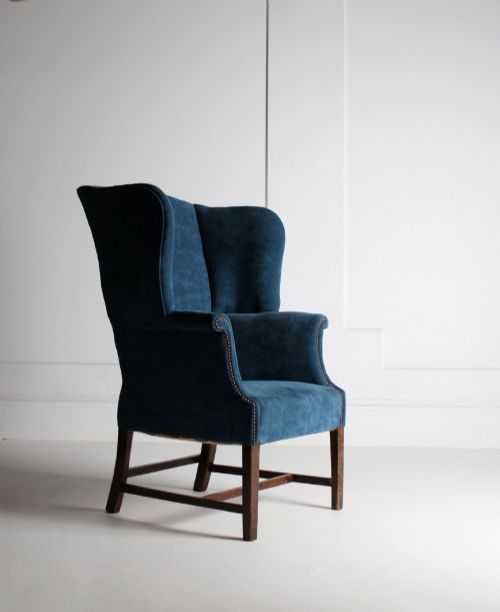
A georgian style fireside chair typically takes the form of a wingback armchair designed to keep draughts away from the sitter while radiating warmth from the fire. These seating pieces span genuine eighteenth-century examples alongside later nineteenth-century revivals and early twentieth-century interpretations.
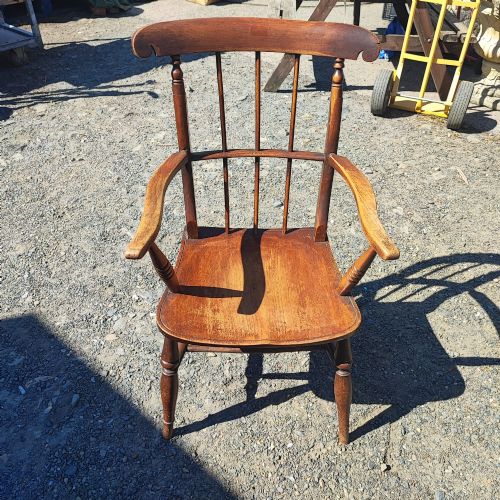
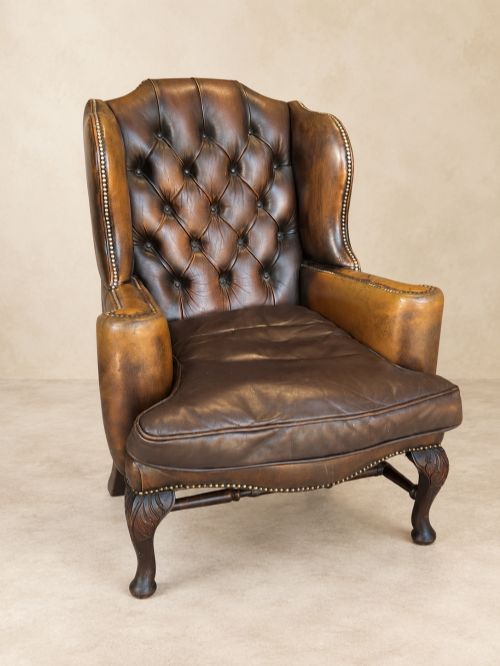
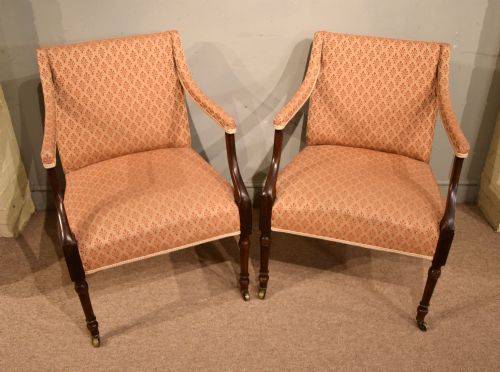
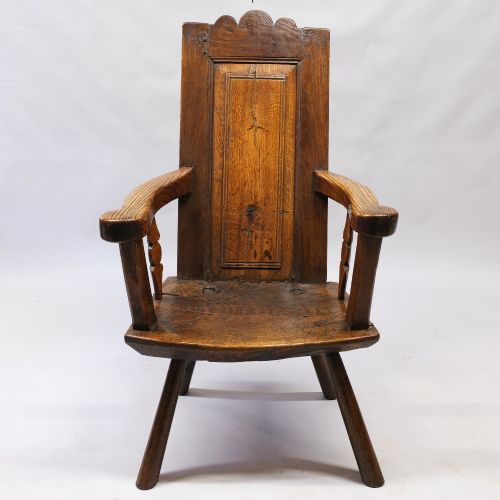
The inventory on this page ranges from sturdy ash and elm country windsors to grand mahogany and walnut frames upholstered in leather, velvet, and fabric. Slipper chairs and open armchairs also appear, yet the high-winged fireside seat remains the dominant form.
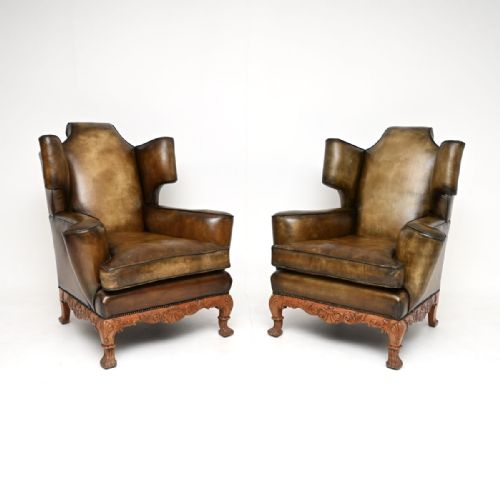
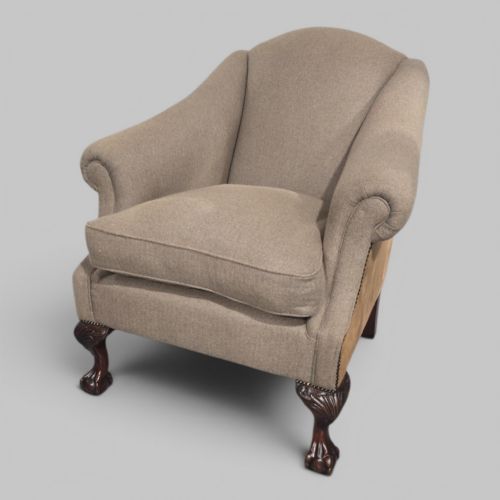
Makers and manufacturers across the Georgian, Victorian, Edwardian, and later revival periods produced these chairs to suit both formal drawing rooms and relaxed country houses. Buyers encounter everything from carved mahogany models in the Irish manner to simpler panel-backed windsor chairs.
How they were made
Frames rely primarily on hardwoods such as mahogany, walnut, ash, and elm, selected for structural strength and carved detailing on legs and arms. Joinery techniques involve traditional mortise and tenon construction to ensure stability under heavy daily use.
Upholstery methods combine supportive webbing and springs with traditional stuffing materials, often finished in leather, velvet, or calico waiting for final covering. Brass accents sometimes secure upholstery edges or adorn wheel castors on the feet.
Listings span pieces from the eighteenth century through the Edwardian era and into the nineteen-thirties, constructed in mahogany, walnut, ash, elm, and leather.
What varies in quality
Quality rests heavily on the crispness of timber carving, the integrity of the underlying frame, and the balance of proportions between wings, arms, and legs. Pieces featuring dense timbers like walnut and finely figured mahogany command greater attention.
The success of a revival piece depends on the fidelity of its lines to eighteenth-century precedents and the skill of the upholsterer in maintaining correct tension and contours. Original frames retaining their early structural integrity outrank heavily altered examples.
The Georgian Style Fireside Chair Glossary
- Cabriole leg
- A furniture leg that curves out at the knee and tapers inward to an ankle, mimicking an animal's limb. This form appears frequently on eighteenth-century seating.
- Wingback
- An armchair featuring protective flaps or wings attached to the arm rests and angled to block draughts. These wings were originally designed to trap heat around the head and shoulders.
- Windsor chair
- A wooden chair constructed with a solid saddle-shaped seat into which the legs and back spindles are doweled directly. Ash and elm are traditional timbers for this construction.
- Chippendale style
- A decorative style inspired by the designs of Thomas Chippendale, characterised by carved mahogany, cabriole legs, and intricate back splats. It heavily influenced later revival seating.
- Calico stage
- An intermediate stage in upholstery where a plain cotton fabric covers the internal stuffing before the final decorative material is applied. This allows a buyer to choose their own top fabric.
Georgian Style Fireside Chair: Frequently Asked Questions
How do I spot a true eighteenth-century chair?
Examine the timber underneath for tool marks, oxidation, and signs of hand-working that differ from machine production. Construction methods like pegged joints and secondary woods offer clues to authenticity.
Compare the proportions and carving style against known period examples. Expert opinion is often required to separate original pieces from later revivals.
What is the difference between an original and a revival piece?
Original pieces date from the actual historical period of manufacture, such as the seventeen-hundreds. Revival pieces are later copies made in the nineteenth or twentieth century following earlier aesthetics.
Revival furniture often uses different secondary timbers and machine-cut elements while faithfully copying the outward silhouette. Both hold distinct appeal depending on a buyer's preference for age or durability.
How should I care for leather upholstery?
Keep leather furniture away from direct sunlight and heat sources to prevent the hide from drying and cracking. Regular dusting with a soft cloth maintains the surface.
Apply a suitable leather conditioner periodically to keep the material supple. Avoid harsh chemical cleaners that strip natural oils.
Can I use these chairs in a modern room?
The traditional silhouette of a fireside chair anchors contemporary spaces by adding texture, warmth, and historical contrast. Neutral or bold upholstery helps bridge different design eras.
Their substantial scale makes them ideal reading seats or focal points in living areas. Comfort remains as practical today as it was centuries ago.