


Georgian Style Column Lamp
These georgian style column lamp pieces bring classical vertical proportion and timber warmth into a room, offering the timeless elegance collectors seek.
Georgian Style Column Lamp
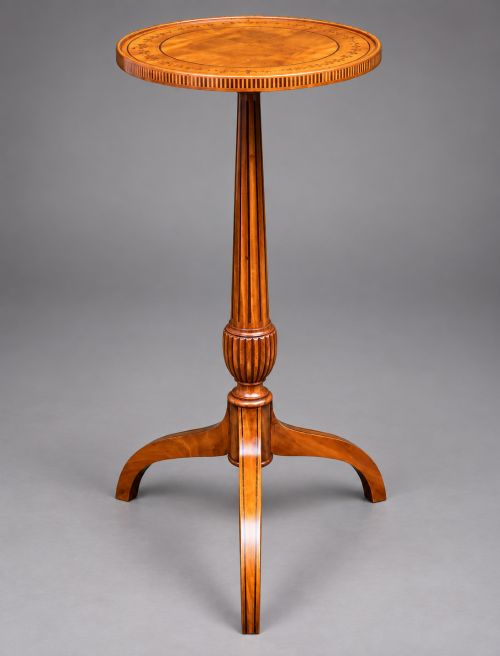
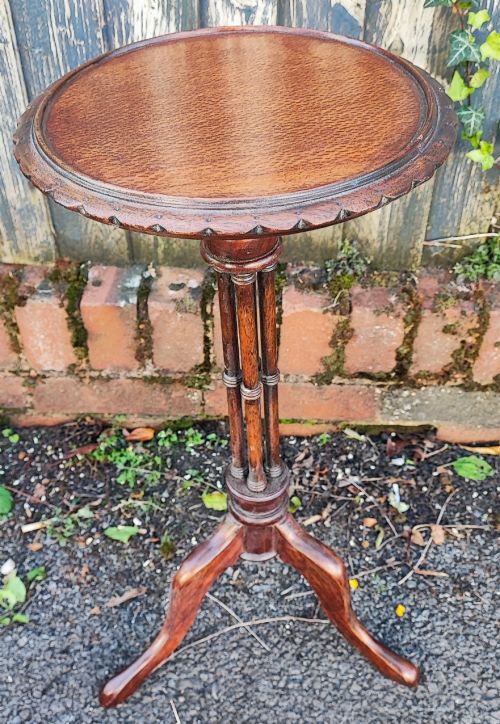
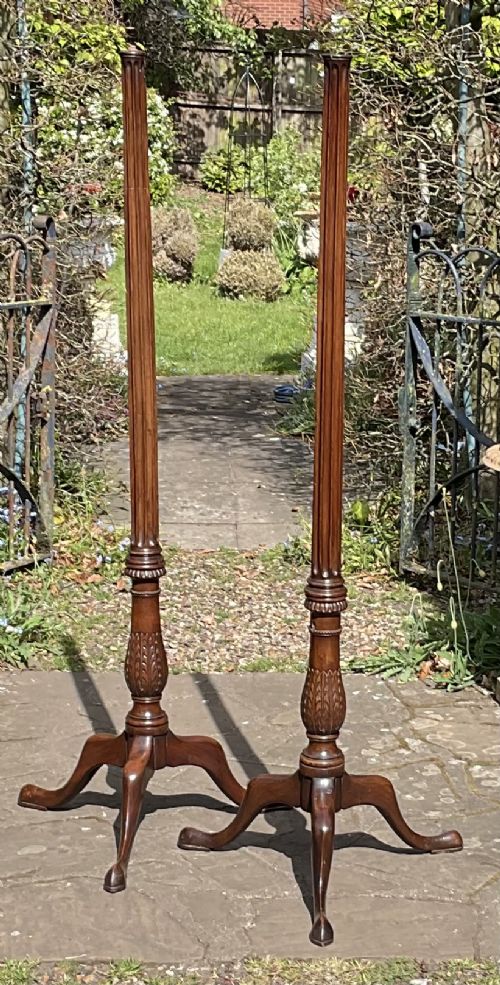
A georgian style column lamp brings classical proportion into a room, taking the form of tall standards or smaller table versions rooted in eighteenth-century design. These pieces draw on neoclassical principles, using columnar shafts to create height and architectural presence.
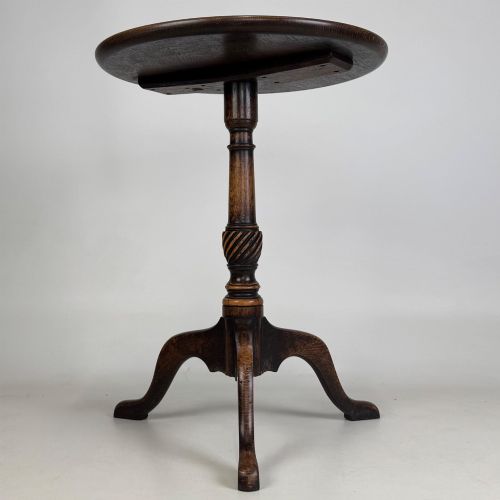
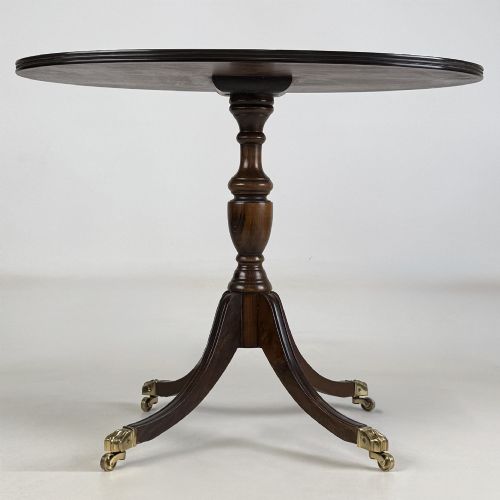
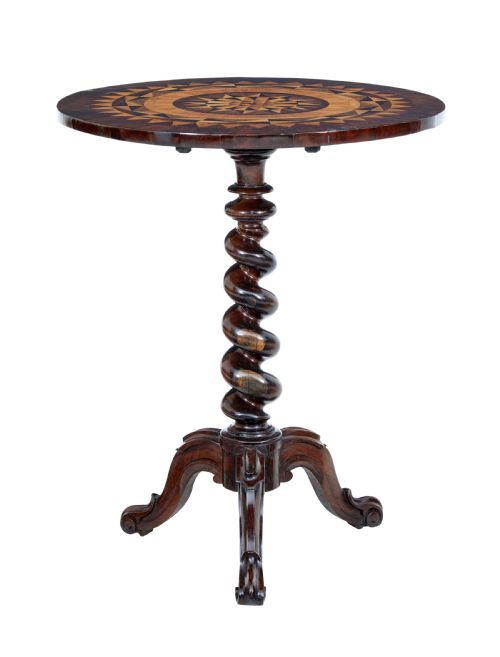
The versions most commonly met on this page include mahogany floor standards and smaller lamp tables or torcheres. Makers through the nineteenth and twentieth centuries adapted these classical shapes into functional lighting and occasional furniture.
Origins span multiple periods from the eighteenth century onwards, with revival styles dominating the selection. Pieces range from slender floor-standing columns to tripod-based lamp tables designed to hold a light source.
How they were made
Construction relies heavily on dense timbers such as mahogany and oak, often turned on a lathe to form the central column. Cabinetmakers utilised brass and ormolu for mounts, fittings, and weighted bases to ensure stability.
Inlaid woods and satinwood veneers appear on finer surfaces, demonstrating traditional joinery and decorative banding. Tripod legs and stepped pedestals provide the necessary structural support for tall standards and heavy table tops.
Listings feature woods such as mahogany, oak, satinwood, and burr oak veneer alongside brass and ormolu mounts.
What varies in quality
Quality rests upon the crispness of the turning on the wooden column and the weight of the metal components. Better examples display careful timber selection, such as figured mahogany or burr veneers, matched with robust internal wiring paths and substantial brass bases.
Proportion and stability separate standard production from superior work. A well-balanced base and clean joinery ensure the piece stands true without wobble, while inferior items often rely on clumsy proportions or thin, lightweight timber.
The Georgian Style Column Lamp Glossary
- Torchere
- A tall stand or pedestal designed to hold a light or decorative object. These slender pieces often feature fluted columns and tripod bases.
- Tripod Table
- A small occasional table supported by three legs radiating from a central pillar. They frequently appear in mahogany with tilt-top mechanisms.
- Ormolu
- Gilded bronze used for decorative mounts and accents. It provides a bright metallic contrast against dark woods like mahogany.
- Satinwood
- A pale, lustrous timber utilised for fine veneers and stringing. It gained popularity during the revival periods for contrasting details.
Georgian Style Column Lamp: Frequently Asked Questions
Are these lamps wired for modern use?
Most antique and vintage standards require inspection and often rewiring by a qualified electrician to meet current safety standards. This ensures the internal fittings match modern household plugs safely.
Buyers should check the entry and exit points for the cable to confirm the wooden shaft remains undamaged by previous alterations.
How do I identify a revival piece?
Revival pieces replicate earlier eighteenth-century forms during the nineteenth or twentieth centuries using machinery alongside hand tools. Machine-cut threads and standardised timber dimensions often point towards later manufacture.
Examining the underside of bases and interior block joints reveals the construction methods characteristic of Victorian and Edwardian workshops.
Where should I place a floor standard?
Floor standards suit corners or seating areas where vertical height can balance low furniture. Their narrow footprint makes them practical for illuminating dark spaces without crowding a room.
Ensuring the floor is level prevents any strain on the tripod or stepped base.
What woods were commonly used?
Mahogany remains the predominant timber, offering a deep reddish-brown tone and strong grain structure suitable for turning. Oak and satinwood also appear in specific revival contexts.
Secondary woods inside the construction often include pine or beech, depending on the workshop origin.