
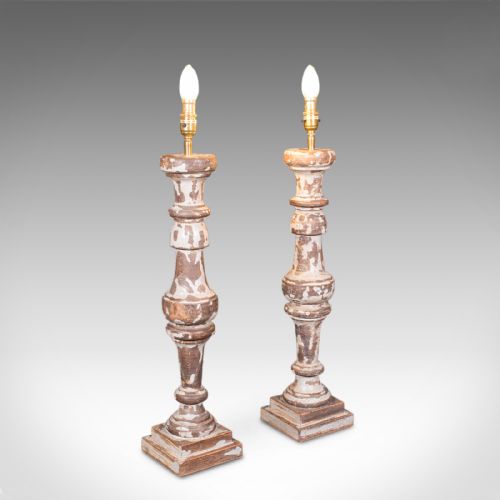


English Column Table Lamp
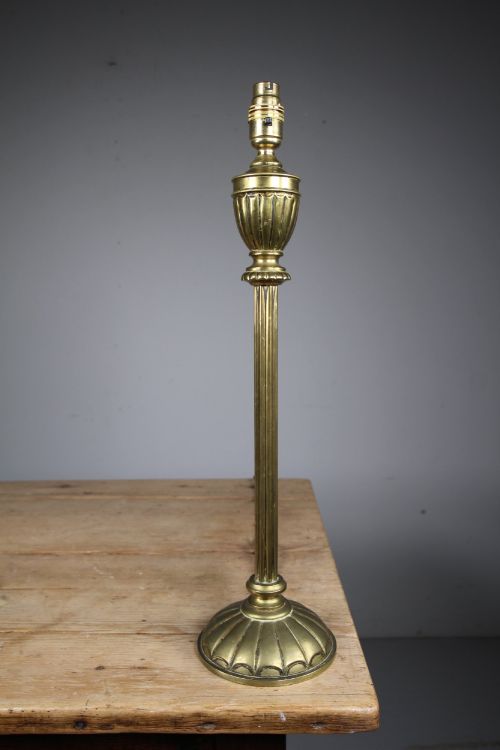
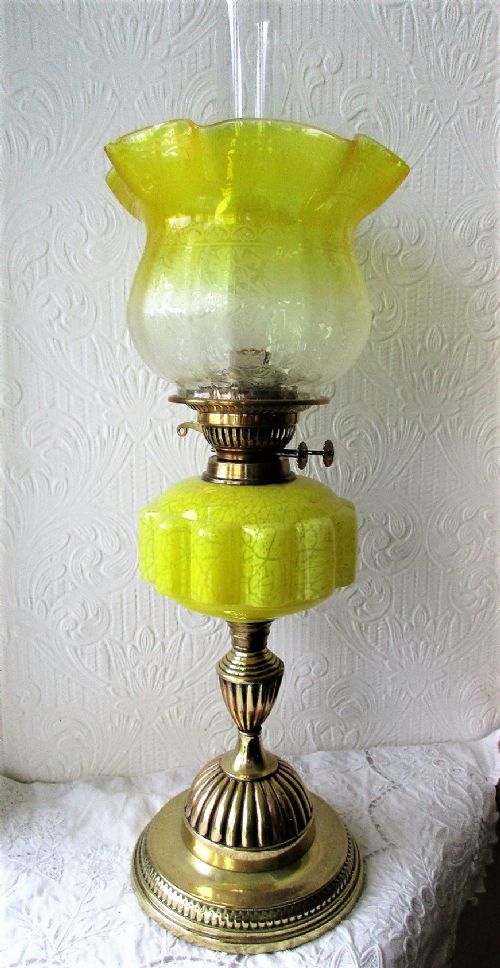
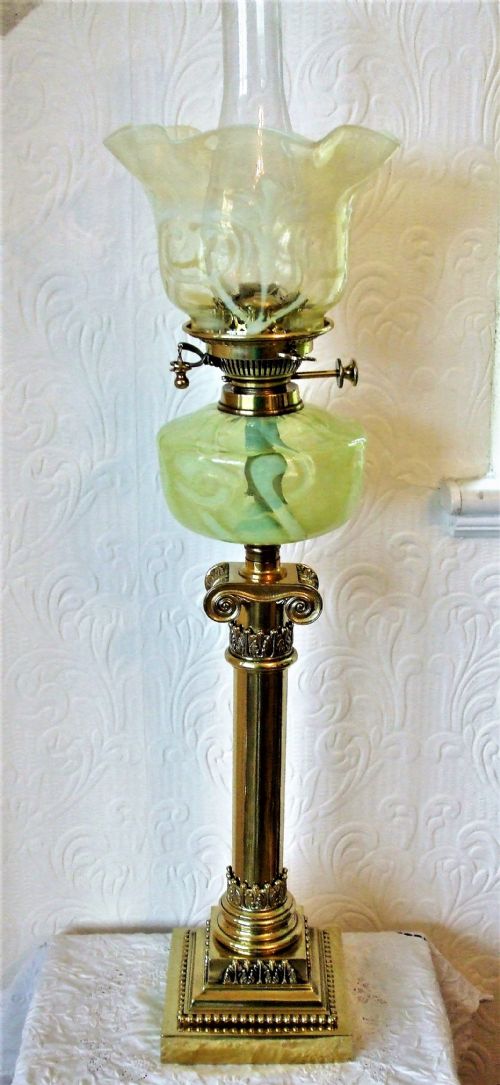
These english column table lamp examples bring classical proportions and polished metal or glass to a room, offering both character and focused light.
English Column Table Lamp
An english column table lamp draws on classical architecture, translating stone orders into domestic lighting forms that suit studies, libraries and drawing rooms.
The most common versions met here combine turned metal columns with stepped bases, frequently originating from the Victorian and Edwardian periods.
Many examples began life as oil or paraffin burners before conversion to electricity, retaining their original reservoirs and burners as decorative elements.
Materials and construction
Brass, bronze and silver plate form the primary structural metals, shaped through casting, turning and chasing to create fluted shafts and Corinthian capitals.
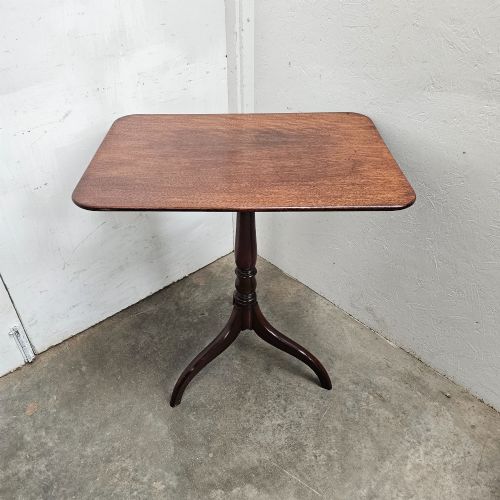
Listings feature pieces spanning the eighteenth to early twentieth centuries, with brass, glass and mahogany appearing frequently across columns and occasional tables.
Quality differences
Proportion and weight separate standard production pieces from finer examples, with heavier metal castings and crisper acanthus leaf carving on capitals commanding attention.
The integration of the conversion work affects the overall finish, particularly how cleanly the wiring runs through the historic burner assembly without damaging the metalwork.
Hinks·Messenger·Osler
The English Column Table Lamp Glossary
- Corinthian capital
- The ornate top section of a column decorated with carved or cast acanthus leaves. This motif appears frequently on nineteenth-century metal lamp bases.
- Ionic column
- A classical column style distinguished by scroll-shaped ornaments known as volutes on the capital. It offers a simpler profile than the Corinthian order.
- Opaline glass
- An opaque white or tinted glass popular in the nineteenth century for lamp bodies and shades. It diffuses light softly and holds colour well.
- Oil lamp
- A lighting device that burns paraffin or oil via a wick before electricity became standard. Many surviving examples have been adapted for modern bulbs.
English Column Table Lamp: Frequently Asked Questions
What is an english column table lamp?
An english column table lamp is a lighting fixture designed around the proportions of classical architectural columns. They typically feature a slender shaft rising from a stepped base to a detailed capital.
Materials range from polished brass and silver plate to cut crystal and opaline glass. Many originated as oil lamps before later conversion to electricity.
How do I date an antique lamp?
Dating relies on examining the materials, construction methods and stylistic details of the base and collar. Victorian and Edwardian examples often display distinct casting techniques and burner mechanisms.
Earlier pieces from the Regency period tend to use simpler classical lines, while later nineteenth-century versions embrace heavier ornamentation and silver plating.
Were these lamps originally electric?
Most nineteenth-century examples began as oil or paraffin lamps rather than electrical fittings. They utilised burners and glass reservoirs that sat atop the metal or glass columns.
These older components are often retained during conversion, allowing the lamp to maintain its historic character while functioning safely with modern wiring.
How do I choose the right shade?
Selecting a shade depends on the height and visual weight of the column itself. Proportion is key to ensuring the piece remains balanced.
Fabric shades work well with brass and bronze, while glass columns often pair effectively with matching glass or simpler fabric designs that do not obscure the capital.