





Georgian Style Centrepiece
A georgian style centrepiece commands attention on any dining table, bringing period elegance and practical display to your home.
Georgian Style Centrepiece
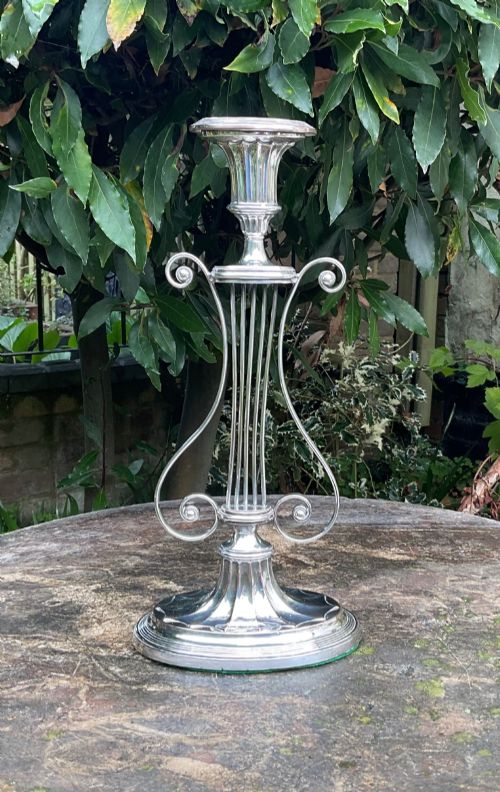
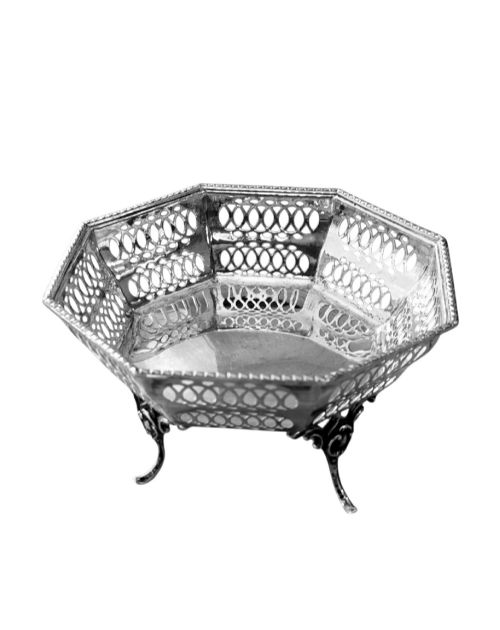
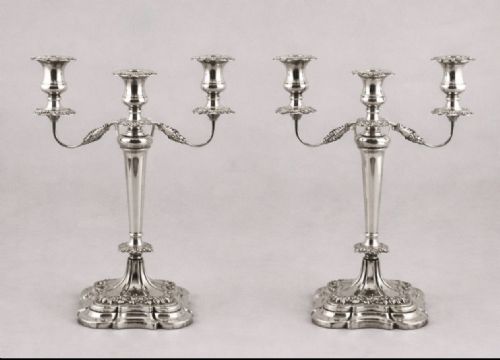
A georgian style centrepiece encompasses various decorative and functional items designed to anchor a room or table arrangement. The selection includes candelabra, baskets, bough pots, and revolving lazy susans spanning multiple centuries and revivals.
Buyers encounter interpretations ranging from eighteenth century originals to later twentieth century revivals. Materials include sterling silver, porcelain, mahogany, and ironstone, reflecting diverse domestic uses across periods.
Forms vary from towering multi-light candelabra to handled baskets and revolving servers. Each object demonstrates the enduring influence of georgian design on subsequent generations of makers.
Materials and construction
Sterling silver and silver gilt provide the primary metallic medium for hollowware and candelabra, often shaped through casting and hammering. Hallmarks stamped into the metal record assay offices, years, and maker marks.
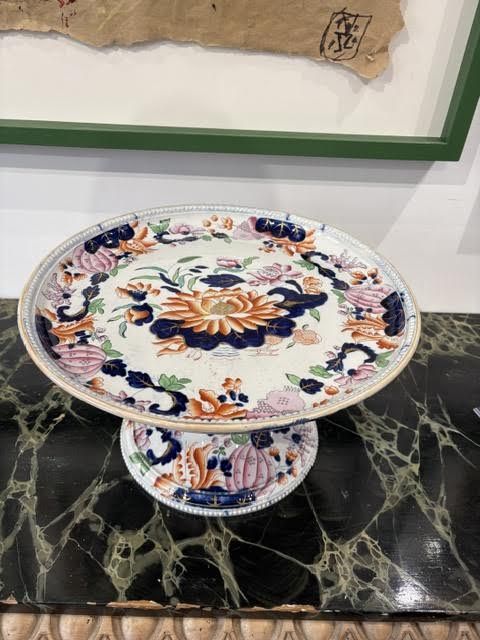
Ceramic pieces utilise porcelain and ironstone china, shaped into bough pots and tureens with applied covers. Mahogany timber constructs functional revolving dining accessories utilising central pivot mechanisms.
Decorative details employ gilding, blue glass liners, and bronze casting. These techniques combine structural integrity with ornamental refinement across silver, ceramic, and wooden mediums.
Georgian Style Centrepiece Retail Price Guide 2026
Typical asking prices for georgian style centrepiece among the pieces listed under this phrase on Sellingantiques today, from the lower quarter to the upper quarter. They describe what is for sale here now, not the wider market.
An eighteenth century bronze fireplace frieze proves that even the hearth appreciated a dramatic centrepiece.
Judging quality and execution
The distinction between standard production and superior execution lies in the crispness of chased and cast ornament. Finer pieces display sharply defined neoclassical motifs and rococo scrolls without softening from excessive polishing.
Proportion and balance determine the visual success of candelabra and baskets. High quality examples maintain structural stability even when loaded with candles or fruit, showing careful weight distribution.
The integrity of materials, from heavy gauge sterling silver to unblemished porcelain bodies, separates basic items from exceptional specimens. Marks of proper hallmarking and undamaged original components confirm authenticity and careful preservation.
Synyer And Beddoes·John Hunt·James Dixon And Sons·George Fox
The Georgian Style Centrepiece Glossary
- Candelabra
- Branching candlesticks designed to hold multiple candles simultaneously. These fixtures frequently serve as the central decorative focus on dining tables or sideboards.
- Bough pot
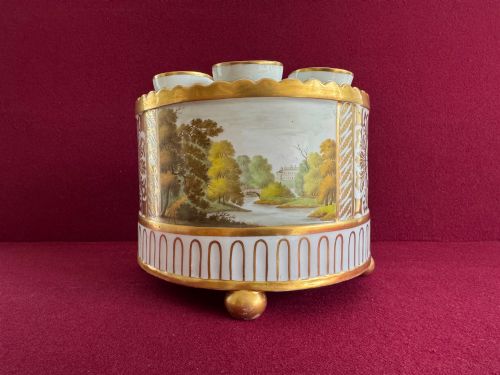
- A decorative ceramic vessel designed to hold cut branches or flowers for interior decoration. They typically feature pierced covers to keep stems upright.
- Sugar basket
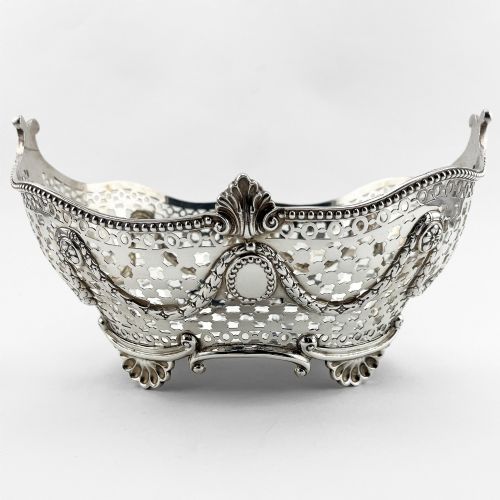
- A small footed or swing handled basket used on tea tables to hold lump sugar. They often incorporate contrasting blue glass liners.
- Lazy susan
- A revolving tray placed on a table to assist in moving food or condiments easily between diners. Nineteenth century versions frequently utilise multi-tier mahogany construction.
- Silver gilt
- Silver objects coated with a thin layer of gold applied through chemical or electrochemical processes. This technique provides the rich appearance of solid gold while utilising a silver base.
Georgian Style Centrepiece: Frequently Asked Questions
What is a georgian style centrepiece used for?
These items serve as decorative and functional focal points for tables, sideboards, and fireplace mantels. Historically, they displayed fruit, flowers, or provided illumination during dining.
Today, they retain their decorative appeal while continuing their original functions in domestic settings. Collectors often arrange them on large dining tables as room centerpieces.
How do I care for silver centrepieces?
Sterling silver requires regular gentle dusting and occasional polishing with appropriate non abrasive creams to prevent tarnish accumulation. Avoid harsh chemical dips that strip away desirable patination.
Store pieces in stable environments away from excessive humidity and direct sunlight. Proper handling prevents damage to delicate cast details and swing handles.
How can I tell a revival piece from an original?
Hallmarks provide the most reliable indicator of age and origin on metal items, cross referencing assay office date letters with historical records. Stylistic details also offer clues, though revival periods frequently copied earlier aesthetics precisely.
Examining construction techniques, wear patterns, and material composition helps distinguish eighteenth century originals from twentieth century revivals. Comparing hallmarks and manufacturing methods clarifies the timeline.
What materials were commonly used?
Sterling silver and silver gilt dominate the metalwork category, offering durability and high decorative potential. Porcelain, ironstone china, and mahogany timber appear frequently in vessels and serving trays.
Additional elements include bronze for architectural friezes and blue glass inserts for pierced baskets. Each material dictated specific crafting techniques used by period artisans.