



Georgian Study Chair
A georgian study chair is a robust timber seat built for work and reading, prized for solid proportions and comfortable upholstered arms.
Georgian Study Chair
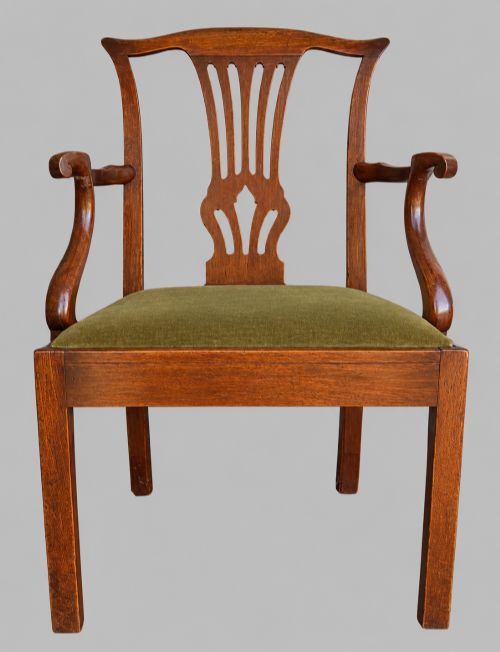
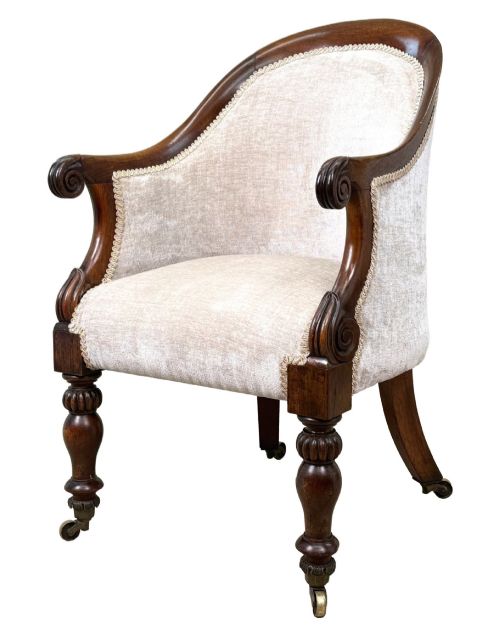
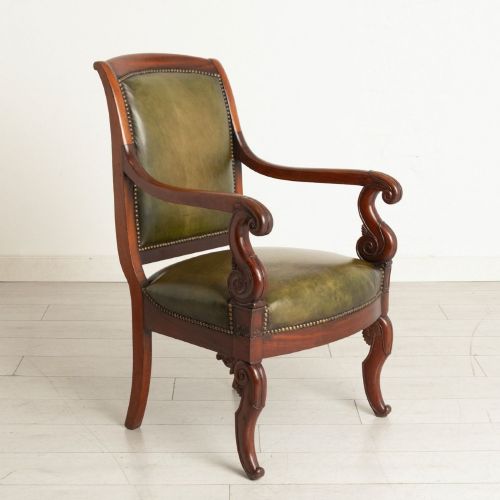
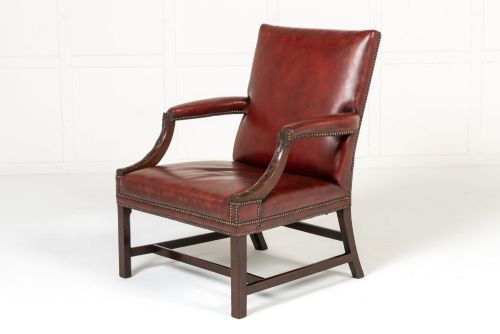
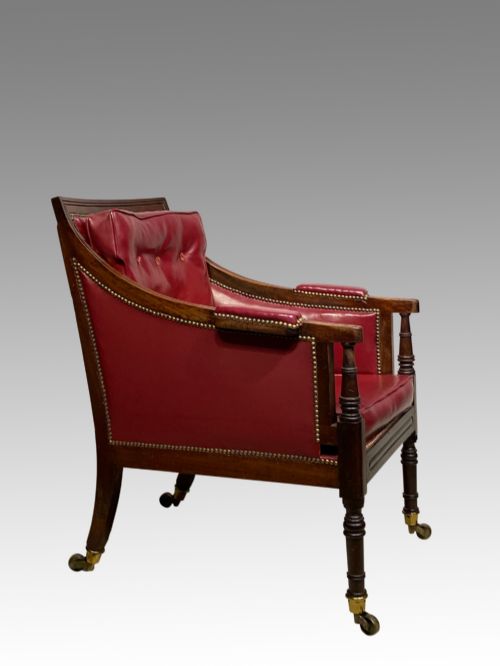
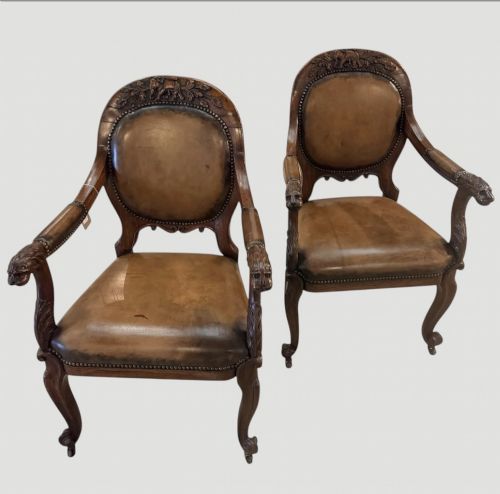
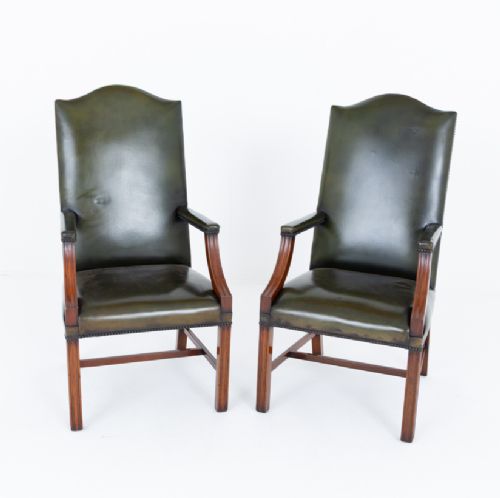
A georgian study chair encompasses heavy timber seating designed for desks, libraries, and studies during the eighteenth and nineteenth centuries. The evidence shows these pieces appearing in forms such as desk armchairs, gainsborough chairs, and library bergères.
Makers produced these chairs in genuine period workshops as well as later revival periods spanning the nineteenth and early twentieth centuries. Mahogany forms the backbone of the selection, accompanied by walnut and rosewood frames.
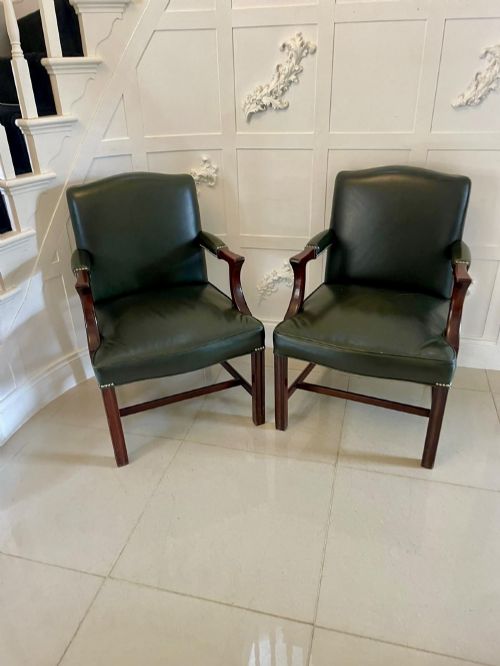
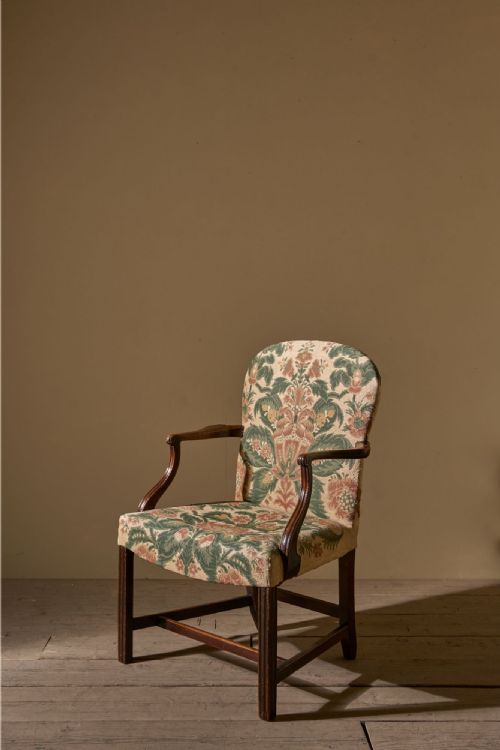
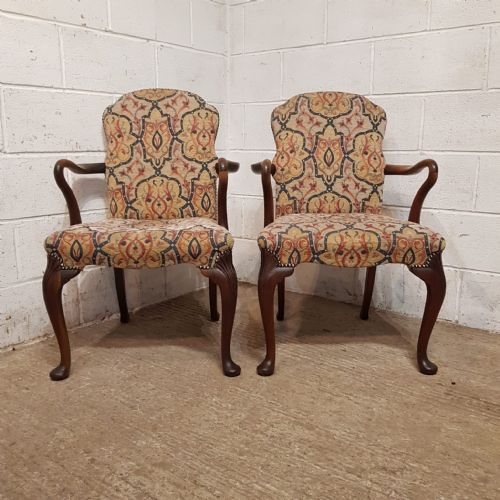
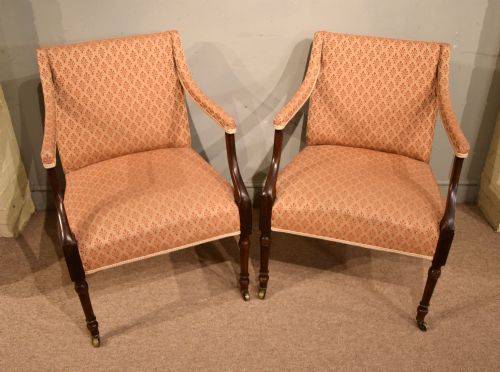
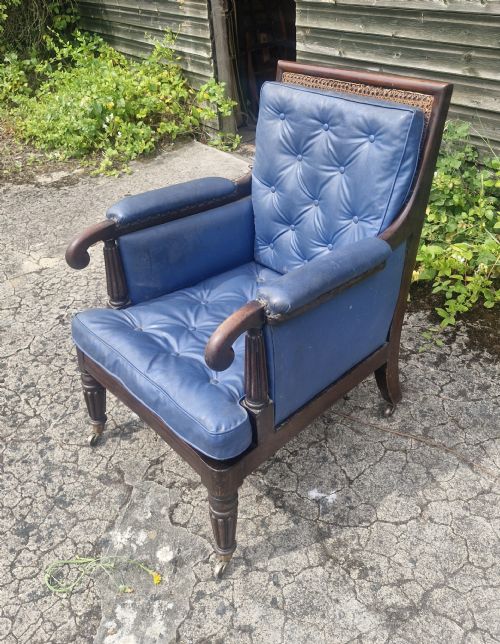
Buyers frequently encounter variants upholstered in leather, tapestry fabric, and velvet, alongside caned bergere panels. The inventory ranges from simple elbow seats to large reclining library chairs.
How they were made
Frames rely heavily on dense hardwoods like mahogany and walnut, shaped into armchairs, side chairs, and desk seats. Woodworkers employed traditional joinery to support the weight and movement expected of a working seat.
Upholstery techniques combined sturdy internal webbing and stuffing with outer layers of green leather, red leather, tapestry fabric, or velvet. Caning appeared on bergere models, woven through drilled frame edges to create flexible backrests and seats.
Some nineteenth-century study chairs included sliding mechanisms so readers could glide closer to the bookshelf.
What varies in quality
Quality rests upon the crispness of the carved details on the mahogany or walnut frame and the weight of the timber used in construction. Finer examples display deliberate proportions and balanced chippendale or regency styling rather than rushed proportions.
The choice of secondary materials dictates longevity, with top-tier pieces retaining thick hides, hand-woven cane panels, or detailed brass hardware. The integration of the upholstery with the timber frame marks the difference between standard seating and a masterwork.
The Georgian Study Chair Glossary
- Gainsborough chair
- A wide, upholstered armchair with open padded arms and short legs, designed for writing desks and libraries.
- Bergere
- An enclosed upholstered armchair featuring cane or wickerwork sides and back panels.
- Carver chair
- An armchair used traditionally at the head of a dining table or as a solitary study seat.
- Chippendale style
- A mid-eighteenth-century design influence known for carved ribbon backs and intricate mahogany woodwork.
- Elbow chair
- An alternative term for an armchair with low armrests intended for desk or dining use.
Georgian Study Chair: Frequently Asked Questions
What is a georgian study chair?
A georgian study chair is a wooden seat built for writing or reading in a library, office, or private study room. These pieces typically feature upholstered arms and sturdy timber frames designed to withstand daily use.
The listings show these chairs originating from both the eighteenth century and subsequent revival periods, utilising mahogany, walnut, and leather.
How do I identify a library chair?
Library chairs are distinguished by wide seats, padded armrests, and supportive backs intended for long hours of reading. Many examples incorporate leather upholstery or cane panels for comfort.
Evidence in the records points to variations like bergere chairs and sliding library armchairs designed specifically for reading spaces.
What woods were used for study chairs?
Makers relied heavily on mahogany as the primary timber for these chairs, supplemented by walnut, rosewood, oak, ash, and elm. These dense hardwoods provided the structural integrity needed for heavy daily desk work.
Brass fittings and leather upholstery frequently accompanied these timber frames to complete the functional design.
Can I use an antique study chair at a modern desk?
These chairs function well in modern offices, provided the seat height aligns comfortably with your desk surface. Many buyers place them in home studies for both daily seating and historical character.
The sturdy construction of mahogany and leather makes them practical for everyday sitting.