


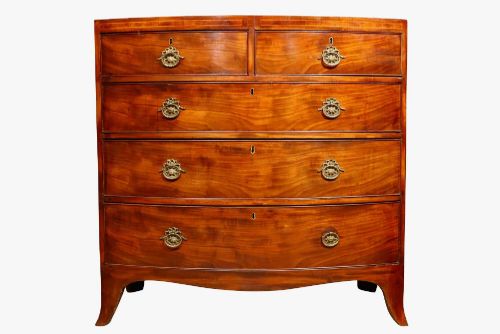
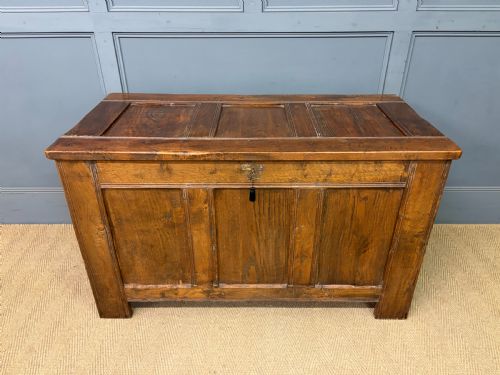
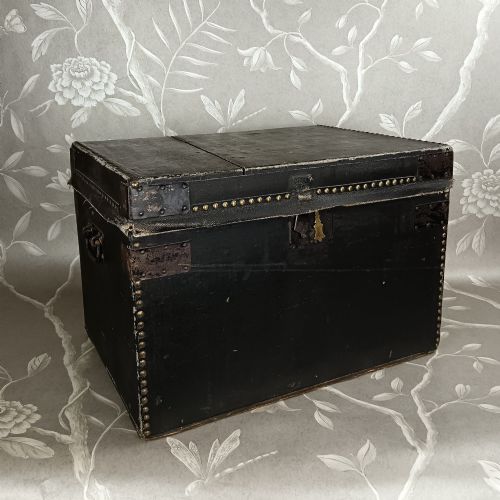
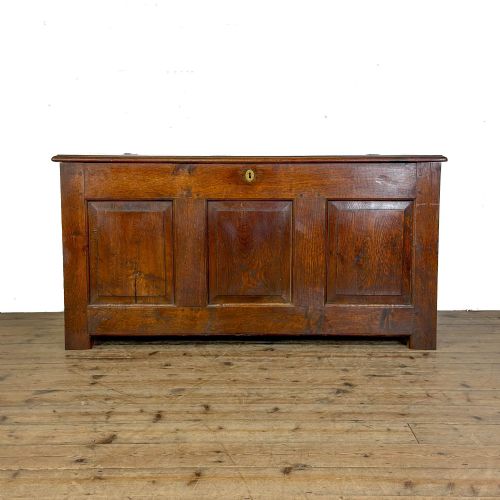
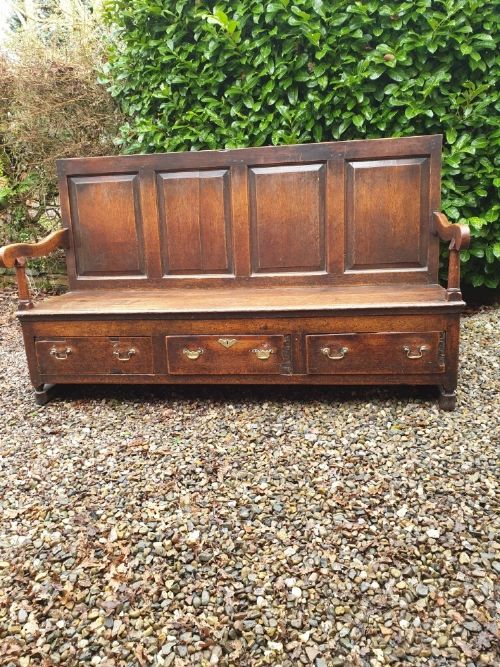
Georgian Storage Coffer
A georgian storage coffer is a solid domestic box built to hold blankets, linen or valuables, offering sturdy timber construction and centuries of practical heritage.
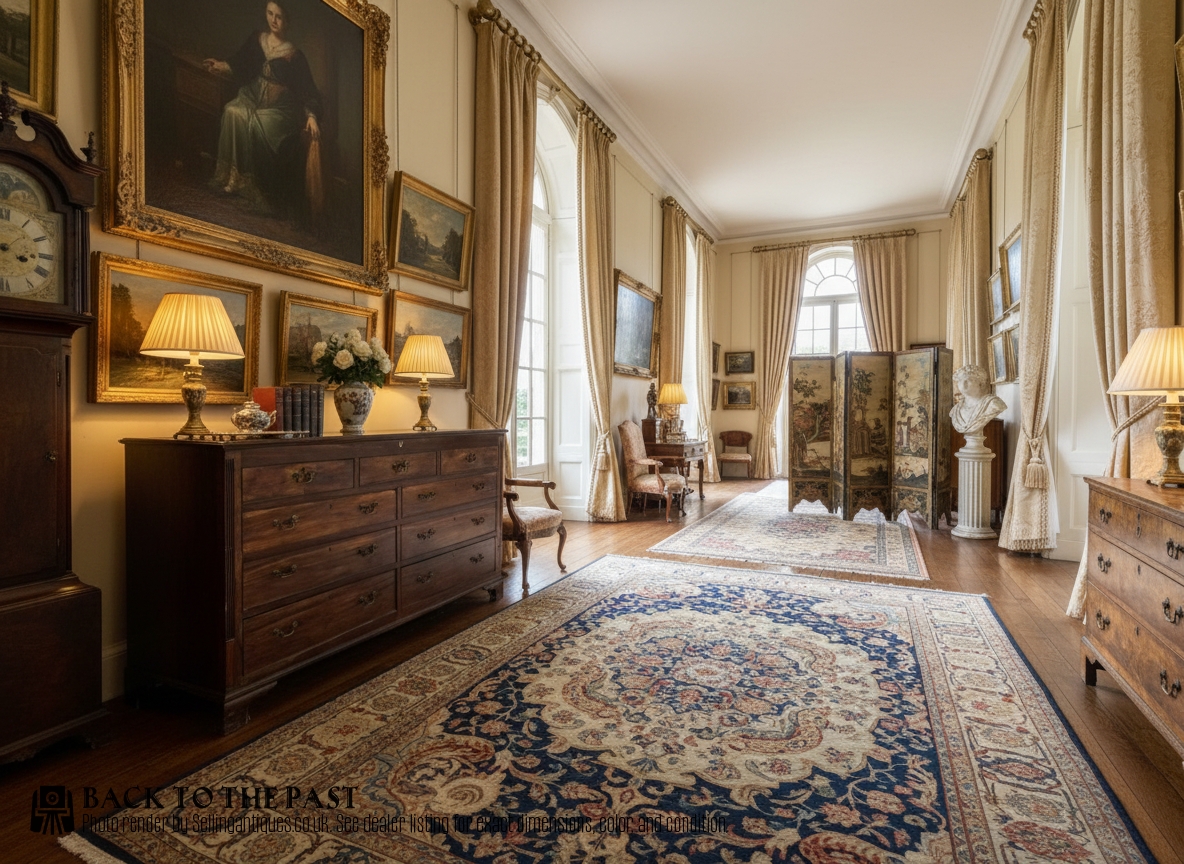
Georgian Storage Coffer
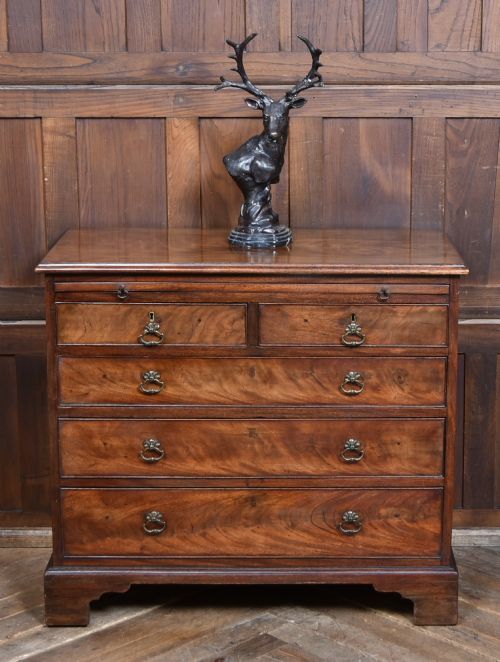
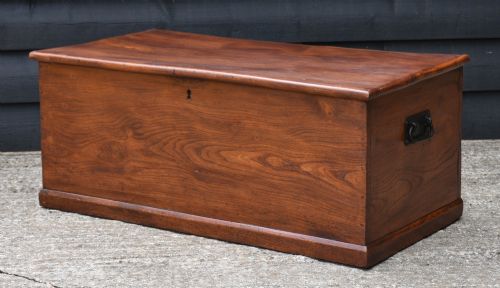
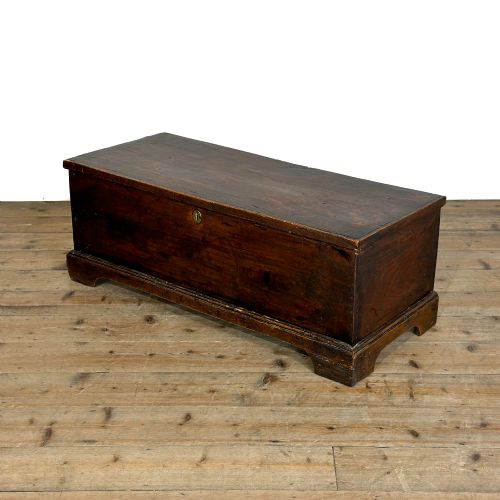
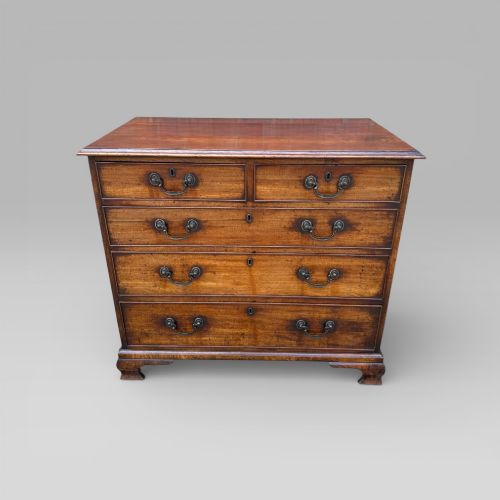
When searching for a georgian storage coffer, buyers encounter robust domestic receptacles intended to contain household textiles and personal belongings. These pieces range from simple panelled boxes to sophisticated mule chests fitted with lower drawers.
The versions most frequently met on this page date from the eighteenth century and display vernacular or formal styling. Oak remains the predominant timber, though elm, mahogany, pine and walnut also appear across regional workshops.
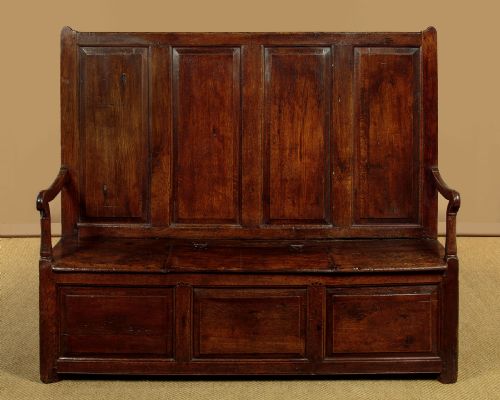
Regional forms such as the Welsh coffer bach or the box settle add distinct character to the selection. These functional items served multiple purposes within the traditional interior, acting as seating as well as secure storage.
How they were made
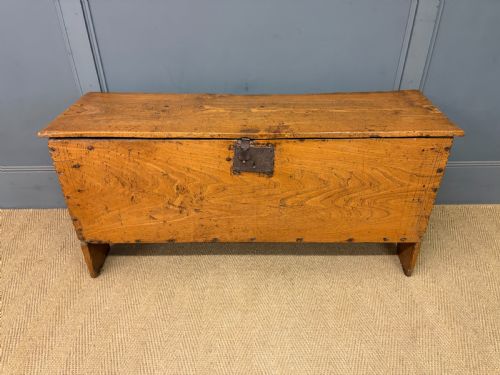
Joiners and cabinet-makers built these coffers using sturdy native timbers joined with traditional methods like mortise and tenon construction. Hand-planed boards, pegged joints and panelled lids provide the primary structural integrity.
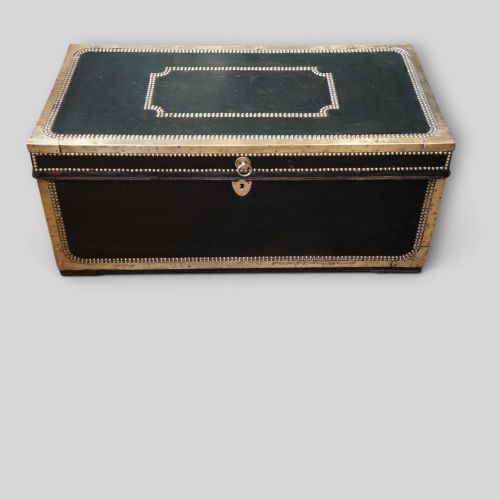
Hardware played a crucial role in both reinforcement and decoration, utilising forged iron hinges, brass corner brackets and studded leather coverings. Specialised trunks incorporate camphor, teak or mahogany alongside metal binding for travel resilience.
Listings feature eighteenth-century oak and mahogany alongside nineteenth-century camphor, elm and teak trunks.
What varies in quality
The standard of timber selection and joinery marks the difference between standard utilitarian boxes and finer pieces. Figured veneers, intricate crossbanding and detailed carving indicate a higher level of workshop skill and investment.
Originality of hardware, locks and hinges heavily influences the integrity of a piece. Retaining untouched surfaces, authentic feet and period mountings distinguishes superior examples from heavily altered or restored items.
Samuel Pratt·J Moorcroft·Wm. Insall of Bristol·Sir Randolph Isham Routh KCB
The Georgian Storage Coffer Glossary
- Coffer
- A large wooden chest used historically for storing valuables, linen or documents. These sturdy boxes often feature hinged lids and raised feet.
- Mule chest
- A storage chest featuring one or more drawers built into the base beneath the primary compartment. This form bridges the gap between the traditional coffer and the chest of drawers.
- Crossbanding
- A decorative technique involving strips of veneer laid across the grain of the primary wood panel. This border treatment frames drawer fronts or lid edges on finer pieces.
- Box settle
- A wooden bench incorporating a high back and a enclosed storage box beneath the seat. These practical hybrid items stood near hearths in country houses.
Georgian Storage Coffer: Frequently Asked Questions
How do mule chests differ from standard coffers?
Mule chests combine the deep top-opening compartment of a traditional coffer with one or more drawers fitted into the base. This layout allowed access to linens without moving items off the lid.
Cabinet-makers developed this form during the eighteenth century to maximise storage utility. They appear frequently in oak and mahogany across regional workshops.
Where were these chests placed historically?
These storage pieces stood in bedrooms, hallways and public rooms to hold heavy blankets, winter clothing and household linen. In vernacular settings, box settles were positioned near fireplaces to block drafts.
Travel trunks and military chests accompanied officers and gentlemen on journeys. Their robust construction protected contents from rough transit conditions.
How do I care for antique timber?
Keep wooden coffers away from direct heat sources and rapid temperature fluctuations to prevent timber splitting. Maintain stable humidity levels within the room.
Apply a light application of traditional beeswax periodically to nourish the surface polish. Avoid modern liquid polishes that contain silicone.