
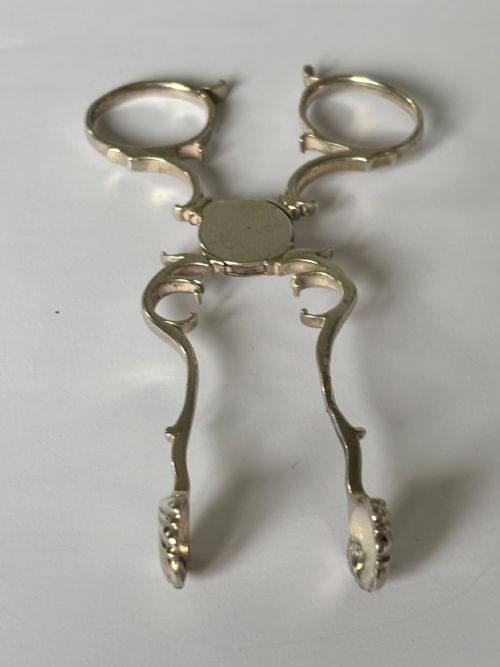


Georgian Sterling Silver Tongs
Georgian sterling silver tongs are elegant table implements designed for handling sugar lumps or asparagus, combining crisp period craftsmanship with daily utility.
Georgian Sterling Silver Tongs
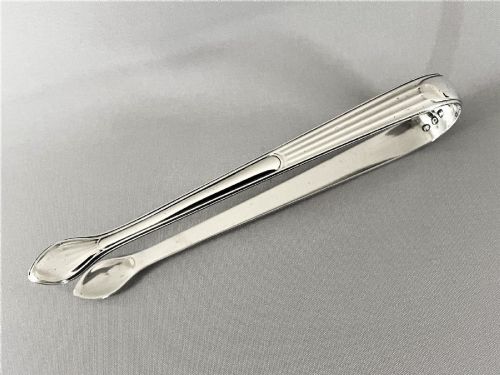
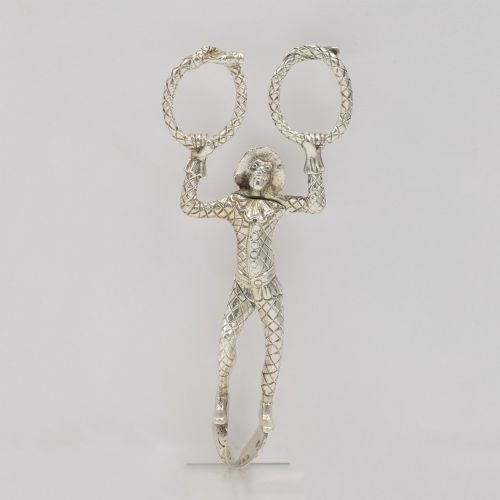
When you search for georgian sterling silver tongs, you encounter functional dining implements spanning the eighteenth century through to the regency period and beyond. These pieces encompass sugar tongs, sugar nips, and larger serving tongs designed for the table.
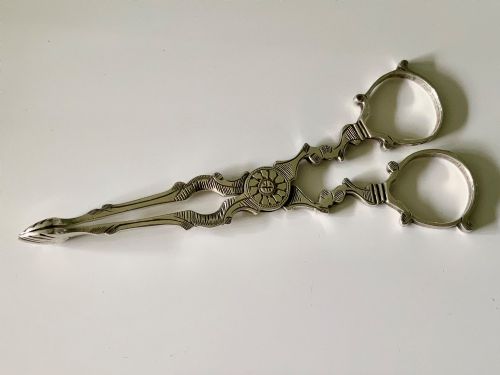
The selection frequently includes examples in the georgian style alongside pieces bearing distinct regional or provincial assay marks. From delicate scissor nips to sprung bow tongs, the forms reflect the changing tea and dining rituals of the period.
How they were made
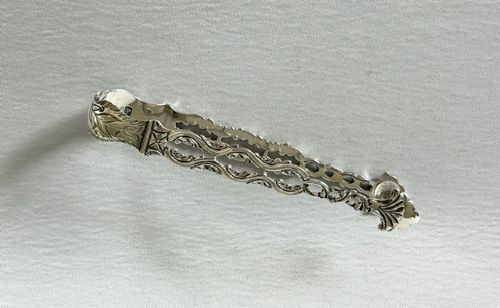
Silversmiths utilised sterling silver, shaping the metal through casting, piercing, and hammering techniques to create spring arms and detailed bowls. Pierced and cast examples showcase intricate fretwork alongside solid forged stems.
Makers applied engraved crests and bright-cut engraving to the silver surfaces, whilst incorporating pivoting box joints in early scissor-type sugar nips.
What varies in quality
The calibre of georgian sterling silver tongs rests upon the crispness of the casting and the resilience of the silver bow spring. Superior pieces retain clear hallmarks and sharp, unrubbed engraved crests on the terminals.
Weight and gauge of the sterling silver dictate durability, distinguishing heavy serving variants from lighter tea equipment.
Bateman Family·Dee & Fargus·Thomas Tookey·Wilkes Booth·George Murray·Hester Bateman·William Sumner I
The Georgian Sterling Silver Tongs Glossary
- Sterling silver
- A silver alloy containing 92.5 percent pure silver and 7.5 percent other metals, typically copper. This standard ensures the necessary rigidity for functional tableware.
- Sugar nips
- Early scissor-action implements featuring small bowls designed to grasp sugar loaves or lumps before the widespread adoption of spring-action bow tongs.
- Bright-cut engraving
- A faceted engraving technique cut with a sharp V-shaped graver, producing sparkling geometric or floral borders on the silver surface.
- Assay mark
- Official stamps indicating the standard of silver, the place of testing, and the date letter corresponding to the year of manufacture.
- Bow tongs
- A single strip of silver folded into a spring arch with shaped terminals, replacing the hinged scissor action in later eighteenth-century designs.
Georgian Sterling Silver Tongs: Frequently Asked Questions
How do I use sugar nips?
Sugar nips operate with a scissor action, allowing you to pinch individual sugar lumps from a bowl for tea service. The finger rings provide leverage for secure handling.
Today, they serve well for tea ceremonies or display alongside period silver collections.
What is the difference between sugar and asparagus tongs?
Sugar tongs are smaller, designed for delicate lumps, whereas asparagus tongs are large serving pieces with broad blades meant for gripping stems.
Asparagus tongs often feature heavy gauge silver to support the weight of the vegetable during formal dining.
How do I date these tongs?
Dating relies upon the stamped hallmarks, which reveal the assay office and date letter for the year of production. Stylistic details like bright-cut engraving or cast pierced arms also indicate the period.
Consulting regional maker marks helps narrow the origin to specific silversmiths active in London, Newcastle, or Ireland.
How do I care for sterling silver tongs?
Maintain the silver by washing in warm soapy water and drying with a soft cloth to prevent tarnish accumulation. Avoid abrasive polishes that wear away engraved crests and hallmarks.
Store them in a dry environment, ideally lined with anti-tarnish cloth, to preserve the finish.