


Georgian Sterling Silver Condiments
Georgian sterling silver condiments bring table service from past centuries into daily use through mustard pots, salt cellars and cruet sets.
Georgian Sterling Silver Condiments
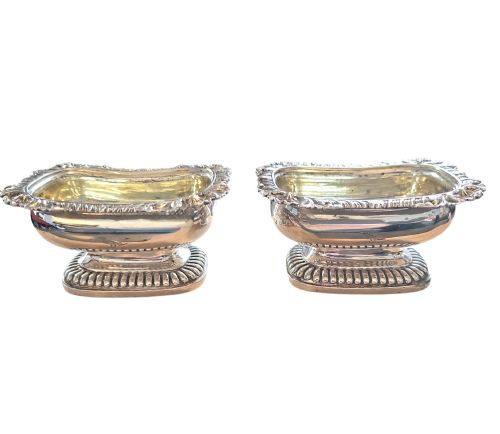
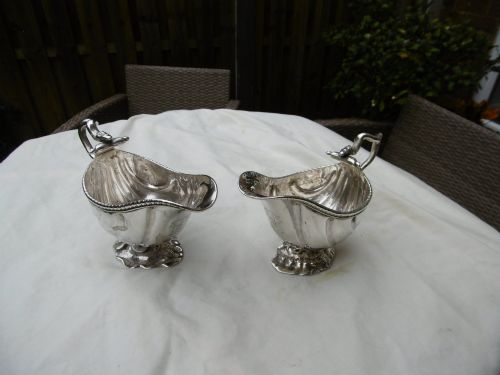
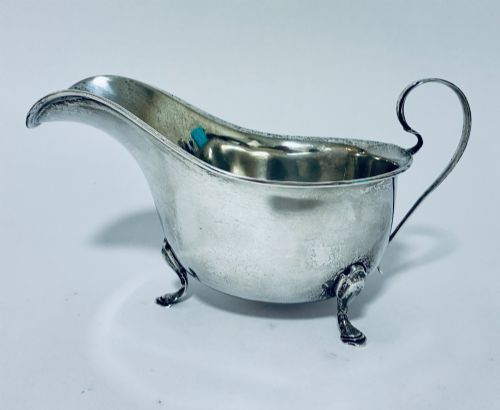
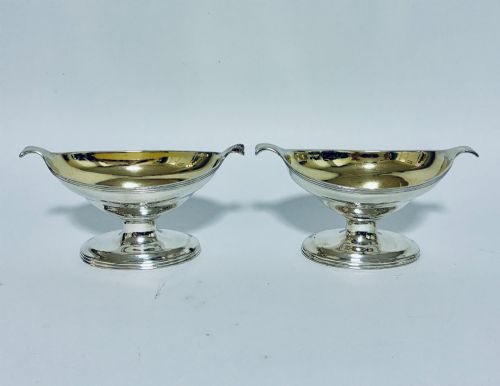
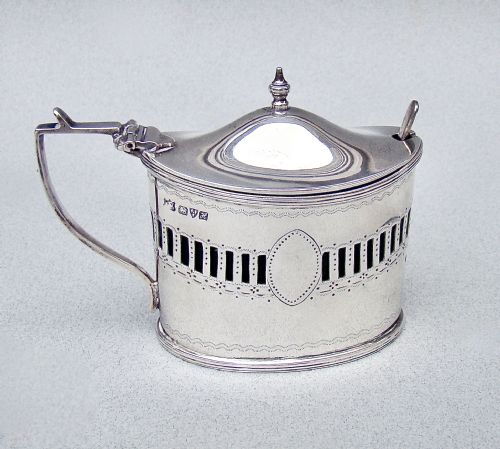
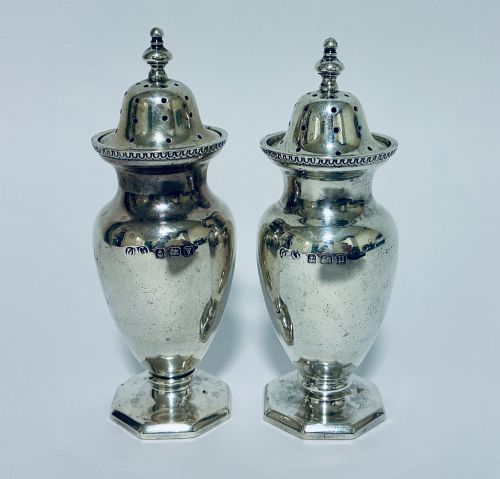
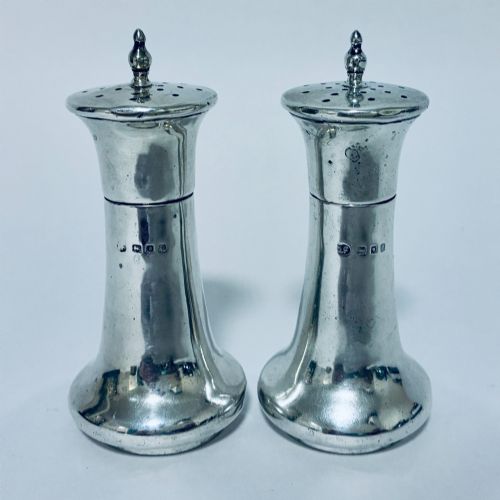
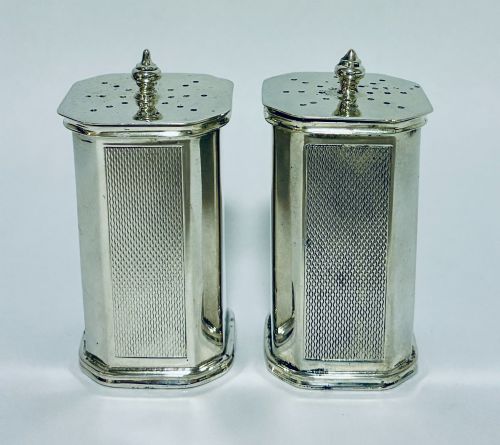
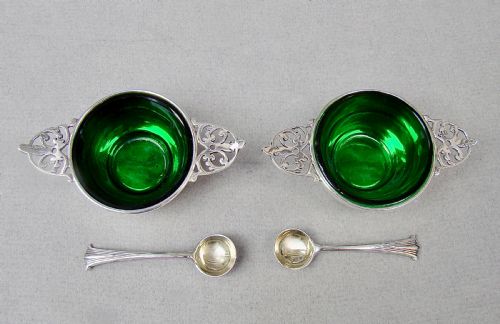
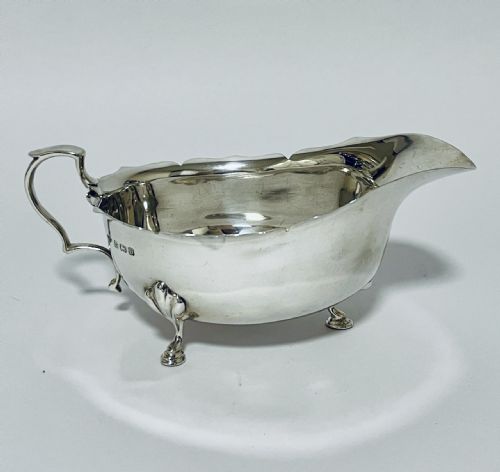
When you search for georgian sterling silver condiments, you encounter table vessels designed to hold seasonings like salt, pepper, mustard and sugar for dining. The most common forms on this page include salt cellars, mustard pots, cruet sets, sugar casters and sauce boats.
Many items date directly to the Georgian period, alongside pieces from the 18th century, Victorian era, Edwardian period and later revivals. These objects span simple domestic tablewares to complete framed cruet sets with original bottles.
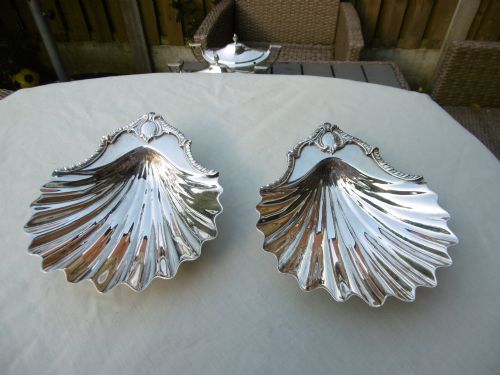
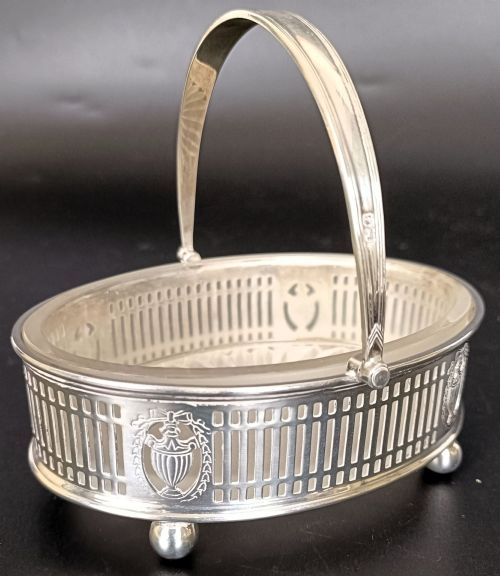
Makers shaped these utilitarian wares into boat designs, cauldron forms, drum shapes and wirework tubs. Some pieces incorporate cast details like naturalistic flowers or rococo shells.
Factors of Quality
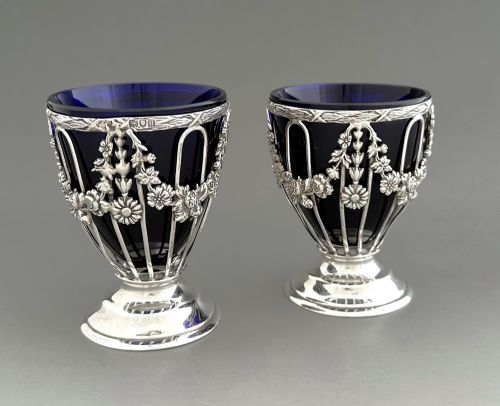
Quality rests on the crispness of the silversmith's cast ornament and the weight of the silver used in the vessel. Heavier pieces with defined hallmarks and undamaged blue glass liners sit at the upper end of the range.
The reputation of the maker, such as members of the Bateman family or Matthew Boulton, elevates a piece through superior finishing and proportion. Complete matched sets with original bottles demonstrate higher integrity than pieced-together groups.
Georgian Sterling Silver Condiments Retail Price Guide 2026
Typical asking prices for georgian sterling silver condiments among the pieces listed under this phrase on Sellingantiques today, from the lower quarter to the upper quarter. They describe what is for sale here now, not the wider market.
Materials appearing across the current inventory include sterling silver, cobalt glass, gold gilt and cut glass.
Alfred Marston·William Plummer·Charles Fox II·Josiah Williams and Co·Charles Thomas Fox·Matthew Boulton·Robert Hennell I·Hester Bateman·Edward Farrell·Charles Stuart Harris·George Fox·Roberts and Belk
The Georgian Sterling Silver Condiments Glossary
- Sterling silver
- A silver alloy containing 92.5 percent pure silver by mass, standard for British plate. This composition provided the durability needed for functional tableware.
- Cruet set
- A fitted stand holding multiple bottles or castors for condiments. These frames kept table seasonings organised during formal dining.
- Blue glass liner
- A coloured glass insert placed inside open salt cellars or mustard pots. It protected the silver from corrosive salts and vinegars.
- Caster
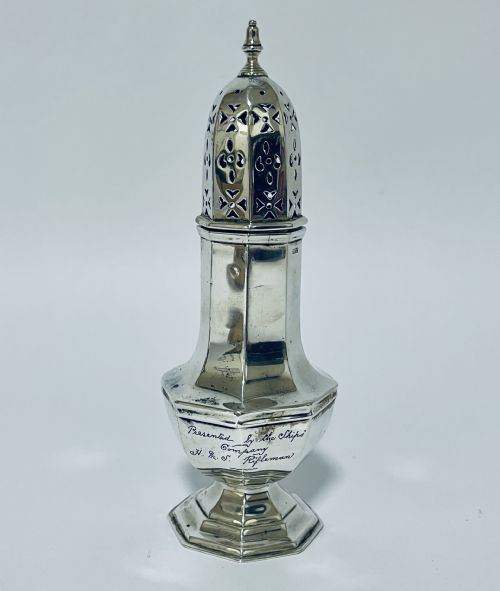
- A small jar with a perforated top used for shaking sugar or pepper onto food. They often form matching pairs or sets within a frame.
- Sauce boat
- An open vessel with a lip and handle used for serving gravies and sauces. Early examples typically rest on three cast feet or moulded oval bases.
Georgian Sterling Silver Condiments: Frequently Asked Questions
What are georgian sterling silver condiments?
These pieces are small silver vessels and stands made to hold table seasonings like salt, pepper, mustard and sugar. They formed an essential part of dining service on British tables.
The selection includes salt cellars, mustard pots with hinged lids, pepper casters, sauce boats and multi-bottle cruet frames. Many incorporate coloured glass inserts or pierced silver frames.
How do you use antique salt cellars?
Open salt cellars sit directly on the dining table to hold loose salt, often accompanied by a small spoon for serving. Modern collectors utilise them for pinches of salt, small appetisers or desk tidies.
Peculiar forms like cauldron salts or boat shapes rest steadily on small feet or flat bases, making them practical for holding small items today.
What is a cruet set?
A cruet set is a framed stand that carries multiple condiment containers together for service at the table. Complete sets typically house glass bottles alongside pepper or sugar castors.
Frames often feature central handle rings for carrying the assembly between guests. Surviving examples range from simple wirework frames to elaborate silver stands.
How do I identify a mustard pot?
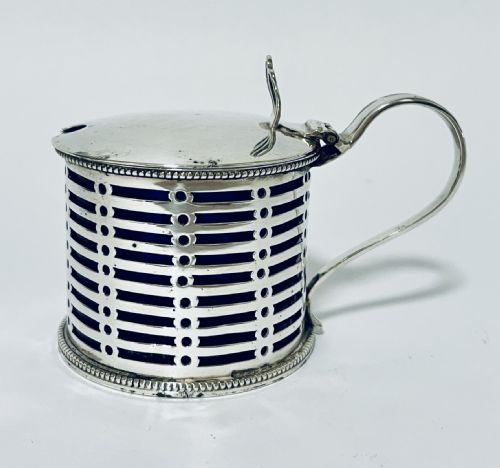
A mustard pot is a small covered jar featuring a hinged lid, a handle and often a cut-out notch in the rim for a spoon. Many early examples contain original blue glass liners visible through pierced silver walls.
Styles vary from plain cylindrical drum pots to boat shapes and revival pieces decorated with rococo or neoclassical motifs.