



Georgian Sterling Condiment Pot
A georgian sterling condiment pot brings the refinement of eighteenth and nineteenth-century dining tables directly into modern service.
Georgian Sterling Condiment Pot
When you search for a georgian sterling condiment pot, you encounter small silver vessels designed to hold mustard, pepper, or salt at the dining table. These pieces span the Georgian, Regency, and Victorian eras, alongside later revivals that echo the same classical forms.
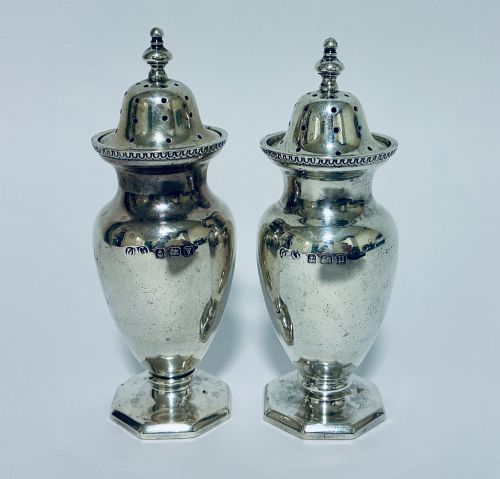
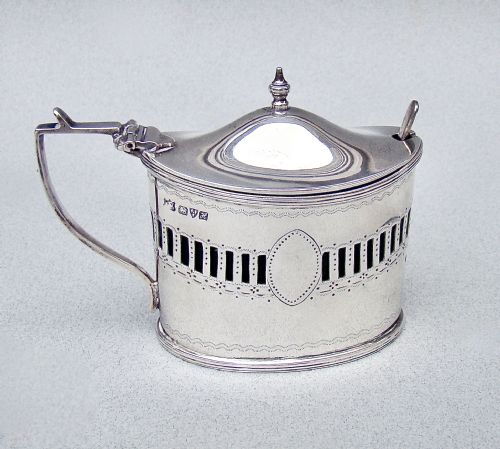
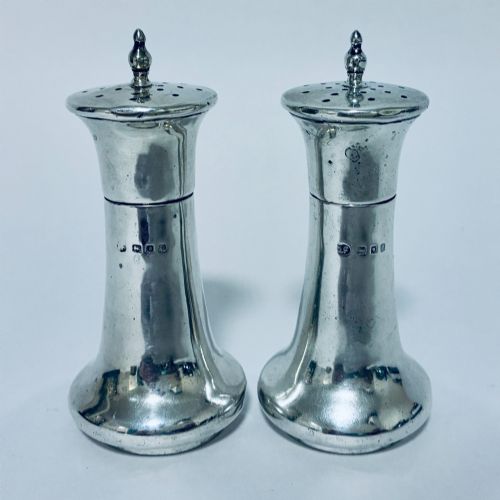
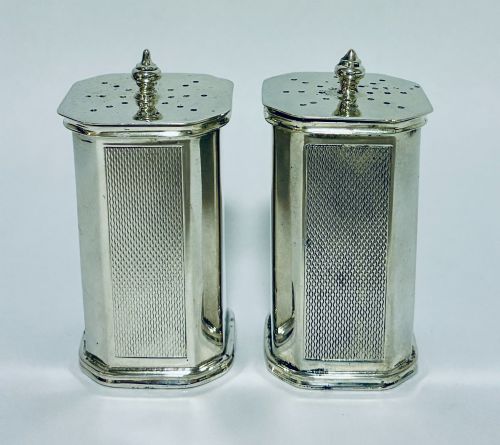
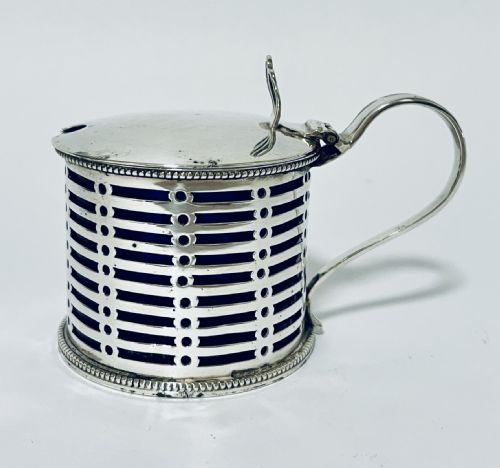
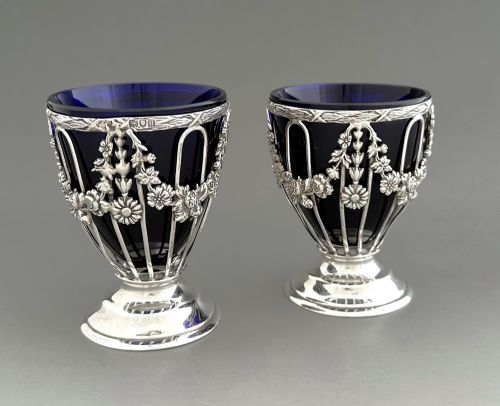
The mustard pots and pepper pots on this page appear in various configurations, including drum shapes, cylindrical bodies, and wirework tubs. Many examples retain their original coloured glass liners, particularly in cobalt blue, which contrast sharply against the pierced or polished silver exterior.
Materials and construction
Silversmiths constructed these condiment vessels using solid sterling silver, shaping the metal through hammering, casting, and piercing techniques. Delicate wirework frames and intricate pierced galleries required high levels of bench skill from the maker.
Fitted glass inserts, such as cobalt blue glass liners, were hand-blown and ground to fit snugly inside openwork silver frames. Hinged lids with thumbpieces completed the mustard pots, operating on tiny pins balanced with precise mechanical alignment.
Georgian Sterling Condiment Pot Retail Price Guide 2026
Typical asking prices for georgian sterling condiment pot among the pieces listed under this phrase on Sellingantiques today, from the lower quarter to the upper quarter. They describe what is for sale here now, not the wider market.
Object forms include mustard pots, pepper casters, salt cellars, and wirework condiment tubs.
Assessing quality in silver condiment vessels
Quality in a georgian sterling condiment pot rests on the weight of the silver, the crispness of any pierced ornamentation, and the structural integrity of the hinge. Thicker metal resists denting during daily use and maintains sharp hallmark stamps without softening.
The presence of a matching, undamaged glass liner adds significantly to the completeness of the piece. Superior examples display balanced proportions, neat soldering seams, and hallmarks that remain clear and legible after centuries of polishing.
Alfred Marston·Charles Fox II·Matthew Boulton·Robert Hennell I·Charles Stuart Harris·Viners
The Georgian Sterling Condiment Pot Glossary
- Sterling silver
- An alloy comprising ninety-two point five percent silver and seven point five percent other metals, usually copper, chosen for durability in tableware.
- Cobalt glass
- A deep blue glass coloured with cobalt oxide, frequently used for removable liners inside pierced silver mustard pots and salt cellars.
- Hallmark
- A series of stamped marks on precious metal indicating the maker, assay office, standard of purity, and date of assay.
- Caster
- A small perforated vessel used for shaking dry condiments like pepper or sugar over food before or after cooking.
- Drum mustard pot
- A cylindrical silver mustard pot with a flat hinged lid and a straight-sided body, typical of eighteenth-century design.
Georgian Sterling Condiment Pot: Frequently Asked Questions
What were silver condiment pots used for?
These vessels held table condiments such as prepared mustard, ground pepper, and salt during formal and domestic meals. Servants or diners used them to season food at the table before individual plating became standard.
They formed part of larger cruet sets or matching table services, reflecting the high status of silver tableware in wealthy households.
How do I clean a silver condiment pot?
Clean silver components using a mild, non-abrasive silver polish and a soft cloth to protect the engraved details and hallmarks. Rinse glass liners separately in warm soapy water without submerging cemented silver mounts.
Avoid harsh chemical dips that can strip the natural patina and damage delicate glass inserts or velvet-lined display cases.
Are glass liners original to the pots?
Many surviving pots retain their blown glass liners, which fit the internal dimensions of the pierced silver frames precisely. Replacements occur frequently because glass is fragile and prone to cracking over centuries of use.
Inspect the rim and base of the glass for hand-blown characteristics like pontil marks and minor bubbles that indicate period manufacture.
How can I tell a Georgian piece from a revival?
Georgian pieces carry date letters and maker's marks specific to the eighteenth or early nineteenth centuries, often accompanied by duty marks showing tax was paid. Revival pieces from the Edwardian period or later bear twentieth-century hallmarks that identify their true date of assay.
Stylistic execution also assists, as Georgian smiths used different handle construction and piercing patterns compared to twentieth-century workshops.