
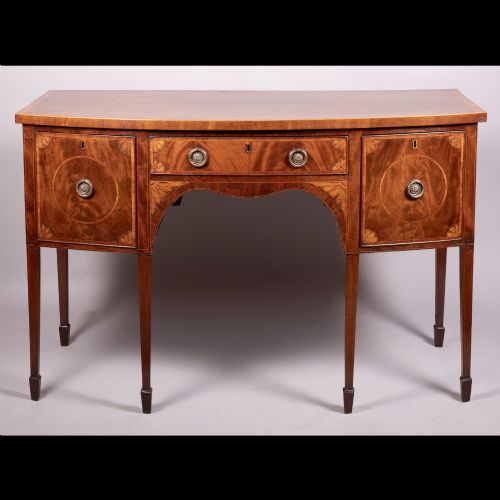
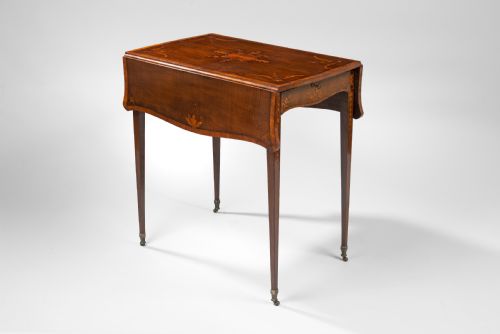


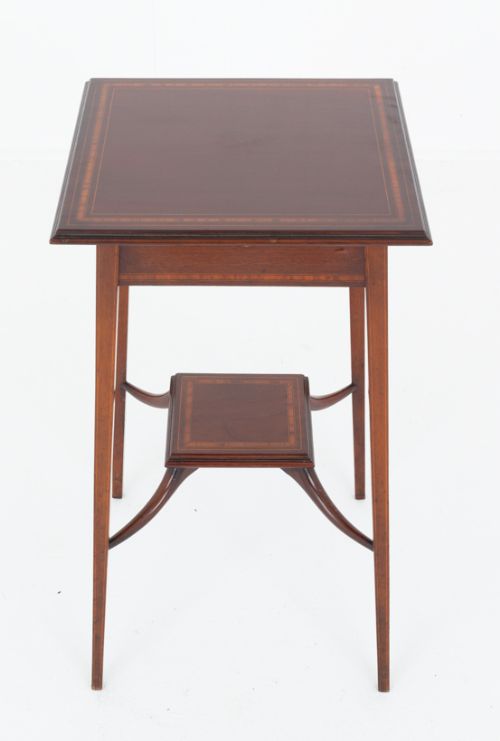


Georgian Square Leg Table
A georgian square leg table offers sturdy elegance and straightforward lines, making it a practical centrepiece for any traditional room.
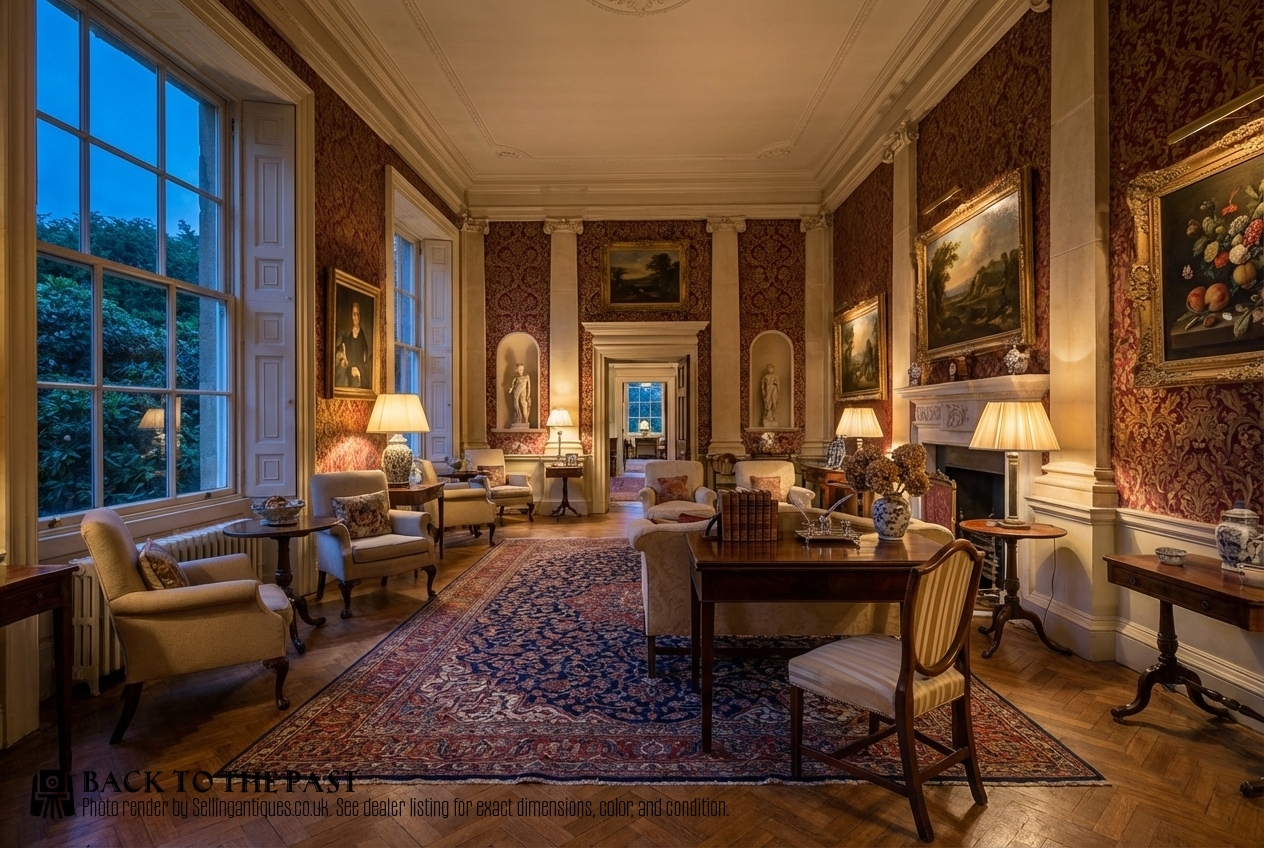
Georgian Square Leg Table
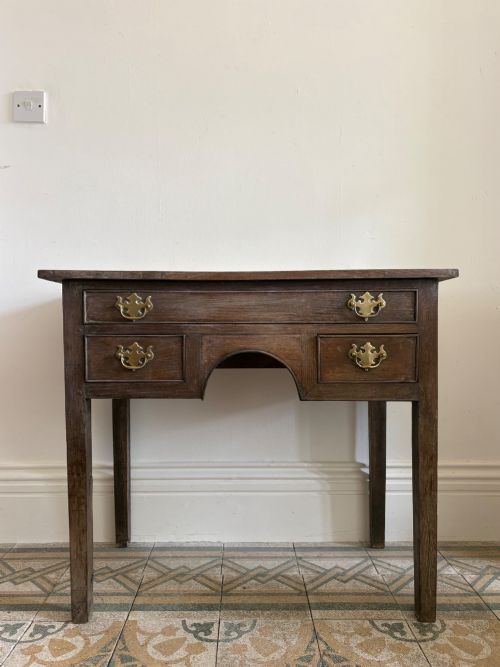
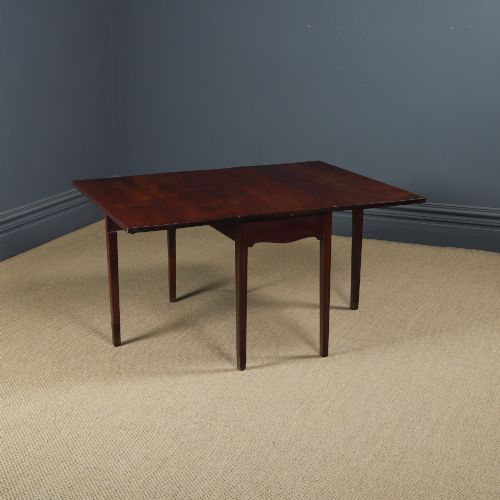
When you search for a georgian square leg table, you encounter versatile timber furnishings spanning the eighteenth and nineteenth centuries, including side tables, dining tables, and writing desks. These pieces showcase the restrained, rectilinear geometry favoured during the Georgian and Regency periods, moving away from ornate carving towards functional proportion.
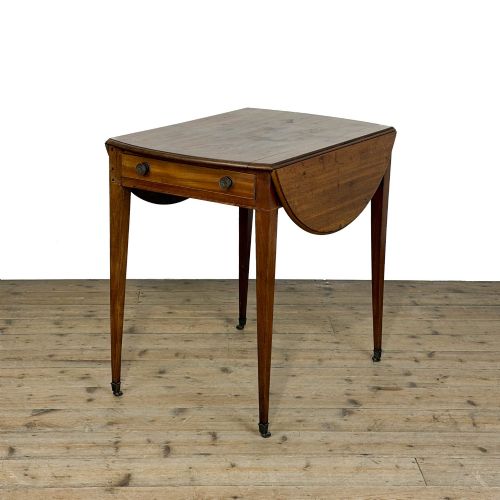
You are most likely to meet mahogany side tables and sideboards featuring straightforward square tapered legs on this page, alongside occasional tables and card tables. The selection also includes Pembroke tables and desks built from timber varieties like fruit wood and burr yew, reflecting both authentic period production and later revival styles.
What varies in quality
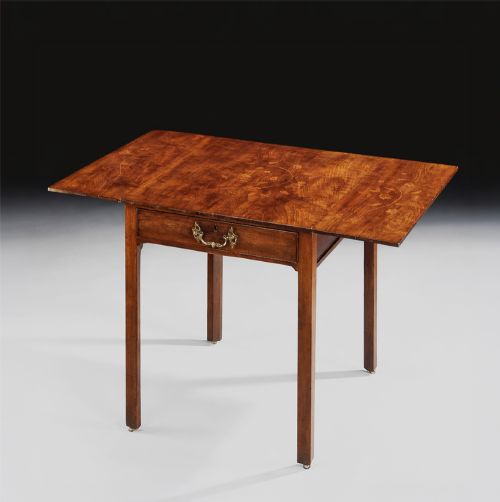
The degree of refinement in timber selection and inlay work separates standard utility pieces from exceptional examples. Finer tables display carefully matched flame mahogany veneers and crisp, precise boxwood stringing rather than plain, unfigured wood.
Proportion and structural integrity distinguish superior cabinetmaking from basic manufacturing. The crispness of the square leg profile and the seamless operation of folding tops or drawers indicate the original maker's skill.
Listings feature mahogany predominantly, alongside accent materials like satinwood, boxwood inlay, and brass hardware across Georgian and Regency periods.
The Georgian Square Leg Table Glossary
- Pembroke table
- A small, versatile table with hinged flaps on either side that can be raised or lowered. It typically includes one or more small drawers and rests on four legs.
- Card table
- A folding table designed specifically for playing cards, featuring a hinged top that opens to reveal a baize-lined surface. Many examples utilise concertina actions or swing legs for support.
- Satinwood
- A durable, yellowish timber prized for its lustrous grain and used extensively for contrasting bandings and inlay work on finer furniture. It brings a bright visual accent to darker mahogany surfaces.
- Marquetry
- The art of applying pieces of veneer to a structure to form decorative patterns and pictures. Craftsmen used various coloured woods to create intricate floral or geometric designs.
Georgian Square Leg Table: Frequently Asked Questions
How do I identify a genuine period piece?
Examine the timber ageing, construction methods, and secondary woods used in the drawer linings or internal framing. Genuine period pieces display hand-cut joinery and natural wear consistent with eighteenth or nineteenth-century workshops.
Compare the proportions and decorative details, such as boxwood inlay or brass hardware, against known examples from the Georgian and Regency eras. Subtle tool marks and consistent patination across the surfaces confirm authentic age.
Where were these tables used in a home?
These tables served multiple functions across different rooms, acting as dining surfaces, writing desks in studies, or serving stations in reception rooms. Pembroke and card tables were easily moved to accommodate shifting social gatherings.
Sideboards and side tables anchored dining rooms and hallways, providing surface area for display and storage within drawers. Their adaptable designs suited both formal entertaining and daily domestic life.
How do I care for antique mahogany furniture?
Maintain a stable indoor climate away from direct sunlight and heat sources to prevent the timber from warping or splitting. Regular dusting with a soft, dry cloth preserves the finish without building up heavy wax residues.
Apply a quality beeswax polish sparingly when the wood appears dry to nourish the grain and protect the surface. Avoid placing hot or damp items directly onto the antique tabletop to guard against staining.
What is the difference between Georgian and Regency styles?
Georgian furniture generally emphasises classical proportions, balanced symmetry, and refined carving or inlay work influenced by designers like Sheraton and Hepplewhite. The structural lines remain solid, straightforward, and architecturally inspired.
Regency style draws heavily on Greco-Roman motifs, featuring bolder brass accents, darker woods, and sometimes more dramatic grain figures like flame mahogany. The silhouette becomes slightly more archeological while retaining the fundamental functionality of the preceding decades.