




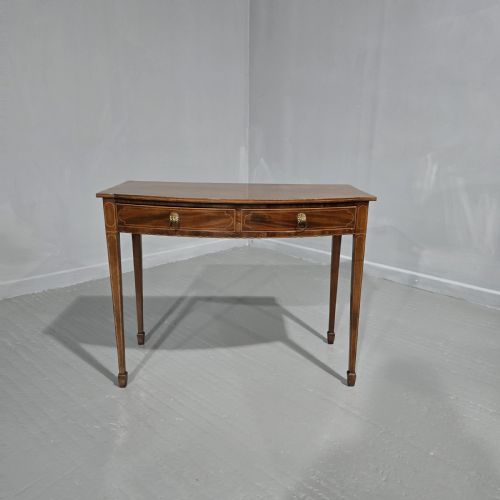
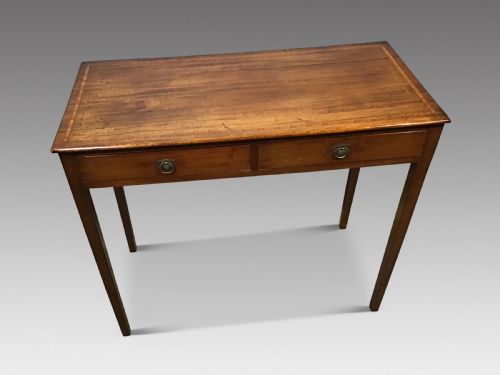


Georgian Square Leg Side Table
A georgian square leg side table brings honest timber and clean architectural lines into a room, offering practical surface space with understated period character.
Georgian Square Leg Side Table
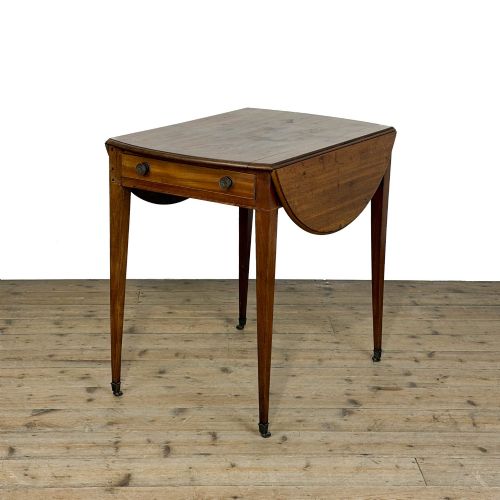
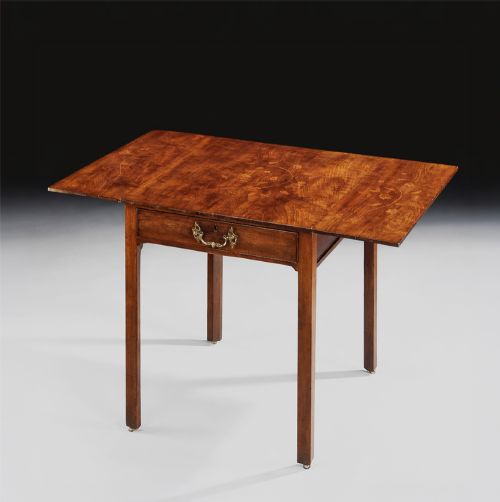
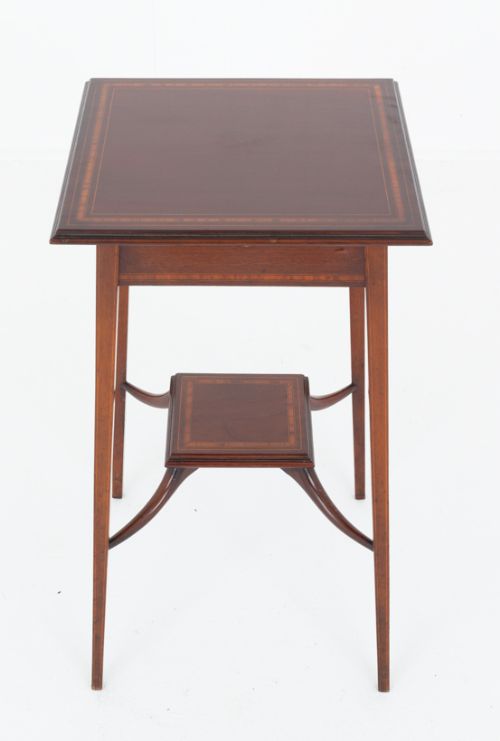
When searching for a georgian square leg side table, buyers encounter a variety of forms including dedicated side tables, Pembroke tables, and occasional tables spanning the eighteenth and nineteenth centuries. These pieces reflect the shift towards straight, rectilinear supports seen during the Georgian and George III periods, moving away from heavier cabriole designs.
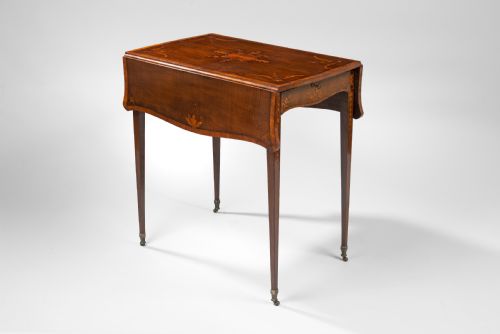
The version most commonly met on this page is constructed from mahogany, often featuring single drawers and straightforward tapering legs. Examples range from simple utilitarian side tables to more decorative pieces incorporating boxwood stringing, marquetry, and satinwood or harewood inlays.
Materials and construction
Cabinetmakers relied heavily on solid and veneered mahogany, frequently pairing primary woods with secondary timbers for drawer linings and internal framing. Timber selection dictated the visual weight of the furniture, with dense grain and rich natural tones forming the foundation of the design.
Decoration relied on contrasting details such as boxwood stringing, wood inlay, and marquetry panels in harewood or satinwood. Joinery techniques ensured sturdy construction for daily use, combining traditional mortise and tenon joints with hand-cut dovetails on drawer construction.
Some tables include hidden concertina actions and clever flip-top mechanisms designed to surprise guests after tea.
Defining quality
The distinction between standard examples and superior pieces rests on the crispness of the leg tapering, the quality of timber selection, and the restraint shown in any inlaid decoration. Grain alignment across drawer fronts and tabletops indicates greater care taken by the original cabinetmaker.
Proportion and structural integrity dictate long-term appeal, with finer items retaining their original hardware, uncompromised leg attachments, and balanced dimensions. Alterations to height or replaced secondary timbers lower the standing of a piece within the period range.
The Georgian Square Leg Side Table Glossary
- Pembroke table
- A small occasional table with hinged drop leaves on two opposing sides. These tables often include a single drawer and were designed to be easily moved around a drawing room.
- Stringing
- A narrow inlay of contrasting wood used to create decorative borders around drawer fronts or table edges. This technique highlights the geometric lines of square leg furniture.
- Marquetry
- The art of applying pieces of veneer to a structure to form decorative patterns and pictures. It appears on more elaborate surfaces using woods like harewood and satinwood.
- Tripod table
- A small freestanding table supported by a central pillar and three spreading legs. These frequently feature tilt-top or snap-top mechanisms for storage.
- Dovetail
- A traditional interlocking joint used to join drawer sides to drawer fronts. Hand-cut examples help indicate period manufacture.
Georgian Square Leg Side Table: Frequently Asked Questions
How do I date a square leg table?
Dating relies on examining the timber species, construction methods, and secondary woods used inside the drawers. Hand-cut dovetails and specific inlay materials point towards eighteenth or nineteenth-century workshops.
Stylistic shifts also provide clues, as George III and Regency pieces display different proportions compared to later Victorian revivals. Comparing the leg taper and edge moulding to dated examples helps narrow the period of origin.
Where were side tables placed historically?
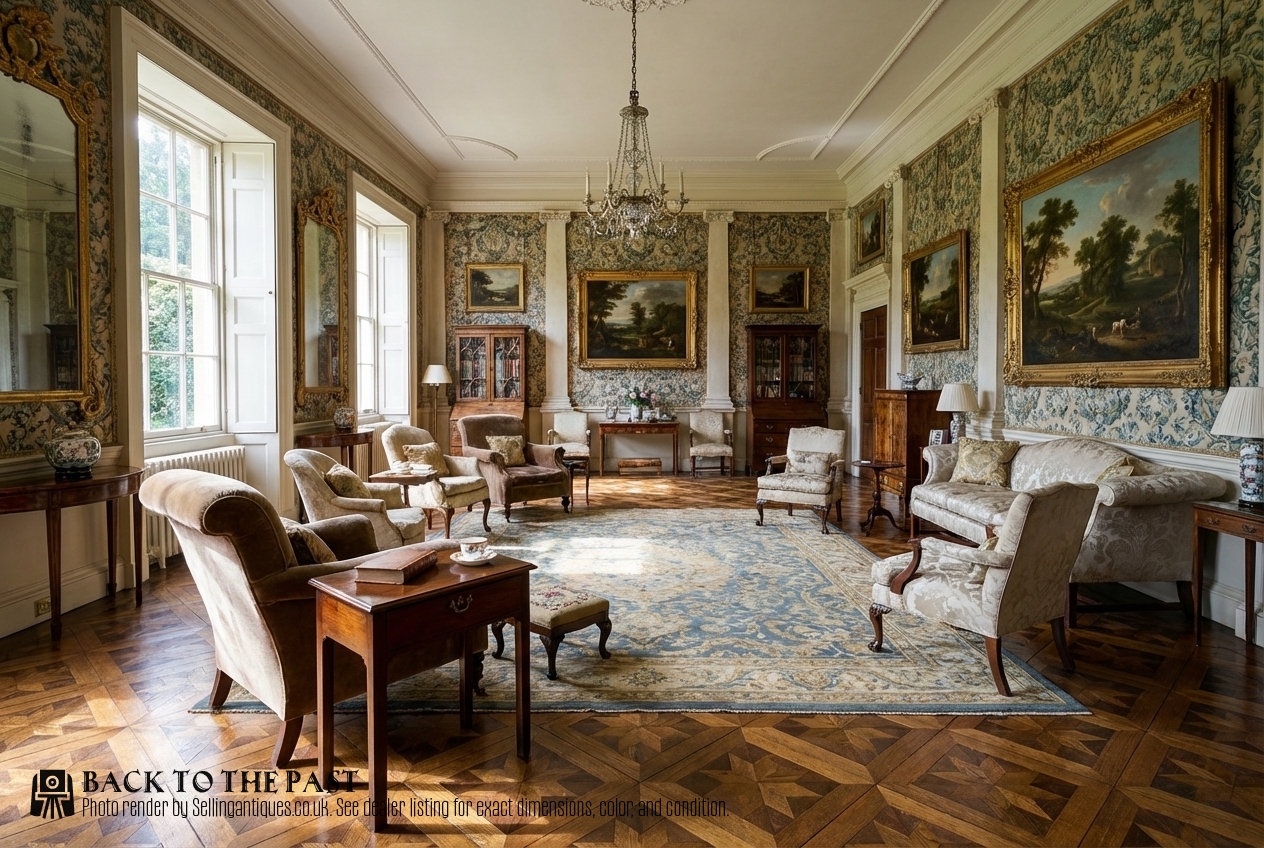
These tables sat against walls in hallways, drawing rooms, or dining rooms where surface space was required without blocking walkways. Pembroke and foldover versions offered flexible utility for writing or serving tea.
Smaller occasional and lamp tables were easily repositioned near seating areas as needed. Their versatile design made them central to domestic life in the Georgian interior.
Are these tables suitable for daily use?
Solid mahogany and sturdy framing make these pieces well-suited for everyday placement in modern homes. Simple maintenance involving appropriate wax polishing protects the historic timber surface.
Care should be taken with placement away from direct heat sources and strong sunlight to prevent timber movement. Regular gentle dusting keeps the polish and inlay work in stable condition.