

Georgian Splayed Leg Table
A georgian splayed leg table brings functional elegance to a room, offering sturdy support and graceful proportions that suit both traditional and modern interiors.
Georgian Splayed Leg Table
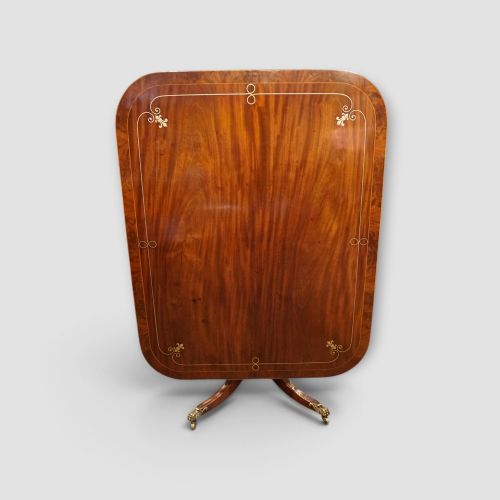
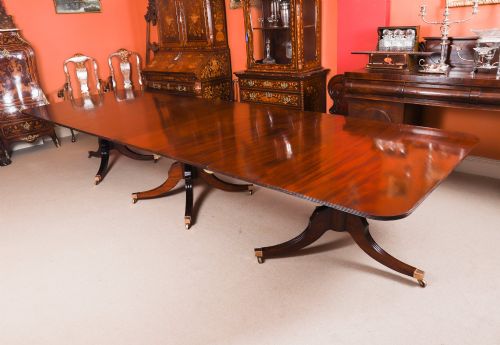
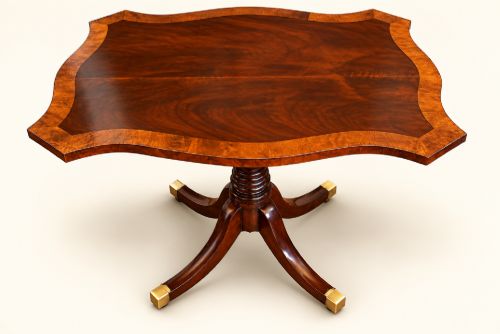
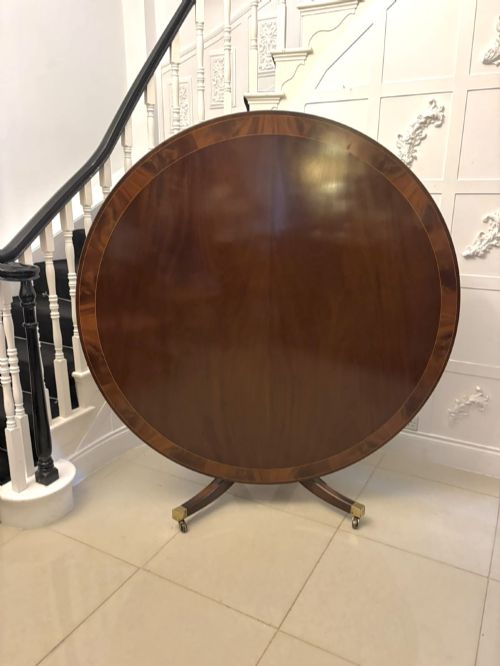
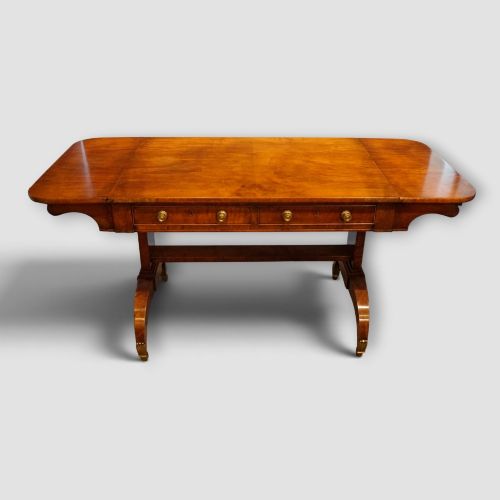
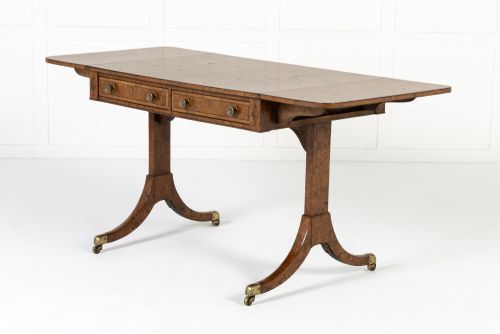
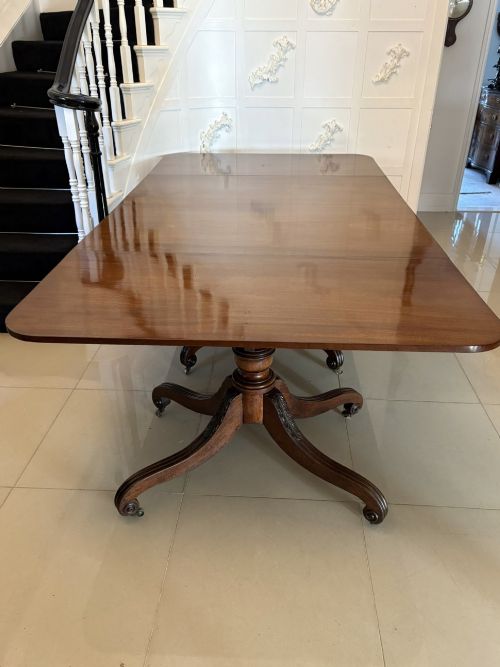
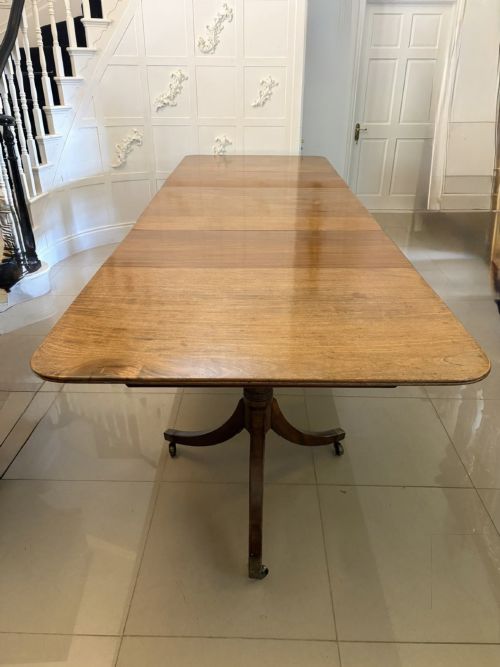
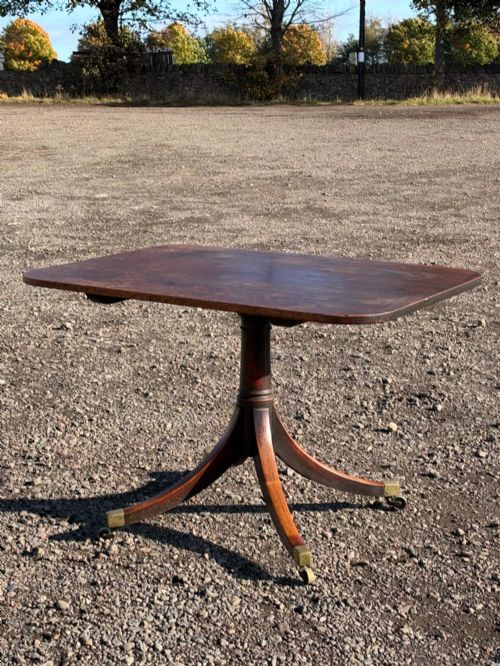
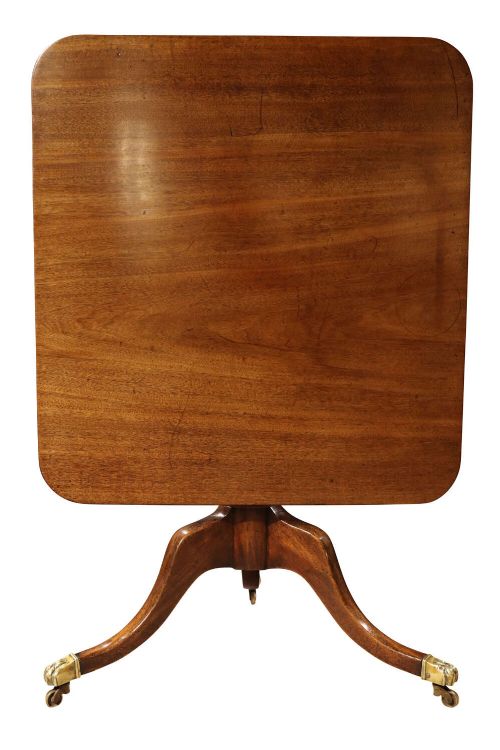
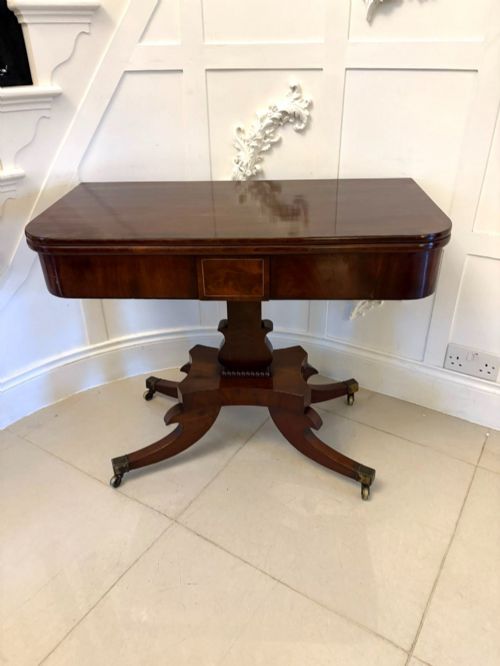
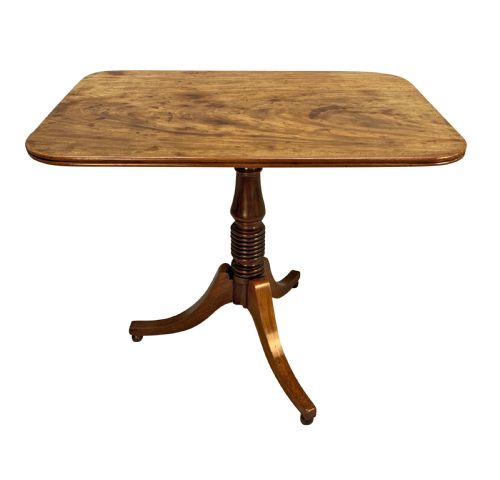
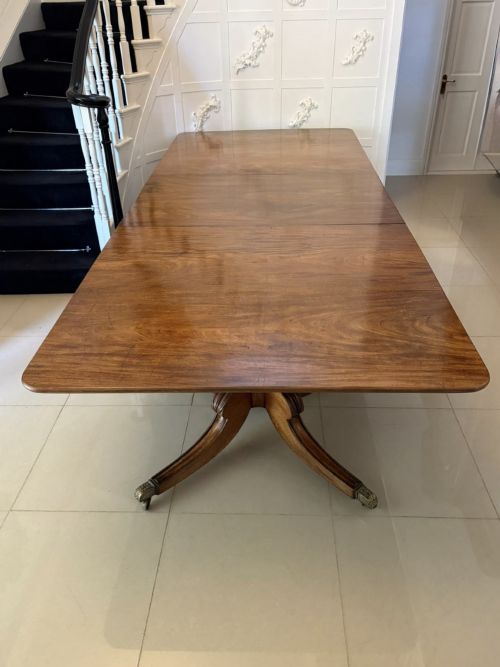
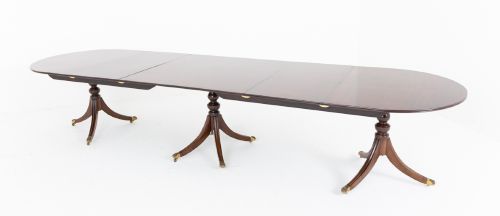
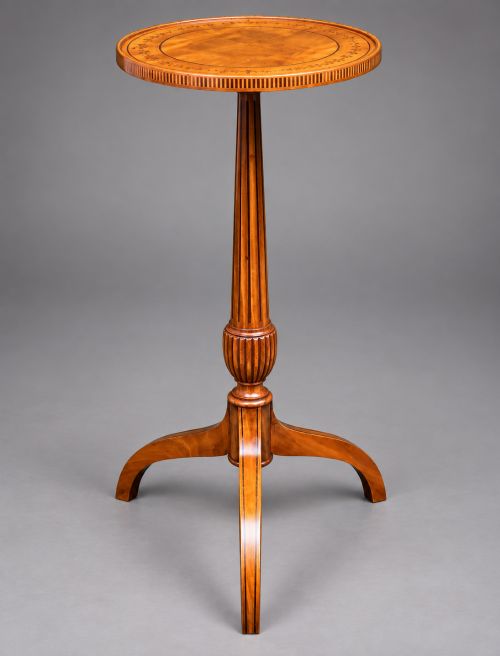
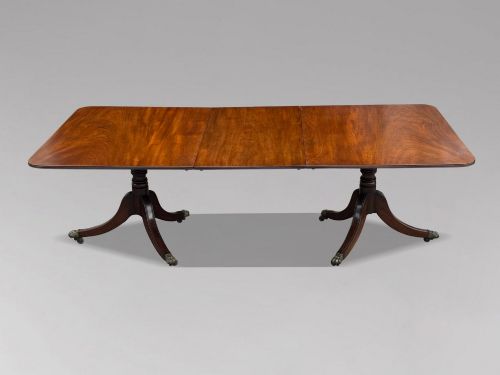
A georgian splayed leg table encompasses a wide variety of domestic furniture designed for dining, serving, and occasional use across several centuries. The selection available on this page spans dining tables, sofa tables, side tables, occasional tables, drum tables, coffee tables, centre tables, and pembroke tables.
Buyers most frequently encounter mahogany examples originating from the Georgian, Regency, and nineteenth-century periods. These forms range from large multi-pedestal dining formats to compact tripod and tilt-top designs suitable for smaller spaces.
How they were made
Cabinet makers utilised dense hardwoods such as mahogany, Cuban mahogany, rosewood, oak, and satinwood, often embellishing surfaces with intricate inlay work in boxwood and ebony. Structural components frequently incorporated brass mounts, particularly on sofa and drum tables from the Regency era.
Construction techniques relied on solid timber framing, stable pedestal bases, and tilting mechanisms secured by brass catches. Tables designed with leaves utilised pull-out pillars and drop-leaf hinges to adjust surface area according to domestic needs.
Georgian Splayed Leg Table Retail Price Guide 2026
Typical asking prices for georgian splayed leg table among the pieces listed under this phrase on Sellingantiques today, from the lower quarter to the upper quarter. They describe what is for sale here now, not the wider market.
An eighteenth-century pig bench sits quietly among the grand dining tables.
What varies in quality
The selection of timber grain largely determines the visual appeal of a piece, with figured mahogany, burr oak, and burr yew commanding attention for their natural patterning. Figured surfaces and carefully matched veneers demonstrate superior craftsmanship.
Proportion and stability separate standard workshop pieces from high-end cabinet work. Refined turning on pedestals, precise inlay, and robust pillar supports indicate skilled execution by period makers.
Thomas Butler of London·James Mein
The Georgian Splayed Leg Table Glossary
- Tilt-top table
- A table with a hinged top that pivots vertically to allow storage against a wall when not in use. This mechanism is commonly found on tripod and breakfast tables.
- Pedestal table
- A table supported by a central column resting on a tripod or multi-legged base rather than four corner legs. This design maximises legroom around the perimeter.
- Pembroke table
- A small rectangular table with hinged drop leaves on two opposing sides and a drawer. It was often utilised as a breakfast or writing table.
- Drum table
- A circular library table with a deep frieze containing drawers, resembling the shape of a drum. It usually stands on a central pillar and splayed legs.
- Sofa table
- A rectangular occasional table traditionally placed in front of a sofa, fitted with drop leaves and often two small drawers. These tables frequently feature brass mounts and stretcher supports.
Georgian Splayed Leg Table: Frequently Asked Questions
What is a pedestal dining table?
A pedestal dining table rests on one or more central columns rather than standard corner legs. This construction allows diners to sit comfortably without legs obstructing their seating positions.
Many examples include removable leaves to extend the surface length for larger gatherings.
How were pembroke tables used?
Pembroke tables served as versatile occasional furniture in Georgian homes for writing, sewing, or light meals. Their drop leaves permitted the table to expand or contract depending on available space.
Drawers built into the frieze provided convenient storage for small household items.
How do I identify a tilt-top table?
A tilt-top table utilises a pivoting mechanism beneath the surface that allows the tabletop to lock horizontally for use or fold vertically for storage. This design saved valuable floor space in period drawing rooms.
Most tilt-top examples stand on a turned pedestal with three splayed legs.